Disclosure: This post contains affiliate links. We may earn a commission at no extra cost to you.
Published: August 28, 2026
Eye Cream Gel vs Cream vs Serum: Which Texture Works Best for Your Under Eye Wrinkles?
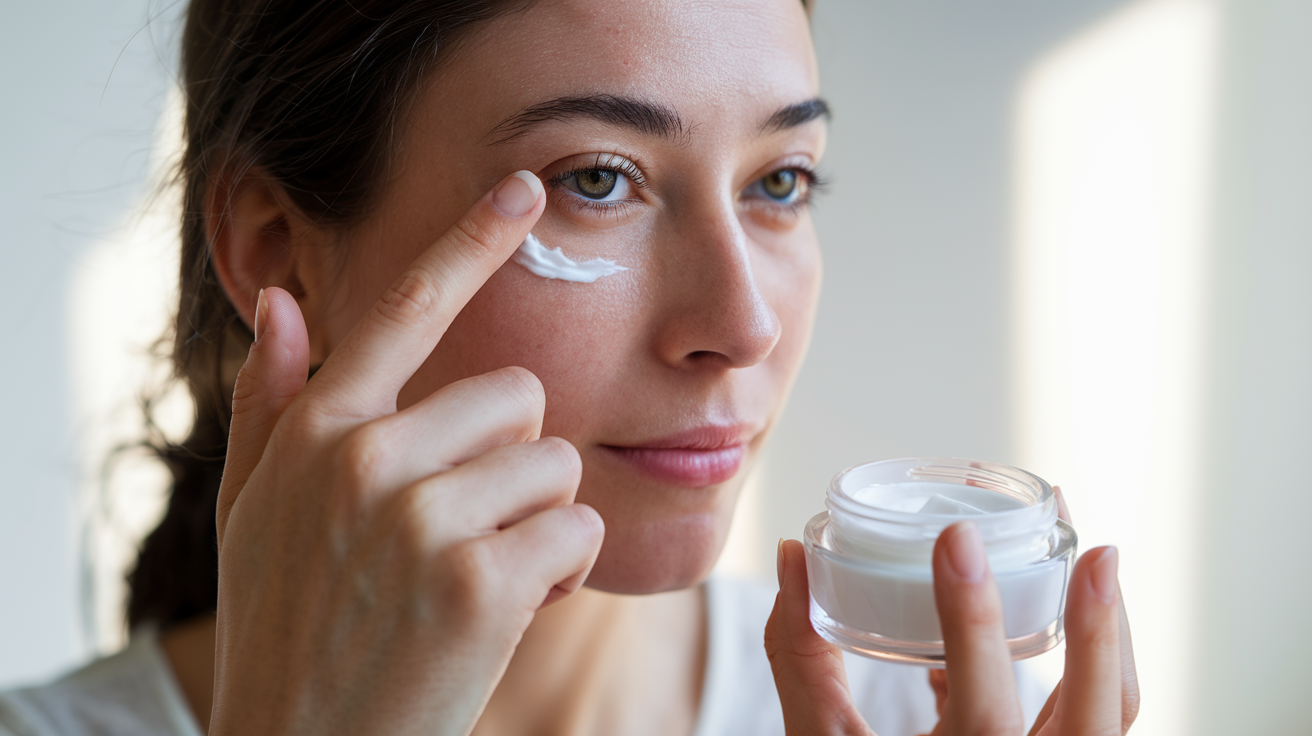
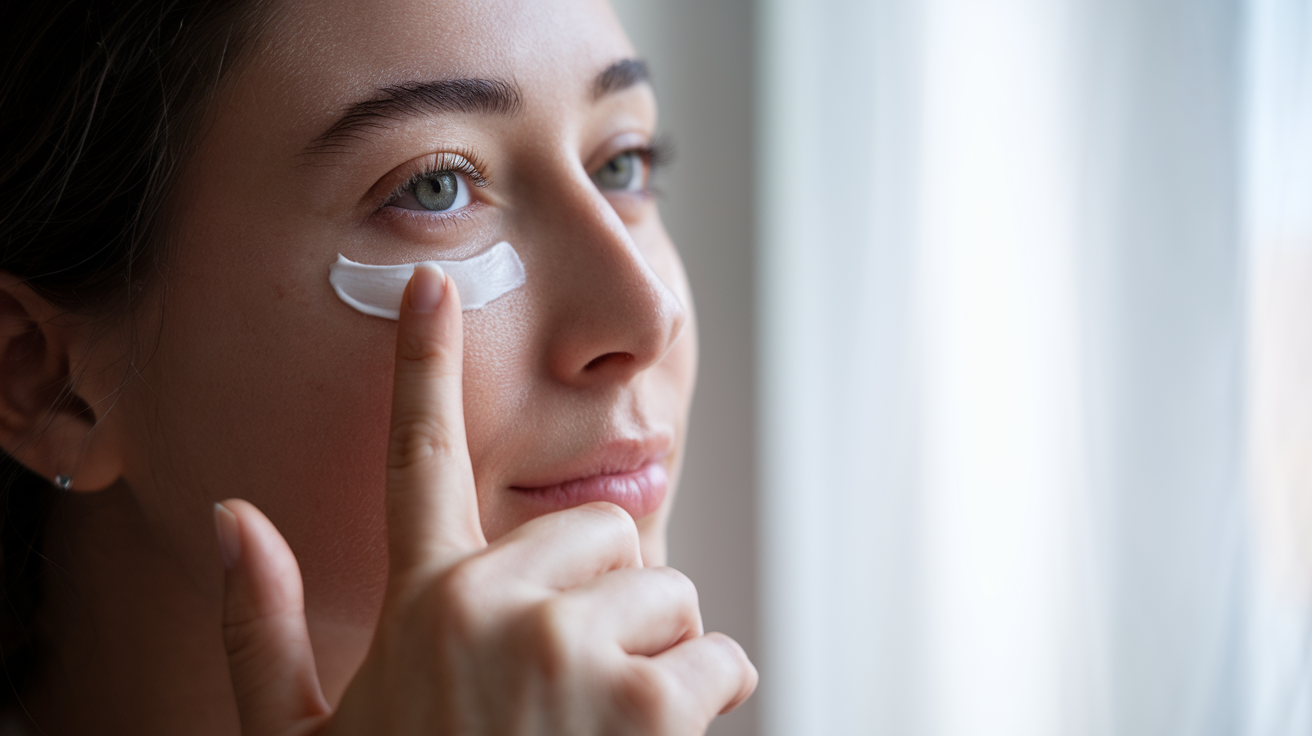
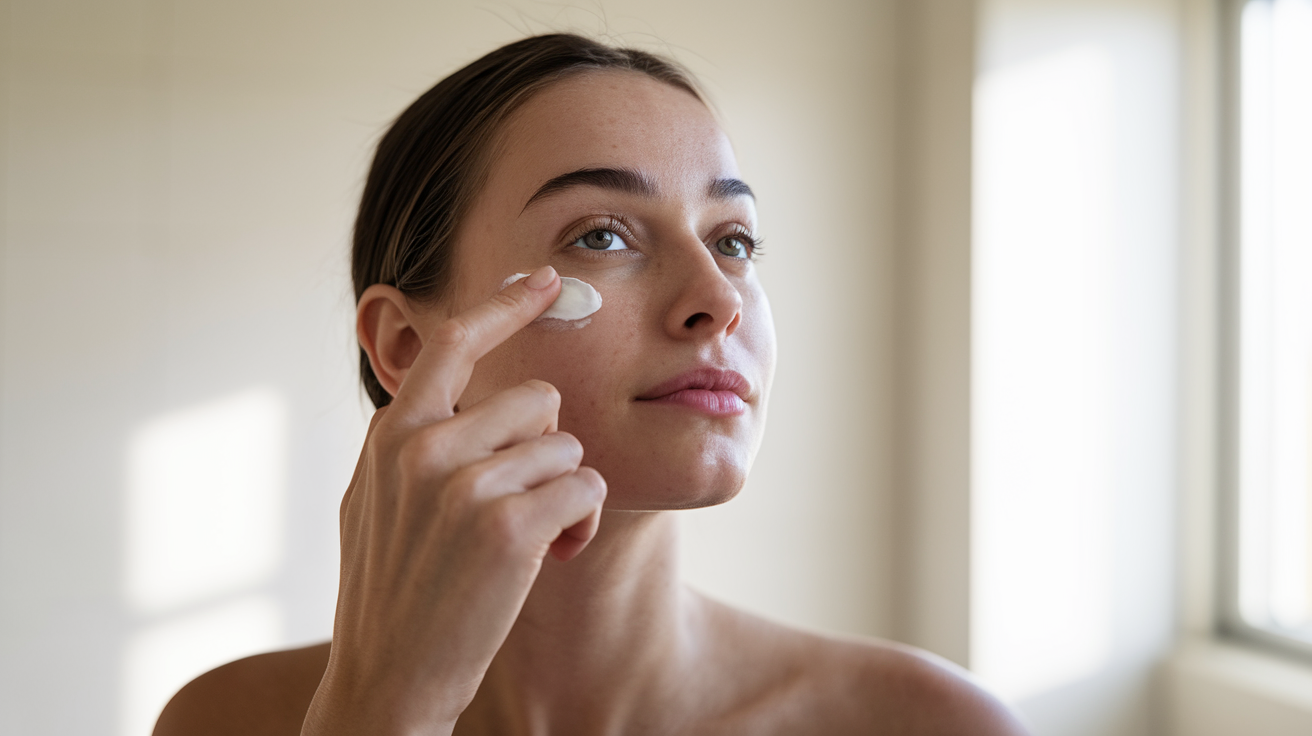
Have you ever stood in the eye care aisle wondering if you need a gel, a cream, or a serum for those lines showing up under your eyes? You're not alone. The texture of your eye product matters more than most people realize, especially when you're trying to address fine lines, puffiness, dark circles, or that crepey look that makeup seems to settle into by midday.
Choosing the wrong texture can leave your under-eye area looking shinier, feeling heavier, or not getting the support it needs. The right one can help your skin look smoother and less tired. Let's break down how gels, creams, and serums actually differ and which texture might work best for your specific under-eye concerns.
Understanding Eye Product Textures: Gel, Cream, and Serum Explained
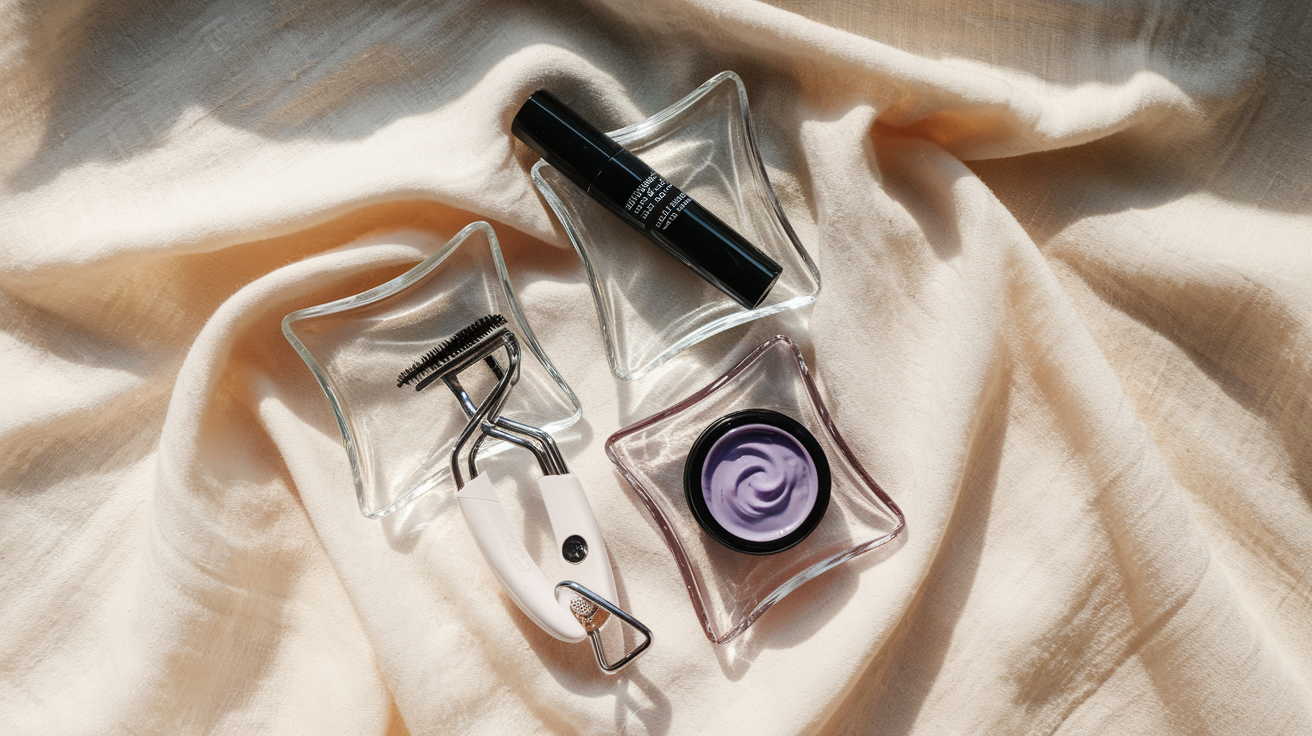
Eye gels are lightweight and water-based. They absorb quickly and leave almost no residue. They're typically clear or translucent and feel cool when applied. Because they're mostly water, they don't add much weight to the delicate under-eye area.
Eye creams are thicker and often contain oils, butters, or emollients. They sit on the skin longer before absorbing and create a protective layer. Creams tend to feel richer and are usually opaque. They're designed to deliver moisture over time and prevent water loss from the skin.
Eye serums are concentrated formulas with smaller molecules. They're thinner than creams but more targeted than gels. Serums often contain higher percentages of active ingredients like peptides, antioxidants, or brightening agents. They're designed to penetrate quickly and deliver specific benefits.
Each texture serves a different purpose. Your choice depends on your skin type, the specific concern you're addressing, and how your under-eye area behaves throughout the day.
Lightweight Gel Eye Treatments: Best for Puffiness and Oily Skin
If you wake up with puffy under-eyes or your skin gets shiny by noon, a gel formula might be your best match. Gels don't add oil or weight, which makes them ideal for people with combination or oily skin.
Gel textures also work well if you layer makeup over your eye area. They absorb fast and don't interfere with concealer. You won't get that slippery feeling or see your makeup sliding around an hour after application.
Many gels contain caffeine or cooling ingredients that temporarily tighten the look of the under-eye area. This can help reduce the appearance of morning puffiness. Gels are also less likely to cause milia, those tiny white bumps that sometimes form when heavier products sit on thin skin.
However, gels alone might not provide enough hydration if your under-eye area feels tight or looks crepey. They're excellent for refreshing tired-looking eyes, but they don't create the same barrier that dry skin often needs.
Tired of seeing under-eye lines before you see yourself?
If the tiny creases under your eyes make you look more tired than you feel, this guide shows the simple under-eye routine that helps soften the look of dry lines, crepey texture, and tired skin without guessing or wasting weeks on random products.
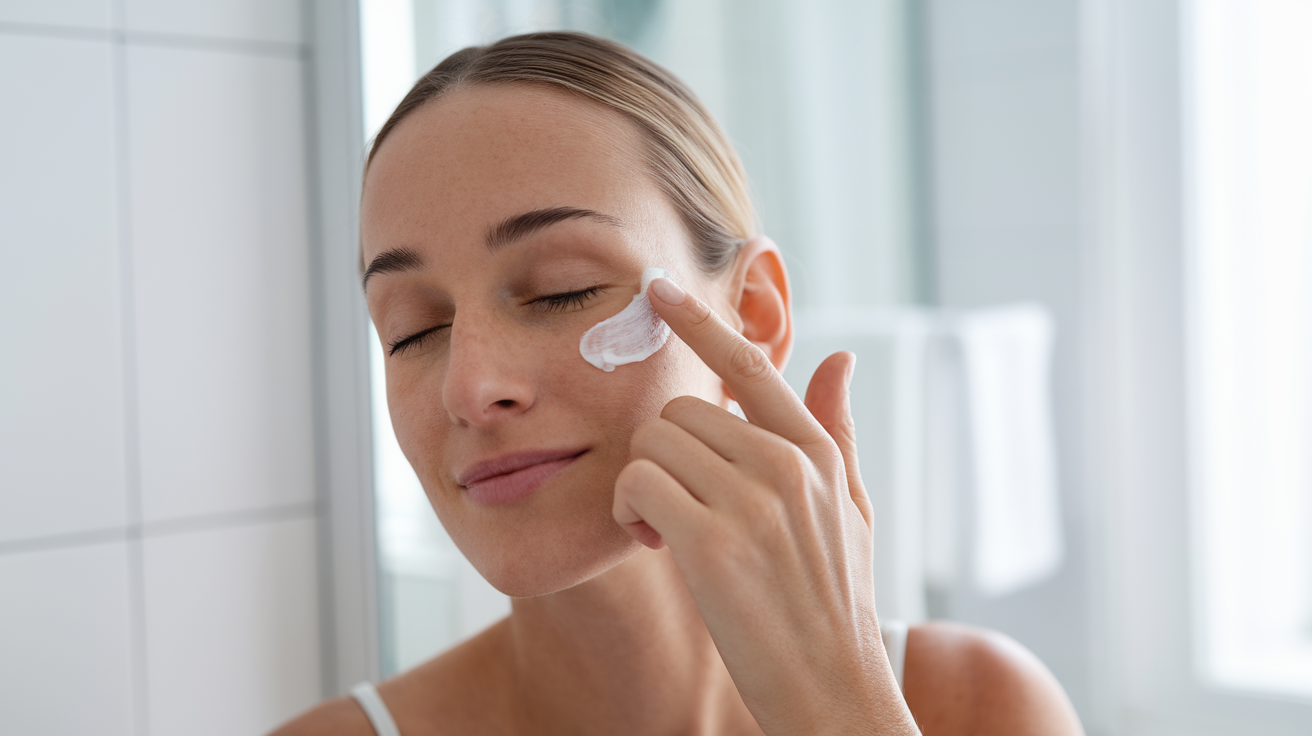
Rich Cream Formulas: Deep Hydration for Crepey and Dry Under Eyes
When your under-eye skin looks crepey or feels tight, a rich cream formula can help soften that texture. Creams are designed to lock in moisture and create a smooth surface that makeup glides over instead of settling into lines.
Look for creams with ingredients like ceramides, shea butter, squalane, or hyaluronic acid. These help support the skin barrier and keep moisture from evaporating. If your fine lines look more noticeable by the end of the day, dehydration is often the cause, and a nourishing cream can make a visible difference.
Creams work especially well at night. While you sleep, the thicker texture has time to absorb fully without interfering with your routine. You'll often wake up with under-eyes that look plumper and smoother.
The downside? If you have oily or combination skin, a heavy cream might feel too rich. It can also make concealer slip or look greasy under certain lighting. In that case, save the cream for nighttime and use a lighter texture during the day.
If you're still figuring out which products work best for your routine, check out this affiliate one to help you build a targeted plan.
Potent Eye Serums: Targeted Treatment for Fine Lines and Dark Circles
Eye serums are the most concentrated option. They're ideal when you want to address a specific concern like fine lines, dark circles, or uneven texture. Because serums have smaller molecules, they can deliver active ingredients deeper into the skin.
Serums often contain peptides, which support collagen production, or antioxidants like vitamin C, which can help brighten the under-eye area over time. Retinol-based serums are also available for those looking to reduce the appearance of fine lines, though they should be introduced slowly and used with care around the eyes.
One of the biggest advantages of serums is that they layer well. You can apply a serum first, let it absorb, then follow with a cream or gel depending on your skin's needs. This gives you flexibility to customize your routine.
Serums are also a good choice if you want results-focused skincare without heavy texture. They won't weigh down your under-eye area or interfere with other products.
That said, serums alone might not provide enough moisture for very dry skin. They're best used as part of a routine, not as a standalone product. If you're layering multiple products, apply serum first, then follow with a cream to seal everything in.
For a complete breakdown of how to layer your eye products and which ingredients to look for, this affiliate one walks you through each step.
Which Texture Is Right for You?
Here's a quick summary to help you decide:
Choose a gel if you have oily or combination skin, struggle with puffiness, or want a lightweight option that works under makeup.
Choose a cream if your under-eye area feels dry, looks crepey, or if fine lines become more visible as the day goes on. Creams are especially helpful at night.
Choose a serum if you want targeted treatment for fine lines, dark circles, or texture. Serums work best when layered with another product for hydration.
You can also mix textures depending on the time of day. Many people use a serum in the morning under a light gel, then apply a richer cream at night. There's no one-size-fits-all answer, and your under-eye area might need different support in different seasons or stages of life.
The most important thing is to pay attention to how your skin responds. If your under-eyes look smoother and feel comfortable, you've found the right texture. If they feel tight, look shiny, or seem more lined by the afternoon, it's time to try something else.