Disclosure: This post contains affiliate links. We may earn a commission at no extra cost to you.
Eye Cream Before or After Moisturizer: The Right Order for Maximum Results
Have you ever stood in front of your bathroom mirror, eye cream in one hand and moisturizer in the other, wondering which one goes first? You're not alone. This simple question trips up even the most dedicated skincare enthusiasts, and getting the order wrong can mean your expensive eye cream isn't working as well as it could.
The short answer: Eye cream goes before moisturizer in most cases. But as with everything in skincare, the full picture is a bit more nuanced. Let's break down exactly why layering order matters and how to get it right every single time.
Why Skincare Layering Order Matters for the Eye Area
The skin around your eyes is thinner and more delicate than anywhere else on your face. It's also one of the first areas to show visible signs of aging like fine lines, dark circles, and a tired appearance.
When you apply products in the wrong order, you create barriers that prevent active ingredients from reaching the skin. Think of it like trying to water a plant through a plastic sheet. The water just sits on top instead of soaking in where it's needed.
Eye creams are formulated specifically for this delicate area. They're typically lighter in texture and contain targeted ingredients that help reduce the appearance of puffiness, soften the look of dark circles, and support smoother-looking skin. But if you apply a thick moisturizer first, you're essentially blocking those carefully chosen ingredients from doing their job.
The general rule in skincare is to layer from thinnest to thickest consistency. This allows each product to absorb properly before the next one goes on. Most eye creams have a lighter, more fluid texture than face moisturizers, which is why they should go on first.
The Science Behind Product Absorption and Molecular Weight
Here's where it gets interesting. Skincare ingredients have different molecular sizes, and smaller molecules penetrate the skin more easily than larger ones.
Eye creams often contain smaller molecules like peptides, caffeine, and vitamin C derivatives that need direct contact with your skin to work effectively. If you apply a heavier moisturizer first, those larger molecules create a film on your skin that makes it harder for the smaller active ingredients in your eye cream to penetrate.
This is why the affiliate one focuses on proper layering as a foundation for better-looking skin around the eyes.
Tired of seeing under-eye lines before you see yourself?
If the tiny creases under your eyes make you look more tired than you feel, this guide shows the simple under-eye routine that helps soften the look of dry lines, crepey texture, and tired skin without guessing or wasting weeks on random products.
Another factor is occlusion. Moisturizers, especially richer ones, create an occlusive layer that seals in hydration. This is great for locking in all the good stuff you've already applied, but it also means anything you put on afterward won't absorb as well.
Water content also plays a role. Products with higher water content should go on before those with higher oil content. Most eye creams fall somewhere in the middle, lighter than a rich night cream but more emollient than a watery serum.
Step-by-Step: Correct Eye Cream Application Sequence
Now that you understand the why, here's exactly how to layer your products for the most effective routine:
Step 1: Cleanse your face thoroughly. Start with clean, dry skin. Pat your face gently with a clean towel, leaving it slightly damp but not dripping wet.
Step 2: Apply any toners or essences. These water-based products go on first because they're the thinnest in consistency.
Step 3: Apply serums. If you use a face serum, apply it now. Use a separate eye serum if you have one, applying it only to the orbital bone area.
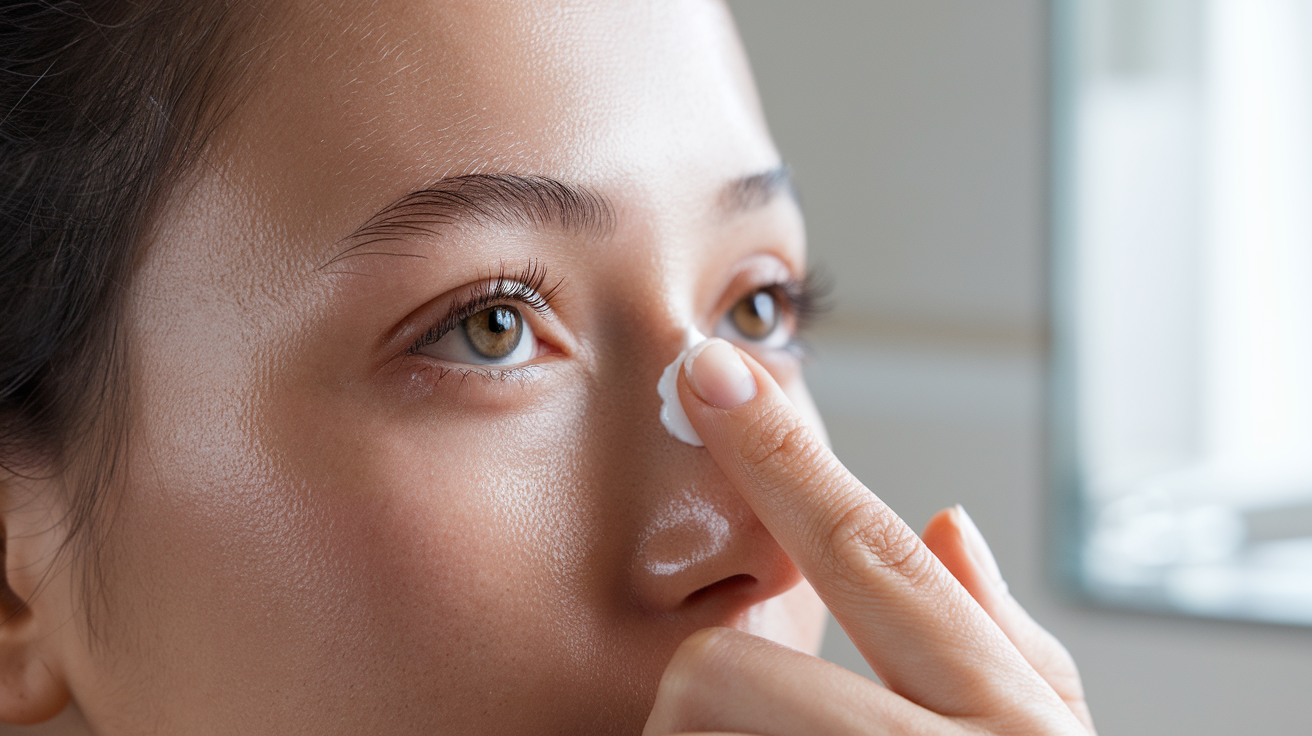
Step 4: Apply eye cream. Take a rice-grain-sized amount of eye cream and gently pat it around the orbital bone using your ring finger. Start from the inner corner and work outward. Never rub or pull the delicate skin. Stay on the bone, not directly on the eyelid or too close to the lash line.
Step 5: Wait 30-60 seconds. Give your eye cream a moment to absorb before moving to the next step. You don't need to wait forever, just long enough that it's no longer sitting wet on your skin.
Step 6: Apply face moisturizer. Now apply your regular moisturizer to the rest of your face. You can carefully blend it up to where your eye cream ends, but there's no need to layer moisturizer directly over the eye cream. The eye area has already been treated.
Step 7: Apply SPF during the day. Sunscreen always goes last in your morning routine. Be gentle around the eyes and make sure to protect this delicate area from UV damage.
One important note: If you're using a treatment product like retinol, it typically goes after cleansing and before your eye cream, unless it's an eye-specific retinol product. In that case, apply it to the eye area before your regular eye cream.
Common Layering Mistakes That Reduce Eye Cream Effectiveness
Applying eye cream over makeup or sunscreen. Some people try to refresh their under-eye area throughout the day by adding more eye cream. But if you're putting it over makeup or sunscreen, it's just sitting on top and won't absorb. If you need a midday refresh, use a hydrating eye mist instead.
Using too much product. More isn't better with eye cream. A pea-sized amount for both eyes is plenty. Using too much can lead to the product pilling or migrating into your eyes, causing irritation and watery eyes that make you look more tired, not less.
Applying moisturizer first out of habit. Many people learned to apply moisturizer right after cleansing and just add eye cream whenever they remember. Breaking this habit and being intentional about your layering sequence can make a noticeable difference in how your products perform.
Not waiting between layers. Rushing through your routine and applying everything at once creates a slippery mess that prevents proper absorption. Even just 30 seconds between steps helps each product settle into the skin.
Mixing incompatible ingredients. Some active ingredients don't play well together. For example, if your eye cream contains retinol and your face serum contains vitamin C, applying them back-to-back can cause irritation. When in doubt, use actives at different times of day or consult the affiliate one for compatible layering strategies.
Applying products too close to the lash line. Eye cream should go on the orbital bone, not directly on the eyelid or right up against your lashes. Products naturally migrate with your body heat and blinking, so they'll reach where they need to go. Applying too close can lead to puffy eyes and irritation.
Using face moisturizer as eye cream. While this might seem like a money-saving hack, face moisturizers aren't formulated for the unique needs of the eye area. They can be too heavy, contain fragrances that irritate, or lack the specific ingredients that help reduce the appearance of dark circles and fine lines.
Getting your skincare layering right doesn't require a chemistry degree. It just takes a bit of knowledge about how products work and a consistent routine. Apply your eye cream before your moisturizer, give each layer a moment to absorb, and you'll be giving your products the best chance to support smoother, less tired-looking eyes over time.
The order really does matter. Your skin and your eye cream will thank you for getting it right.