Disclosure: This post contains affiliate links. We may earn a commission at no extra cost to you.
Eye Cream Before or After Moisturizer: The Right Order for Maximum Results
Are you applying your eye cream at the wrong time and wondering why you're not seeing smoother-looking skin around your eyes? The order in which you layer your skincare products can make a real difference in how well they work. If you've been slathering on eye cream whenever it feels right, you might be blocking its active ingredients from reaching the delicate skin where you need them most.
The truth is, skincare layering isn't just a trendy beauty rule. It's about giving each product the best chance to absorb and work effectively. When it comes to eye cream and moisturizer, the sequence matters more than you might think.

Why Application Order Matters for Eye Cream Effectiveness
Your skin can only absorb so much at once. When you layer products in the wrong order, you create barriers that prevent ingredients from penetrating where they need to go.
Think of your skin like a sponge. If you coat it with a thick, occlusive moisturizer first, anything you apply afterward just sits on top. Eye creams are formulated with specific molecular weights and textures designed to penetrate the thin, delicate skin around your eyes. But if there's already a layer of heavier cream blocking the way, those carefully chosen ingredients can't do their job.
The under-eye area is also different from the rest of your face. The skin there is thinner, has fewer oil glands, and shows signs of aging faster. That's why eye creams exist in the first place. They're formulated specifically for this unique area, often with lighter textures and targeted ingredients that address concerns like fine lines, puffiness, and dark circles.
When you apply products in the correct order, you allow each formula to absorb fully before adding the next layer. This means better absorption, better hydration, and a better chance of seeing smoother-looking, less tired-looking eyes over time.
The Correct Skincare Layering Sequence Explained
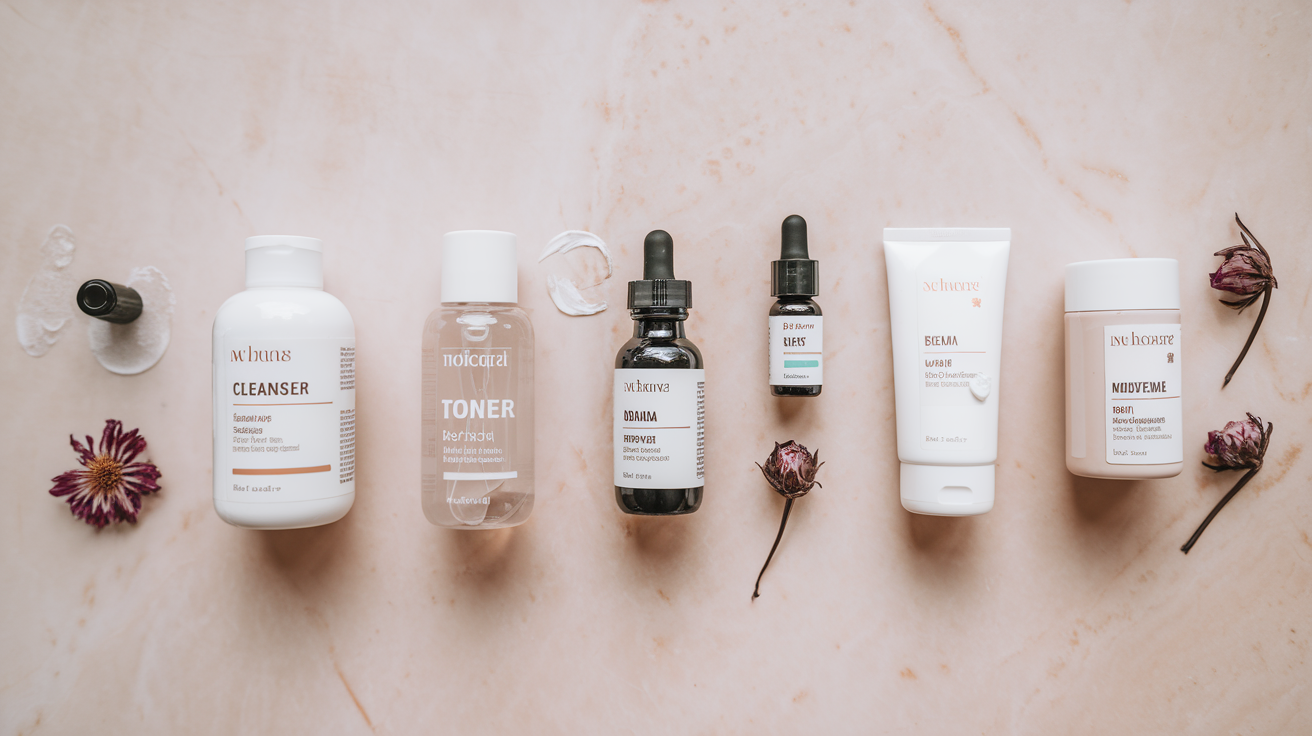
Skincare layering follows one simple rule: apply products from thinnest to thickest consistency. This allows lighter formulas to absorb first, followed by heavier ones that seal everything in.
Here's the basic order for a typical routine:
Cleanser removes dirt, oil, and makeup. Always start with clean skin.
Toner or essence preps your skin and adds a first layer of hydration. These are typically water-based and absorb quickly.
Serums come next. These are concentrated treatments with active ingredients like vitamin C, hyaluronic acid, or peptides. They have a lightweight consistency and are designed to penetrate deeply.
Eye cream should be applied after serums but before moisturizer. Most eye creams have a light to medium texture that's thicker than a serum but lighter than a face cream.
Moisturizer goes on after eye cream. This seals in all the layers underneath and provides a protective barrier.
Sunscreen is your final step in the morning. Nothing goes on top of SPF during the day.
If you're using a facial oil, it typically goes after moisturizer at night, or you can mix a drop into your moisturizer. Oils are occlusive and create a seal, so they should go last.
Tired of seeing under-eye lines before you see yourself?
If the tiny creases under your eyes make you look more tired than you feel, this guide shows the simple under-eye routine that helps soften the look of dry lines, crepey texture, and tired skin without guessing or wasting weeks on random products.
Some people wonder if they should apply eye cream or serum first. If you're using both, apply serum to your entire face including the eye area, let it absorb for a minute, then follow with eye cream. The serum provides lightweight active ingredients, and the eye cream adds targeted hydration and protection.
Step-by-Step Guide: When to Apply Eye Cream in Your Routine
Now that you understand the why, here's exactly how to apply eye cream in your routine for the best results.
Step 1: Cleanse your face thoroughly. Use a gentle cleanser that removes all traces of makeup, sunscreen, and daily buildup. Pat your skin dry with a clean towel.
Step 2: Apply toner if you use one. Pat it gently onto your face and let it absorb for 30 seconds. You can apply toner to the eye area or skip it there depending on your preference.
Step 3: Apply your serum. Use a pea-sized amount and press it gently into your skin. If you want to apply serum around your eyes, use your ring finger and tap very gently. This finger applies the least pressure.
Step 4: Wait a moment. Give your serum about a minute to absorb before moving to the next step. You don't need to wait long, just enough time for it to sink in.
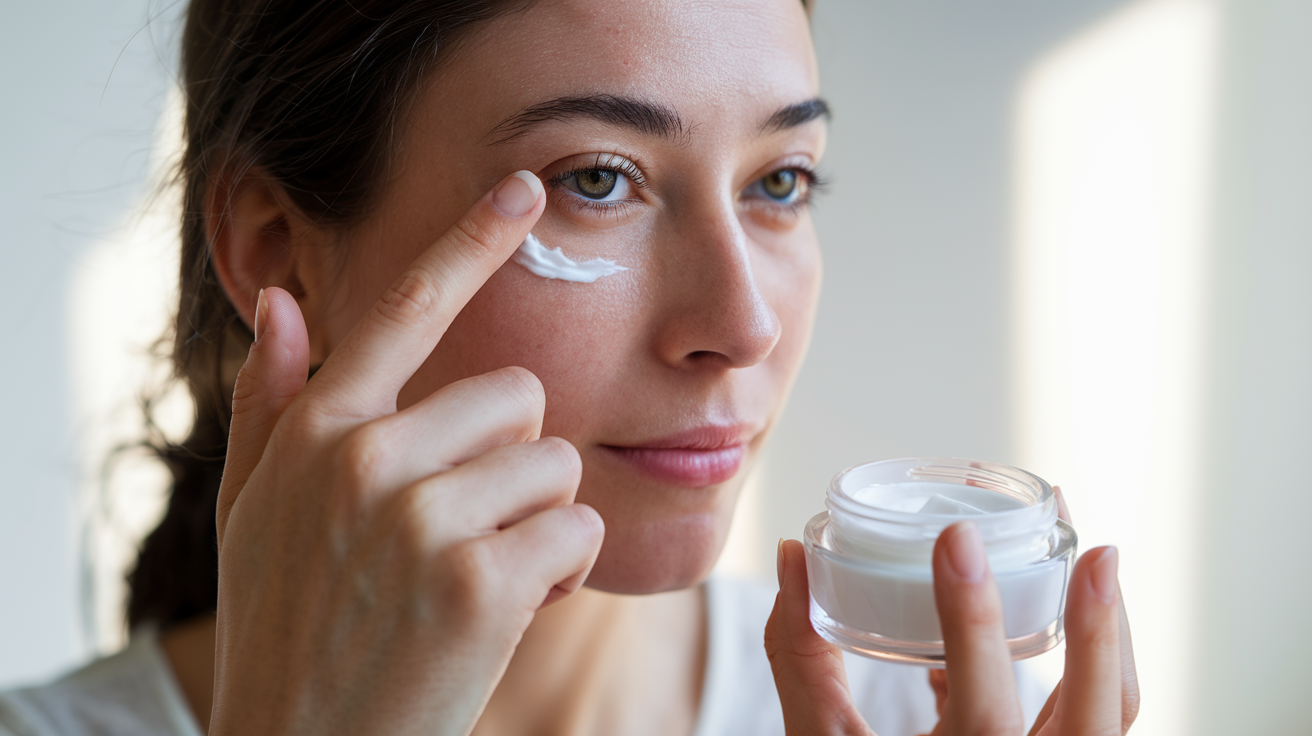
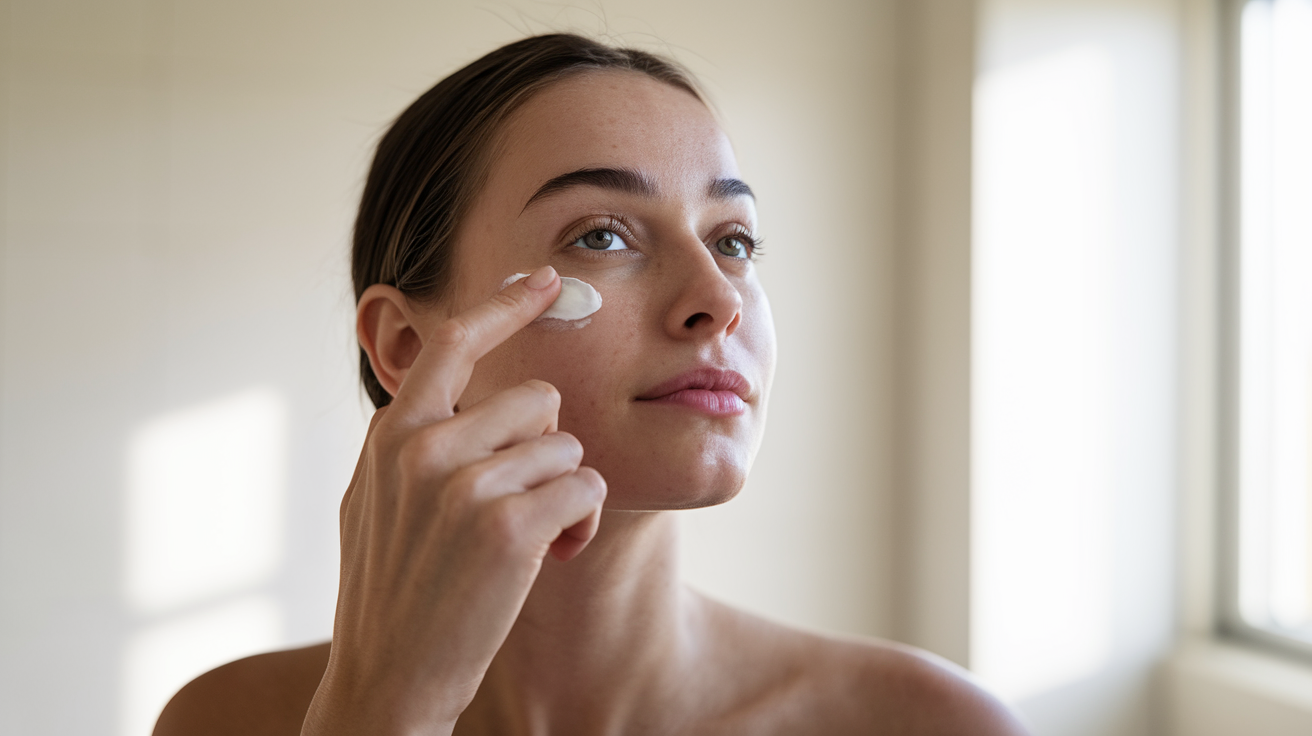
Step 5: Apply eye cream. Take a small amount, about the size of a grain of rice for both eyes. Dot it gently around your orbital bone, starting from the inner corner and moving outward. Avoid pulling or tugging at the skin. Pat gently until absorbed. If you want more guidance on creating an effective under-eye routine, check out this helpful affiliate one for specific product recommendations and techniques.
Step 6: Apply your facial moisturizer. Use your regular face cream on the rest of your face, avoiding the immediate eye area where you've already applied eye cream. You can bring your moisturizer up to the outer edges of your eye area if needed, but don't layer it directly on top of your eye cream.
Step 7: Finish with sunscreen in the morning. Apply SPF as your final step. Most sunscreens can be applied around the eyes, but if yours stings or irritates, look for a mineral formula or one labeled safe for the eye area.
At night, you can add a facial oil or occlusive balm after moisturizer if your skin needs extra nourishment. Just remember: eye cream always goes before moisturizer, never after.
Common Layering Mistakes That Reduce Eye Cream Benefits
Even when you know the right order, it's easy to make small mistakes that interfere with how well your products work. Here are the most common layering errors that can reduce eye cream effectiveness.
Applying moisturizer first, then remembering eye cream. This is probably the most common mistake. If you've already applied moisturizer, your eye cream won't penetrate as well. If you catch yourself doing this, it's better to apply the eye cream anyway than to skip it, but try to remember the correct order next time.
Using too much product. More isn't better when it comes to eye cream. Using too much can cause the product to migrate into your eyes, leading to irritation and puffiness. A rice-grain-sized amount for both eyes is genuinely enough.
Not waiting between layers. If you slap everything on at once, products can pill, slide around, or not absorb properly. Give each layer 30 seconds to a minute to sink in before adding the next one.
Rubbing instead of patting. The skin around your eyes is delicate. Rubbing or pulling can contribute to the appearance of fine lines over time. Always pat gently with your ring finger.
Skipping eye cream because you think moisturizer is enough. Regular face moisturizers aren't formulated for the unique needs of the eye area. They're often too heavy, can migrate into eyes, and don't contain the targeted ingredients that address under-eye concerns. If you want your eye area to look less tired and smoother, a dedicated eye cream is worth the extra step. For more detailed advice on building an effective routine, this affiliate one walks you through the process.
Applying eye cream only at night. Unless your eye cream is specifically labeled for nighttime use only, you should apply it twice daily: morning and night. Consistency matters more than any single application.
Layering incompatible actives. If you're using a retinol serum and a vitamin C eye cream, applying them at the same time can cause irritation. It's often better to use them at different times of day or on alternating days.
Getting your skincare layering right doesn't require complicated rituals or expensive tools. It just takes a little knowledge about product textures and absorption, plus the discipline to follow the correct sequence every day. When you apply eye cream after your serums but before your moisturizer, you give it the best environment to work effectively, helping your under-eye area look smoother, brighter, and less tired over time. Small changes in your routine can make a noticeable difference in how your skin looks and feels.