Disclosure: This post contains affiliate links. We may earn a commission at no extra cost to you.
Does Expensive Eye Cream Work Better? The Truth About Price and Results
You're standing in the skincare aisle, staring at two eye creams. One costs $15. The other costs $150. Both promise to help with fine lines and tired-looking eyes. So what's the real difference? Is the pricier jar actually ten times better, or are you just paying for fancier packaging?
The truth is more nuanced than you might expect. Price doesn't always predict performance, but it doesn't mean all eye creams are created equal either. Let's break down what you're actually paying for and how to choose an eye cream that fits your concerns without overspending or missing out on something that could genuinely help.
What Actually Makes Eye Cream Expensive
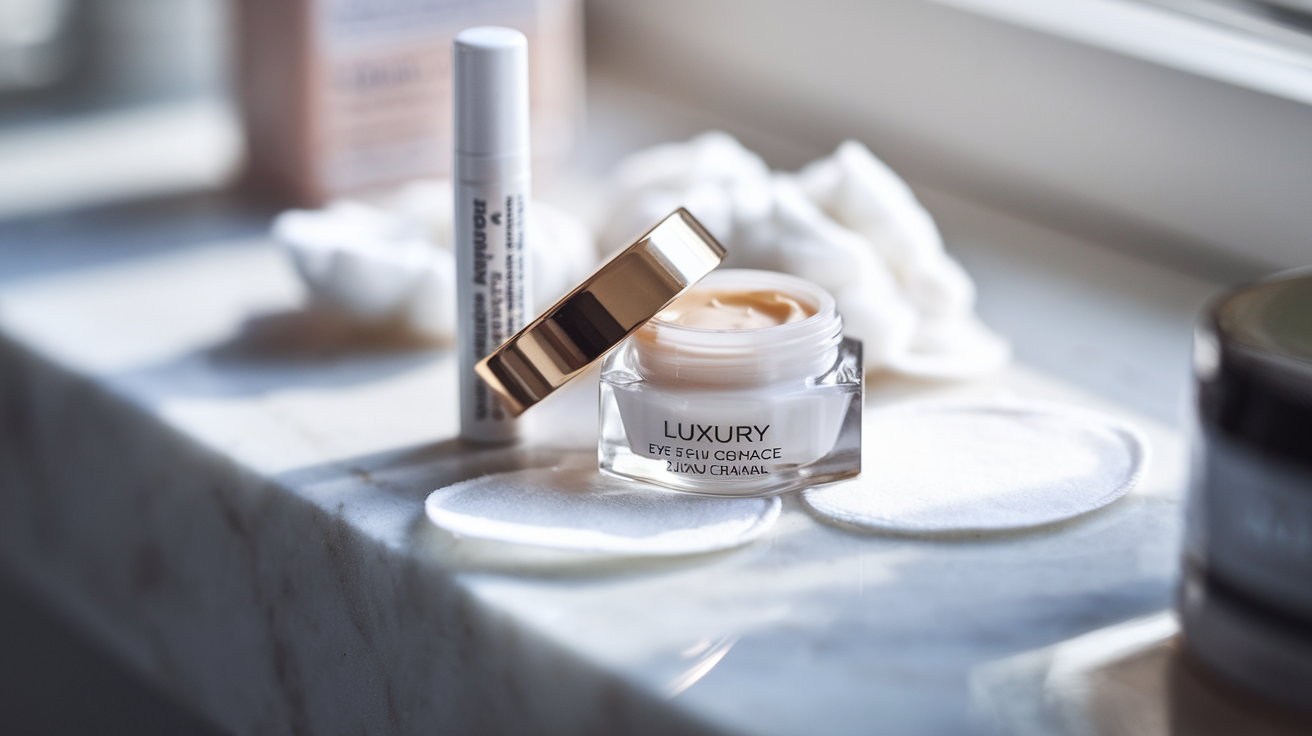
High-end eye creams aren't just marked up for fun. There are real factors that drive the price higher, though not all of them affect what happens on your skin.
Ingredient concentration matters. Some luxury formulas use higher percentages of active ingredients like peptides, retinol, or ceramides. A drugstore eye cream might list retinol on the label, but the concentration could be much lower than what's in a prestige brand. That said, not every expensive cream uses potent actives. Some lean heavily on moisturizers and fragrance.
Packaging plays a bigger role than you'd think. Airless pumps, UV-protective glass, and single-dose capsules keep ingredients stable longer. If you're using a retinol or vitamin C eye cream, packaging that blocks light and air can help those actives stay effective. But if the formula is mostly emollients and humectants, the fancy jar isn't doing much beyond looking pretty on your vanity.
Research and development costs add up. Some brands invest heavily in clinical trials, dermatologist testing, and proprietary ingredient blends. Others skip the science and spend big on marketing, influencer campaigns, and luxury retail placement. You're sometimes paying for the studies, sometimes just the hype.
Brand prestige inflates the price tag. A cream from a heritage luxury brand often costs more simply because of the name on the box. That doesn't mean it's bad, but it does mean you're paying a premium for brand cachet, not just what's inside the tube.
Tired of seeing under-eye lines before you see yourself?
If the tiny creases under your eyes make you look more tired than you feel, this guide shows the simple under-eye routine that helps soften the look of dry lines, crepey texture, and tired skin without guessing or wasting weeks on random products.
Budget-Friendly Eye Creams That Deliver Real Results
You don't need to spend a fortune to find an eye cream that works. Some affordable options use effective ingredients at concentrations that can genuinely help improve the look of under-eye skin.
CeraVe Eye Repair Cream is a solid choice if your main concern is dryness and crepey texture. It's packed with ceramides and hyaluronic acid, which help plump and smooth the look of dehydrated skin. It won't transform deep wrinkles, but it can make the area look less tired and more hydrated.
The Inkey List Caffeine Eye Cream works well for puffiness and temporary brightening. Caffeine helps constrict blood vessels, which can reduce the appearance of dark circles caused by fluid buildup. It's lightweight and absorbs quickly, making it a good option for morning application.
Neutrogena Rapid Wrinkle Repair Eye Cream contains retinol, one of the few ingredients with real evidence for helping reduce the appearance of fine lines over time. The formula is gentle enough for most people but still delivers a meaningful dose of the active. If you're new to retinol around the eyes, this is a budget-friendly way to start.
Olay Eyes Brightening Eye Cream combines niacinamide and peptides, both of which can help improve skin texture and tone. It's especially useful if you're dealing with dullness or uneven pigmentation around the eyes.
These products won't give you the luxury experience of a $200 jar, but they can deliver visible improvements if you use them consistently. For a deeper look at building an effective routine, check out this affiliate one that walks through the exact steps.

Luxury Eye Cream Ingredients: Worth the Splurge or Marketing Hype?
Some high-end eye creams do contain ingredients you won't easily find at the drugstore. But are they worth the extra cost?
Advanced peptides and growth factors are common in luxury formulas. These can help support the skin's natural repair processes and improve the appearance of firmness over time. Brands like SkinCeuticals and Alastin use proprietary peptide blends that have been studied in clinical settings. If you're looking for targeted anti-aging support, these might be worth considering, but results take months, not days.
Bakuchiol and plant-based retinol alternatives are trendy in high-end lines. They're gentler than traditional retinol, which can be helpful if your under-eye skin is sensitive. However, the evidence for their effectiveness isn't as strong. You might see some improvement in texture and tone, but they're not quite the same as retinol in terms of long-term wrinkle reduction.
Gold, platinum, and gemstone extracts sound luxurious but don't have much science backing them. These ingredients are more about the sensory experience and marketing appeal than actual skin benefits. If you love the ritual and the way a product feels, that's valid, but don't expect these to outperform a well-formulated drugstore option.
Stabilized vitamin C and ferulic acid can be worth the splurge if the formula is truly stable and high-concentration. Vitamin C helps brighten and even out skin tone, but it degrades quickly if not packaged properly. Luxury brands often invest in better stabilization technology, which can make a real difference in effectiveness.
Marine and botanical stem cells are another luxury staple. The research is still emerging, but some studies suggest they may help with hydration and the appearance of firmness. They're not miracle workers, but they're not total snake oil either.
How to Choose Eye Cream Based on Your Specific Concerns, Not Price
The best eye cream for you isn't the most expensive or the cheapest. It's the one that addresses what's actually happening with your under-eye skin.
If you're dealing with fine lines and crepey texture, look for retinol, peptides, or bakuchiol. These ingredients help encourage cell turnover and can improve the look of smoothness over time. Start with a lower concentration if you're new to retinol, and apply it at night.
If dryness is your main issue, prioritize hydration. Ingredients like hyaluronic acid, glycerin, squalane, and ceramides help draw moisture into the skin and lock it in. A rich, emollient texture works well here, especially if you're applying it before bed.
If puffiness shows up in the morning, caffeine-based formulas can help temporarily tighten and de-puff. Keep your eye cream in the fridge for an extra cooling effect. Rollerball applicators can also help with lymphatic drainage, though the ingredient inside matters more than the applicator itself.
If dark circles are your concern, it depends on the cause. If they're from thin skin showing blood vessels, look for ingredients like vitamin K and arnica. If they're from pigmentation, try niacinamide or vitamin C. If they're from shadows caused by volume loss, no topical cream will fix that, but a hydrating formula can help the area look less hollow.
If you want prevention, a basic moisturizing eye cream with SPF during the day and a retinol formula at night is a solid strategy. Sun damage is one of the biggest contributors to premature aging around the eyes, so daily SPF is non-negotiable.
For a step-by-step breakdown of how to layer these products and when to use each type, this affiliate one can help you build a routine that actually makes sense for your skin.
The bottom line? Expensive eye creams can work well, but so can budget options. What matters most is choosing ingredients that match your specific concerns, using them consistently, and managing your expectations. No cream, at any price, will erase wrinkles overnight. But the right formula, used over time, can help your under-eye area look smoother, brighter, and less tired.