Disclosure: This post contains affiliate links. We may earn a commission at no extra cost to you.
Can You Use Regular Moisturizer on Your Under Eyes? The Truth About Eye Cream
Published August 18, 2026
Have you ever stood in the skincare aisle wondering if you really need a separate product for your under eyes, or if that's just marketing? You're not alone. Eye cream is often dismissed as an unnecessary luxury, but there's more to the story than you might think. The truth sits somewhere between the sales pitch and the skeptics—and knowing the difference could change how your under eye skin looks and feels.
Why the Eye Area Needs Special Treatment
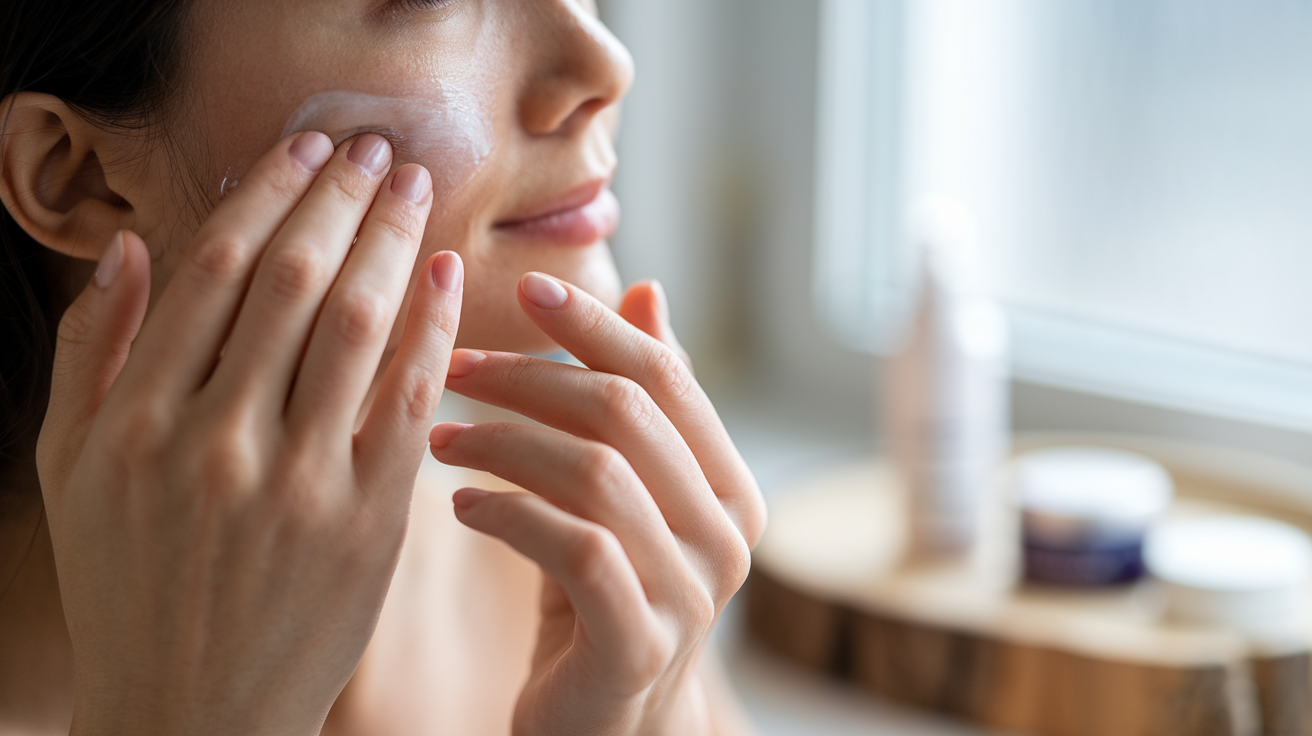
The skin beneath your eyes isn't just thinner—it's structurally different. It contains fewer oil glands, less collagen, and almost no fatty tissue to cushion it. This makes it more vulnerable to dryness, movement from blinking and facial expressions, and visible signs of aging.
Because this skin is so delicate, it can react differently to ingredients that work perfectly fine elsewhere on your face. Heavy occlusives might cause puffiness. Strong actives can lead to irritation or watering eyes. Even fragrance that doesn't bother your cheeks can sting when it migrates into your eyes overnight.
This area also loses moisture faster than the rest of your face. Without enough sebaceous glands to keep it naturally lubricated, it's prone to crepey texture and fine dehydration lines that settle in quickly—especially if you're using mattifying or oil-control products on your full face.
Key Differences Between Eye Cream and Face Moisturizer
Eye creams are typically formulated with gentler ingredients at lower concentrations. They're designed to hydrate without overwhelming the thin skin or causing milia, those tiny white bumps that can form when pores get clogged.
Most face moisturizers contain more emollients and occlusives to address the needs of thicker facial skin. They might include higher percentages of actives like retinol, acids, or brightening agents—ingredients that can work beautifully on your cheeks but feel too strong around your eyes.
Texture matters too. Eye creams tend to be lighter and absorb quickly to prevent product from sliding into your eyes or interfering with makeup. Face creams, especially richer night creams, are often thicker and designed to sit on the skin longer.
Another key difference is the ingredient focus. Eye products often target concerns specific to that area—like caffeine for temporary puffiness reduction, peptides for smoother-looking skin, or light-reflecting particles to brighten tired-looking eyes. Your affiliate one can help you identify which ingredients work best for your specific under eye texture and concerns.
Tired of seeing under-eye lines before you see yourself?
If the tiny creases under your eyes make you look more tired than you feel, this guide shows the simple under-eye routine that helps soften the look of dry lines, crepey texture, and tired skin without guessing or wasting weeks on random products.
When Face Moisturizer Might Actually Work for Eyes
If your face moisturizer is gentle, fragrance-free, and formulated for sensitive skin, it might work just fine around your eyes. Many dermatologists use their regular moisturizer on the entire face, including the eye area, without issue.
The key is knowing what to avoid. Skip anything with high concentrations of actives, essential oils, denatured alcohol, or strong fragrances. If your moisturizer stings, burns, or makes your eyes water when applied near them, it's not suitable for that area.
Simple hydrating formulas with ingredients like hyaluronic acid, glycerin, ceramides, and squalane can work across your entire face. If your main concern is basic hydration and you're not dealing with puffiness, dark circles, or significant fine lines, a gentle face cream might be enough.
That said, if you're experiencing specific under eye concerns that your regular moisturizer isn't addressing, a targeted eye product could make a visible difference. It's not about needing every product on the shelf—it's about using what actually helps your skin look and feel better.
How to Choose the Right Product for Your Under Eye Concerns
Start by identifying your primary concern. If you're dealing with dryness and fine dehydration lines, look for rich hydrating ingredients like hyaluronic acid, peptides, and nourishing oils. These help plump the skin with moisture for a smoother appearance.
For temporary puffiness, especially in the morning, caffeine-based formulas can help. Apply them gently without tugging, and store them in the fridge for an extra cooling effect.
If dark circles are your main issue, understand that not all circles are created equal. Blue or purple tones respond better to products with brightening ingredients like vitamin C or niacinamide. Brown pigmentation might benefit from gentle retinol or vitamin K formulas—but always patch test first.
When adding actives like retinol to the eye area, start with formulas specifically designed for that delicate skin. Apply only once or twice a week at first, and watch for irritation. The goal is consistent gentle treatment, not aggressive application.
Your affiliate one offers a step-by-step breakdown of which product types work best for different under eye textures and how to layer them without overwhelming the skin.
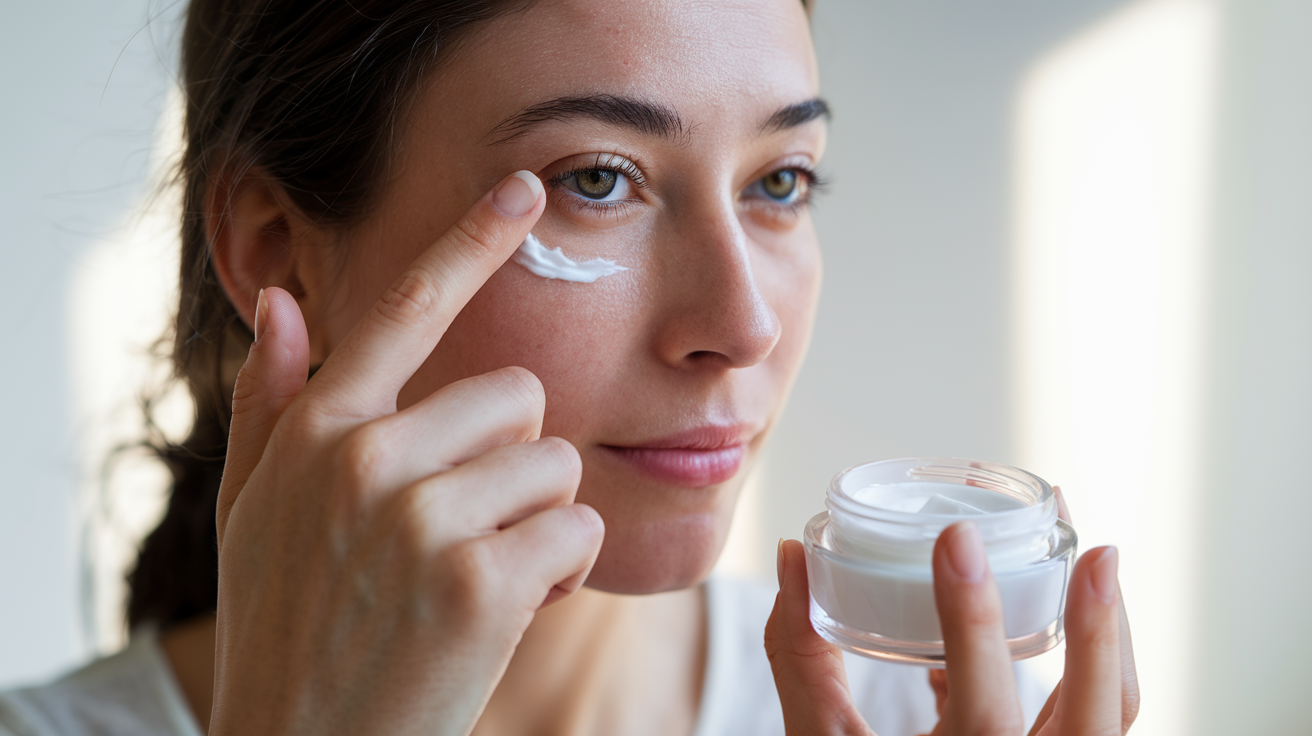
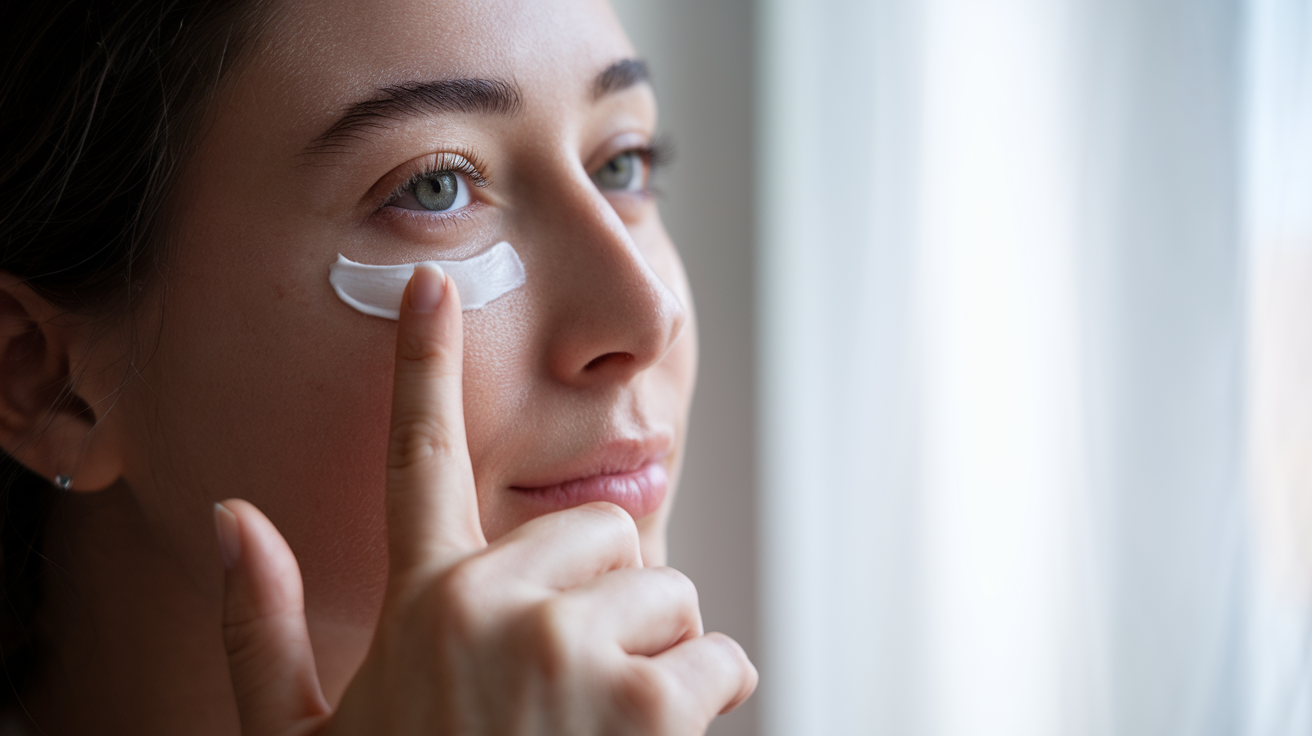
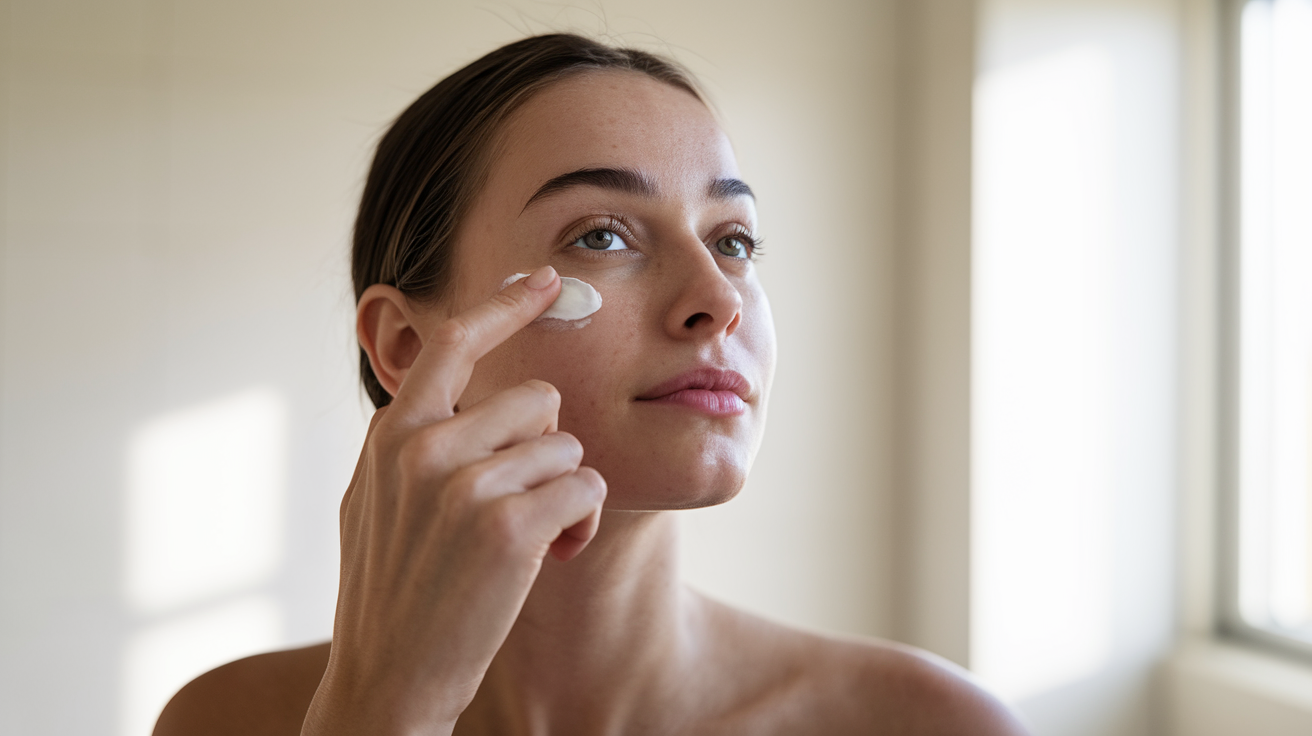
Application technique matters as much as product choice. Use your ring finger to gently press product into the skin—never rub or pull. Start at the inner corner and move outward, staying on the orbital bone rather than directly on the lid.
Give any new product at least four to six weeks before deciding if it's working. Under eye skin turns over slowly, and visible improvements in texture and hydration take consistent use.
The bottom line? You don't need eye cream just because skincare companies say so. But if your face moisturizer isn't addressing your under eye concerns, or if it's too strong for that delicate area, a targeted product could be worth adding to your routine. Pay attention to how your skin responds, choose gentle formulas, and focus on consistent hydration. That's what makes the real difference in how tired or smooth your under eye area looks over time.