Disclosure: This post contains affiliate links. We may earn a commission at no extra cost to you.
Can You Use Regular Moisturizer on Your Under Eye Area? The Truth Revealed
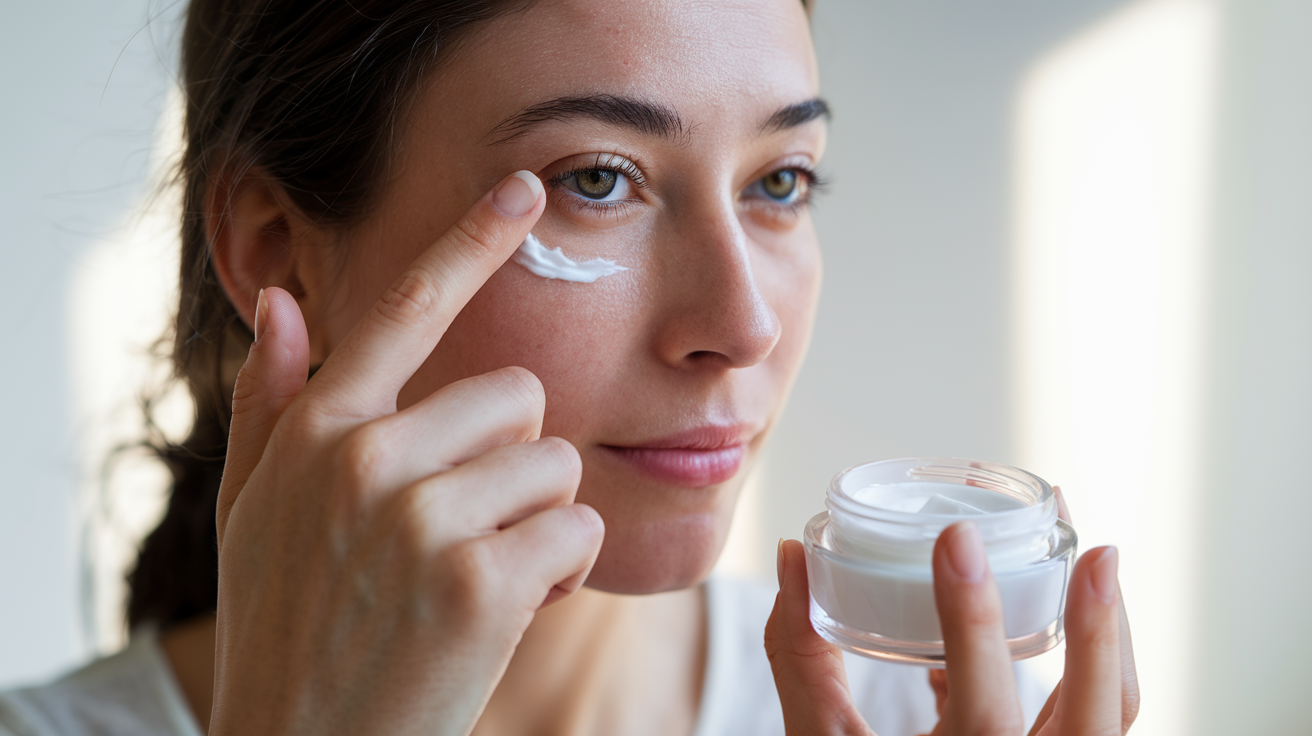
You're standing at the bathroom sink, fresh out of the shower, and you pause before reaching for your expensive eye cream. Can't you just use your regular face moisturizer under your eyes instead? Would anyone really notice the difference?
It's a question that crosses the mind of anyone who's stared at a $60 jar of eye cream and wondered if skincare companies are just trying to sell us more products. The truth is more nuanced than a simple yes or no.
Why the Under Eye Area is Different From Your Face
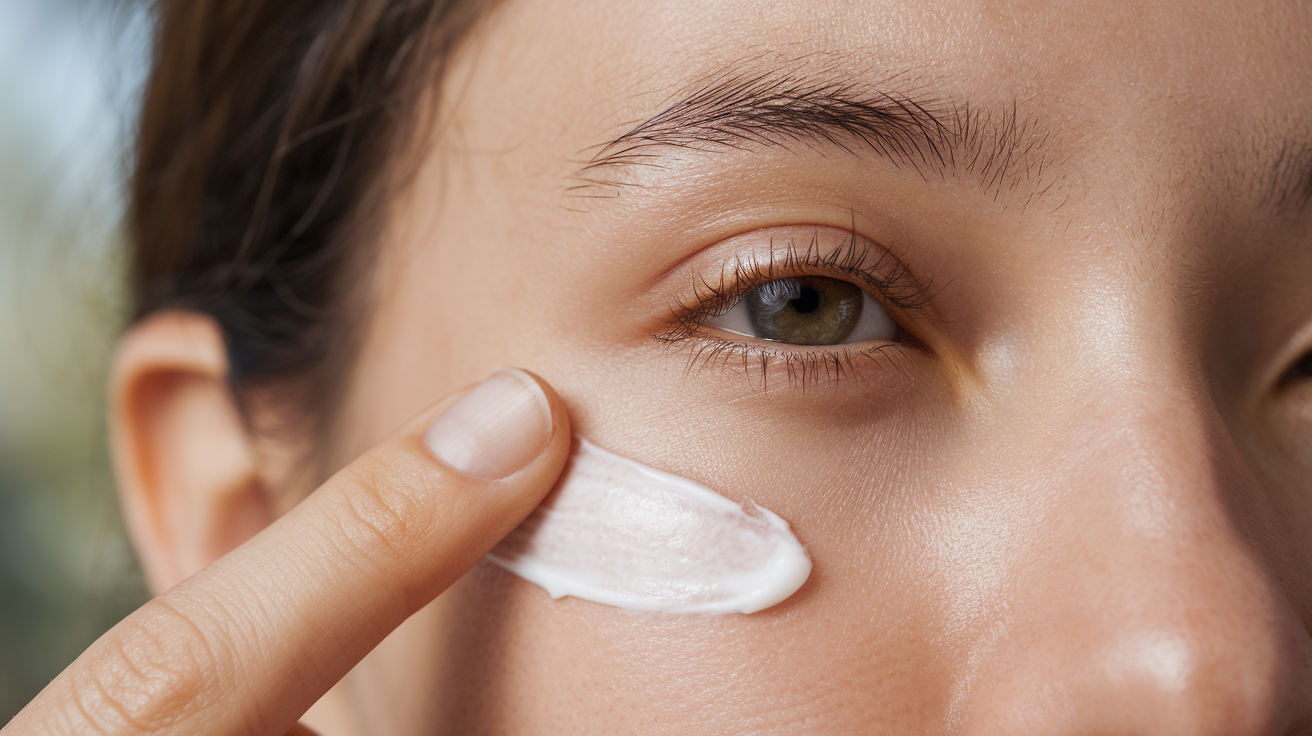
The skin beneath your eyes isn't just thinner than the rest of your face. It's dramatically thinner, about 0.5 millimeters compared to roughly 2 millimeters on your cheeks.
This tissue-paper-thin skin has fewer oil glands, which means it doesn't produce as much natural moisture. It also has less collagen and elastin support, making it more prone to developing fine lines and looking crepey over time.
Because this area moves constantly with every blink, smile, and squint, it experiences more repetitive motion than almost any other part of your face. You blink approximately 15,000 to 20,000 times per day, and all that movement happens in skin that's already delicate.
The under eye area also has a more fragile barrier function. That means irritants, fragrances, and active ingredients that your cheeks handle just fine might cause stinging, redness, or puffiness around your eyes.
Key Differences Between Eye Cream and Facial Moisturizer Formulas
Eye creams are typically formulated with gentler ingredients and skip the potentially irritating components that show up in face moisturizers. You won't usually find strong retinoids, high percentages of exfoliating acids, or heavy fragrances in eye products.
The texture matters too. Eye creams tend to be lighter and absorb more quickly because the skin in that area can't handle thick, occlusive layers as well. Heavy creams may migrate into your eyes throughout the day or cause morning puffiness.
Many eye creams include specific ingredients targeted at common under-eye concerns. Caffeine helps reduce the appearance of puffiness. Peptides support the look of firmer skin. Light-reflecting particles can brighten the appearance of dark circles.
Face moisturizers, on the other hand, are designed for your cheeks, forehead, and chin. These areas can tolerate stronger active ingredients, richer textures, and higher concentrations of anti-aging compounds. A affiliate one can help you understand which formulations work best for different facial zones.
Tired of seeing under-eye lines before you see yourself?
If the tiny creases under your eyes make you look more tired than you feel, this guide shows the simple under-eye routine that helps soften the look of dry lines, crepey texture, and tired skin without guessing or wasting weeks on random products.
When Facial Moisturizer Actually Works for Under Eyes
If you have a simple, fragrance-free facial moisturizer with a lightweight texture, you might be fine using it around your eyes, especially if you're younger and not dealing with specific concerns yet.
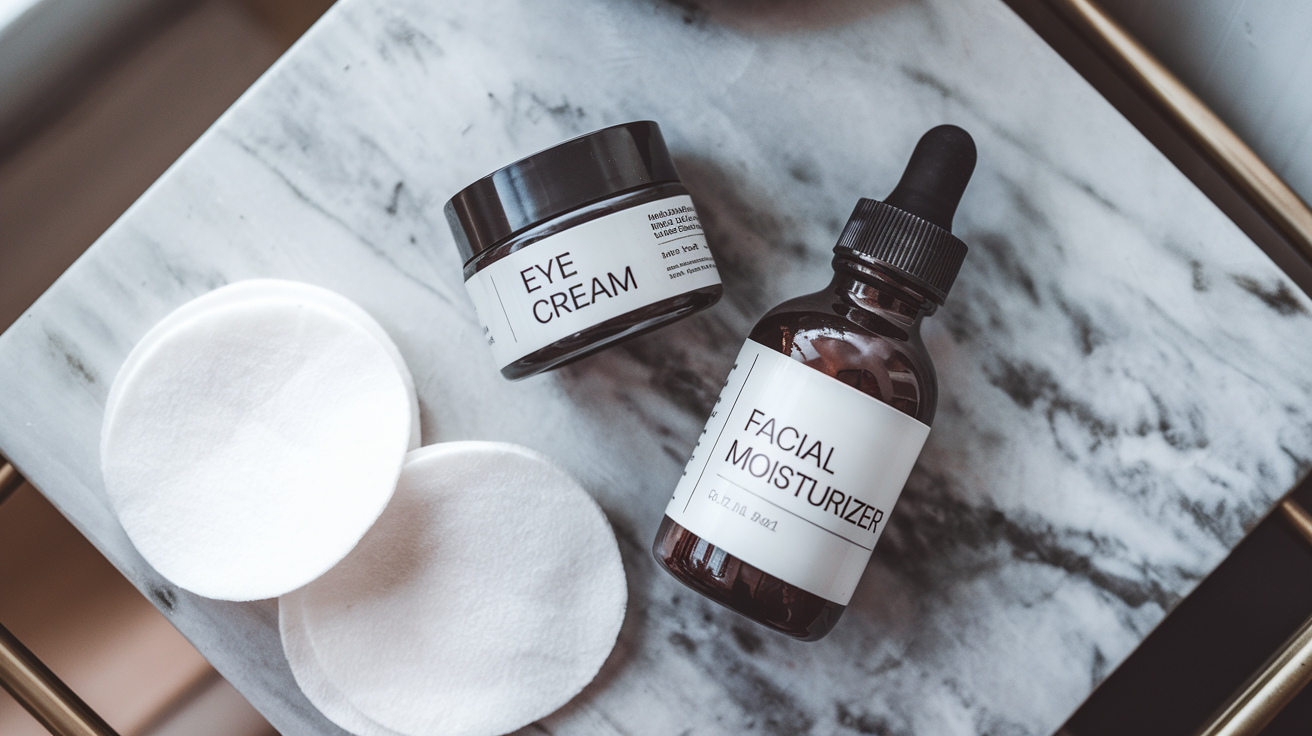
Look for moisturizers with gentle hydrating ingredients like hyaluronic acid, glycerin, ceramides, and squalane. These ingredients are safe for the eye area and can provide adequate moisture for some people.
Avoid using face creams that contain retinol, AHAs, BHAs, or strong vitamin C formulations near your eyes unless the product specifically states it's safe for that area. These active ingredients can cause irritation, watering, or sensitivity on thinner skin.
If your facial moisturizer contains fragrance, essential oils, or alcohol high on the ingredient list, keep it away from your under eyes. The delicate skin there reacts more easily to irritants.
People with very dry skin across their entire face sometimes find success using their regular moisturizer everywhere, including under the eyes. But if you notice stinging, redness, or increased puffiness after a few days, that's your sign to switch to a dedicated eye product.
The Best Eye Cream Alternatives That Won't Break the Bank
You don't need to spend a fortune on eye care. Some affordable options work just as well as luxury versions for keeping the under-eye area hydrated and smoother-looking.
Plain petroleum jelly is surprisingly effective for locking in moisture overnight. It won't deliver anti-aging actives, but it creates a protective barrier that prevents water loss while you sleep. Apply it over a light hydrating serum for better results.
Ceramide-rich moisturizers designed for sensitive skin often work beautifully around the eyes. Look for products labeled as hypoallergenic and fragrance-free. These formulas are gentle enough for delicate areas while still providing meaningful hydration.
Face oils can be a smart choice if you use them correctly. Squalane, rosehip, and marula oils are lightweight enough not to cause puffiness. Use just one small drop per eye and pat it gently onto the orbital bone, never pulling or tugging.
Hyaluronic acid serums are another budget-friendly option. They draw moisture into the skin and help plump the appearance of fine lines. Apply them to slightly damp skin, then seal with a light moisturizer.
If you want to explore targeted treatments for the under-eye area without trial and error, an affiliate one can walk you through ingredient combinations that complement each other.
The real answer to whether you can use regular moisturizer under your eyes depends on your skin, your moisturizer, and what you're hoping to achieve. If your face cream is gentle and fragrance-free, you might be perfectly fine. But if you're dealing with visible lines, puffiness, or crepey texture, a dedicated eye product with targeted ingredients will likely serve you better.
Listen to your skin. If it stings, swells, or looks more tired after using your face moisturizer near your eyes, that's valuable feedback. Your under-eye area is asking for something gentler.