Disclosure: This post contains affiliate links. We may earn a commission at no extra cost to you.
Can You Use Regular Face Moisturizer Under Your Eyes? The Truth About Eye Cream
You're standing in front of your bathroom mirror, moisturizer in hand, and you wonder: do I really need a separate product just for my under-eye area? It's a question that crosses every skincare lover's mind, especially when you're staring at a vanity full of half-used products. The short answer is a bit more nuanced than you might expect.
Some people can absolutely use their face moisturizer around their eyes without any issues. Others find that their regular cream causes puffiness, irritation, or just doesn't address the specific concerns they have in that delicate area. Understanding the real differences between eye cream and face moisturizer can help you decide what's actually worth the extra step in your routine.

Why the Eye Area Needs Special Attention
The skin around your eyes is fundamentally different from the rest of your face. It's about ten times thinner than the skin on your cheeks, which means it shows signs of aging earlier and reacts more quickly to products that are too heavy or too active.
This area also has fewer oil glands, which is why it tends to feel drier and can look crepey faster than other parts of your face. Add in constant movement from blinking, squinting, and facial expressions, and you've got a zone that's working overtime without much natural moisture backup.
Another reason the eye area deserves attention is that it's more prone to sensitivity. Ingredients that work beautifully on your forehead or chin might cause stinging or puffiness when applied too close to your eyes. That doesn't mean you need a dedicated eye cream, but it does mean you should be thoughtful about what you're putting there.
Key Differences Between Eye Cream and Face Moisturizer
Eye creams are typically formulated with gentler ingredients and a texture that absorbs quickly without migrating into the eye itself. They often skip potentially irritating actives like high-strength retinol or fragrance, which can cause redness or watering when used too close to the lash line.
Face moisturizers, on the other hand, are designed for thicker skin with more oil glands. They might contain richer emollients, stronger anti-aging actives, or occlusive ingredients that can feel too heavy under the eyes and lead to puffiness or milia (those tiny white bumps that can form when pores get clogged).
Eye creams also tend to focus on specific under-eye concerns like dark circles, puffiness, and fine lines. You'll find ingredients like caffeine to help reduce the appearance of puffiness, peptides to support smoother-looking skin, and light-reflecting particles to brighten the area visually.
That said, not all face moisturizers are created equal. A lightweight gel moisturizer with simple hydrating ingredients might work perfectly fine around your eyes, while a thick night cream loaded with actives might be too much.
Tired of seeing under-eye lines before you see yourself?
If the tiny creases under your eyes make you look more tired than you feel, this guide shows the simple under-eye routine that helps soften the look of dry lines, crepey texture, and tired skin without guessing or wasting weeks on random products.
When Face Moisturizer Can Work for Your Eye Area
If your face moisturizer is gentle, fragrance-free, and designed for sensitive skin, there's a good chance it'll work just fine under your eyes. Look for lightweight formulas with hydrating ingredients like hyaluronic acid, glycerin, or ceramides.

People with oily or combination skin often do well using their regular moisturizer around the eyes, especially if they're not dealing with specific concerns like dark circles or puffiness. A simple hydrating lotion can provide enough moisture without feeling heavy or causing congestion.
You can also use your face moisturizer as a base layer and add a targeted eye treatment on top if you want to address specific issues. For example, a hydrating serum all over followed by a caffeine-infused eye gel for puffiness gives you the best of both worlds.
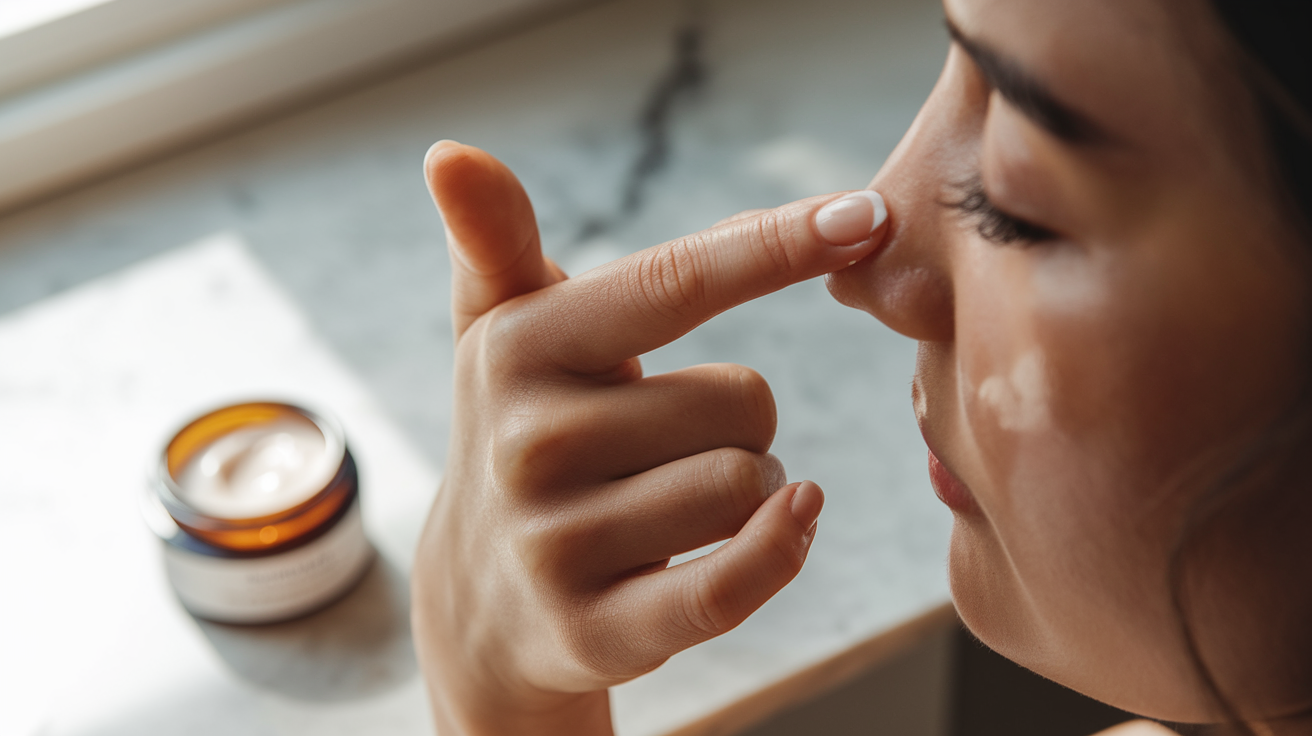
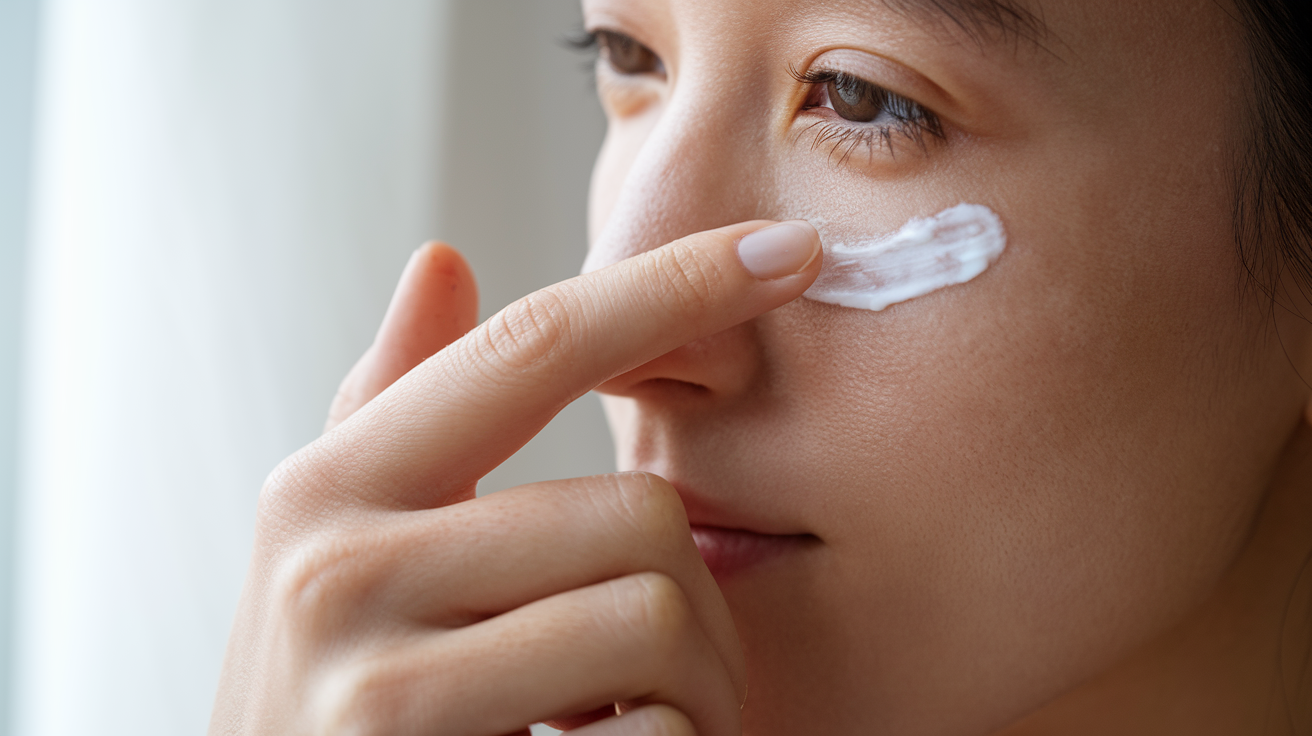
The key is to apply a small amount and pat it gently along the orbital bone, avoiding the immediate lash line where products can migrate and cause irritation. If your eyes feel comfortable, your skin looks smooth, and you're not waking up puffy, you're probably doing just fine without a separate eye cream.
For more guidance on building an effective under-eye routine, check out this affiliate one that walks you through the exact steps that work for different skin types and concerns.
Signs You Actually Need a Dedicated Eye Cream
If you're experiencing persistent puffiness in the morning, it might be a sign that your face moisturizer is too rich for the delicate eye area. Heavier creams can trap fluid and cause swelling, especially if you apply them right before bed.
Milia are another telltale sign that your current product isn't right for your under-eye area. These tiny white bumps form when pores get clogged with heavy ingredients, and they're more common around the eyes where skin is thinner and more prone to congestion.
If you're noticing dryness, fine lines, or crepey texture specifically under your eyes while the rest of your face feels fine, a targeted eye cream with peptides or nourishing oils might offer the extra support that area needs.
People dealing with visible dark circles often benefit from eye creams that contain brightening ingredients like vitamin C or niacinamide, which are formulated at gentler concentrations than you'd find in a typical face serum.
And if you've tried using your face moisturizer around your eyes and experienced stinging, redness, or watering, it's definitely time to switch to a product designed for that sensitive zone.
The truth is, there's no one-size-fits-all answer. Some people genuinely need a dedicated eye cream to address specific concerns and avoid irritation. Others can simplify their routine and use their face moisturizer everywhere without any issues. Pay attention to how your skin responds, and don't be afraid to experiment until you find what works for you.
If you're still unsure where to start or want a step-by-step approach to caring for the under-eye area, this affiliate one offers clear, practical advice tailored to different skin needs and concerns.