Disclosure: This post contains affiliate links. We may earn a commission at no extra cost to you.
Can You Use Regular Face Cream Under Your Eyes? The Truth About Eye Cream vs Face Cream
Have you ever stood in front of your skincare shelf, staring at your face cream, wondering if you really need a separate product for your eyes? You're not alone. The question of whether face cream can double as eye cream is one of the most common debates in anti-aging skincare. Some people swear by dedicated eye creams, while others think it's just another marketing ploy. So what's the truth?
The answer isn't as simple as yes or no. While some face creams can work under your eyes, others can cause irritation, puffiness, or even make fine lines look more noticeable. Understanding the differences between these formulations can help you make smarter choices for your skincare routine.
Key Differences Between Eye Cream and Face Cream Formulations
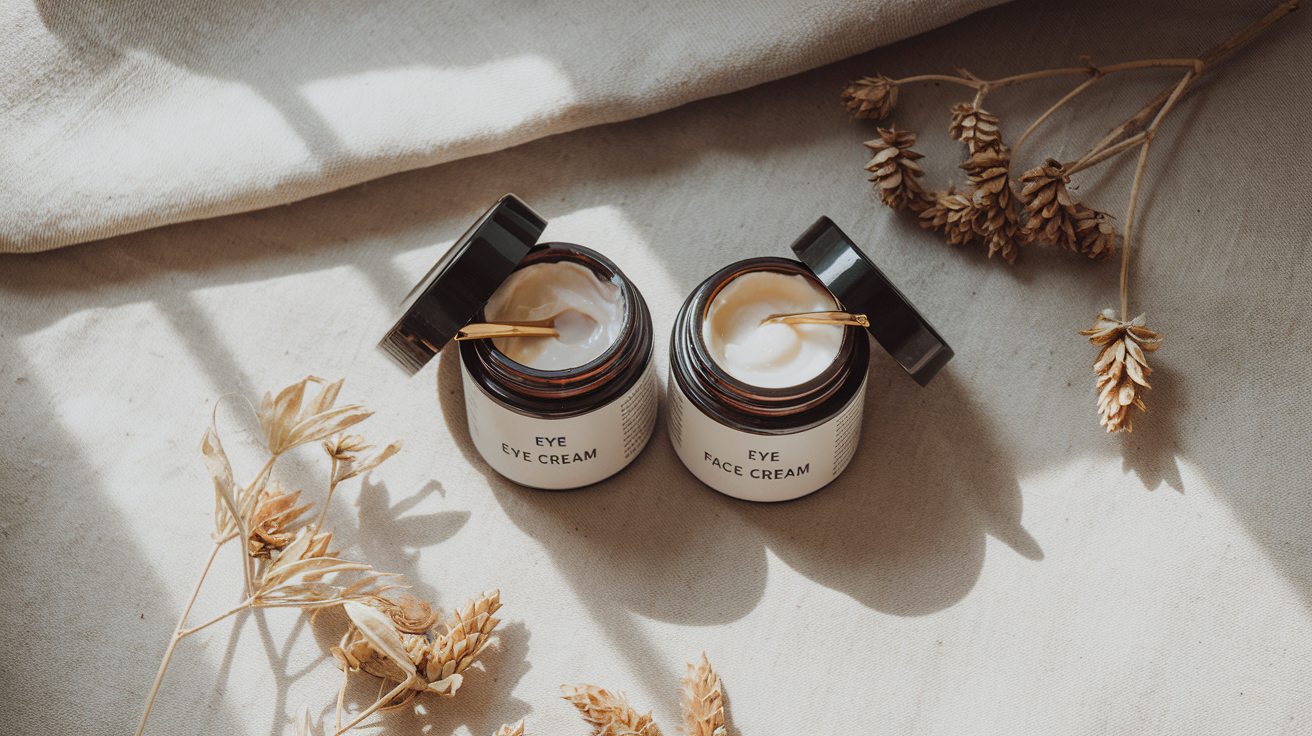
Eye creams and face creams are not the same product in a different jar. The formulations are designed for completely different skin types and needs.
The skin around your eyes is significantly thinner than the rest of your face. It's actually about 40% thinner and has fewer oil glands, which means it's more prone to dryness and shows signs of aging faster. Eye creams are formulated with this in mind.
Most eye creams have smaller molecular structures that absorb more gently into delicate skin. They typically avoid ingredients that might migrate into the eyes and cause irritation, like certain fragrances, essential oils, or high concentrations of retinol.
Face creams, on the other hand, are designed for the thicker, more resilient skin on your cheeks, forehead, and chin. They often contain higher concentrations of active ingredients like acids, retinoids, or brightening agents that can be too harsh for the eye area.
Texture matters too. Eye creams tend to be lighter and absorb quickly to prevent makeup from sliding or settling into fine lines. Many face creams are richer and heavier, which can cause puffiness or milia (those tiny white bumps) around the eyes.
Tired of seeing under-eye lines before you see yourself?
If the tiny creases under your eyes make you look more tired than you feel, this guide shows the simple under-eye routine that helps soften the look of dry lines, crepey texture, and tired skin without guessing or wasting weeks on random products.
Why the Under Eye Area Needs Special Treatment
Your under-eye skin is not just thinner. It's also in constant motion. Every blink, smile, and squint creates movement that contributes to the formation of fine lines and crepey texture over time.
Because this area has fewer sebaceous glands, it doesn't produce as much natural oil to keep itself hydrated. That's why dryness shows up here first, and why dehydration lines can appear even in your twenties.
The under-eye area is also more vulnerable to external stressors. UV exposure, lack of sleep, rubbing your eyes, and even how you apply makeup can all affect how this skin looks and feels.
Another factor is lymphatic drainage. The skin under your eyes is more prone to fluid retention, which is why puffiness happens. Using heavy or occlusive face creams can sometimes make this worse by trapping fluid instead of allowing it to move naturally.
Finally, the skin barrier here is more fragile. Ingredients that work beautifully on your cheeks might disrupt the delicate balance under your eyes, leading to redness, sensitivity, or even increased dryness.
When Face Cream Under Eyes Actually Works
Here's the thing: not all face creams are off-limits for your under-eye area. Some formulas are gentle enough and hydrating enough to work just fine.
If your face cream is fragrance-free, non-irritating, and designed for sensitive skin, it may be safe to use around your eyes. Look for simple, hydrating formulas with ingredients like hyaluronic acid, glycerin, ceramides, or squalane.
Avoid using face creams that contain high percentages of active exfoliants like AHAs, BHAs, or retinoids near your eyes unless they're specifically labeled as eye-safe. These can cause stinging, redness, and increased sensitivity.
If you have naturally resilient skin and don't experience irritation, you might be able to get away with using your regular face moisturizer under your eyes. But pay attention to how your skin responds. If you notice puffiness, milia, or a stinging sensation, it's a sign to switch to a dedicated eye product.
Some people also find success using their face cream on the upper eyelid or outer eye area, where the skin is slightly thicker, while reserving a gentler affiliate one for the delicate under-eye zone.
How to Choose the Right Product for Your Eye Area
Choosing the right eye product comes down to understanding your specific concerns and skin type.
If your main concern is dryness and fine lines, look for a hydrating eye cream with ingredients like peptides, hyaluronic acid, or niacinamide. These help plump the skin and support a smoother-looking texture.
For puffiness, consider a lightweight gel formula with caffeine or green tea extract. These ingredients help constrict blood vessels and reduce the appearance of swelling.
If you're dealing with dark circles, look for brightening ingredients like vitamin C, licorice root, or kojic acid. Keep in mind that dark circles can have multiple causes, including genetics, pigmentation, or visible blood vessels, so no single product works for everyone.
For crepey or mature skin, a richer cream with retinol, bakuchiol, or growth factors may help support firmer-looking skin over time. Just make sure the retinol is formulated for the eye area, as standard face retinol can be too strong.
And if you're still unsure where to start, an affiliate one can walk you through the best options based on your skin's unique needs.
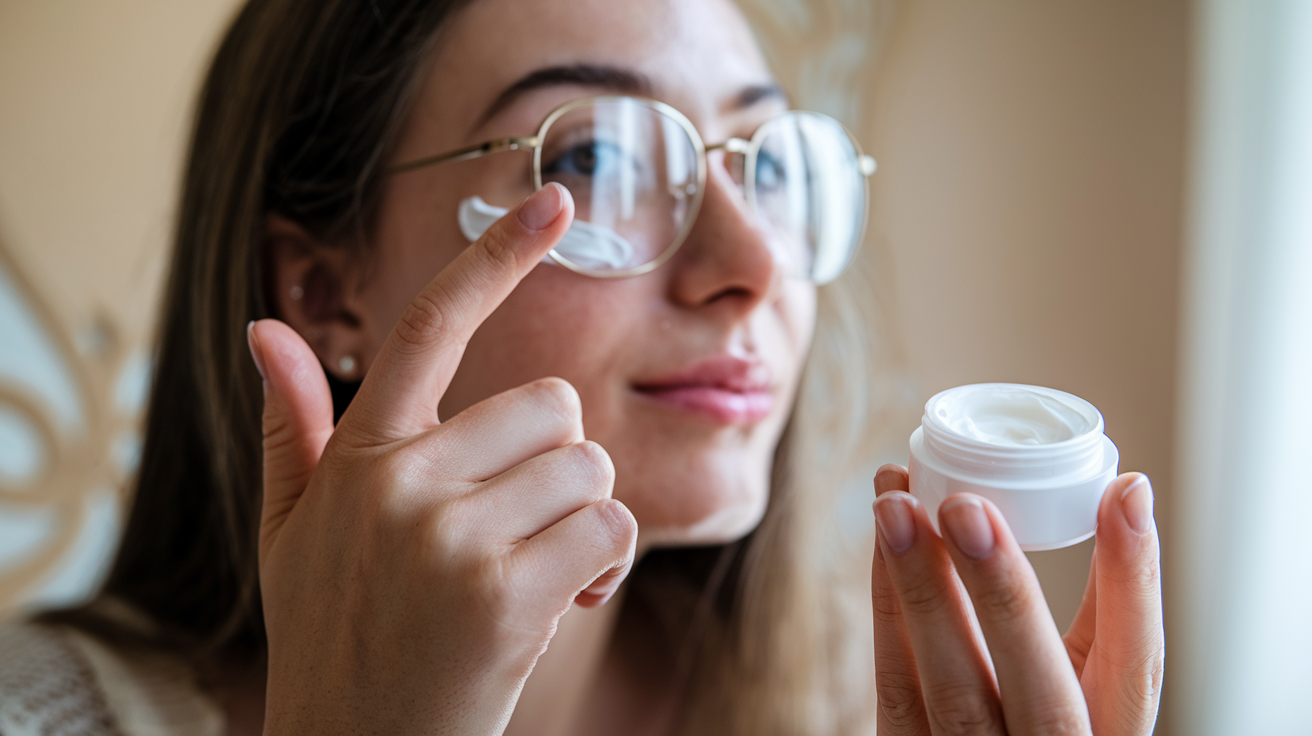
Application matters too. Always use your ring finger to gently pat product onto the orbital bone, not directly on the lash line. This prevents tugging and ensures the product absorbs where it's needed most.
Ultimately, whether you use a dedicated eye cream or a gentle face cream comes down to your skin's tolerance and your specific concerns. There's no one-size-fits-all answer, but understanding the differences can help you make the choice that keeps your under-eye area looking smooth, hydrated, and less tired.