Disclosure: This post contains affiliate links. We may earn a commission at no extra cost to you.
When to Apply Eye Cream in Your Skincare Routine: The Complete Guide
Ever wonder why your eye cream doesn't seem to be doing much, even though you use it every day? The problem might not be the product itself. It could be when you're applying it.
Timing matters more than most people realize. Apply your eye cream at the wrong step, and it may sit on top of other products without absorbing properly. Or worse, you might accidentally dilute it with oils and serums that create a barrier.
This guide walks you through exactly when to apply eye cream in both your morning and nighttime routines so the delicate skin around your eyes gets the support it needs.
Why Eye Cream Timing Matters for Maximum Results
The skin around your eyes is thinner than the rest of your face. It has fewer oil glands, less collagen, and it shows signs of aging faster. That's why eye creams are formulated differently than regular face moisturizers.
But here's the thing: even the best eye cream won't work well if it's applied at the wrong time.
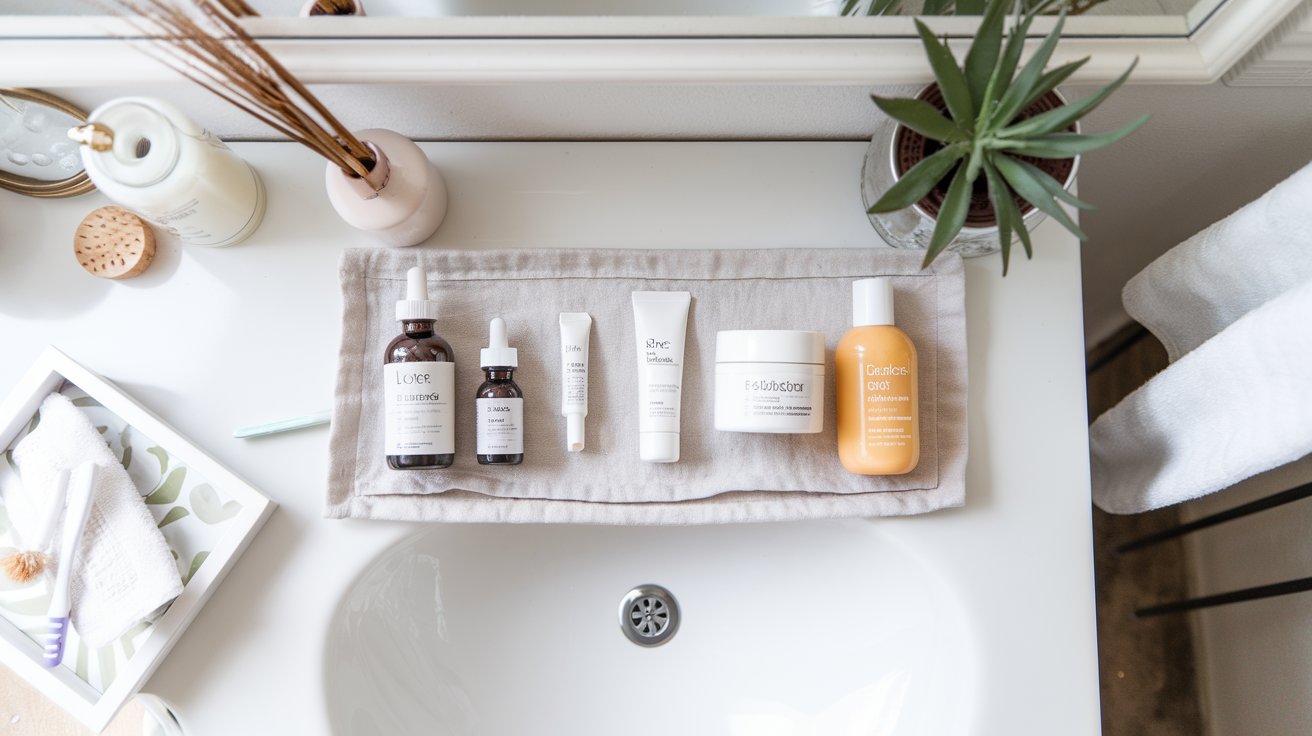
When you layer skincare, absorption depends on the order. Thicker products block thinner ones. Oils repel water-based serums. And if you apply eye cream too late in your routine, it might just sit on the surface instead of sinking in where it's needed.
The right timing helps active ingredients reach the skin. It also prevents pilling, that annoying rolled-up texture that happens when products don't layer well.
If you've been applying eye cream randomly or skipping it because it doesn't seem to work, the issue might be sequencing, not the formula.
The Correct Order: Where Eye Cream Fits in Your Morning Routine
Your morning skincare routine should protect your skin and prep it for the day. Here's the order that works best:
Step 1: Cleanser
Start with a gentle cleanser to remove oil and overnight buildup. Pat your face dry, but leave the skin slightly damp.
Step 2: Toner or essence
If you use a toner, apply it now. This preps your skin to absorb the next layers.
Step 3: Serum
Apply any targeted serums like vitamin C or hyaluronic acid. These are usually water-based and absorb quickly.
Step 4: Eye cream
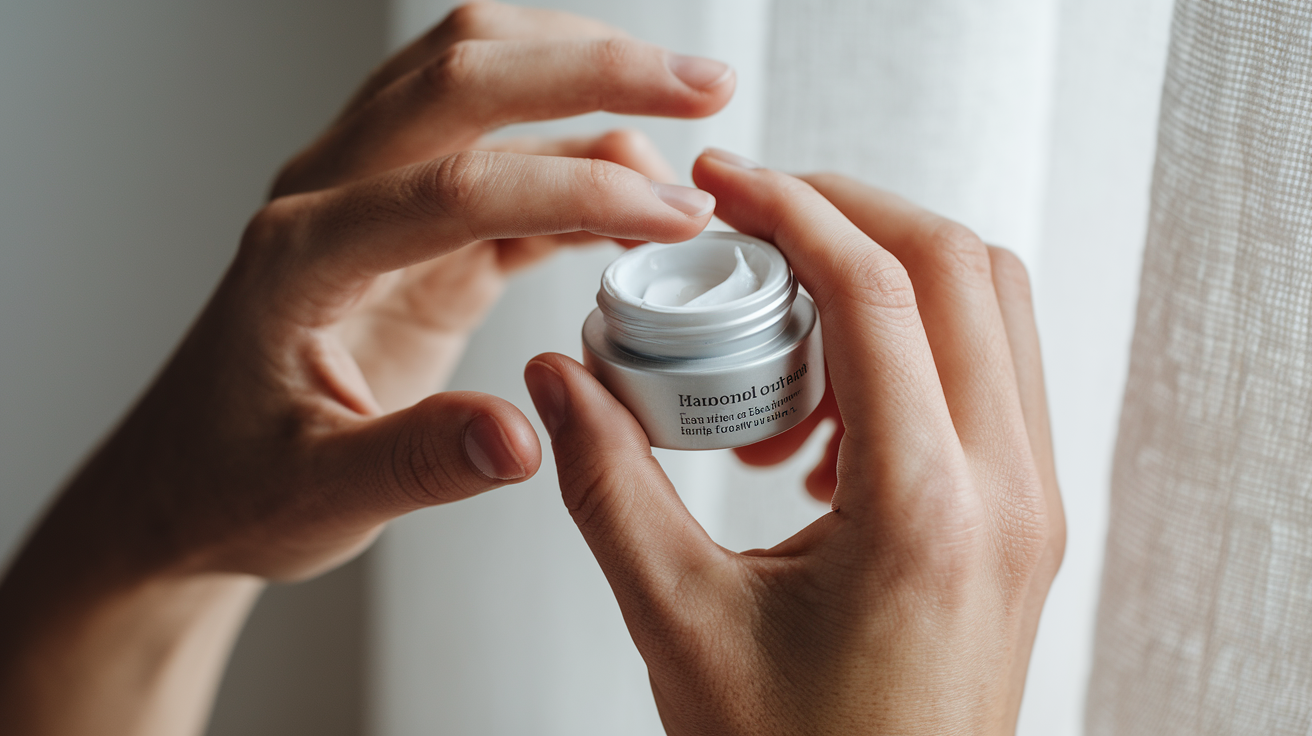
Now apply your eye cream. Use your ring finger and gently tap it along the orbital bone, starting from the inner corner and moving outward. Don't rub or pull the skin.
Eye cream goes on before moisturizer because it's usually lighter and more concentrated. Applying it early lets the active ingredients penetrate without sitting on top of heavier creams.
Step 5: Moisturizer
Follow with your regular face moisturizer. Avoid getting too close to the eye area since you've already treated it.
Step 6: SPF
Always finish with sunscreen. UV damage is one of the biggest causes of premature aging around the eyes.
If you're looking for a step-by-step breakdown of building a complete eye care routine, check out this affiliate one that covers everything from product types to application techniques.
Tired of seeing under-eye lines before you see yourself?
If the tiny creases under your eyes make you look more tired than you feel, this guide shows the simple under-eye routine that helps soften the look of dry lines, crepey texture, and tired skin without guessing or wasting weeks on random products.
Nighttime Skincare: When to Apply Eye Cream for Best Absorption
Your nighttime routine is different. At night, your skin repairs itself, so you want products that support that process without worrying about makeup or sun protection.
Here's the evening order:
Step 1: Double cleanse
Remove makeup and sunscreen with an oil-based cleanser or micellar water, then follow with a gentle face wash.
Step 2: Toner or essence
If you use one, apply it on damp skin.
Step 3: Treatment serums
This is when you'd use retinol, peptides, or other targeted treatments. Some people apply retinol around the eyes, but if you do, wait a few minutes before adding eye cream to avoid irritation.
Step 4: Eye cream
Apply your nighttime eye cream the same way as in the morning. Many night eye creams are richer, so a little goes a long way.
Step 5: Moisturizer or night cream
Finish with a heavier moisturizer or sleeping mask to lock everything in.
Step 6: Face oil (optional)
If you use a facial oil, it should go last. Oils create a barrier, so anything applied after won't absorb well.
Nighttime is when your skin is most receptive to active ingredients. Applying eye cream at the right step ensures those ingredients work while you sleep, supporting smoother-looking, less tired-looking skin over time.
Common Eye Cream Timing Mistakes That Reduce Effectiveness
Mistake 1: Applying eye cream after moisturizer
This is the most common error. If you put on a thick moisturizer first, the eye cream sits on top and can't absorb properly. Always apply eye cream before your face moisturizer.
Mistake 2: Using eye cream right after retinol without waiting
If you use retinol or tretinoin around your eyes, give it a few minutes to settle before layering eye cream. Otherwise, you risk pushing the retinoid too close to the lash line, which can cause irritation.
Mistake 3: Applying eye cream on completely dry skin
Damp skin absorbs products better. After cleansing or applying toner, don't wait too long before adding your eye cream. A little moisture helps it spread and sink in.
Mistake 4: Mixing eye cream with other products
Some people mix their eye cream with moisturizer or serum to save time. This dilutes the formula and reduces its effectiveness. Eye creams are designed to work at full strength.
Mistake 5: Skipping eye cream in the morning
You might think nighttime is enough, but morning application matters too. It helps protect the delicate eye area throughout the day, especially if your eye cream contains antioxidants or peptides.
Mistake 6: Using too much product
A pea-sized amount is enough for both eyes. Using more doesn't help. It can cause puffiness or milia, those tiny white bumps that form when skin gets overloaded.
If you've been making any of these mistakes, don't worry. Small adjustments can make a big difference. For more detailed guidance on layering products and choosing the right eye treatments, this affiliate one offers a complete roadmap.
Getting the timing right isn't complicated, but it does require a little attention to detail. Apply your eye cream after serums but before moisturizer, and you'll give the skin around your eyes the best chance to look smoother, softer, and less tired over time.
Consistency and correct layering are what make the difference, not just the product you choose.