Disclosure: This post contains affiliate links. We may earn a commission at no extra cost to you.
Eye Cream Before or After Moisturizer? The Order That Actually Works
Have you ever stared at your skincare shelf, eye cream in one hand and moisturizer in the other, wondering which one goes first? You're not alone. The question of eye cream before or after moisturizer confuses even devoted skincare enthusiasts, and applying them in the wrong order can affect how well they work on your delicate under-eye skin.

The answer isn't just about following rules. It's about understanding how ingredients absorb into the thin skin around your eyes and how layering products can either support or block that process. Getting the sequence right can help you make the most of what you're already using.
Why Application Order Matters for Eye Cream Effectiveness
The skin around your eyes is thinner than the rest of your face, which means products penetrate differently. When you layer skincare, each product creates a slight barrier that the next one has to work through.
Eye creams are typically formulated with targeted ingredients like peptides, ceramides, or antioxidants that work best when they can reach the skin without heavy occlusion. If you apply a rich moisturizer first, you're essentially asking your eye cream to push through a thicker layer before it even reaches the skin.
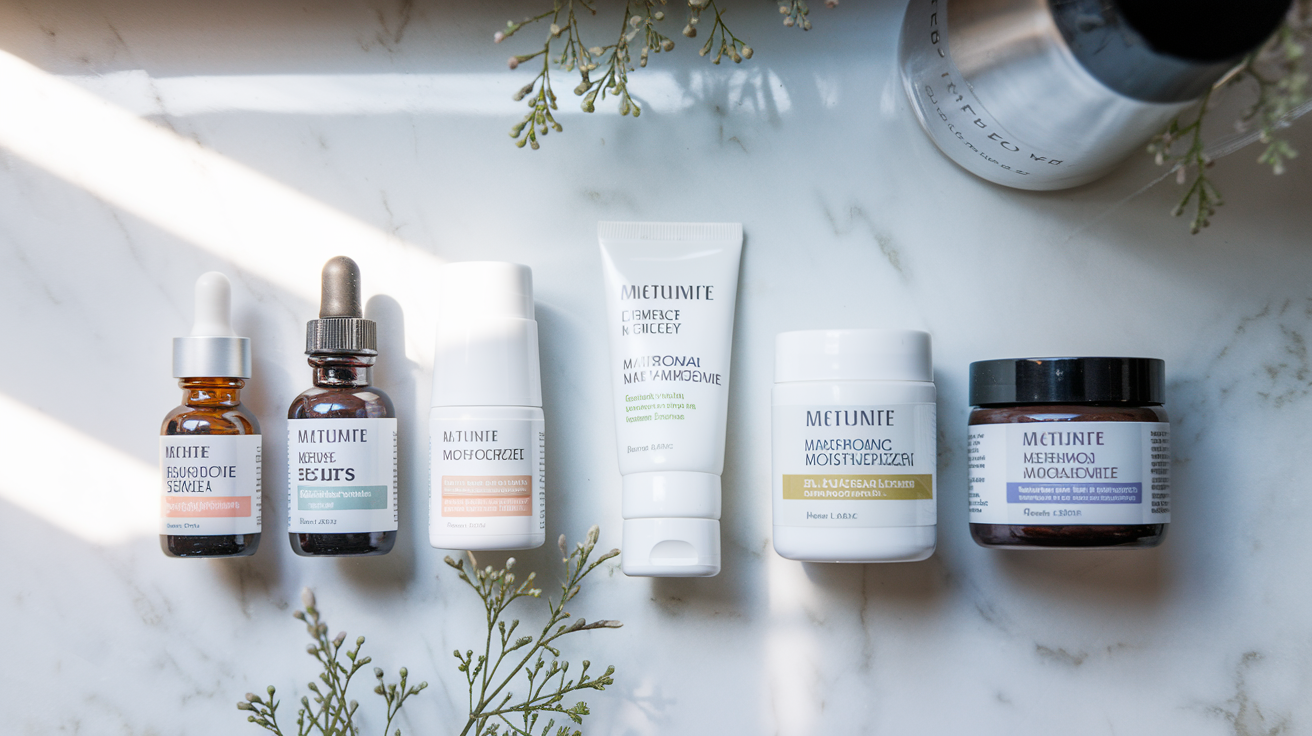
Think of it like this: lighter textures should touch your skin first, followed by heavier ones. This lets each product do its job without interference. Eye creams are usually lighter and more concentrated than face moisturizers, so they should go on earlier in your routine.
The affiliate one explains this concept in more detail, including how different formulas interact with the under-eye area.
The Correct Skincare Layering Sequence for Eye Area
Here's the order that works best for most people:
Step 1: Cleanser
Start with a gentle cleanser to remove makeup, oil, and debris. Pat your face dry, leaving skin slightly damp.
Step 2: Toner or Essence (if using)
Apply any water-based toners or essences to damp skin. These prep the skin and can help the next products absorb better.
Step 3: Serum (if using)
If you use a serum with active ingredients like vitamin C or hyaluronic acid, apply it now. Let it sink in for a minute before moving on.
Step 4: Eye Cream
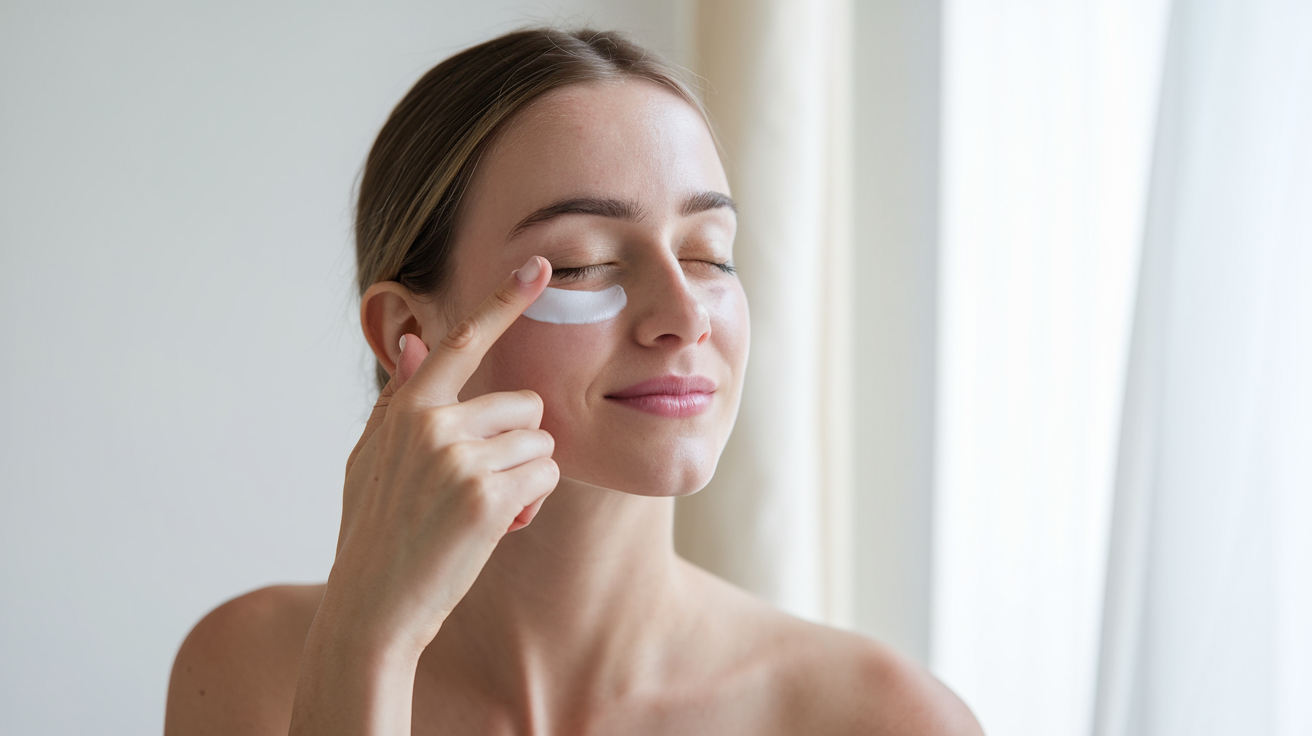
Now apply your eye cream. Use your ring finger to gently tap a small amount around the orbital bone, avoiding the lash line. Don't rub or pull the skin. Let it absorb for 30 seconds to a minute.
Tired of seeing under-eye lines before you see yourself?
If the tiny creases under your eyes make you look more tired than you feel, this guide shows the simple under-eye routine that helps soften the look of dry lines, crepey texture, and tired skin without guessing or wasting weeks on random products.
Step 5: Moisturizer
Apply your face moisturizer after your eye cream has absorbed. You can bring the moisturizer up to the eye area if needed, but avoid layering it directly over the eye cream in a way that smothers it. Keep the application light around the orbital bone.
Step 6: SPF (morning only)
In the morning, finish with sunscreen. The under-eye area needs sun protection just like the rest of your face, and UV damage contributes to fine lines and crepey texture over time.
This sequence allows each product to reach the skin in order of texture and purpose, with the most targeted treatments applied first.
Common Layering Mistakes That Reduce Eye Cream Benefits
Applying moisturizer first
This is the most common mistake. When you apply a thicker moisturizer before eye cream, you're blocking the lighter, more targeted formula from absorbing properly. The result is that your eye cream sits on top of the moisturizer instead of sinking into the skin.
Using too much product
A pea-sized amount of eye cream is enough for both eyes. More doesn't mean better. Excess product can migrate into the eyes, cause puffiness, or create a sticky layer that prevents your moisturizer from sitting smoothly on top.
Rubbing instead of patting
The skin around your eyes is delicate. Rubbing or dragging products can contribute to the appearance of tired-looking skin over time. Always use gentle tapping motions with your ring finger, which naturally applies the least pressure.
Not waiting between steps
Layering products too quickly doesn't give each one time to absorb. Wait at least 30 seconds to a minute between eye cream and moisturizer so each product can settle into the skin.
Skipping eye cream altogether and using face cream instead
Face moisturizers aren't formulated for the unique needs of the eye area. They're often too heavy, can cause milia, or lack the targeted ingredients that support smoother-looking under-eye skin. Eye creams are designed to be gentle and effective for this specific zone.
How to Maximize Your Eye Cream Results with Proper Timing
Beyond just the order, timing plays a role in how well your eye cream works.
Apply to damp skin
Your eye cream will absorb better when the skin is slightly damp. After cleansing and toning, don't wait until your face is completely dry. Apply your eye cream while there's still a bit of moisture on the skin.
Morning and night consistency
Use your eye cream twice a day for the best chance at visible improvement. Morning application helps prep the under-eye area for makeup and sunscreen, while nighttime application supports the skin's natural renewal process while you sleep.
Store it properly
Heat and light can degrade active ingredients in eye cream. Keep your product in a cool, dry place away from direct sunlight. Some people even store eye cream in the fridge for a cooling effect that can help reduce the appearance of puffiness.
Give it time
Skincare isn't instant. You may notice your under-eye area feels more hydrated within a few days, but visible changes to the appearance of fine lines or texture can take several weeks of consistent use. Stick with your routine and avoid switching products too frequently.
For more detailed guidance on building a complete under-eye routine that works with your skin, the affiliate one offers step-by-step advice tailored to common concerns like dryness, crepey texture, and tired-looking eyes.
Final Thoughts
Eye cream goes on before moisturizer. This simple switch in your routine can help your products work more effectively and support smoother, more hydrated-looking skin around the eyes. The key is to layer from thinnest to thickest, give each product time to absorb, and stay consistent with your application.
Your skincare routine doesn't have to be complicated, but small details like application order can make a noticeable difference over time. Start tonight, and see how your skin responds when you give each product the chance to do its job properly.