Disclosure: This post contains affiliate links. We may earn a commission at no extra cost to you.
Can You Use Face Cream Around Your Eyes? What Dermatologists Want You to Know
Published September 11, 2026
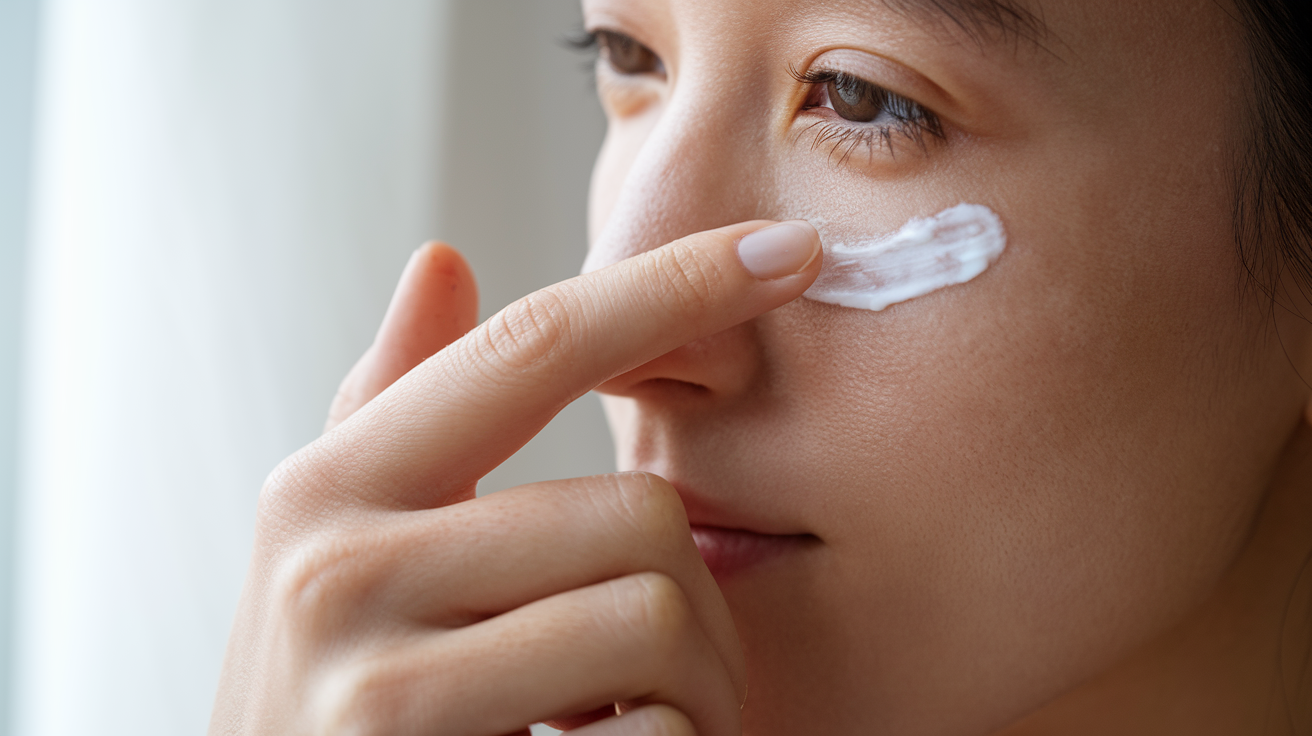
You're standing in front of the mirror, face cream in hand, and you pause. Can you just swipe this under your eyes? Or will it sting, irritate, or make things worse? It's a question many people ask when they're trying to simplify their routine or skip buying yet another product. The truth is more nuanced than a simple yes or no. While some face creams can work around the eyes, others can cause serious irritation or fail to address the unique needs of that delicate skin. Here's what dermatologists actually want you to know about using face cream around your eyes—and the mistakes that could be aging your eye area faster.

Why Face Cream and Eye Cream Are Formulated Differently
The skin around your eyes is significantly thinner than the rest of your face—up to ten times thinner in some areas. It also has fewer oil glands, which means it's naturally drier and more prone to fine lines and crepiness.
Face creams are designed for the thicker, more resilient skin on your cheeks, forehead, and chin. They often contain higher concentrations of active ingredients like retinol, acids, or fragrances that can be too harsh for the eye area. Eye creams, on the other hand, are formulated with gentler concentrations and textures that won't irritate or migrate into the eyes.
This doesn't mean every face cream is off-limits for the eye area. But it does mean you need to be selective about what you're applying near such sensitive skin.
The pH and Sensitivity Factor Around Your Eyes
Your eyes are protected by a delicate tear film that can be disrupted by products with the wrong pH balance. Many face creams have a pH that works well for facial skin but can cause stinging, redness, or watering when applied too close to the eyes.
The eye area also lacks the protective barrier strength found elsewhere on your face. This makes it more vulnerable to irritation from ingredients that wouldn't normally bother your cheeks or forehead.
Even if a face cream feels fine on your face, it might trigger sensitivity around the eyes. Signs include puffiness, itching, burning, or a feeling of tightness. If you're experiencing any of these symptoms, it's a signal to switch to a affiliate one product specifically designed for the delicate eye area.
Tired of seeing under-eye lines before you see yourself?
If the tiny creases under your eyes make you look more tired than you feel, this guide shows the simple under-eye routine that helps soften the look of dry lines, crepey texture, and tired skin without guessing or wasting weeks on random products.
Ingredients That Work on Your Face But Harm Eye Area
Certain ingredients that deliver excellent results on your face can wreak havoc around your eyes. Here are the most common culprits:
Retinol and retinoids: These vitamin A derivatives are powerful for reducing the appearance of fine lines and boosting cell turnover. But around the eyes, they can cause flaking, redness, and irritation—especially at the concentrations found in face creams. If you want to use retinol near your eyes, choose an eye-specific formula with a lower percentage.
Fragrance: Added fragrance is a leading cause of eye irritation. Even natural essential oils can trigger sensitivity. The eye area is too delicate for scented products, which is why most dermatologist-recommended eye creams are fragrance-free.
Alpha hydroxy acids (AHAs) and beta hydroxy acids (BHAs): Glycolic acid, lactic acid, and salicylic acid are excellent for exfoliating facial skin. But they can be too aggressive for the thin skin around the eyes, leading to dryness, peeling, and increased sensitivity to sunlight.
High concentrations of vitamin C: While vitamin C is beneficial for brightening and antioxidant protection, high percentages can sting and irritate the eye area. Look for gentler derivatives or lower concentrations if you're applying near the eyes.
Alcohol denat or SD alcohol: These drying alcohols are sometimes used in face creams to create a matte finish. Around the eyes, they strip moisture and can worsen the appearance of fine lines and crepey texture.

When Face Cream Around Eyes Actually Works (And When It Doesn't)
So when is it safe to use face cream around your eyes? It depends on the formula and your skin's tolerance.
When it works: If your face cream is fragrance-free, gentle, and formulated with hydrating ingredients like hyaluronic acid, ceramides, niacinamide, or peptides, it may be fine to use around the eyes. These ingredients help support skin barrier function and can reduce the appearance of dryness and fine lines without irritation.
Moisturizers designed for sensitive skin are often safe bets. If the product doesn't sting your eyes and doesn't cause puffiness or redness after a few days of use, it's likely compatible.
When it doesn't work: Skip using face cream around your eyes if it contains any of the irritating ingredients mentioned earlier—retinol, acids, fragrance, or drying alcohols. Also avoid face creams that are too thick or occlusive, as they can migrate into the eyes and cause blurriness or discomfort.
If you're dealing with specific concerns like dark circles, puffiness, or deeper lines, a targeted eye cream will deliver better support. Face creams aren't formulated to address these issues, so you may not see the improvement you're hoping for.
Another consideration: if you wear contact lenses, you're more susceptible to eye irritation from skincare products. In this case, it's worth investing in a dedicated eye cream that won't interfere with lens comfort.
For a deeper understanding of how to choose the right product for your under-eye concerns, check out this affiliate one resource that breaks down the best practices for maintaining smoother-looking, less tired-looking eyes.
Final Thoughts
Using face cream around your eyes isn't automatically a mistake, but it requires careful consideration of the ingredients and your skin's response. The eye area is uniquely delicate, and what works on the rest of your face may cause irritation, dryness, or even worsen the appearance of fine lines in that zone.
If you're unsure, start by patch-testing your face cream on a small area near the outer corner of your eye. Wait 24 hours to see if any sensitivity develops. If all is well, you can cautiously expand use. But if you notice stinging, redness, or puffiness, it's time to switch to a dedicated eye product.
Remember, the goal isn't just to avoid harm—it's to give your eye area the specific care it needs to look smoother, more rested, and healthier over time.