Disclosure: This post contains affiliate links. We may earn a commission at no extra cost to you.
Can You Use Face Cream Around Your Eyes? What Dermatologists Say
Published August 30, 2026
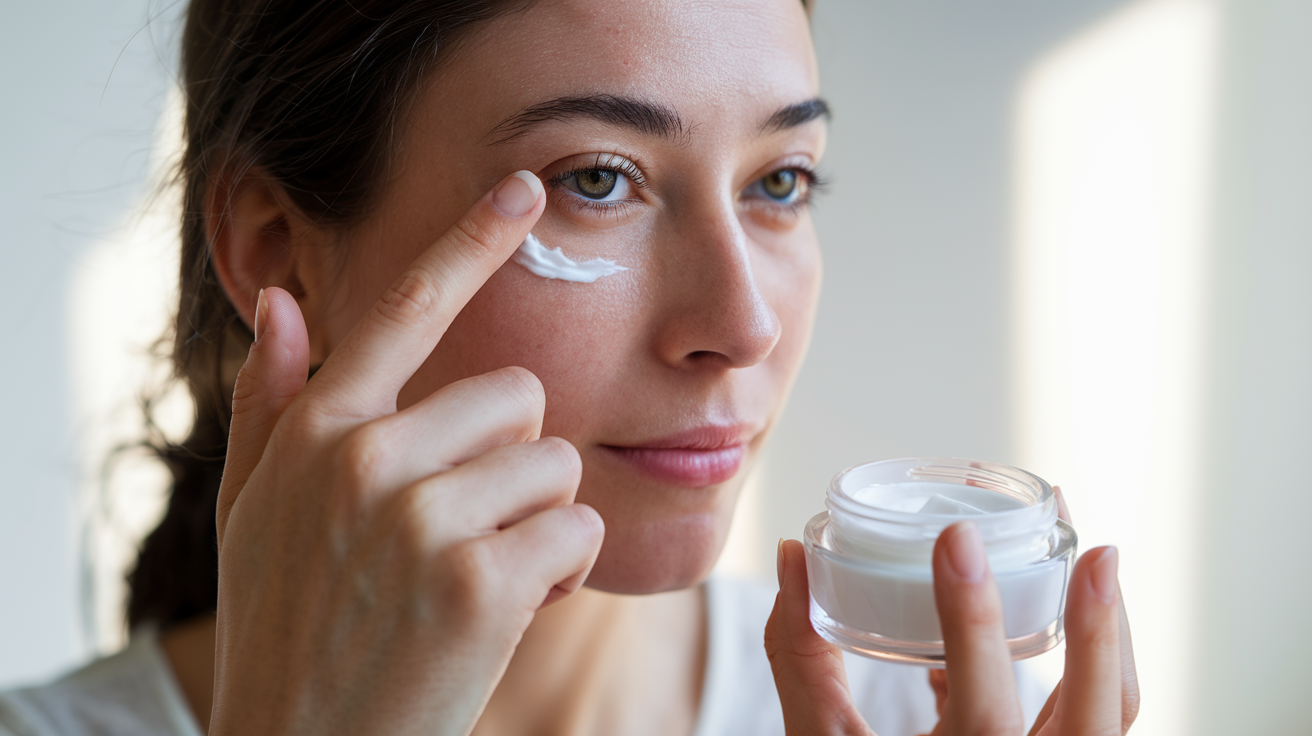
Have you ever run out of eye cream and wondered if your regular face moisturizer could do the job? You're not alone. Many people question whether eye cream is truly necessary or if it's just clever marketing. The truth is more nuanced than a simple yes or no. While some face creams can be used around the eyes safely, others can cause irritation, puffiness, or even make fine lines look more noticeable. Here's what dermatologists actually recommend.
Why the Eye Area Needs Special Attention
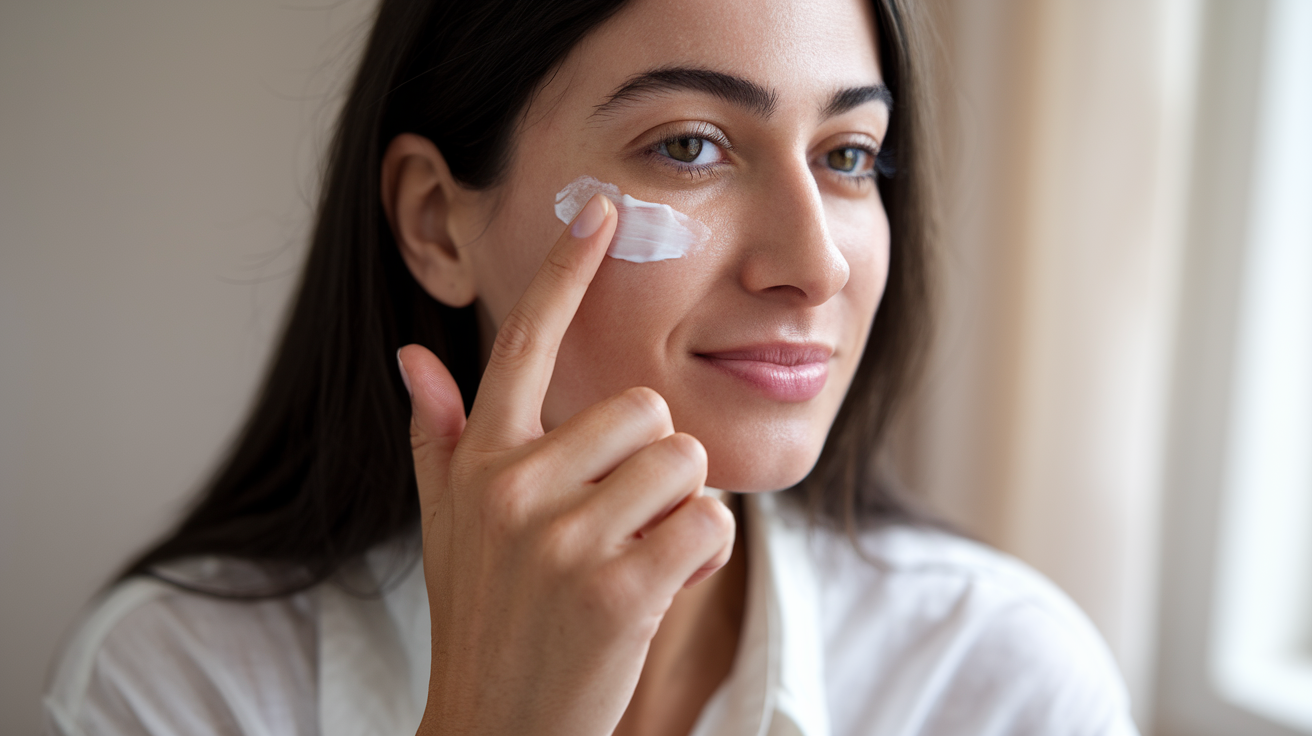
The skin around your eyes is fundamentally different from the rest of your face. It's about ten times thinner than the skin on your cheeks, with fewer oil glands and almost no sebaceous cushioning. This makes it more prone to dryness, sensitivity, and visible signs of aging.
Because this area is so delicate, it reacts differently to ingredients. What works beautifully on your forehead might cause stinging or puffiness under your eyes. The constant movement from blinking—about 10,000 times per day—also puts extra stress on this thin skin, making it more vulnerable to creasing and dehydration.
Additionally, the undereye area has fewer natural defenses. With minimal fat padding and less collagen production, it shows fatigue, dehydration, and environmental damage faster than other parts of your face. That's why targeted care can make such a visible difference in how fresh and rested you look.
Key Differences Between Eye Cream and Face Cream Formulations
Eye creams aren't just face creams in smaller jars. They're formulated with specific considerations that matter for this sensitive zone.
First, eye creams typically have a gentler pH and lower concentrations of active ingredients. While your face cream might contain 1% retinol, an eye formula might use 0.01% or opt for a gentler retinoid alternative like retinyl palmitate. This prevents irritation while still offering anti-aging benefits.
Second, eye creams often skip certain ingredients entirely. Many face moisturizers contain fragrances, essential oils, or higher levels of acids that can irritate the eye area. Eye formulas usually avoid these or use them in much lower percentages.
Texture matters too. Eye creams are often lighter and absorb faster to prevent the heavy, creamy feeling that can migrate into your eyes throughout the day. Some are specifically designed not to interfere with makeup application or cause milia, those tiny white bumps that can form when pores around the eyes get clogged.
If you're looking for guidance on choosing products that work together, this affiliate one offers helpful comparisons.
Tired of seeing under-eye lines before you see yourself?
If the tiny creases under your eyes make you look more tired than you feel, this guide shows the simple under-eye routine that helps soften the look of dry lines, crepey texture, and tired skin without guessing or wasting weeks on random products.
When Face Cream Around Eyes Can Cause Problems
Certain ingredients common in face creams can spell trouble for the eye area. High-strength retinoids, for example, can cause redness, flaking, and increased sensitivity around the eyes, especially if you're not used to them. While these ingredients can help reduce the appearance of fine lines over time, the concentration in many face creams is simply too strong for the delicate undereye zone.
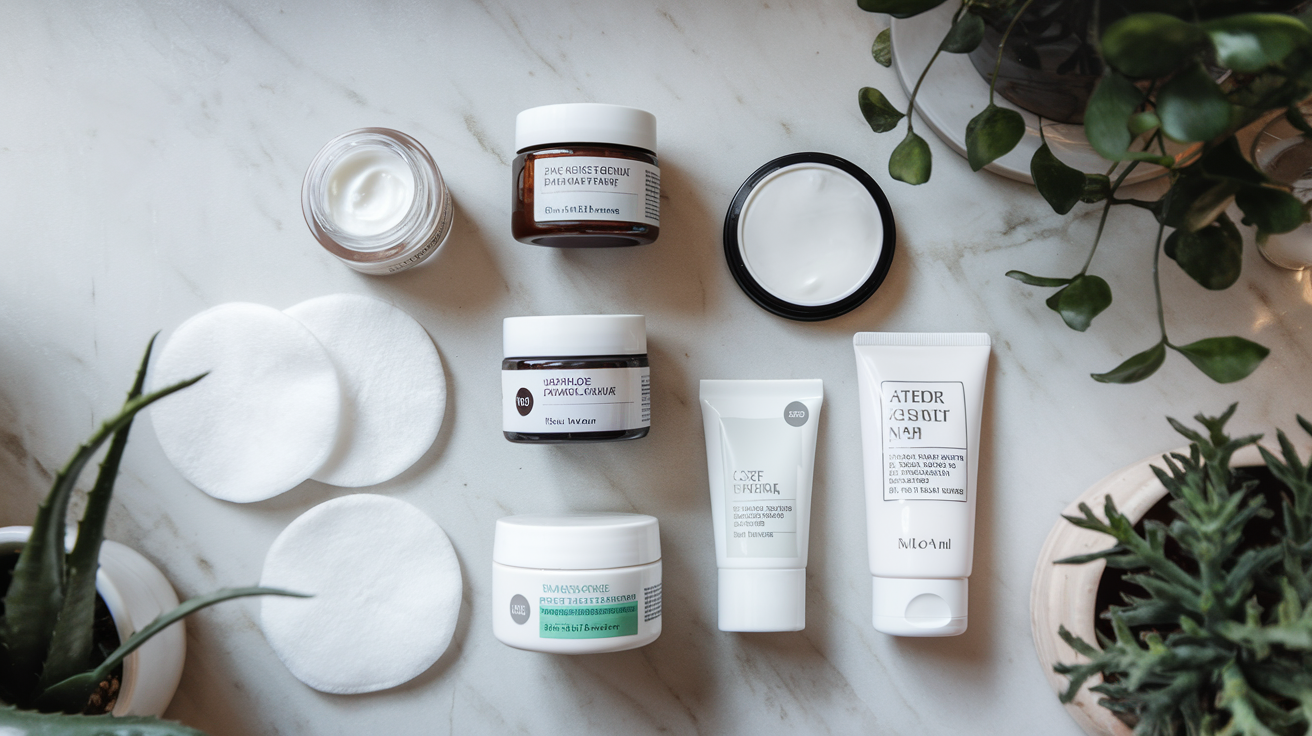
Alpha hydroxy acids like glycolic acid and lactic acid are another category to watch. In face creams, they're often formulated at higher percentages to exfoliate and brighten. But around the eyes, they can cause stinging, watering, and irritation that leaves your eyes looking red and puffy rather than refreshed.
Fragrances and essential oils are frequent culprits too. That lovely lavender or citrus scent in your nighttime moisturizer might feel soothing on your cheeks, but it can trigger sensitivity, puffiness, or even contact dermatitis when applied too close to the eyes.
Even seemingly innocent ingredients like menthol, camphor, or peppermint oil—sometimes added for a cooling sensation—can cause burning or tearing if they migrate into your eyes. And heavy occlusives like petroleum jelly or thick plant oils, while excellent for sealing in moisture elsewhere, can feel too heavy around the eyes and contribute to milia formation.
One often-overlooked issue is migration. Creams that are too emollient can travel into your eyes as your skin warms throughout the day, causing blurriness or irritation hours after application. This is especially common with products that don't absorb quickly.
How to Choose the Right Eye Cream for Your Concerns
Choosing an eye cream doesn't have to be complicated, but it helps to match the formula to what you're actually seeing in the mirror.
If fine lines and a crepey texture are your main concerns, look for lightweight creams with peptides, hyaluronic acid, or gentle retinoid derivatives. These help support the skin's natural moisture barrier and can make the area look smoother and more hydrated over time.
For dark circles, the approach depends on the cause. If yours are blue or purple from visible blood vessels, caffeine or vitamin K can help temporarily reduce the appearance by constricting vessels. If they're brown from hyperpigmentation, gentle brightening ingredients like niacinamide or vitamin C may help over consistent use.
Puffiness often responds well to cooling gel formulas with caffeine, green tea extract, or cucumber. These can help reduce the look of fluid retention, especially if you apply them cold from the fridge in the morning.
For dry, tired-looking eyes, ceramides, squalane, and sodium hyaluronate can help lock in moisture without heaviness. Look for formulas that absorb quickly but leave the area feeling comfortable and soft.
When testing a new eye cream, do a patch test first. Apply a small amount to your inner forearm or behind your ear and wait 24 hours to see if any irritation develops. Even gentle formulas can cause reactions in sensitive individuals.
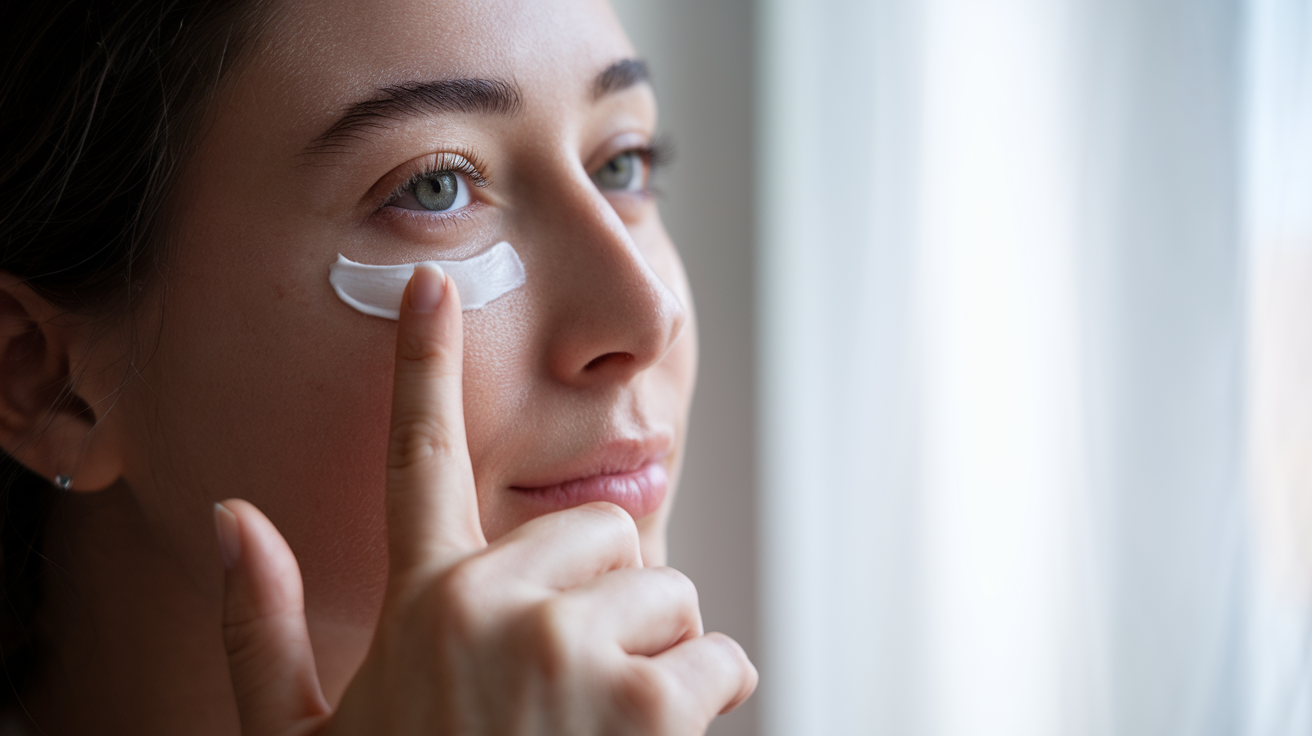
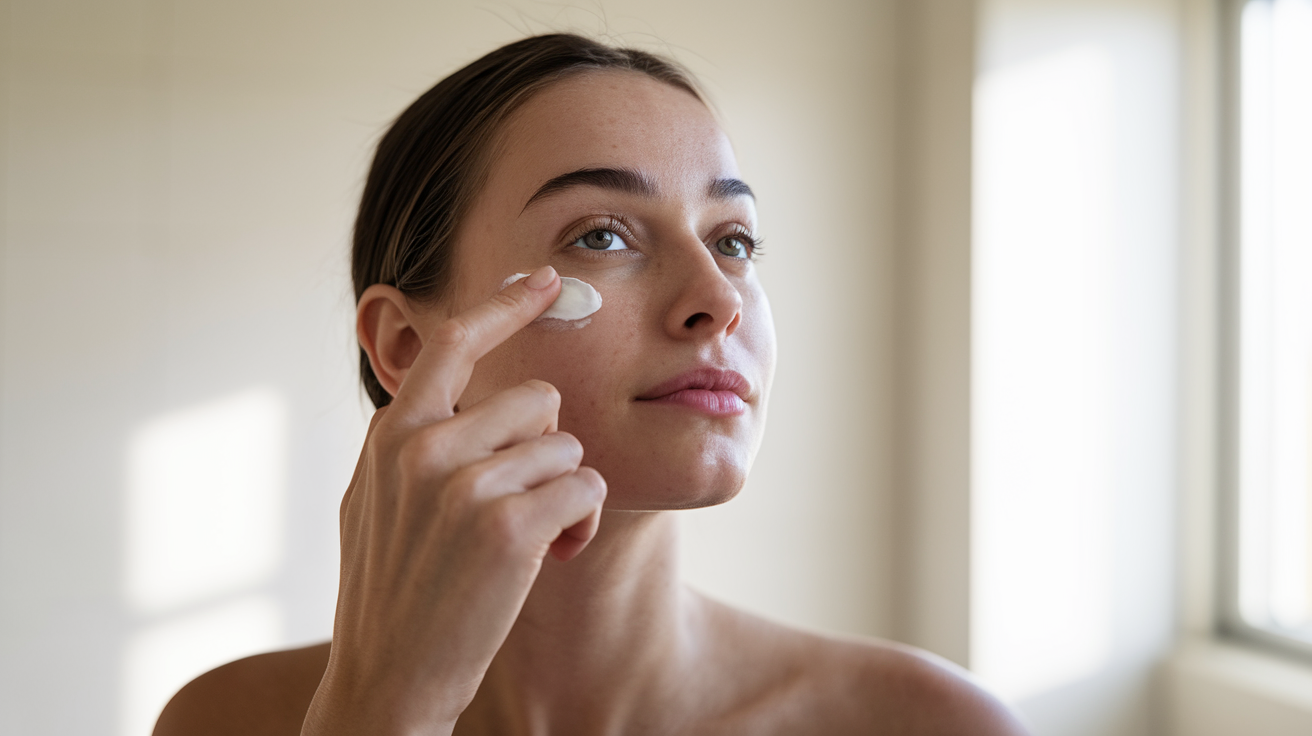
Apply eye cream correctly too. Use your ring finger to gently tap—not rub—product along the orbital bone, starting from the inner corner and moving outward. Avoid getting too close to the lash line, and never tug or pull at the skin.
For more detailed advice on building an effective routine, this affiliate one walks through the complete process.
The bottom line? While some gentle face creams can work around the eyes in a pinch, dedicated eye formulas are designed with this sensitive area in mind. They offer targeted support without the risk of irritation, helping the undereye area look smoother, less tired, and more comfortable day after day.