Disclosure: This post contains affiliate links. We may earn a commission at no extra cost to you.
Can You Use Face Cream Around Your Eyes? The Truth About Eye Cream vs Face Cream
Published September 2, 2026
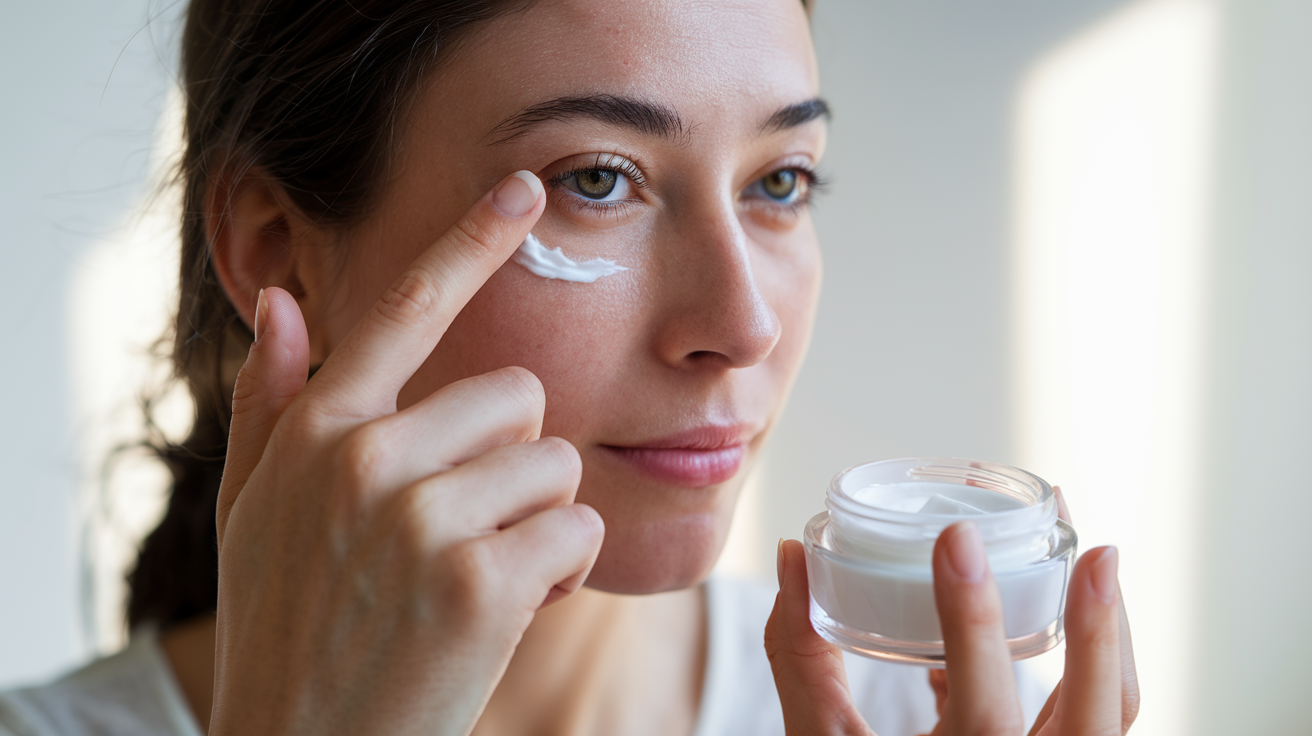
You've probably stood in front of the mirror, face cream in hand, wondering if you really need to shell out for a separate eye cream. Maybe you've even tried dabbing your regular moisturizer under your eyes and felt a slight sting or noticed some puffiness the next morning. The eye cream versus face cream debate isn't just marketing hype—there are real differences that affect how your skin looks and feels. Let's break down what actually matters when it comes to caring for the delicate skin around your eyes.
Why the Eye Area Needs Special Treatment
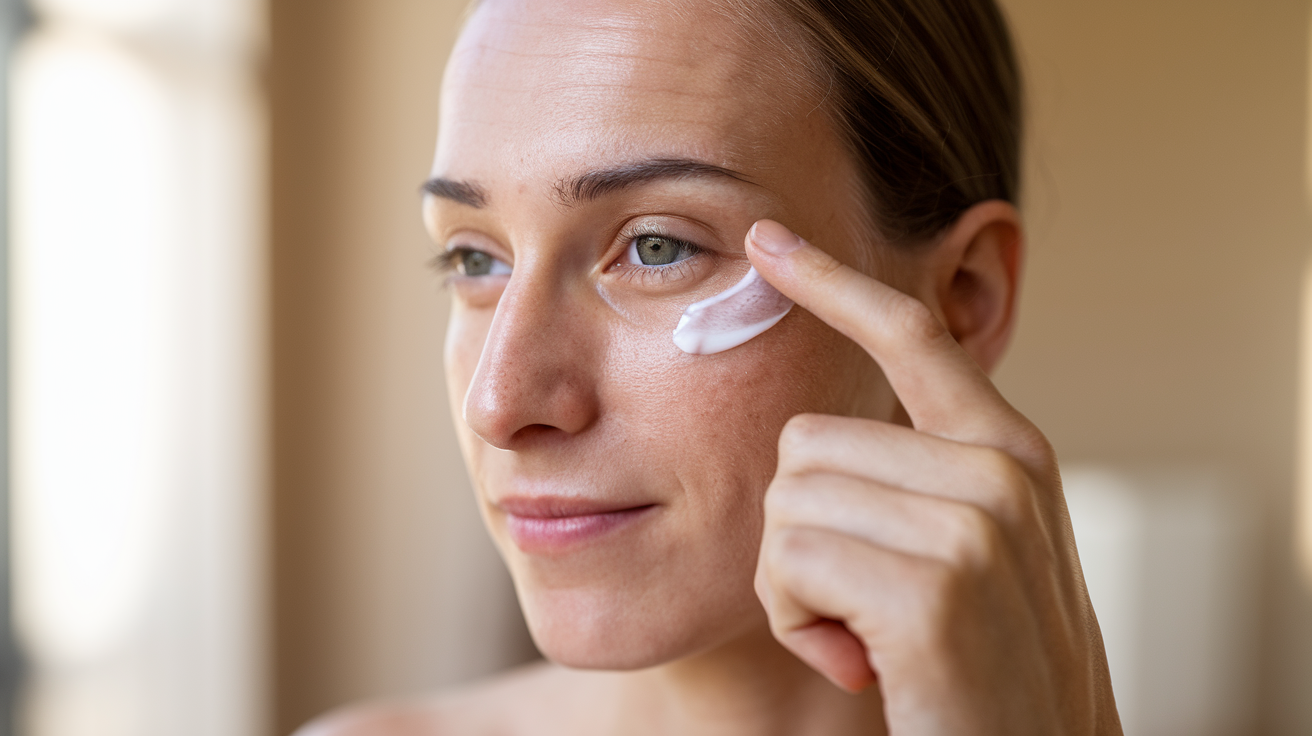
The skin around your eyes is genuinely different from the rest of your face. It's about 40% thinner, which means it shows signs of aging faster and reacts more intensely to irritation.
This area also has fewer oil glands. While your cheeks and forehead might get shiny by midday, the skin under your eyes stays dry and more prone to those fine crepey lines that catch the light when you smile.
Add constant movement—blinking happens about 15,000 times a day—and you've got a zone that's working overtime. That repetitive motion combined with thin, dry skin creates the perfect conditions for visible lines and tired-looking texture.
The eye area also doesn't bounce back from damage as quickly. When you use a product that's too harsh or rich, you might notice puffiness, milia (those tiny white bumps), or sensitivity that lingers for days.
Key Differences Between Eye Cream and Face Cream Formulations
Eye creams are formulated with sensitivity in mind. They typically skip ingredients that might irritate thin skin, like higher concentrations of retinol, strong acids, or heavy fragrances.
The texture matters too. Face creams designed for normal or oily skin often contain emollients and occlusives that can be too heavy for the eye area. When these richer formulas migrate into your eyes during sleep or throughout the day, they can cause that morning puffiness or blurry vision.
Eye creams usually have a lighter molecular weight, meaning they absorb more quickly without sitting on the surface. This helps prevent the product from traveling into your eyes or creating that greasy layer that makes concealer slide around.
Many eye creams also include ingredients specifically chosen for common under-eye concerns—like caffeine to temporarily reduce the appearance of puffiness, or peptides and ceramides to support the look of smoother, more hydrated skin.
Tired of seeing under-eye lines before you see yourself?
If the tiny creases under your eyes make you look more tired than you feel, this guide shows the simple under-eye routine that helps soften the look of dry lines, crepey texture, and tired skin without guessing or wasting weeks on random products.
If you're trying to build a simple routine that actually addresses under-eye texture, starting with the right information makes a difference. A comprehensive affiliate one can show you exactly which ingredients work well together and which application techniques help your products absorb properly.
What Happens When You Use Face Cream on Your Eyes
Using your regular face moisturizer around your eyes isn't necessarily harmful, but it can cause some annoying side effects depending on what's in the formula.
If your face cream contains active ingredients like retinol, glycolic acid, or vitamin C at higher concentrations, you might experience redness, flaking, or sensitivity. The thin skin around your eyes simply can't tolerate the same strength of actives as your cheeks or forehead.
Rich night creams can lead to morning puffiness. These thicker formulas often contain occlusive ingredients that trap moisture—great for dry cheeks, but sometimes too much for the eye area where fluid can already accumulate overnight.
Fragrance is another common culprit. Many face creams smell lovely, but those fragrance compounds can irritate the sensitive eye area and even cause watering or stinging if they migrate into your eyes.
Some people use gentle face creams around their eyes without any issues. If your moisturizer is simple, fragrance-free, and formulated for sensitive skin, you might be fine. But if you notice any irritation, milia, puffiness, or if your under-eye area looks dry despite regular moisturizing, your face cream might not be the right fit for that zone.
When Eye Cream Is Worth the Investment (And When It's Not)
Eye cream makes sense when you're dealing with specific concerns that your face moisturizer doesn't address. If you notice fine lines, crepey texture, or your under-eye area looks noticeably drier than the rest of your face, a targeted eye cream can help.
It's also worth considering if you use active ingredients on your face. If you're applying retinol, acids, or strong anti-aging treatments to your skin, you need something gentler for the eye area. An eye cream lets you maintain your active routine on the rest of your face while still caring for the delicate skin around your eyes.
People with mature skin often benefit from eye cream because the eye area tends to show aging signs first. A formula designed to support skin hydration and improve the appearance of smoothness can make that area look less tired and more refreshed.
On the flip side, if you're in your twenties with no specific eye area concerns, and you're using a gentle, hydrating face moisturizer, you might not need a separate product yet. A simple affiliate one can help you determine whether your current routine is enough or if adding an eye cream would actually make a visible difference.
Eye cream might not be necessary if your face moisturizer is already ophthalmologist-tested, fragrance-free, and gentle enough for sensitive skin. Some people do just fine extending their lightweight facial moisturizer to the eye area, especially if they're not experiencing dryness, irritation, or visible texture concerns.
The bottom line: eye cream isn't mandatory skincare, but it's not just marketing either. Your eye area has different needs, and whether you choose a dedicated eye cream or carefully extend your face moisturizer depends on your skin, your concerns, and how your current routine is working for you.
Pay attention to how your under-eye skin looks and feels. If it's dry, lined, puffy, or irritated, that's your skin telling you it needs something different. If it looks smooth and feels comfortable, you're probably on the right track—whether that includes eye cream or not.