Disclosure: This post contains affiliate links. We may earn a commission at no extra cost to you.
Are Expensive Eye Creams Worth It? 5 Price Points Compared
You've probably stood in the skincare aisle staring at eye creams that range from fifteen dollars to two hundred. One promises the same peptides as the luxury version. The other comes in a heavy glass jar with a fancy spatula. So what's the actual difference?
The truth is that price doesn't always equal performance, but it doesn't mean all eye creams are created equal either. Some drugstore formulas work beautifully for certain skin types, while some luxury creams justify their price with concentrated actives and elegant textures. Let's break down what you're actually paying for at each price point.
What Actually Determines Eye Cream Pricing
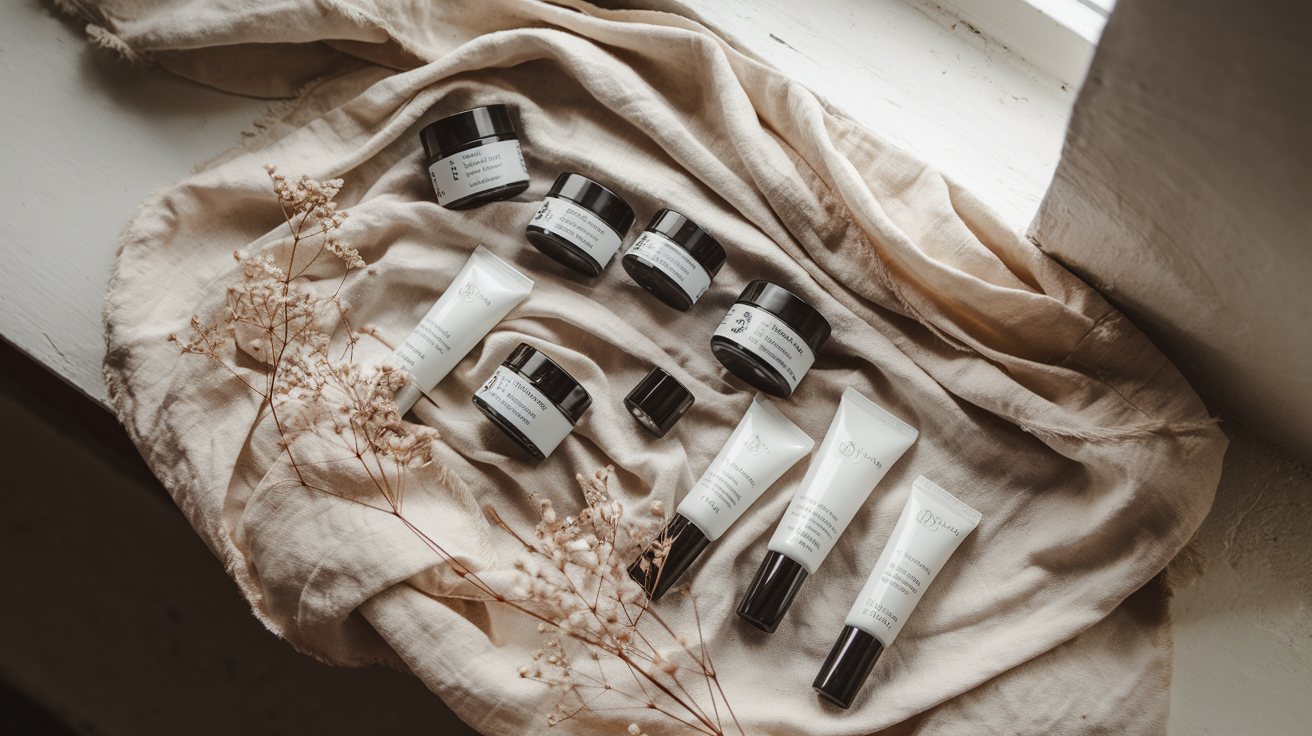
Eye cream pricing comes down to a few key factors that have nothing to do with marketing hype.
First, there's ingredient concentration. A drugstore retinol eye cream might contain 0.1% retinol, while a luxury version uses 0.5% plus stabilizing technology that keeps it effective longer. Both say retinol on the label, but the dosage and delivery system differ significantly.
Then there's formulation complexity. Cheaper creams often use simpler bases with one or two active ingredients. Higher-priced options layer multiple actives with advanced delivery systems like encapsulation or time-release technology that help ingredients penetrate better without irritation.
Texture and sensory experience also cost money. Luxury brands invest in silky textures that absorb quickly, don't pill under makeup, and feel pleasant to apply. Drugstore formulas sometimes feel heavier or leave a tacky finish because the base ingredients cost less.
Packaging matters too. Airless pumps and opaque tubes protect sensitive ingredients like vitamin C and retinol from light and air exposure. Jar packaging is cheaper but exposes the formula to degradation every time you open it.
Finally, there's research and testing. Premium brands often conduct clinical studies and stability testing that add to production costs. Not all do, but many luxury eye creams have data backing their formulas.
Drugstore Eye Creams ($10-$25): What You're Getting
Drugstore eye creams can be surprisingly effective, especially if you're new to eye care or have straightforward needs like basic hydration.
At this price point, you'll find simple but proven ingredients like hyaluronic acid, ceramides, niacinamide, and caffeine. These are workhorses that help the under-eye area look more hydrated and less tired-looking without fancy delivery systems.
The texture is usually thicker and richer. Some people love this, especially if you have dry skin or prefer a protective barrier at night. Others find it too heavy for daytime or notice it doesn't absorb well before makeup.
One downside is packaging. Many drugstore eye creams come in jars, which means you're dipping your fingers in repeatedly. This isn't ideal for ingredient stability, but if you're using the product quickly and storing it properly, it's not a dealbreaker.
Drugstore options work well if you want basic moisture, have sensitive skin that reacts to complex formulas, or you're testing whether eye cream makes a difference for you before investing more. If you're looking for a affiliate one that helps you navigate different active ingredients and application techniques, it can help you get the most from even budget-friendly products.
Tired of seeing under-eye lines before you see yourself?
If the tiny creases under your eyes make you look more tired than you feel, this guide shows the simple under-eye routine that helps soften the look of dry lines, crepey texture, and tired skin without guessing or wasting weeks on random products.
Mid-Range Eye Creams ($30-$70): The Sweet Spot
This is where many dermatologists and skincare enthusiasts find the best balance of quality and value.
Mid-range eye creams typically offer higher concentrations of active ingredients and better formulation technology. You'll see peptides, bakuchiol, stable vitamin C derivatives, and gentle retinoids formulated specifically for the delicate eye area.
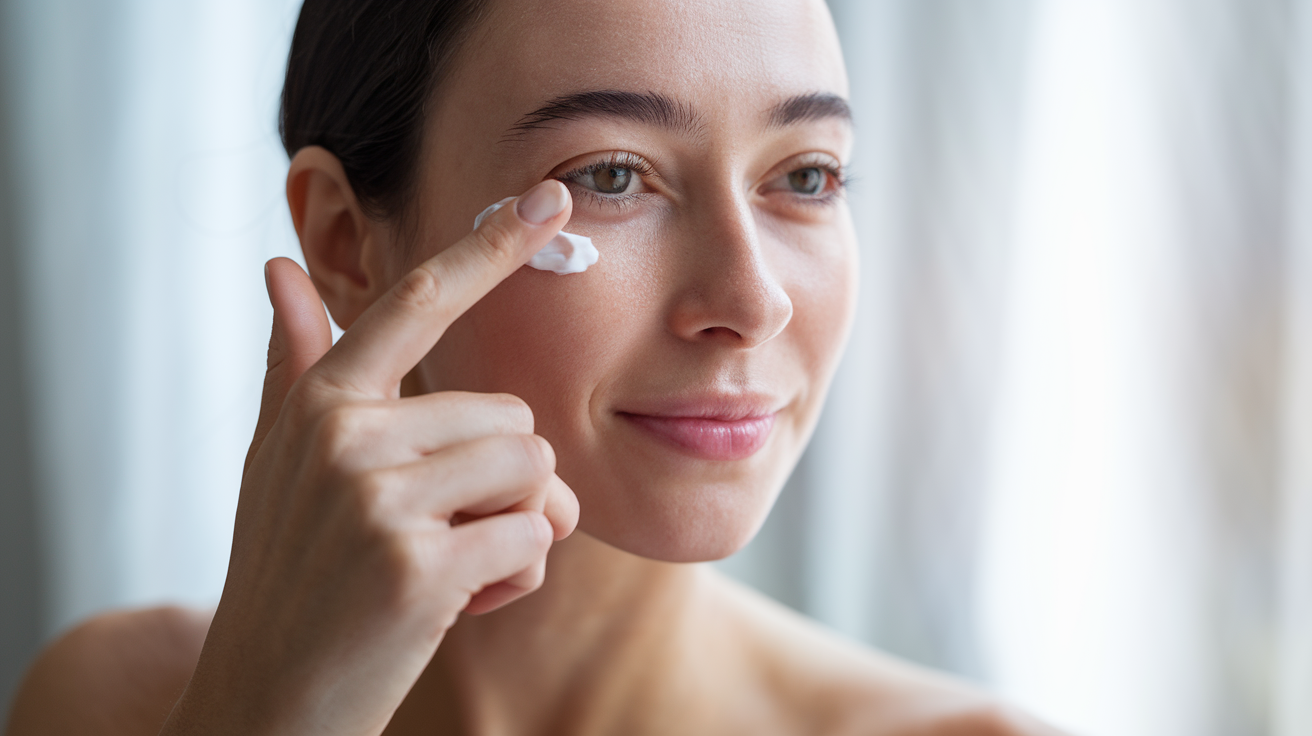
The textures at this price point are usually more refined. They absorb faster, layer well under sunscreen and makeup, and feel lightweight without sacrificing moisture. If you wear makeup daily, this matters more than you'd think.
Packaging improves significantly here. You'll find more pumps, tubes, and airless containers that protect the formula from oxidation and contamination. This means the product stays effective from first use to last.
Mid-range brands also tend to offer better variety for specific concerns. There are targeted formulas for puffiness, dark circles, fine lines, or crepey texture rather than one-size-fits-all options.
If you're serious about maintaining smoother-looking under-eye skin and want proven actives without luxury pricing, this range delivers consistent results. The formulas are sophisticated enough to make a visible difference but accessible enough to repurchase regularly.
Luxury Eye Creams ($80-$200+): Worth the Investment?
Luxury eye creams aren't automatically better, but some do offer advantages you won't find at lower price points.
The ingredient quality often differs. High-end brands may use patented complexes, rare botanical extracts with clinical backing, or cutting-edge actives that aren't yet available in mass-market formulas. They also tend to use higher concentrations that can create more noticeable changes in skin texture and appearance over time.
Formulation elegance is a major factor. Luxury eye creams feel incredible to use. They're silky, absorb instantly, never pill, and create a perfect base for concealer. If you enjoy your skincare routine and find that pleasant textures make you more consistent, this sensory experience has real value.
Some luxury brands invest heavily in research and publish studies showing their formulas help reduce the appearance of fine lines, dark circles, or puffiness. Not all do, so it's worth checking whether the brand backs up its claims with data.
The downsides are obvious. Luxury eye creams require a significant ongoing investment, and many contain similar active ingredients to mid-range options just in fancier packaging. If budget is a concern, you can often find comparable results with less expensive alternatives.
Luxury eye creams make sense if you have specific stubborn concerns, you've already tried mid-range options without seeing the changes you wanted, or you simply love the experience and it fits your budget comfortably.
How to Choose Based on Your Budget and Skin Needs
Your ideal eye cream depends on your skin type, concerns, and what you're willing to spend consistently.
If you're new to eye care or have normal skin without major concerns, start with a drugstore option that focuses on hydration. Look for hyaluronic acid, ceramides, or niacinamide. Use it consistently for six to eight weeks and see if the under-eye area looks more hydrated and less tired-looking.
If you have specific concerns like early fine lines or dullness and want actives like retinol or peptides, mid-range is your best bet. The formulations are advanced enough to deliver visible improvements without the luxury price tag. A affiliate one can help you understand which actives work best for your particular skin type and how to introduce them without irritation.
If you've tried multiple mid-range products and want maximum concentration of actives or the most elegant textures, luxury might be worth it. Just make sure you're buying for the formula, not the brand name.
One smart strategy: use a mid-range eye cream with proven actives and save your budget for other essentials like a good sunscreen and gentle cleanser. The under-eye area benefits most from consistent use of effective ingredients, not necessarily the most expensive jar.
Whatever your budget, choose a formula you'll actually use every day. An affordable eye cream you apply consistently will always outperform an expensive one that sits untouched because you're saving it for special occasions.