Disclosure: This post contains affiliate links. We may earn a commission at no extra cost to you.
7 Gentle Eye Creams for Sensitive Skin That Actually Work
Published September 6, 2026
Have you ever wondered why your eye cream stings, turns your under-eye area red, or makes your skin feel worse instead of better? If you have sensitive skin, finding an eye cream that hydrates and supports your delicate under-eye area without causing irritation can feel impossible. But the right formula exists—and it doesn't have to be complicated or expensive.
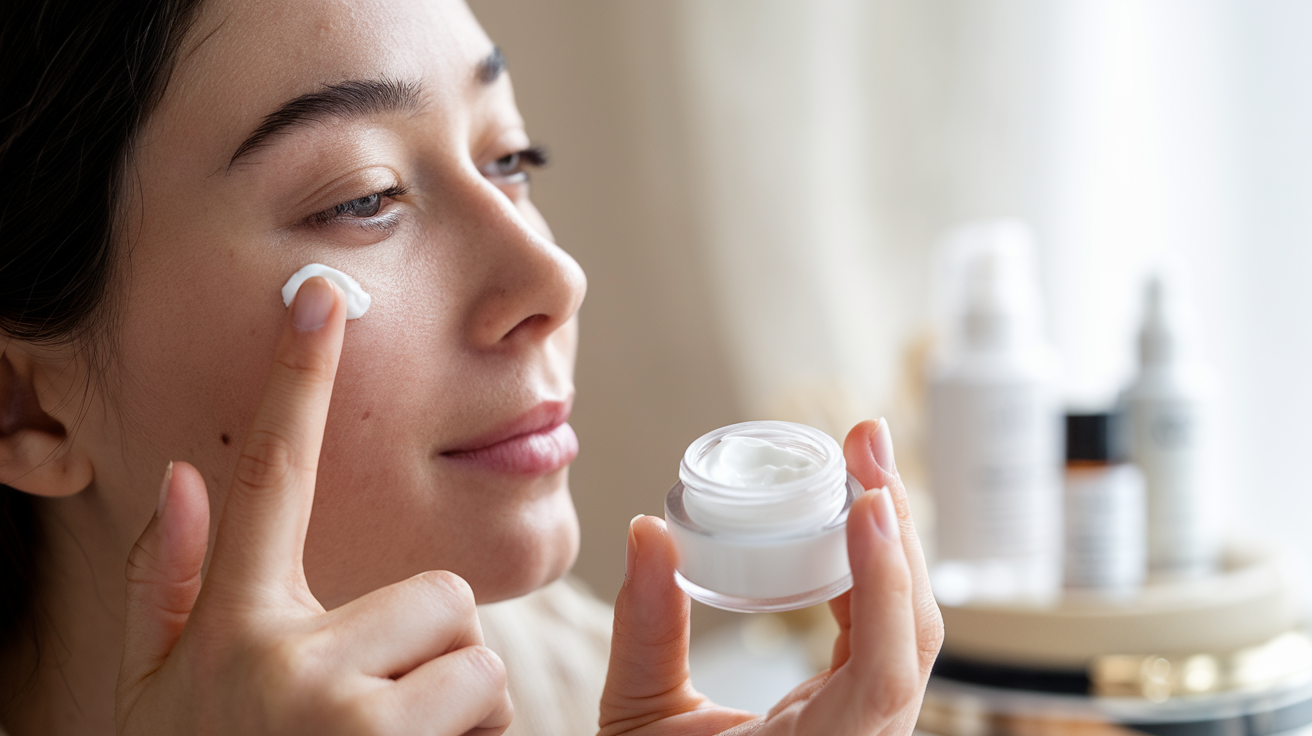
The skin around your eyes is thinner and more reactive than the rest of your face. When you have sensitive skin, that reactivity multiplies. You need targeted ingredients that work gently without triggering redness, dryness, or discomfort.
In this guide, we'll walk through why the eye area needs special attention, which ingredients to seek out, and seven dermatologist-approved eye creams that are gentle enough for sensitive skin—but still deliver visible support for smoother-looking, less tired-looking eyes.
Why Sensitive Eye Area Needs Special Care
The skin around your eyes is about ten times thinner than the skin on your cheeks. It has fewer oil glands, less collagen support, and a weaker moisture barrier. That means it loses hydration faster, shows signs of aging sooner, and reacts more quickly to irritants.
If you already have sensitive skin, your eye area is even more vulnerable. Fragrance, essential oils, alcohol, and certain active ingredients can trigger stinging, puffiness, or flaking. Even products labeled for the face may be too strong for this delicate zone.
That's why using a dedicated eye cream matters. A good formula is designed with a gentler pH, lighter texture, and calming ingredients that respect the thin skin without overloading it. It hydrates without heaviness and supports the appearance of fine lines without irritation.
You also blink thousands of times a day, which creates constant movement and friction. This repetitive motion can make dryness and texture more noticeable. A gentle, supportive eye cream helps cushion that area and keep it feeling comfortable throughout the day.
Key Ingredients to Look for in Sensitive Eye Creams
When you're shopping for an eye cream and you have sensitive skin, the ingredient list matters more than the marketing claims. Here are the most helpful, well-tolerated ingredients to look for:
Ceramides: These are lipids that help reinforce your skin's moisture barrier. They're especially helpful for sensitive skin because they reduce dryness and help your skin hold onto hydration without causing reactions.
Hyaluronic Acid: This humectant draws moisture into the skin and helps plump the look of fine lines. It's gentle, hydrating, and works well even on reactive skin.
Peptides: Peptides are amino acid chains that support the appearance of firmness and smoothness. They're usually well-tolerated and can help your under-eye area look more refreshed over time.
Niacinamide: Also known as vitamin B3, niacinamide is calming, brightening, and gentle. It can help reduce the appearance of dark circles and improve overall texture without irritation.
Squalane: This lightweight oil mimics your skin's natural sebum. It hydrates without clogging pores and feels silky, not greasy. It's one of the safest moisturizing ingredients for sensitive skin.
Allantoin and Bisabolol: Both are soothing agents that calm redness and support your skin's comfort level. They're often included in formulas designed for reactive or compromised skin.
Avoid eye creams with fragrance, menthol, eucalyptus, citrus oils, or high concentrations of retinol if you're prone to sensitivity. These can cause stinging or flaking, especially around the delicate eye area.
Tired of seeing under-eye lines before you see yourself?
If the tiny creases under your eyes make you look more tired than you feel, this guide shows the simple under-eye routine that helps soften the look of dry lines, crepey texture, and tired skin without guessing or wasting weeks on random products.
7 Dermatologist-Approved Eye Creams for Sensitive Skin
Here are seven gentle, effective eye creams that dermatologists trust for sensitive skin. Each one is formulated without common irritants and focuses on hydration, comfort, and visible support.
1. CeraVe Eye Repair Cream
This fragrance-free formula contains ceramides, hyaluronic acid, and niacinamide. It's designed to restore the moisture barrier and reduce the appearance of dark circles and puffiness. The texture is lightweight and absorbs quickly without feeling heavy or greasy.
2. La Roche-Posay Toleriane Ultra Eye Cream
This cream is specifically formulated for ultra-sensitive or allergy-prone skin. It includes neurosensine, a calming peptide, plus glycerin and shea butter for deep hydration. It's ophthalmologist-tested and free from fragrance, parabens, and preservatives.
3. Vanicream Eye Cream
Vanicream is a favorite for people with eczema or reactive skin. The eye cream is free from dyes, fragrance, parabens, and formaldehyde. It uses hyaluronic acid and peptides to support the look of smoothness and hydration without triggering sensitivity.
4. Avène RetrinAL Eyes Cream
If you want gentle retinoid support, this is a great option. It uses retinaldehyde, a milder form of retinol, combined with soothing Avène Thermal Spring Water. It helps soften the appearance of fine lines while calming reactive skin. Start slowly if you're new to retinoids.
5. First Aid Beauty Eye Duty Niacinamide Brightening Eye Cream
This cream is packed with niacinamide, peptides, and hyaluronic acid. It's designed to brighten the look of dark circles and smooth the appearance of texture. The formula is free from fragrance and safe for sensitive skin. For more detailed guidance on building a sensitive-skin routine, check out this affiliate one.
6. Eucerin Q10 Anti-Wrinkle Eye Cream
This drugstore option uses coenzyme Q10 and vitamin E to support the appearance of firmness and reduce the look of fine lines. It's dermatologist-tested, fragrance-free, and gentle enough for daily use. The texture is rich but not sticky.
7. Aveeno Calm + Restore Age Renewal Eye Gel
This gel-cream hybrid is ideal if you prefer a cooling, lightweight texture. It contains feverfew, oat extract, and niacinamide to calm and brighten the under-eye area. It's fragrance-free and designed for sensitive, reactive skin.
Each of these eye creams has been tested by dermatologists and formulated without common triggers. They focus on gentle hydration and long-term support rather than quick fixes or harsh actives. If you're still unsure which one fits your routine, this affiliate one can help you build a personalized plan.
How to Patch Test and Apply Eye Cream Safely
Even the gentlest eye cream can cause a reaction if your skin is particularly reactive. That's why patch testing is important—especially if you've had bad experiences with skincare in the past.
To patch test, apply a small amount of the eye cream to the inside of your wrist or behind your ear. Wait 24 hours and watch for redness, itching, or irritation. If your skin stays calm, it's likely safe to use around your eyes.
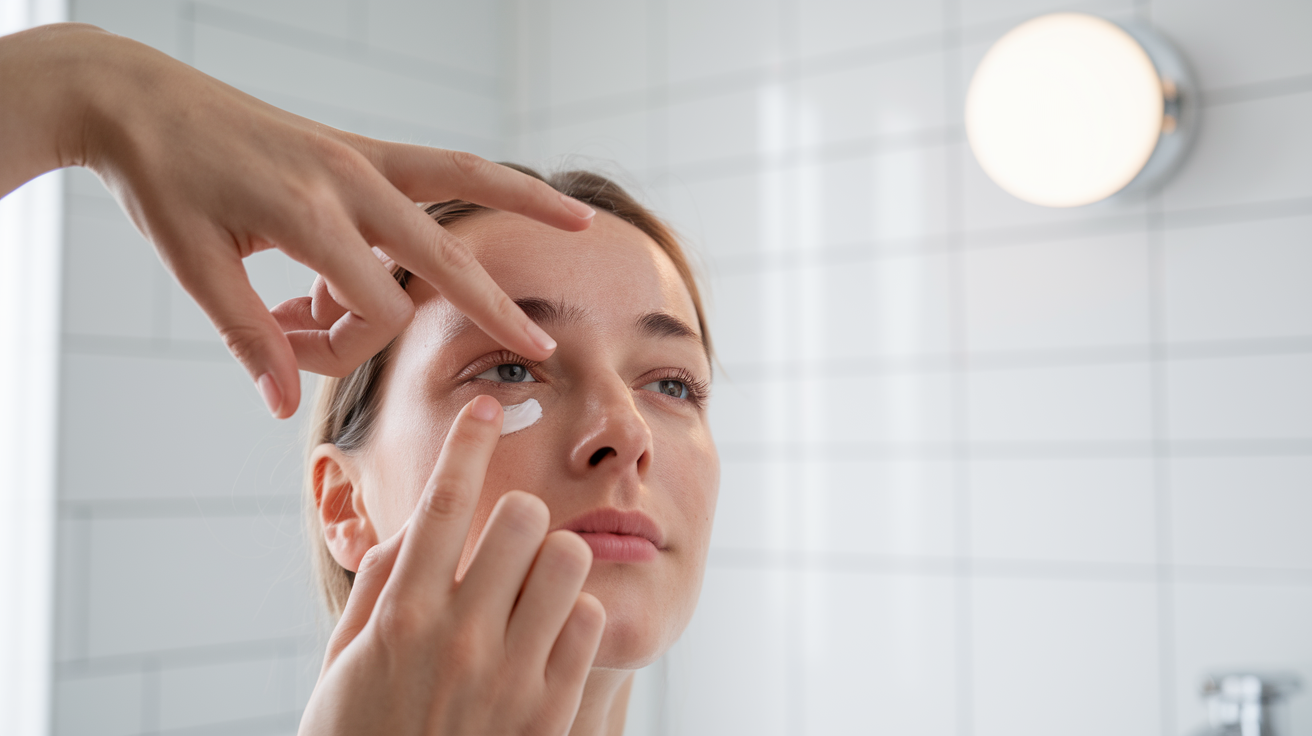
When applying eye cream, use your ring finger. It applies the least pressure and helps you avoid tugging on delicate skin. Dot a small amount—about the size of a grain of rice per eye—along the orbital bone. Gently pat it in, moving from the inner corner outward.
Don't rub or pull. Don't apply eye cream directly on your eyelid unless the product label says it's safe to do so. And don't use too much. More product doesn't mean better results—it just increases the chance of irritation or milia.
Apply eye cream after your serum and before your moisturizer. If you're using a retinoid or active treatment, wait a few minutes before applying your eye cream to avoid layering too many actives at once.
Use your eye cream twice a day—morning and night—for the best results. Consistency is more important than quantity. A gentle, well-chosen eye cream used daily will always outperform a strong product used sporadically.
If you experience stinging, redness, or swelling, stop using the product immediately and give your skin a break. Sensitive skin needs patience, not force. The right eye cream will feel calming, hydrating, and comfortable—not reactive or uncomfortable.
With the right ingredients, a gentle formula, and a consistent routine, you can support the look of your under-eye area without irritation. Your skin may be sensitive, but that doesn't mean you have to settle for products that don't work.