Disclosure: This post contains affiliate links. We may earn a commission at no extra cost to you.
When to Apply Eye Cream in Your Skincare Routine: The Complete Timing Guide
Have you ever wondered if you're applying your eye cream at the wrong time? You're not alone. The delicate skin around your eyes needs more than just the right product—it needs the right sequence to actually absorb and work with your other skincare steps.
Most people think slapping on eye cream whenever feels convenient is good enough. But the order you apply your products can make a real difference in how your skin looks and feels. When eye cream sits on top of thick moisturizer or gets diluted by oils applied too early, you might be wasting your investment without realizing it.
Why Eye Cream Timing Matters for Maximum Results
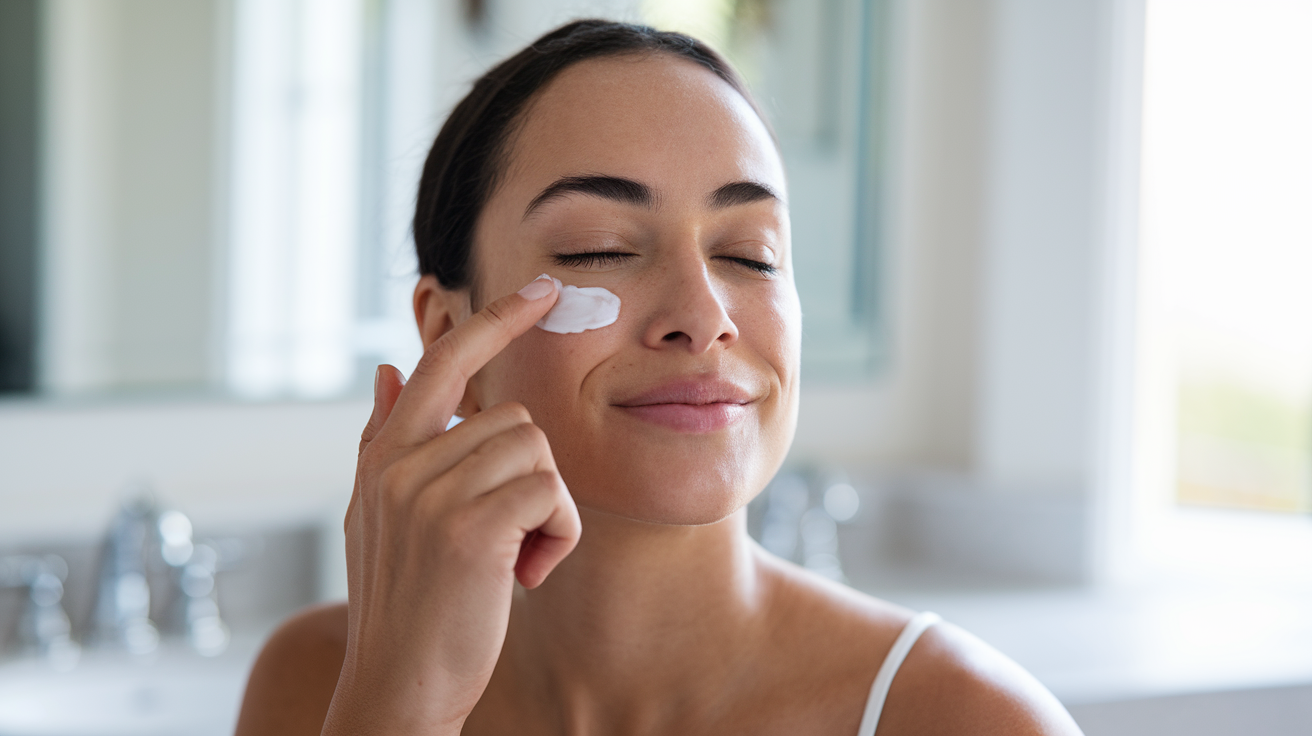
The skin around your eyes is thinner than the rest of your face—about 0.05mm compared to roughly 2mm on your cheeks. This means it absorbs products differently and needs thoughtful layering.
When you apply products in the right order, each layer can penetrate properly. Thinner, water-based formulas should go on first, followed by thicker, oil-based ones. This simple rule helps your skin actually use what you're putting on it instead of creating a barrier that blocks absorption.
Eye creams are usually lightweight and designed to hydrate and nourish that fragile under-eye area. If you apply them after heavy serums or rich moisturizers, they may just sit on the surface. That means your under-eye skin doesn't get the hydration or nourishment it needs to look smoother and less tired over time.
Timing also matters because your skin has different needs in the morning versus the evening. Morning routines often focus on protection and brightness, while nighttime is about repair and deeper hydration. Knowing where eye cream fits into both routines helps you support your skin throughout the day.
Step-by-Step: Where Eye Cream Fits in Your Morning Routine
Your morning routine is about protecting your skin from environmental stressors like UV rays, pollution, and dryness. Here's where eye cream should go:
1. Cleanser: Start with a gentle cleanser to remove oil and overnight buildup. Pat your face dry softly.
2. Toner or essence: If you use a hydrating toner or essence, apply it now. These watery formulas prep your skin to absorb what comes next.
3. Treatment serums: Apply any targeted serums like vitamin C or hyaluronic acid. Use them on your whole face, avoiding the immediate eye area if they're too strong.
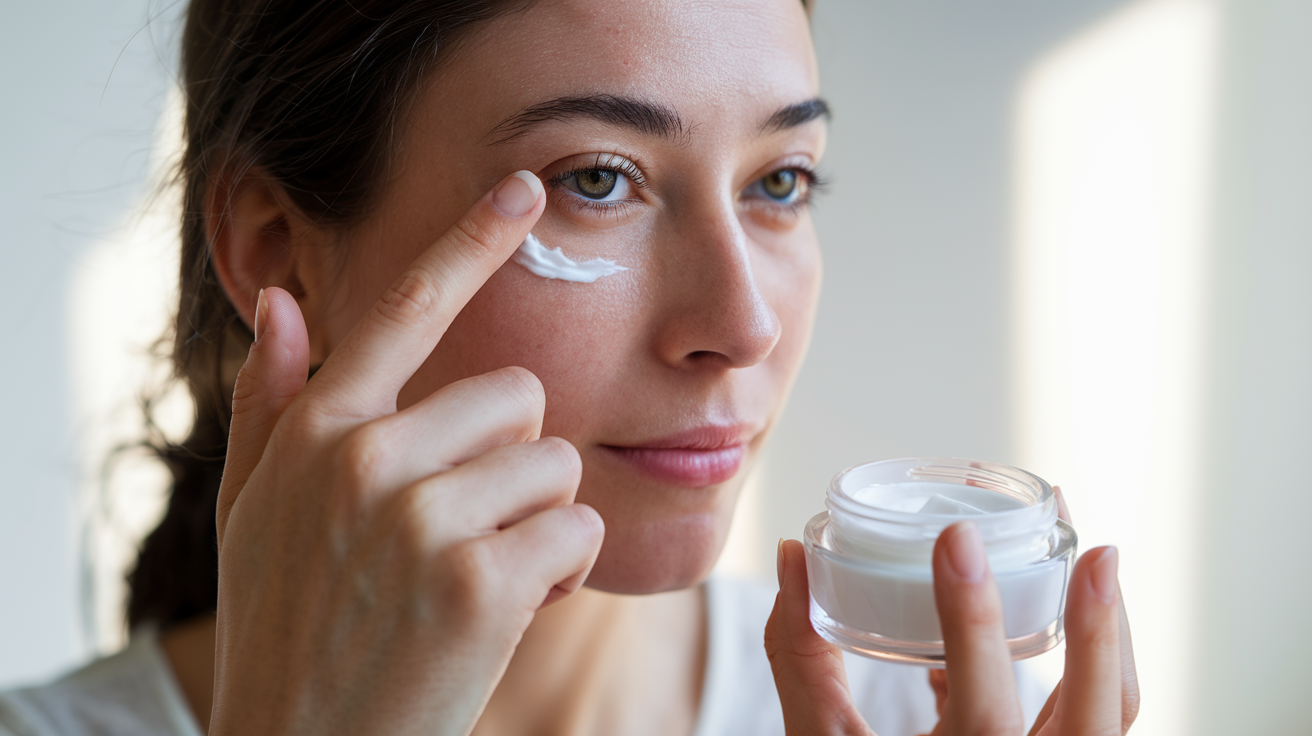
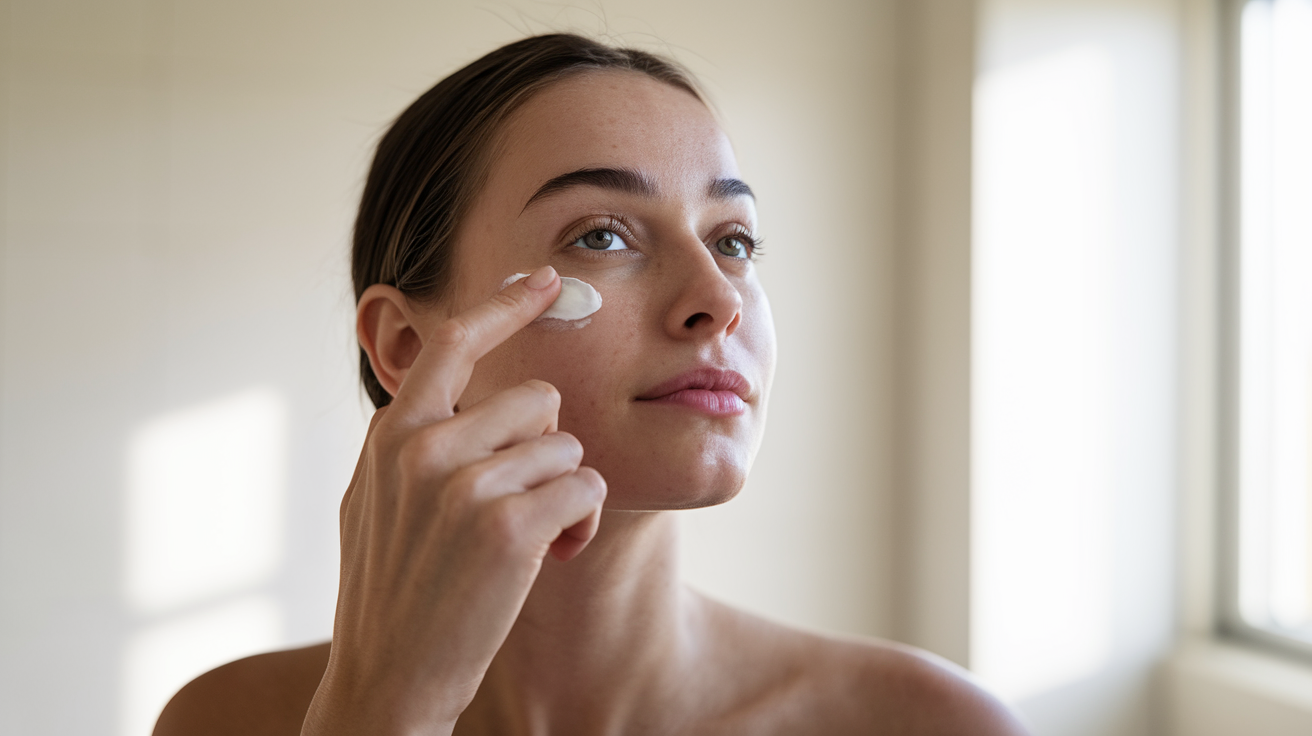
4. Eye cream: Now's the time. Use a small amount—about a grain of rice per eye. Gently pat it around the orbital bone, never pulling or tugging the skin. Let it absorb for 30 seconds before moving on.
5. Moisturizer: Apply your facial moisturizer over the rest of your face. You can bring it closer to the eye area, but the eye cream has already covered that delicate zone.
6. Sunscreen: Always finish with SPF. This is your most important anti-aging step. Apply it carefully around the eyes, being gentle with the skin you just treated.
This order ensures your eye cream absorbs before heavier products create a seal. For a deeper look at creating an effective under-eye routine that addresses fine lines and tired-looking skin, check out this affiliate one.
Tired of seeing under-eye lines before you see yourself?
If the tiny creases under your eyes make you look more tired than you feel, this guide shows the simple under-eye routine that helps soften the look of dry lines, crepey texture, and tired skin without guessing or wasting weeks on random products.
The Evening Eye Cream Application Order You Need
Nighttime is when your skin does most of its repair work. Your evening routine can be a bit richer and more focused on hydration and renewal.
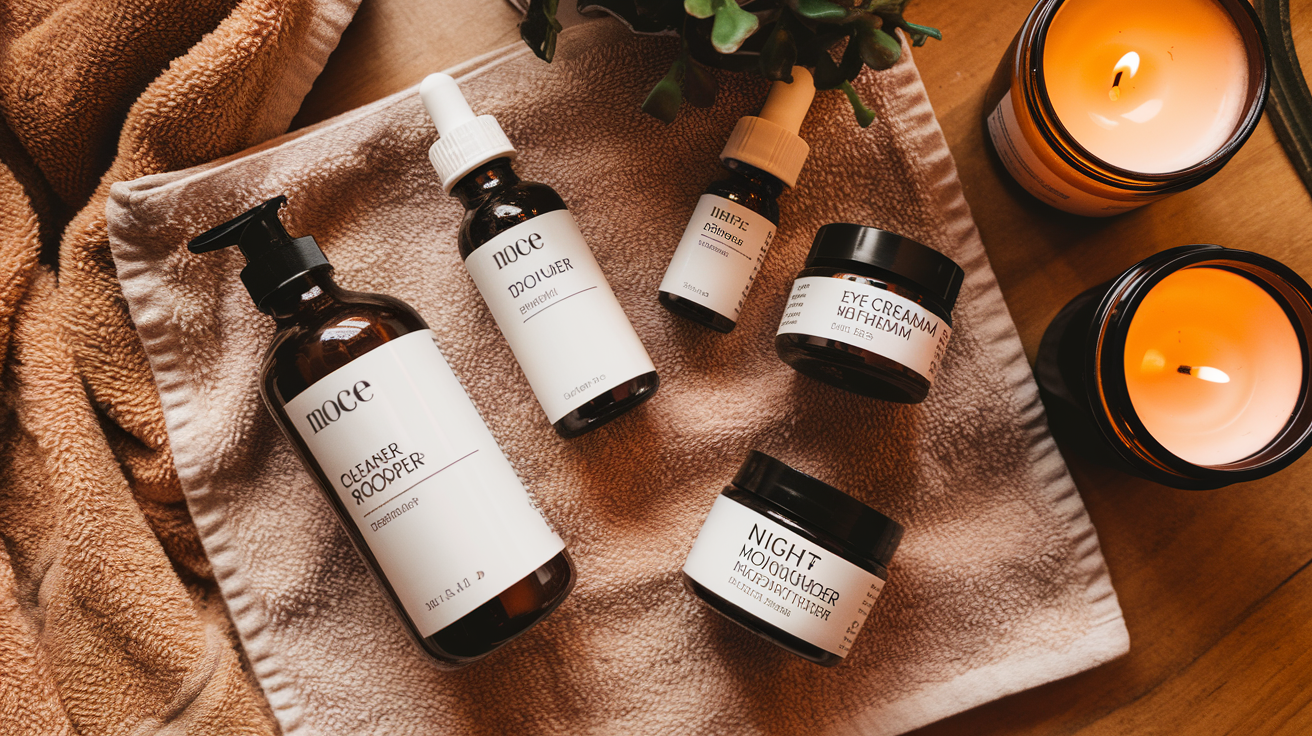
1. Double cleanse: Start with an oil-based cleanser to remove makeup and sunscreen, then follow with a water-based cleanser. This ensures your skin is truly clean.
2. Toner or essence: Apply your toner to balance and prep your skin.
3. Treatment serums: Use your nighttime serums. This might include retinol, peptides, or niacinamide. If you're using retinol, be cautious around the eye area—some eye creams have their own retinol formulated for that delicate skin.
4. Eye cream: Apply your eye cream now, while your skin is still slightly damp from your serum. This can help with absorption. Pat gently around the eye socket, covering the under-eye and outer corner where crow's feet appear.
5. Moisturizer: Seal everything in with your night cream or moisturizer. Choose something nourishing that supports overnight repair.
6. Face oil (optional): If you use a facial oil, it goes last. Oils create a barrier that locks in moisture, so they should be your final step.
Some people prefer a thicker, more emollient eye cream at night. If that's you, it's still best to apply it before your heaviest moisturizer or oil so it can absorb into the skin rather than sitting on top.
Common Eye Cream Sequencing Mistakes That Reduce Effectiveness
Applying eye cream after moisturizer: This is the most common mistake. When you put eye cream on after a rich moisturizer, it has to penetrate through that layer first. It's much harder for the active ingredients to reach your skin.
Using too much product: More isn't better with eye cream. A pea-sized amount for both eyes is plenty. Using too much can lead to puffiness or milia, those tiny white bumps that form when product gets trapped under the skin.
Skipping eye cream in the morning: Some people only use eye cream at night, thinking that's enough. But morning application helps protect and hydrate the under-eye area throughout the day, especially if your eye cream has ingredients like caffeine or peptides that help the skin look less tired and puffy.
Applying retinol serum directly under the eyes: Retinol designed for the full face can be too strong for the eye area. If you want retinol benefits around your eyes, use an eye cream specifically formulated with it. The concentration and supporting ingredients are adjusted for that sensitive skin.
Not waiting between layers: Rushing through your routine means products don't have time to absorb. Give your eye cream at least 30 seconds to a minute to settle in before you pile on moisturizer or makeup.
Rubbing instead of patting: The skin around your eyes is fragile. Rubbing or pulling can contribute to sagging and fine lines over time. Always use your ring finger to gently pat product in—it's your weakest finger, so you're less likely to apply too much pressure.
Getting your eye cream timing right is one of those small changes that can make your entire routine work better. If you want a clear, step-by-step approach to caring for the under-eye area and helping it look smoother and more rested, this affiliate one walks you through it.
The key takeaway? Thin to thick, water to oil, and always let your eye cream absorb before moving to the next step. Your under-eye skin will thank you for the extra attention.