Disclosure: This post contains affiliate links. We may earn a commission at no extra cost to you.
How Much Eye Cream Should You Actually Use? The Answer May Surprise You
Published: September 30, 2026
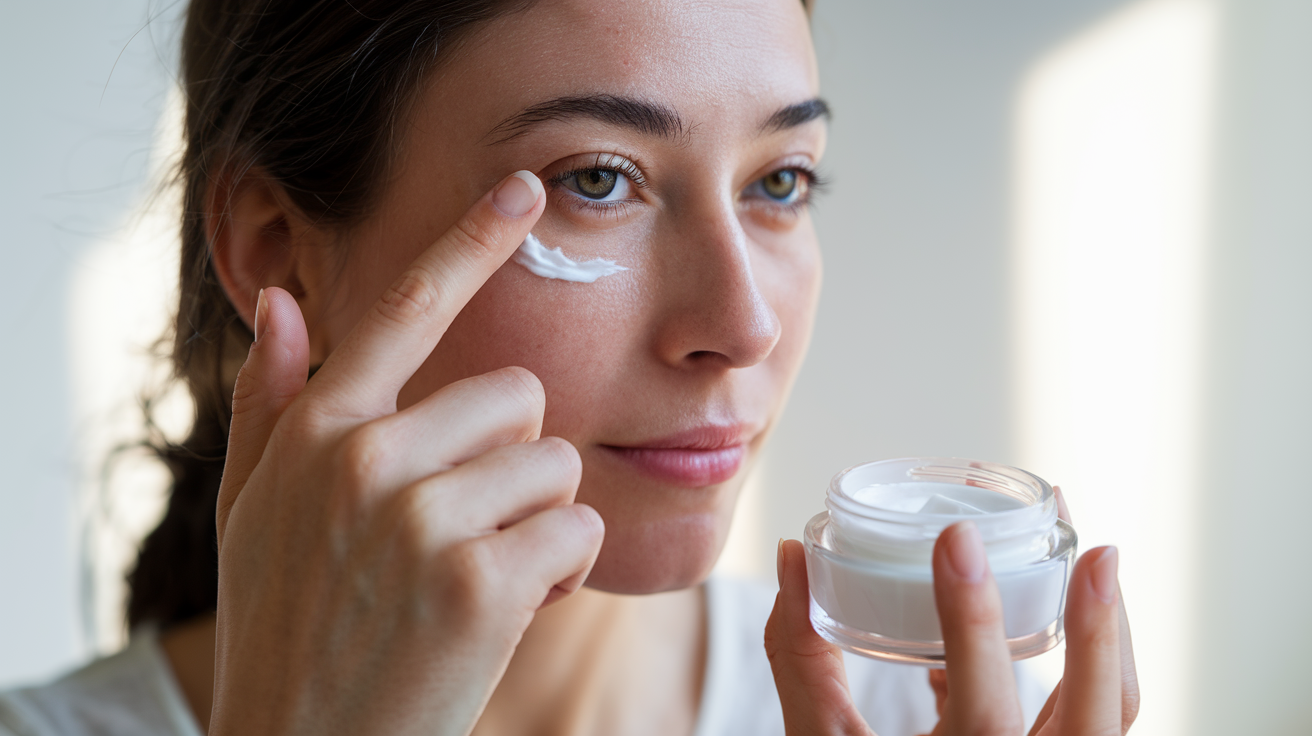
Ever squeeze out a generous dollop of eye cream, thinking more product equals better results? You might be doing your delicate under-eye area more harm than good. The truth is, most people dramatically overestimate how much eye cream they need—and that mistake could be causing puffiness, milia, and even making fine lines look worse.
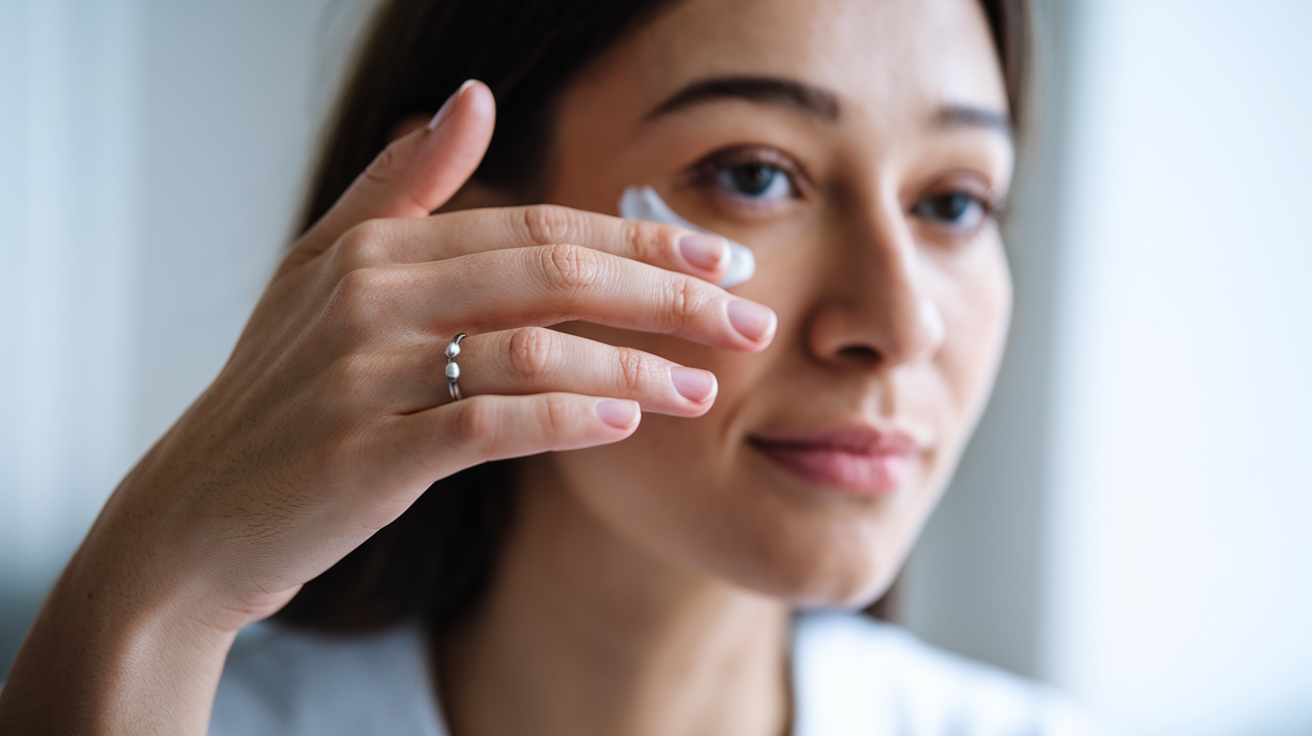
The skin around your eyes is about ten times thinner than the rest of your face. It needs careful handling, not heavy layers of product. Using the right amount isn't just about making your expensive eye cream last longer (though that's a nice bonus). It's about giving that fragile skin exactly what it needs to look smoother and less tired-looking, without overwhelming it.
The Rice Grain Rule: Why Less Is Actually More
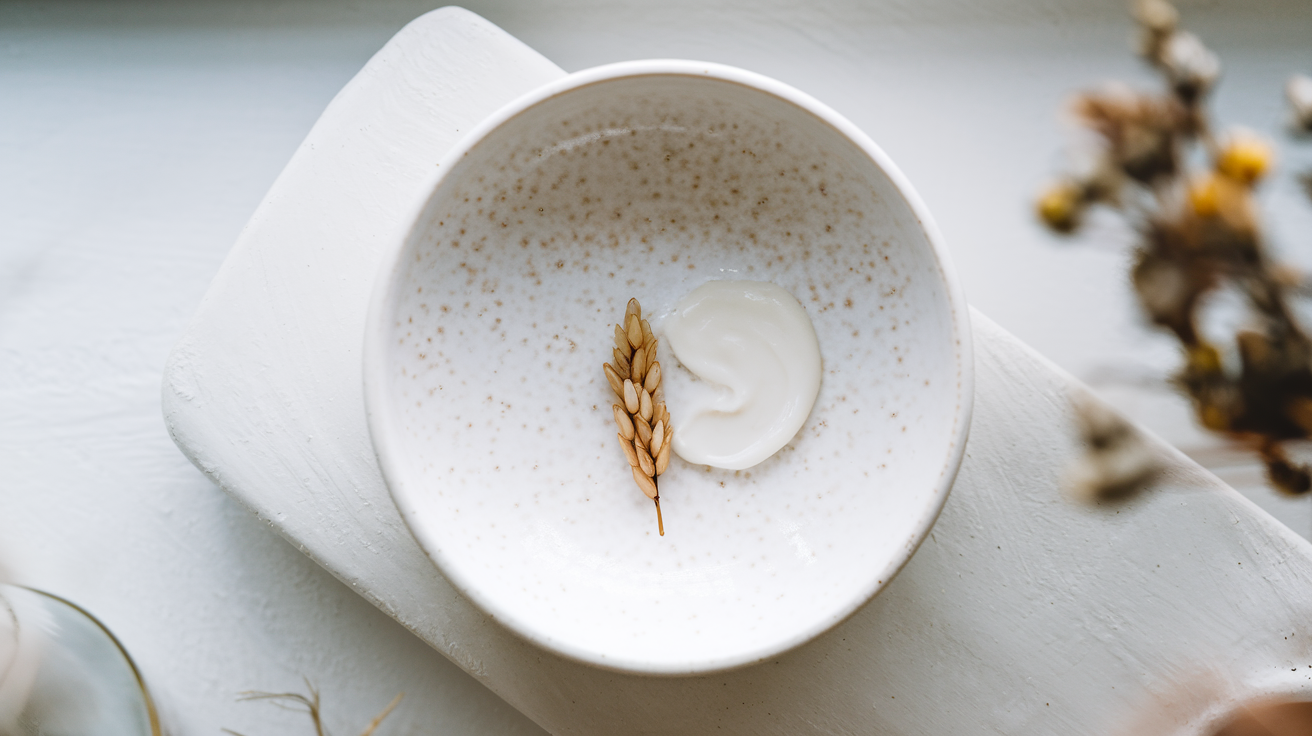
Dermatologists and skincare experts consistently recommend the rice grain rule: use an amount roughly the size of a single grain of rice per eye. That's it. Not a pea-sized amount. Not a fingertip full. Just one tiny grain of rice worth of product.
Why so little? The under-eye area has very few oil glands compared to the rest of your face. When you pile on too much cream, your skin can't absorb it all. The excess just sits on the surface, potentially migrating into your eyes (hello, blurry vision), clogging pores, or creating a heavy feeling that makes the skin look even more tired.
This might feel counterintuitive if you've been slathering on eye cream for years. But that thin skin absorbs active ingredients efficiently. A small amount spreads further than you think when applied correctly.
If you're looking for a affiliate one that walks you through proper under-eye care step by step, you'll find detailed measurements and application techniques that take the guesswork out of your routine.
Signs You're Using Too Much Eye Cream
Your skin will tell you when you've crossed the line from helpful to excessive. Here are the telltale signs you're overdoing it:
Puffiness that wasn't there before. If your under-eyes look more swollen after applying cream, you're likely using too much. Excess product can trap fluid and make the delicate skin balloon slightly, especially in the morning when lymphatic drainage is already sluggish.
Tiny white bumps (milia). These small, hard bumps appear when dead skin cells get trapped under the surface. Heavy eye cream application is a common culprit, particularly if you're layering on thick formulas that your skin can't fully absorb.
Makeup won't stay put. If your concealer slides around or settles into lines more than usual, there's probably too much eye cream creating a slippery base. Eye cream needs time to absorb before makeup, but if you're using too much, even waiting won't help.
Stinging or watering eyes. When you use excessive amounts, the product can migrate into your eyes throughout the day, causing irritation and that uncomfortable watery feeling.
Greasy residue hours later. Your eye cream should absorb within a few minutes. If you're still feeling product on your skin an hour later, you've used too much for your skin to handle.
Tired of seeing under-eye lines before you see yourself?
If the tiny creases under your eyes make you look more tired than you feel, this guide shows the simple under-eye routine that helps soften the look of dry lines, crepey texture, and tired skin without guessing or wasting weeks on random products.
Signs You're Using Too Little Eye Cream
On the flip side, skimping too much won't give your skin the moisture and active ingredients it needs. Here's how to tell if you're being too stingy:
Dry, flaky patches. If the skin around your eyes feels tight or you notice tiny flakes when applying makeup, you're not using enough hydrating product. This delicate area needs consistent moisture to maintain a smooth appearance.
Tugging during application. Eye cream should glide on easily. If you're dragging or pulling the skin to spread a tiny amount, you need a bit more product. That tugging motion can stress the delicate skin and contribute to a more tired appearance over time.
Absorption happens instantly. While eye cream should absorb relatively quickly, if it disappears in seconds and leaves your skin feeling tight, you likely need just a touch more. The rice grain rule should give you enough product to gently pat around the entire orbital bone.
Uneven coverage. If you can only cover half the under-eye area before running out of product, you're not using enough. The cream should reach from the inner corner, under the eye, and out to the crow's feet area.
How to Measure and Apply the Perfect Amount
Getting the amount right is only half the battle. Application technique matters just as much. Here's the step-by-step method that works:
Start with clean skin. Apply eye cream after cleansing and any lightweight serums, but before heavier moisturizers. The thinnest products go on first.
Dispense one rice grain per eye. If you're using a tube or pump, squeeze out a tiny amount—seriously, smaller than you think—onto your ring finger. This finger naturally uses the least pressure, protecting that delicate skin. For reference, a rice grain is about 3-4 millimeters long and 1-2 millimeters wide.
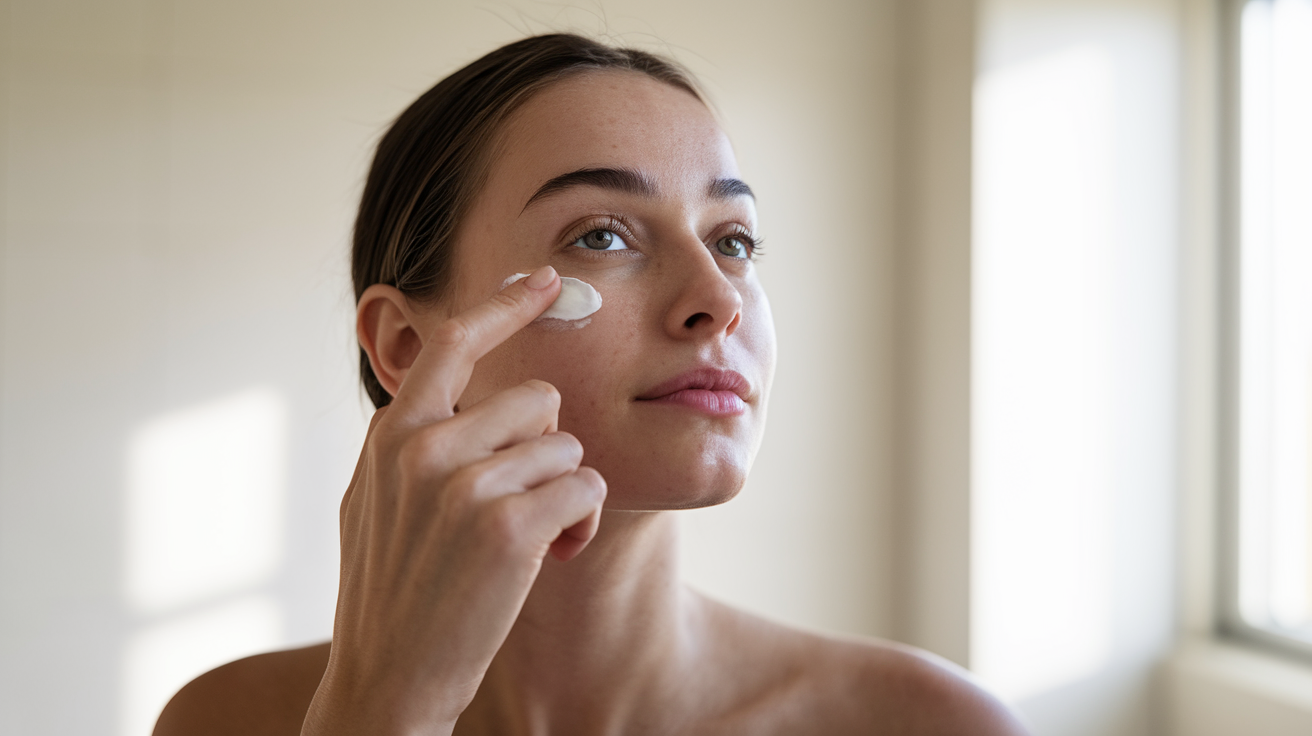
Dot, don't smear. Place tiny dots of cream in a semicircle around the orbital bone, starting from the inner corner under the eye and moving outward. Don't apply cream directly on the eyelid or too close to the lash line—it will migrate where it needs to go.
Pat gently. Use your ring finger to gently pat (never rub) the cream into the skin until absorbed. The patting motion encourages lymphatic drainage and helps reduce puffiness, while rubbing can tug the skin and make it look more tired over time.
Wait before layering. Give your eye cream 2-3 minutes to fully absorb before applying additional products or makeup. This prevents pilling and ensures maximum absorption.
Apply twice daily. Morning and evening application with the correct amount will give you better results than using too much once a day. Consistency with the right amount beats irregular heavy application every time.
If you're still feeling uncertain about your routine, an affiliate one can provide visual guidance and help you understand exactly how these techniques look in practice.
The delicate skin around your eyes deserves thoughtful care, not guesswork. By using the right amount—that humble rice grain per eye—you're giving this area exactly what it needs to look smoother, more hydrated, and less tired-looking. Your eye cream will last longer, your skin will feel better, and you'll finally stop wondering if you're doing it right.
Sometimes the most powerful skincare changes come from the smallest adjustments. This might be one of them.