Disclosure: This post contains affiliate links. We may earn a commission at no extra cost to you.
Can You Mix Retinol and Peptides in Your Eye Cream Routine? Here's What Dermatologists Say
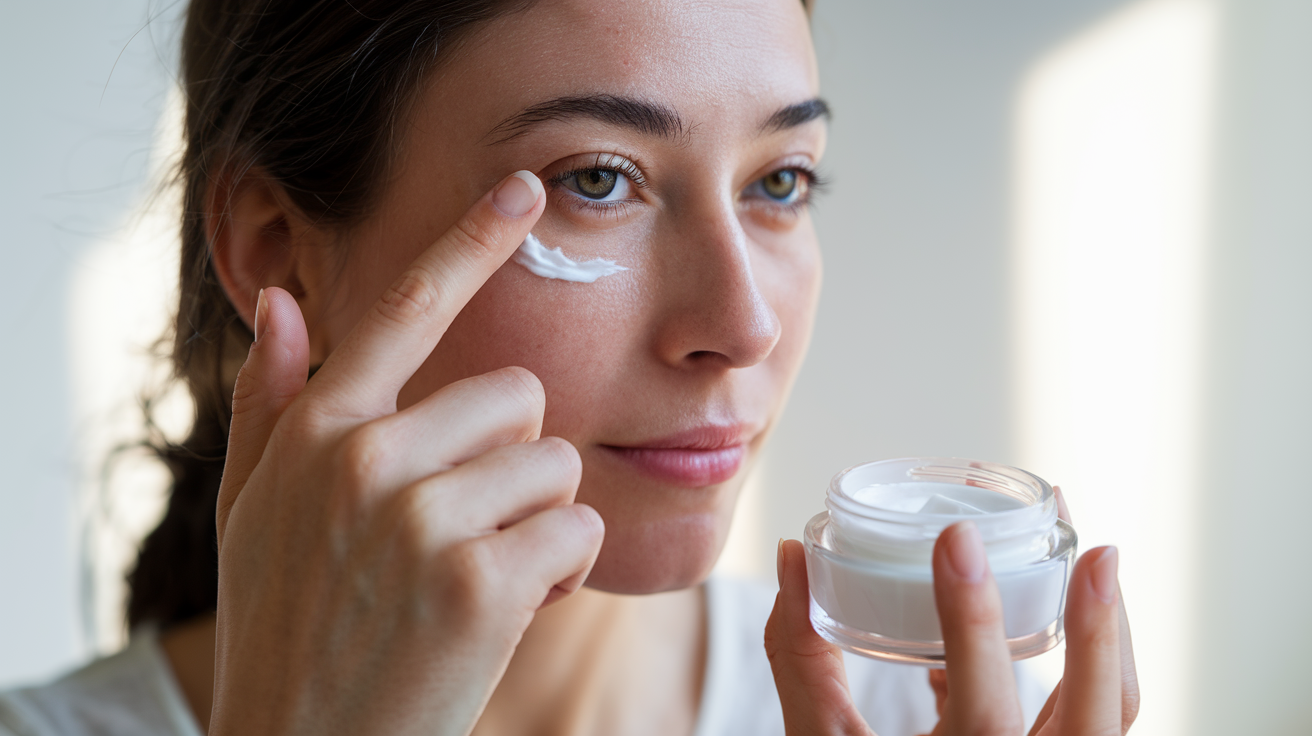
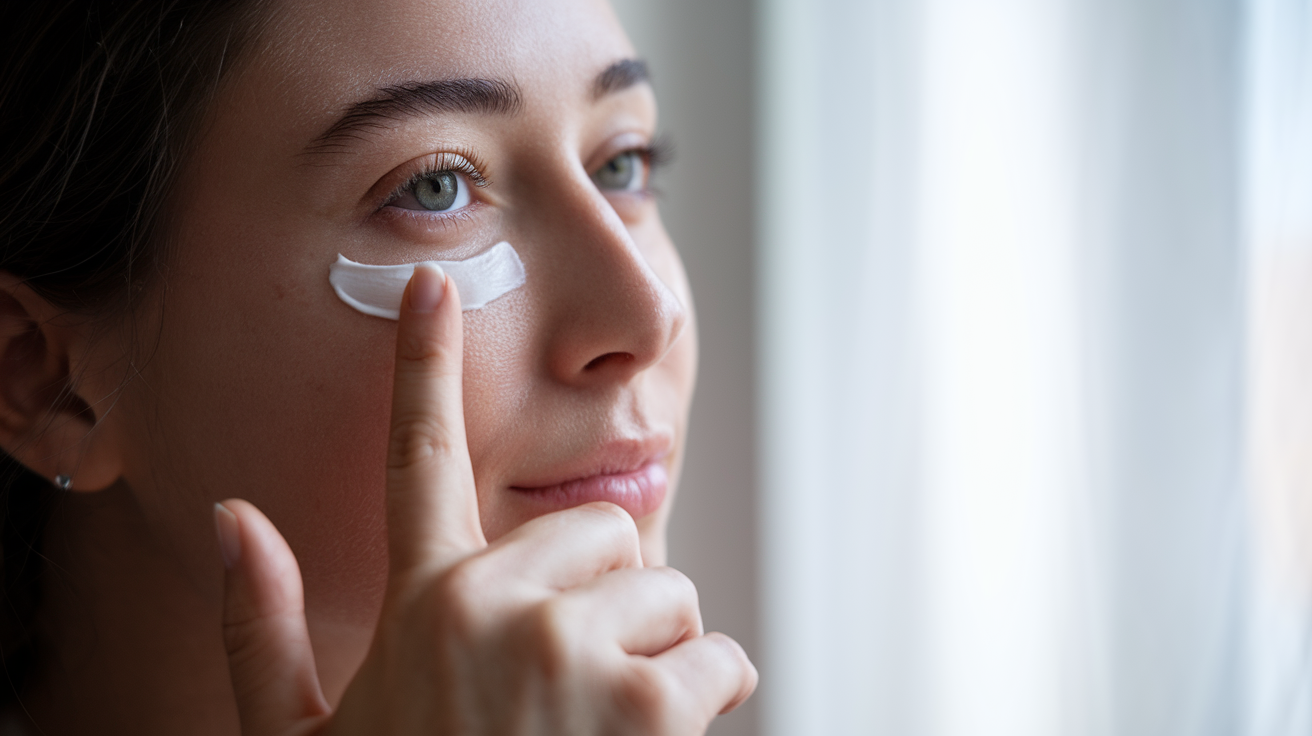
If you've ever stood in front of your bathroom mirror holding two different eye creams wondering if you can use them together, you're not alone. Retinol and peptides are two of the most talked-about ingredients for helping under-eye skin look smoother and less tired. But can you actually layer them without causing redness, flaking, or irritation?
The short answer: yes, you can combine retinol and peptides around your eyes, but timing and technique matter more than you might think. Let's break down exactly what dermatologists recommend so you can skip the guesswork and build a routine that feels comfortable on your delicate under-eye area.
Understanding How Retinol and Peptides Work Differently on Under Eye Skin
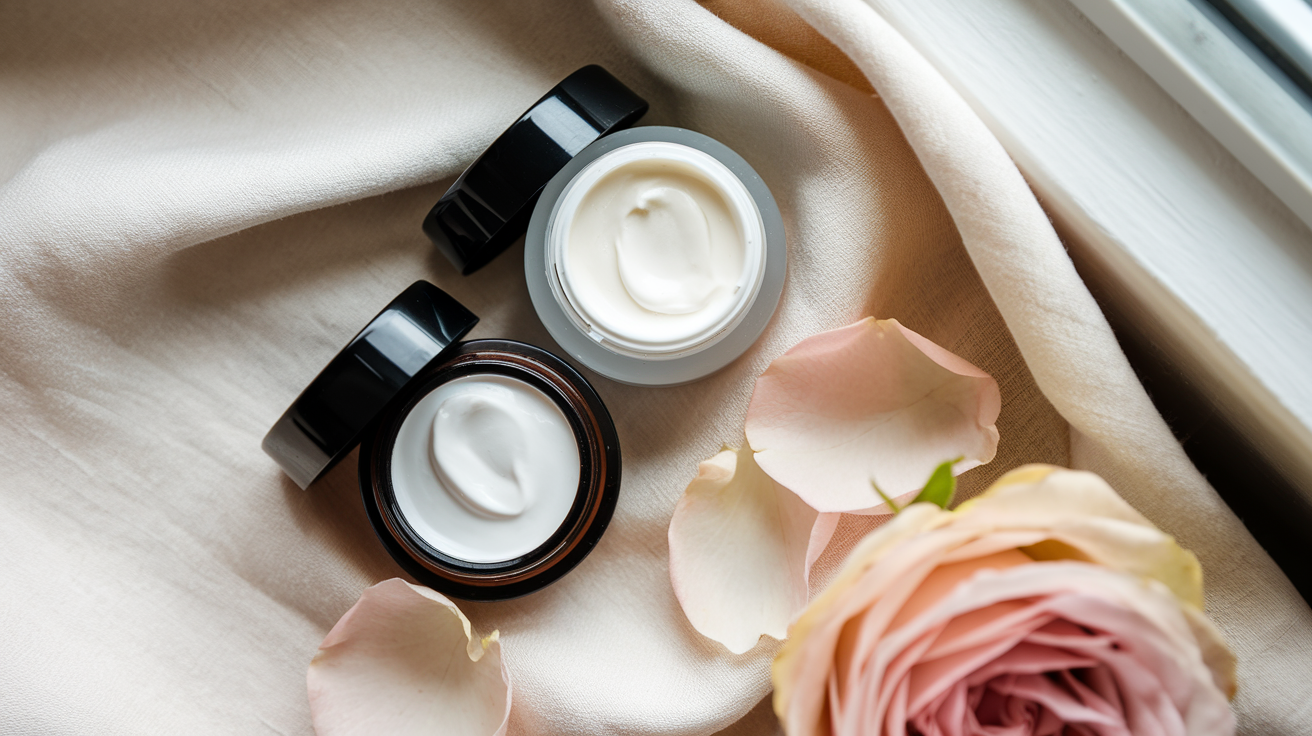
Retinol and peptides take completely different approaches when it comes to supporting your skin's appearance. Retinol is a vitamin A derivative that encourages skin cell turnover, which can help soften the look of fine lines and make skin texture appear smoother over time. It's powerful, but it can also feel drying or irritating if you're not careful, especially on the thin skin under your eyes.
Peptides, on the other hand, are short chains of amino acids that help support the skin's natural structure. Think of them as communication molecules that signal your skin to look firmer and more hydrated. They're generally gentler than retinol and work well for people who find retinol too harsh for their under-eye area.
The key difference? Retinol creates visible changes by speeding up cellular renewal, while peptides work more quietly to help skin look plumper and more resilient. Because they operate through different mechanisms, they can complement each other when used correctly.
For a detailed breakdown of how to layer these ingredients without confusion, check out this affiliate one that walks you through step-by-step routines designed specifically for the under-eye area.
The Science Behind Combining Multiple Active Ingredients Around Your Eyes
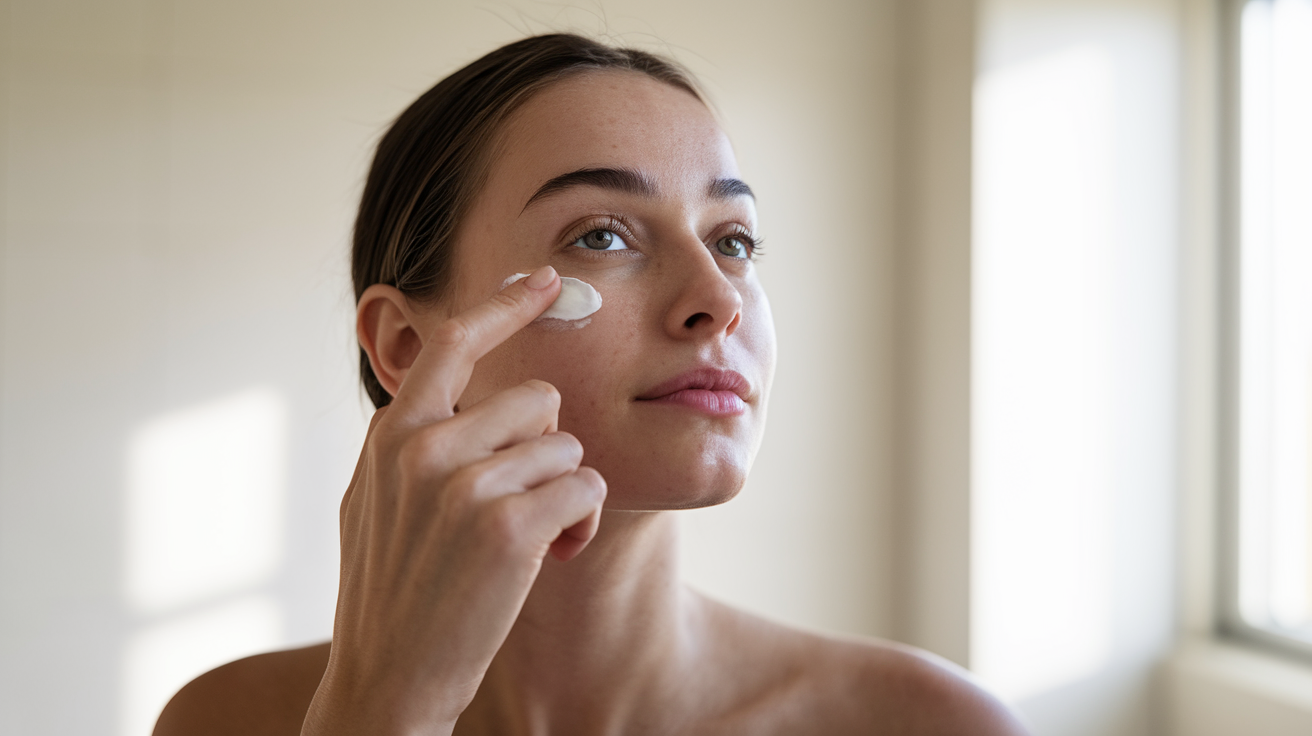
Your under-eye skin is about ten times thinner than the skin on your cheeks, which means it absorbs ingredients faster and reacts more quickly to irritation. This is why layering actives around your eyes requires more care than layering them on your face.
When you combine retinol and peptides, you're not creating a chemical reaction that makes them dangerous. Instead, the concern is about overwhelming delicate skin with too much activity at once. Retinol can temporarily compromise your skin barrier while it works, and if your barrier is weakened, other ingredients might penetrate deeper than intended, causing sensitivity.
That said, peptides are generally soothing and hydrating, which makes them an ideal pairing with retinol. They can help counterbalance some of the dryness retinol might cause. The trick is giving your skin time to adjust and not starting both ingredients on the same night if you're new to either one.
Tired of seeing under-eye lines before you see yourself?
If the tiny creases under your eyes make you look more tired than you feel, this guide shows the simple under-eye routine that helps soften the look of dry lines, crepey texture, and tired skin without guessing or wasting weeks on random products.
Dermatologists often recommend introducing retinol first, letting your skin build tolerance over several weeks, and then adding peptides into your routine. This staged approach minimizes the chance of irritation while still giving you the benefits of both ingredients.
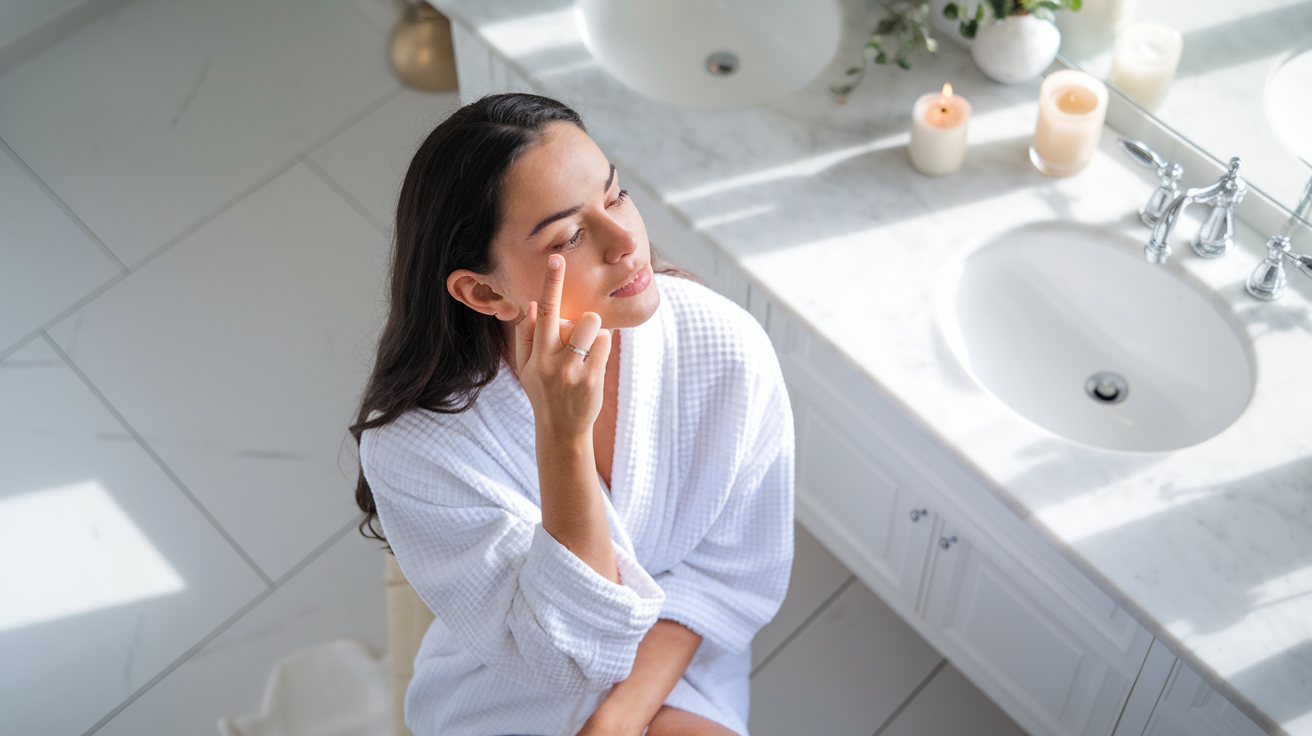
Safe Eye Cream Combinations That Actually Boost Anti-Aging Results
If you want to use retinol and peptides together, here's how to do it without stressing out your under-eye skin:
Start slow with retinol. If you're new to retinol around your eyes, begin with a low concentration, like 0.25% or 0.5%, and use it just twice a week. Apply it after cleansing and before your moisturizer. Give your skin at least three to four weeks to adjust before increasing frequency.
Layer peptides on top. Once your skin tolerates retinol comfortably, you can add a peptide eye cream as your final step. Peptides are hydrating and calming, so they work beautifully over retinol to help soothe any dryness and lock in moisture.
Alternate nights if needed. If using both on the same night feels too intense, try retinol on Monday, Wednesday, and Friday nights, and peptides on Tuesday, Thursday, and Saturday. This gives your skin a break while still delivering active ingredients consistently.
Always follow with a rich moisturizer. Whether you're using one active or both, finish with a nourishing eye cream or face moisturizer that contains ceramides, hyaluronic acid, or squalane. This helps reinforce your skin barrier and prevents that tight, uncomfortable feeling.
For more guidance on building a safe and effective under-eye routine with layered actives, this affiliate one offers practical tips you can start using tonight.
Dangerous Ingredient Pairings That Can Damage Your Delicate Under Eye Area
While retinol and peptides play nicely together, not all ingredient combinations are safe for your under-eye skin. Here are a few pairings to avoid:
Retinol + Vitamin C (at the same time). Both are powerful actives, and using them together can increase irritation, especially around your eyes. If you want to use both, apply vitamin C in the morning and retinol at night.
Retinol + AHAs or BHAs. Acids like glycolic acid or salicylic acid are too harsh for the under-eye area when combined with retinol. This combo can cause redness, peeling, and even broken capillaries. Save acids for your face and keep them away from your eyes.
Multiple retinoids at once. Using two different retinol products or mixing retinol with prescription retinoids like tretinoin is overkill. Stick to one retinoid at a time to avoid overwhelming your skin.
Fragrance-heavy products with actives. Fragrance can be irritating on its own, and when combined with retinol or other actives, it increases the risk of sensitivity. Choose fragrance-free formulas for your under-eye area whenever possible.
The under-eye area doesn't need a complicated routine to look smoother and less tired. It needs the right ingredients, used in the right order, with patience and consistency. Retinol and peptides can absolutely work together as long as you respect your skin's limits and give it time to adjust.
If you're dealing with dryness, irritation, or uncertainty about what to use first, slow down and simplify. Your skin will tell you what it can handle, and the best results come from routines you can stick with long-term, not from cramming every trending ingredient into one night.