Disclosure: This post contains affiliate links. We may earn a commission at no extra cost to you.
When to Apply Eye Cream in Your Skincare Routine: The Complete Guide
Published October 29, 2026
Are you applying your eye cream at the wrong time and wondering why your under-eye area still looks tired? The truth is, timing matters just as much as the product itself. You could be using the most luxurious eye cream on the market, but if you're layering it incorrectly or applying it at the wrong stage of your routine, you're not giving your skin the best chance to absorb those nourishing ingredients. In this guide, we'll walk through exactly when to apply eye cream in both your morning and nighttime routines so you can feel more confident about your skincare steps.
Why the Order of Application Matters for Eye Cream Effectiveness
The skin around your eyes is thinner and more delicate than the rest of your face. That means it needs special attention, not just in what you apply, but when you apply it.
Most skincare products work best when they're layered from thinnest to thickest consistency. This allows lighter formulas to absorb first without being blocked by heavier creams or oils. Eye creams typically fall somewhere in the middle—thicker than serums but lighter than some moisturizers.
If you apply eye cream after a heavy moisturizer, the richer texture can act as a barrier, preventing the active ingredients in your eye cream from reaching the skin. On the other hand, if you apply it too early—like before your toner or essence—you might dilute its effectiveness.
Another reason order matters: certain ingredients work better when layered correctly. For example, if you're using a vitamin C serum in the morning, you'll want that to absorb before adding your eye cream. The same goes for retinol-based treatments at night.
Getting the sequence right means you're not just going through the motions—you're actually supporting your skin in looking smoother and less tired over time.
Step-by-Step: Morning Eye Cream Application Sequence
Your morning routine is all about protection and prep. Here's the order that works for most people:
Step 1: Cleanser
Start with a gentle cleanser to remove overnight oils and prepare your skin for the rest of your routine.
Step 2: Toner or essence
Apply a hydrating toner or essence to balance your skin's pH and add a first layer of moisture.
Step 3: Serum
This is where you'd apply lightweight serums like vitamin C, hyaluronic acid, or peptides. Let them absorb for 30 to 60 seconds.
Step 4: Eye cream
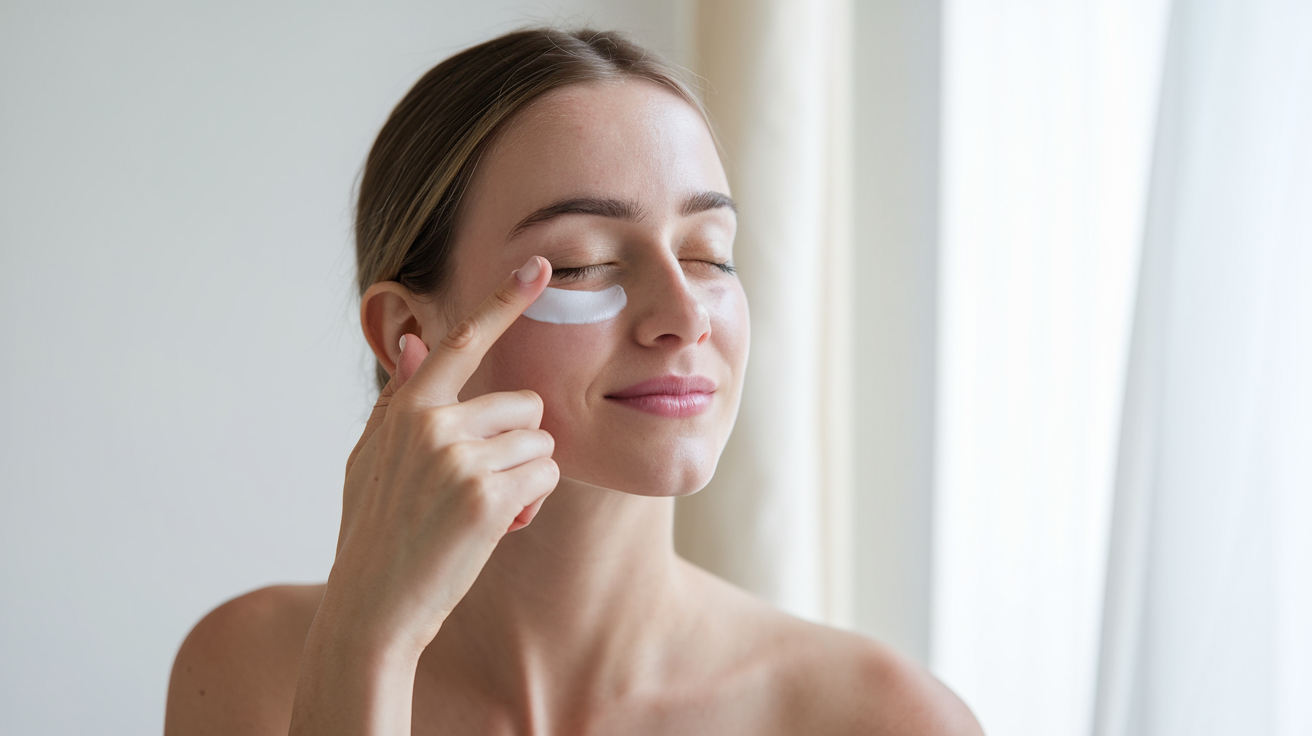
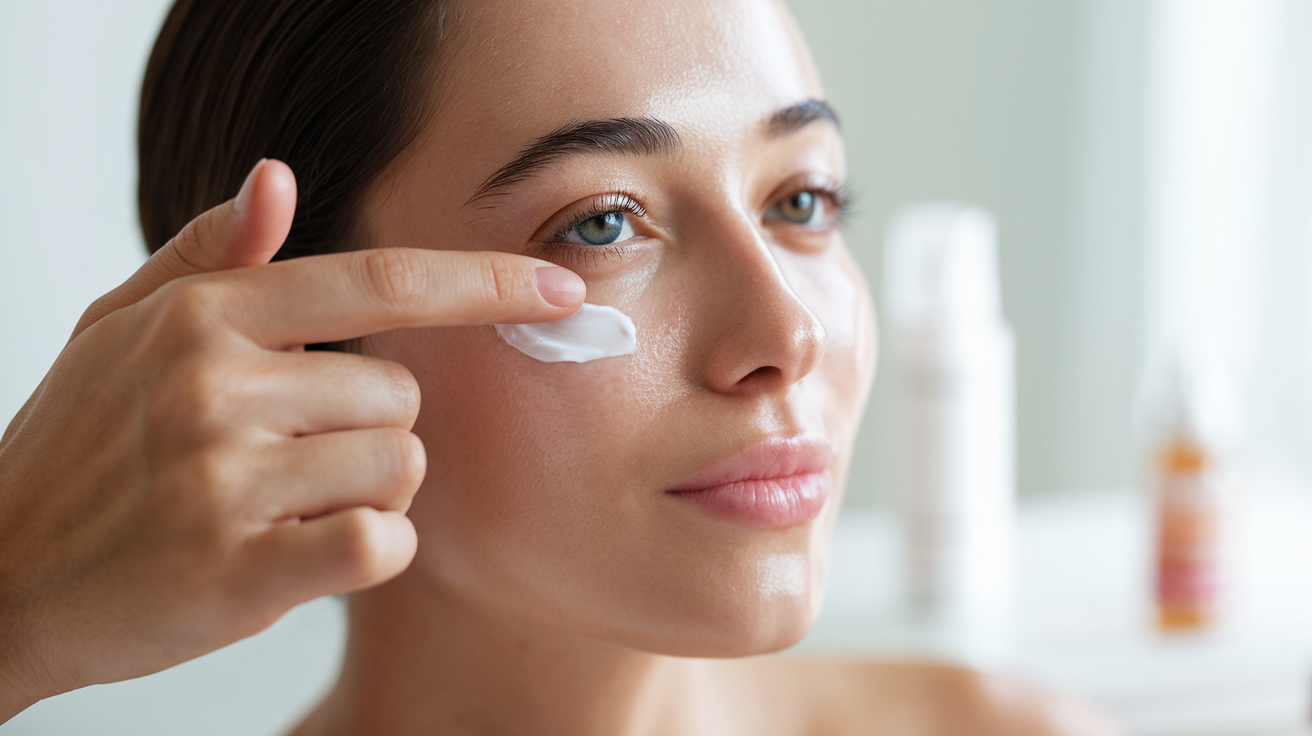
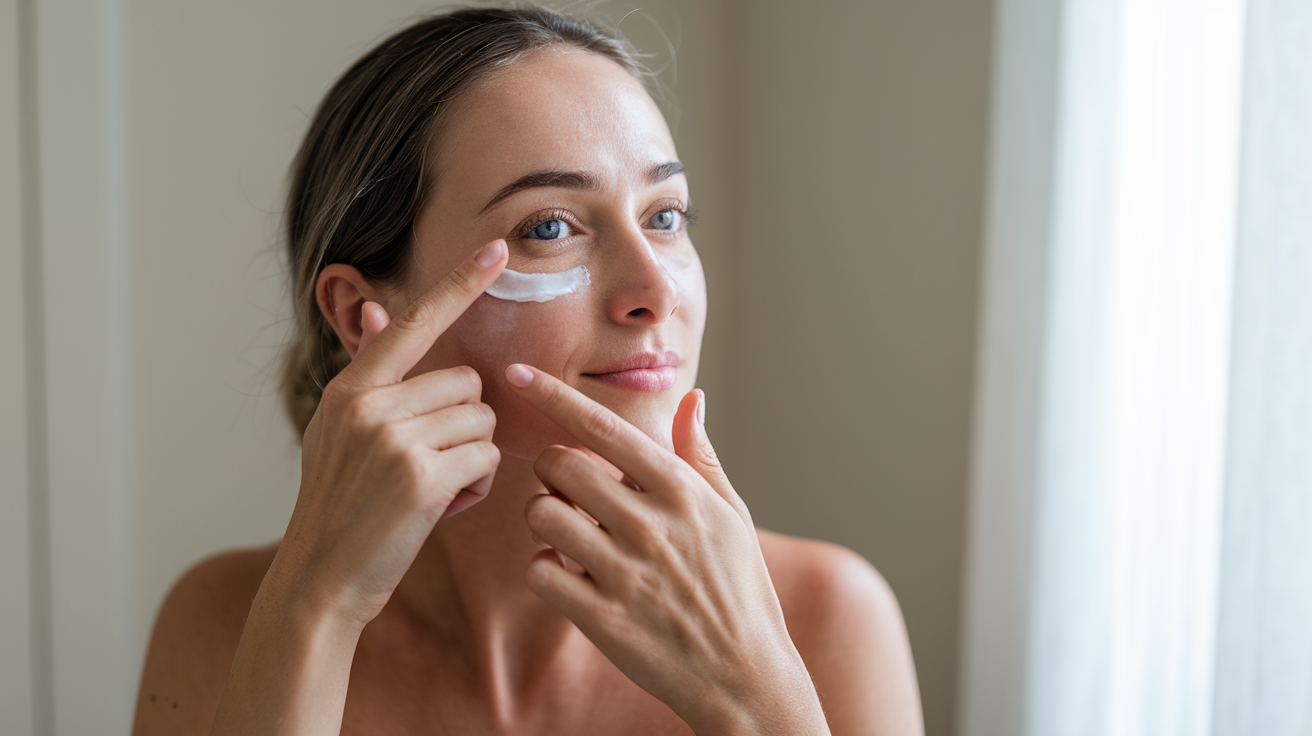
Now it's time for your eye cream. Use your ring finger to gently tap a small amount along the orbital bone, starting from the inner corner and moving outward. Avoid pulling or rubbing the delicate skin.
Step 5: Moisturizer
Follow with your face moisturizer, being careful not to overlap too much into the eye area where you've already applied cream.
Step 6: SPF
Always finish with sunscreen. This is non-negotiable if you want to reduce the appearance of fine lines and protect against further signs of aging.
If you're looking for a structured approach to caring for the under-eye area, this affiliate one breaks down exactly how to build a routine that supports smoother-looking skin.
Tired of seeing under-eye lines before you see yourself?
If the tiny creases under your eyes make you look more tired than you feel, this guide shows the simple under-eye routine that helps soften the look of dry lines, crepey texture, and tired skin without guessing or wasting weeks on random products.
Step-by-Step: Nighttime Eye Cream Application Sequence
Your nighttime routine is when your skin does most of its repair work. Here's how to layer your eye cream for the best overnight support:
Step 1: Double cleanse
Start with an oil-based cleanser to remove makeup and sunscreen, then follow with a water-based cleanser to clean your skin thoroughly.
Step 2: Toner or essence
Apply your toner to rehydrate and prep the skin.
Step 3: Treatment serums
This is where you'd use actives like retinol, peptides, or niacinamide. If you're using a retinol product, let it absorb fully before moving on.
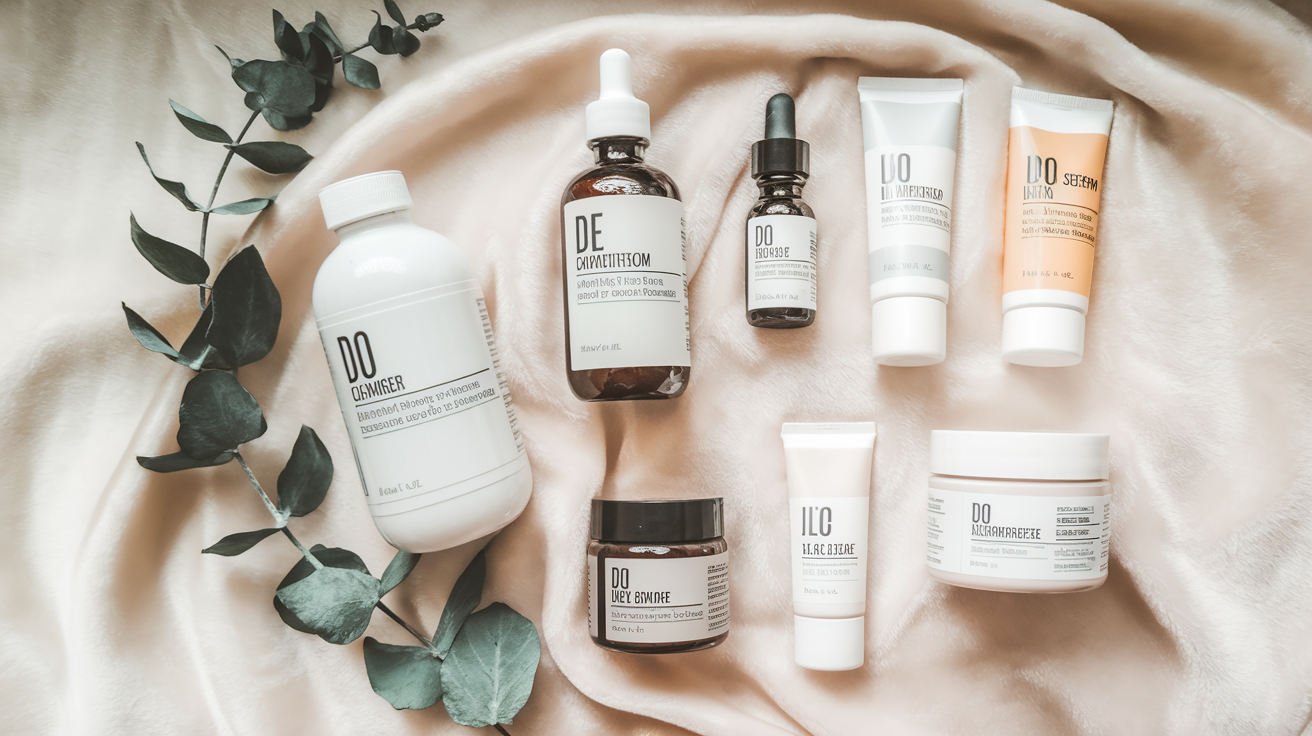
Step 4: Eye cream
Apply your nighttime eye cream using the same gentle tapping motion. Nighttime formulas are often richer and more nourishing, so a little goes a long way.
Step 5: Moisturizer or night cream
Seal everything in with a richer moisturizer or night cream. This helps lock in hydration while you sleep.
Step 6: Facial oil (optional)
If you use a facial oil, this goes last. It acts as a final occlusive layer to prevent moisture loss overnight.
Keep in mind that some active ingredients—like retinol—can be too strong for the eye area. If your treatment serum is retinol-based, you may want to skip it around the eyes and rely on your eye cream to do the work instead.
Common Eye Cream Timing Mistakes That Reduce Results
Even with the best intentions, it's easy to make small mistakes that can reduce how well your eye cream works. Here are the most common timing errors:
Applying eye cream on damp skin too early
While damp skin can help some products absorb, applying eye cream immediately after cleansing—before toner or serum—can dilute the formula and reduce its effectiveness.
Layering eye cream after a heavy occlusive
If you apply a thick moisturizer or facial oil first, your eye cream won't be able to penetrate the skin properly. Always go from thinnest to thickest.
Using too much product
More isn't better. A pea-sized amount is enough for both eyes. Over-applying can lead to irritation or milia, those tiny white bumps that form under the skin.
Skipping eye cream in the morning
Some people only use eye cream at night, but morning application is just as important. It helps prep the under-eye area for makeup and provides a base layer of hydration throughout the day.
Applying eye cream too close to the lash line
The skin right at the lash line is incredibly sensitive. Keep your eye cream on the orbital bone to avoid irritation or puffiness.
Not waiting between steps
Rushing through your routine means products don't have time to absorb. Give each layer 30 to 60 seconds before adding the next one, especially before and after eye cream.
If you're still not sure whether your routine is set up correctly, this affiliate one offers a clear step-by-step breakdown for creating a targeted under-eye routine that fits your skin type and goals.
The bottom line: when you apply your eye cream matters just as much as which one you choose. By layering it at the right time—after serums but before moisturizer—you give your skin the best chance to absorb the ingredients and support a smoother, less tired-looking appearance over time.