Disclosure: This post contains affiliate links. We may earn a commission at no extra cost to you.
When to Apply Eye Cream in Your Skincare Routine: The Complete Guide
October 27, 2026
Are you applying your eye cream at the wrong time? You might be surprised to learn that when you apply your eye cream can be just as important as which product you choose. If you've been wondering why your eye cream doesn't seem to be working, the timing might be the issue.
The delicate skin around your eyes deserves special attention. Unlike the rest of your face, this thin skin shows signs of aging faster and needs targeted care at the right moment in your routine. Getting the order wrong can mean your eye cream sits on top of other products without actually reaching your skin, or worse, it can prevent your other skincare from working properly.
Why Eye Cream Placement Matters for Maximum Results
The order of your skincare routine isn't just about being organized. It's about making sure each product can actually do its job.
Eye creams are formulated differently than face moisturizers. They're typically richer, more concentrated, and designed to address specific concerns like the appearance of fine lines, puffiness, and tired-looking skin. When you apply them at the wrong step, you create a barrier that prevents the active ingredients from reaching the under-eye area.
Think of it this way: if you apply a thick occlusive moisturizer first, then try to pat on eye cream, you're essentially asking that eye cream to penetrate through a sealed layer. It won't work.
The general rule in skincare is to apply products from thinnest to thickest consistency. This allows lighter formulas to absorb first, followed by heavier creams that lock everything in. Eye cream usually falls somewhere in the middle of this spectrum, which is why placement matters.
Another reason timing matters? Some eye creams contain ingredients that work better when applied to clean, slightly damp skin. Others need to go on after certain serums to boost effectiveness. If you want to see smoother-looking skin around your eyes, you need to give your products the best chance to absorb.
The Correct Order: Where Eye Cream Fits in Your Morning Routine
Your morning routine sets the tone for how your skin looks all day. Here's where eye cream should fit in.
Start with a gentle cleanser. Even if you cleansed the night before, your skin produces oil overnight and needs a fresh start. Use lukewarm water and pat your face dry, leaving it slightly damp.
Next comes toner or essence if you use one. These watery products prep your skin and help with absorption. Don't skip the eye area when applying toner.
Now it's time for serums. If you're using a vitamin C serum or any targeted treatment, apply it after toner but before eye cream. These lightweight formulas need direct contact with your skin to work effectively.
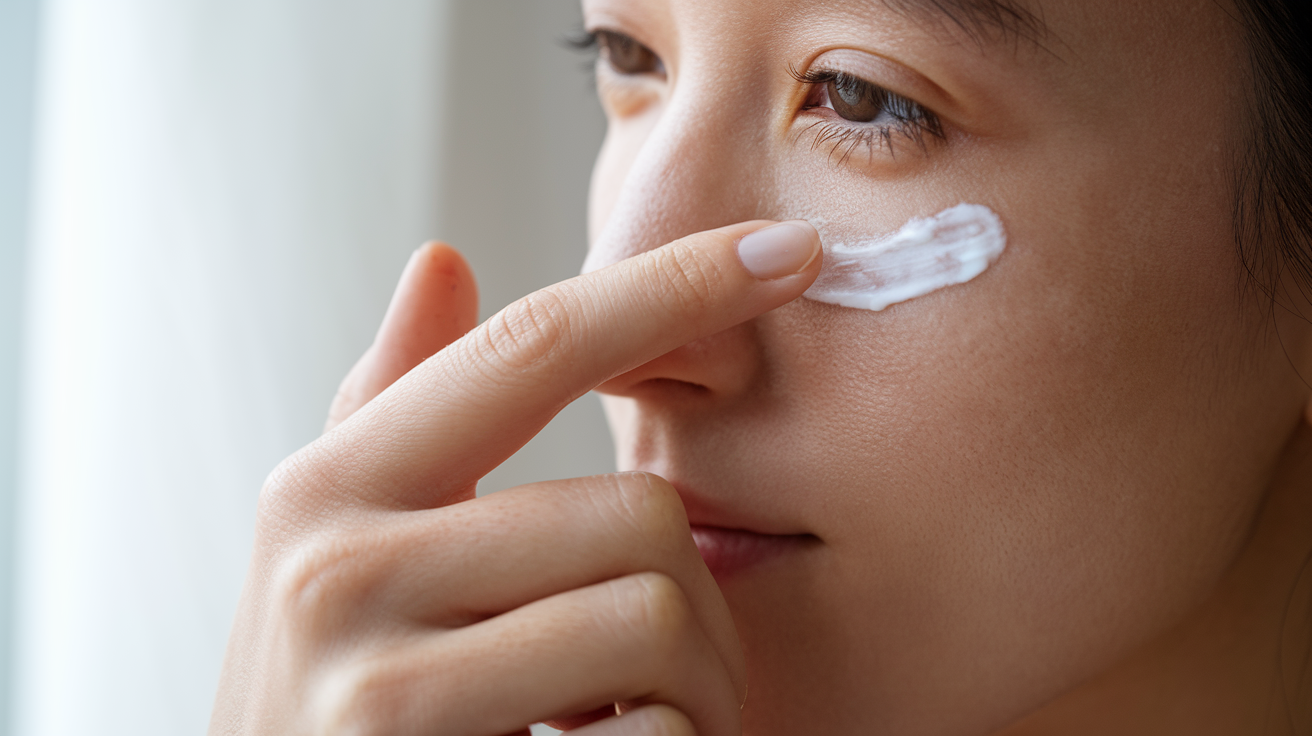
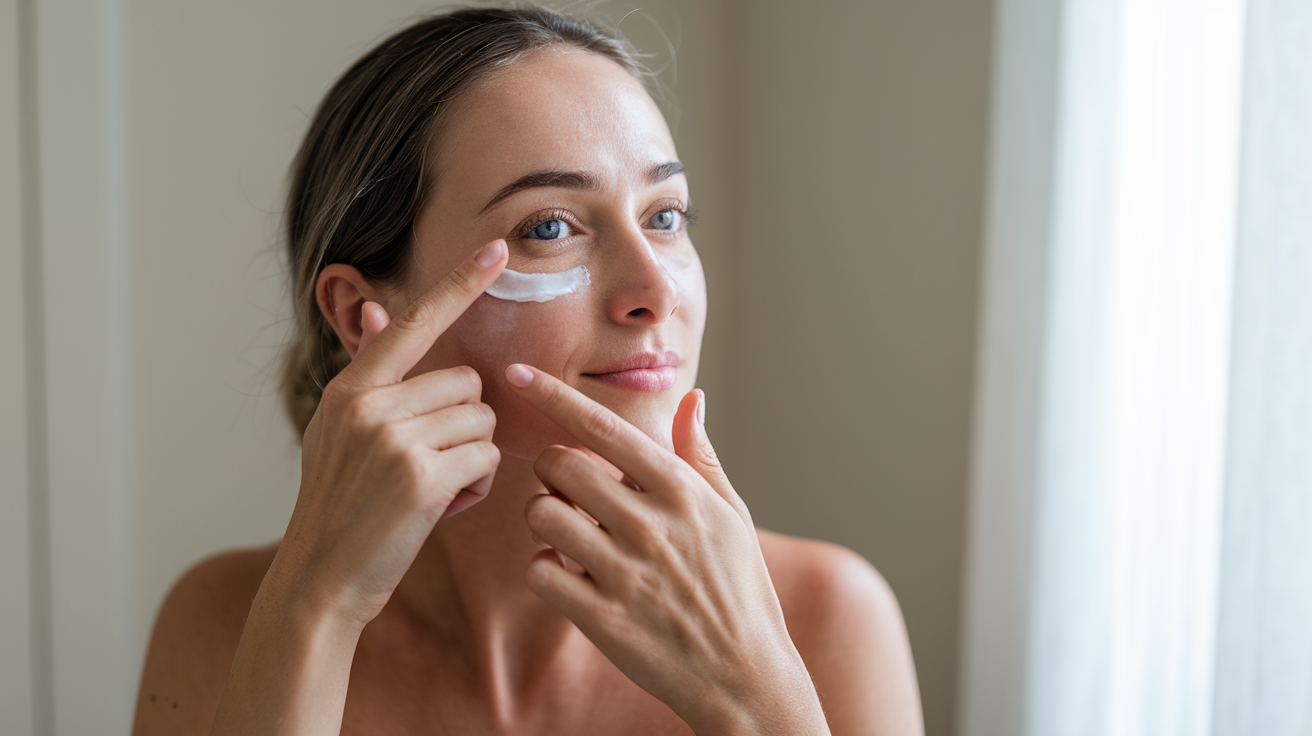
Here's where eye cream comes in. After your serums have absorbed for about 30 seconds to a minute, gently pat a rice-grain-sized amount of eye cream around your orbital bone. Use your ring finger (it applies the least pressure) and tap gently rather than rubbing. This helps prevent tugging on the delicate skin.
Wait another minute, then apply your face moisturizer. You can bring your moisturizer close to the eye area, but the eye cream should be your primary treatment for that zone.
Finish with SPF. Sunscreen always goes last in your morning routine, and yes, you need it around your eyes too. Some eye creams include SPF, but if yours doesn't, make sure your facial sunscreen covers that area or use a separate eye-safe SPF product.
Tired of seeing under-eye lines before you see yourself?
If the tiny creases under your eyes make you look more tired than you feel, this guide shows the simple under-eye routine that helps soften the look of dry lines, crepey texture, and tired skin without guessing or wasting weeks on random products.
Evening Skincare Sequence: Timing Your Eye Cream Application
Your nighttime routine is when your skin does its repair work, so getting the order right is crucial.
Start by removing makeup and sunscreen with a cleansing balm or micellar water. Pay special attention to the eye area, using gentle downward motions. Follow with your regular cleanser to make sure everything is removed.
If you're using any treatment products like retinol or acids, this is where timing gets specific. Some people prefer to apply eye cream before retinol to create a protective buffer around the delicate eye area. Others apply retinol first, wait for it to dry, then follow with eye cream.
There's no single right answer here because it depends on your skin sensitivity and the strength of your treatment products. If you're new to retinol or have sensitive skin, applying eye cream first can help prevent irritation. If your skin tolerates actives well and you want maximum benefit, you might apply retinol first.
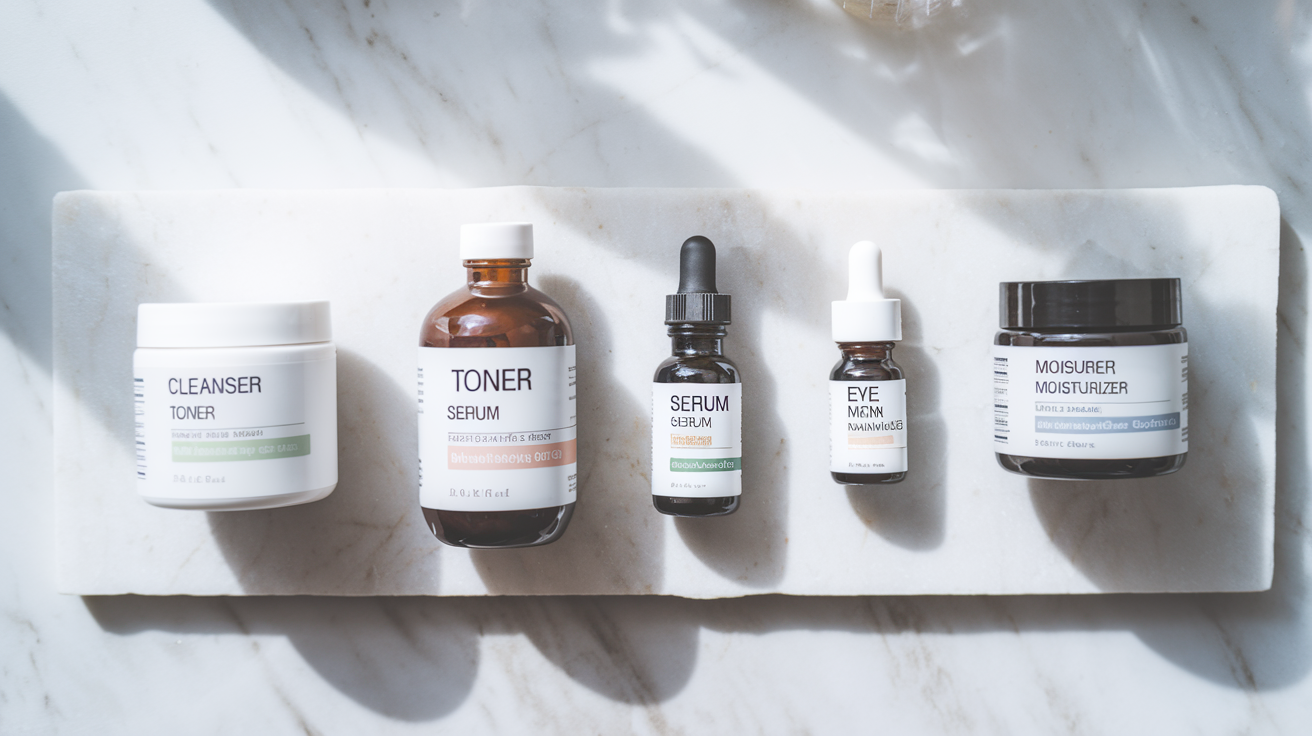
For a standard evening routine without strong actives, the sequence looks like this: cleanser, toner, serum, eye cream, then night moisturizer or face oil.
One helpful tip: apply your eye cream while your skin is still slightly damp from toner or essence. This can help with absorption and makes the product spread more easily.
If you're using multiple eye products (like a serum and a cream), apply the lighter consistency first. An eye serum would go on before a richer eye cream.
For those following an affiliate one approach to under-eye care, layering products correctly in the evening routine helps create smoother-looking skin by morning.
Common Timing Mistakes That Reduce Eye Cream Effectiveness
Even with the best intentions, it's easy to make mistakes that waste your product and your time.
One of the biggest mistakes is applying eye cream on dirty skin. If you haven't cleansed properly, you're just spreading makeup, oil, and debris around your eye area. Your eye cream can't penetrate through all that buildup.
Another common error is applying too much product at once. More isn't better with eye cream. A pea-sized amount (or even less) is enough for both eyes. Using too much can lead to milia, those tiny white bumps that form when product gets trapped under the skin.
Applying eye cream too close to bedtime is another mistake. If you put on your eye cream right before lying down, it can migrate into your eyes overnight, causing puffiness by morning. Try to apply your nighttime skincare at least 30 minutes before bed.
Some people skip eye cream in the morning, thinking it's only a nighttime product. But daytime eye cream helps protect the under-eye area and creates a smooth base for concealer. Morning and evening application addresses different needs throughout the day.
Rubbing instead of patting is a technique mistake that affects timing too. When you rub eye cream in, you're pulling on delicate skin and the product doesn't absorb as well. Gentle patting motions help the cream sink in without causing stress to the area.
Not waiting between steps is another issue. If you pile on moisturizer immediately after eye cream, you're diluting the eye cream and preventing proper absorption. Give each product 30 to 60 seconds to settle before adding the next layer.
Finally, inconsistent application times can reduce effectiveness. Your skin responds best to routine. Applying eye cream at wildly different times each day means your skin never gets into a rhythm of repair and protection.
If you're struggling to remember the right order or want a simplified approach that works, an affiliate one routine can help you build consistency without overthinking every step.
Getting the timing right doesn't require complicated schedules or expensive tools. It just takes understanding how your products work together and being consistent with when you apply them. Whether you're addressing the appearance of fine lines, puffiness, or tired-looking eyes, proper timing helps your eye cream do what it's designed to do.
The delicate skin around your eyes deserves this attention to detail. When you apply your eye cream at the right time, in the right order, you're giving yourself the best chance for smoother-looking, less tired-looking eyes. It's a small change that can make a noticeable difference in how your skincare routine performs overall.