Disclosure: This post contains affiliate links. We may earn a commission at no extra cost to you.
When Should You Start Using Eye Cream? Expert Age Guidelines
Published August 3, 2026
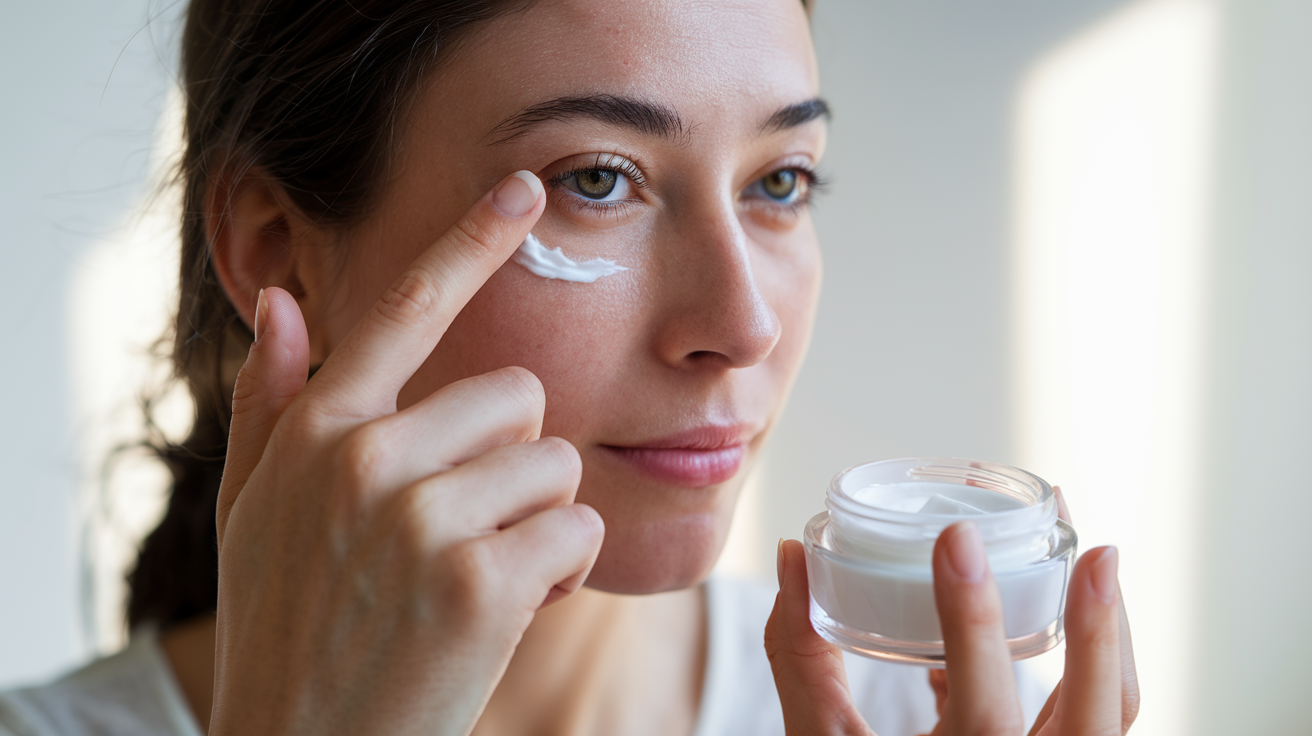
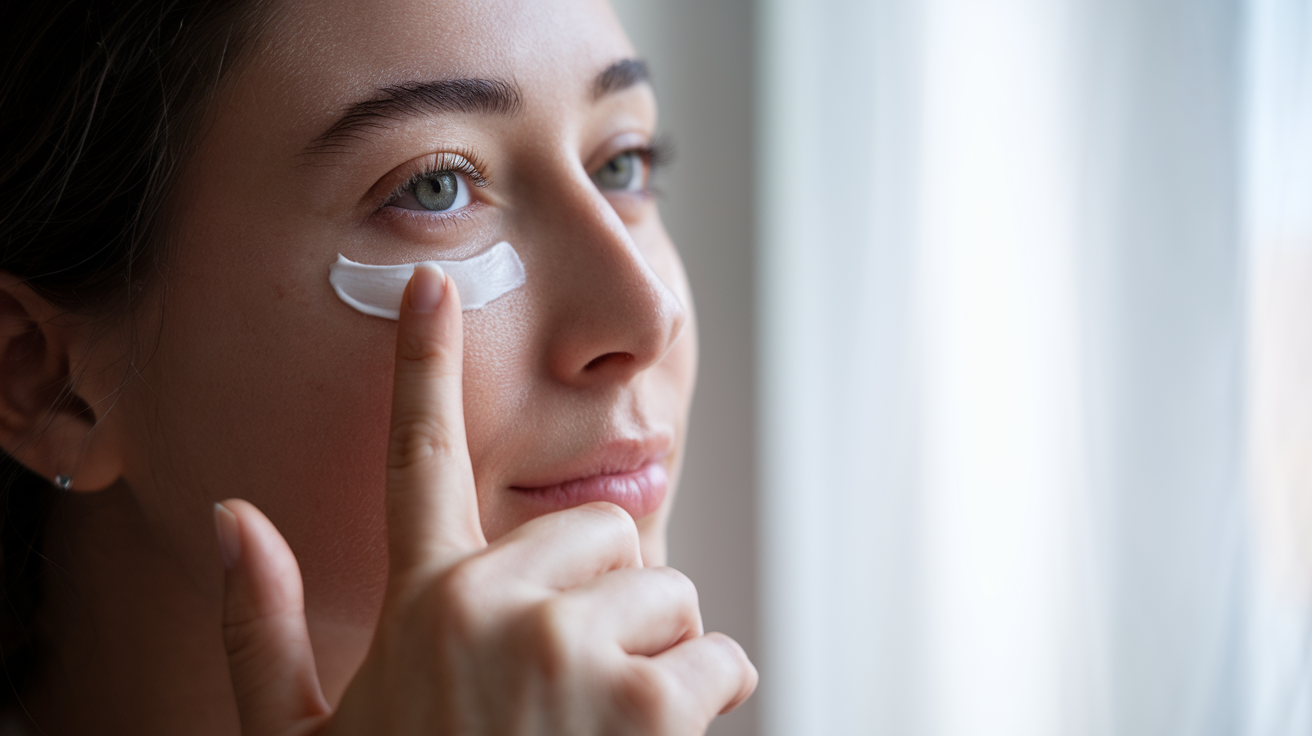
Have you ever wondered if you're too young to start using eye cream—or maybe waited too long already? The truth is, most people wait until visible signs appear before adding this step, but the delicate skin around your eyes benefits from earlier support than you might expect. Understanding when to start can help you maintain smoother-looking, less tired-looking eyes for years to come.
Why the Eye Area Ages Faster Than Other Facial Skin
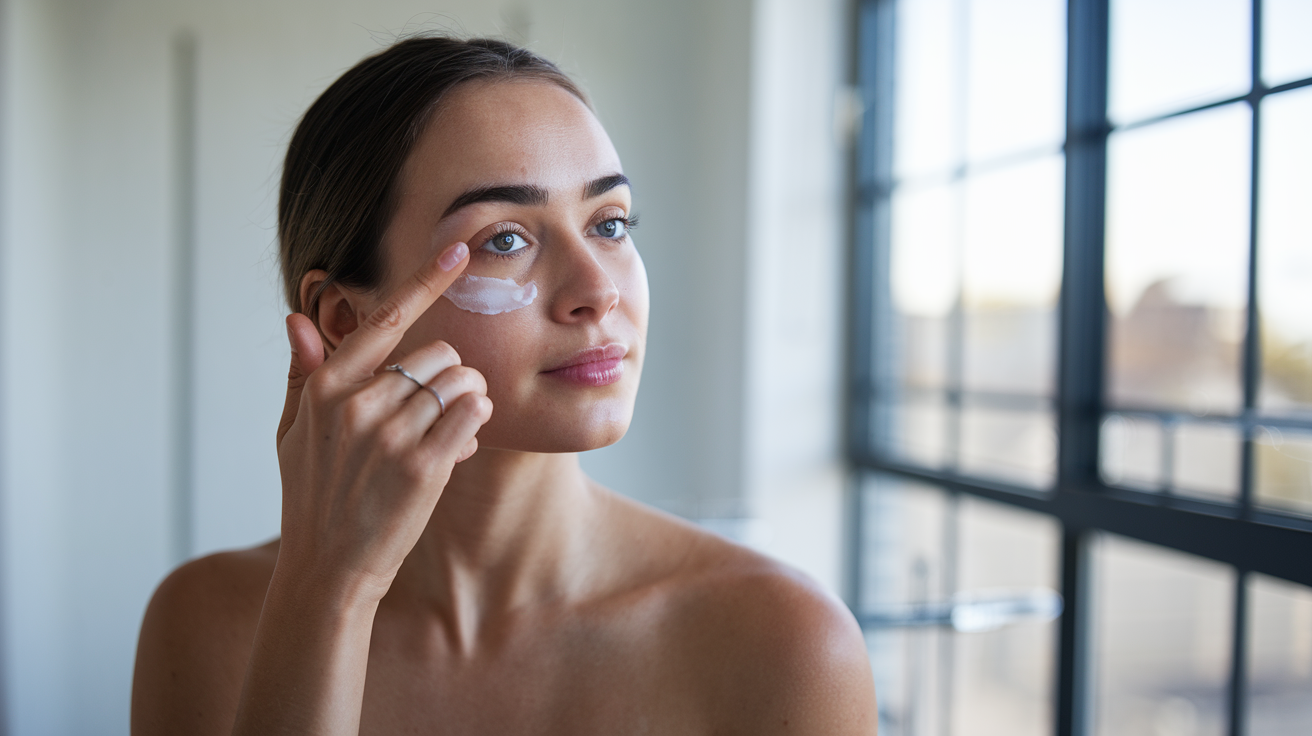
The skin around your eyes is fundamentally different from the rest of your face. It's nearly ten times thinner, which means it has fewer oil glands and less natural moisture retention. This delicate structure makes it more vulnerable to dryness, fine lines, and crepey texture.
Think about how much this area moves every single day. You blink approximately 15,000 to 20,000 times daily. Every smile, squint, and expression creates repeated motion that can contribute to visible creasing over time. Unlike thicker facial skin that bounces back more easily, the thin eye area shows these movement patterns sooner.
Environmental factors hit this zone hard too. Sun exposure, screen time, late nights, and even how you sleep can all affect how the under-eye area looks. Because there's less protective tissue and fewer natural oils, this skin loses moisture faster and shows the effects of daily stress more visibly than your cheeks or forehead.
The lack of sebaceous glands means the eye area doesn't produce the same protective barrier other parts of your face do naturally. That's why targeted eye products with hydrating and supportive ingredients can make such a difference in how this area looks and feels.
The Ideal Age to Start Using Eye Cream (It's Earlier Than You Think)
Most dermatologists suggest beginning eye cream in your mid-20s, even if you don't see any visible concerns yet. This isn't about vanity—it's about providing moisture and support to an area that needs extra care long before noticeable changes appear.
In your early to mid-20s, a lightweight hydrating eye cream helps maintain moisture balance and supports the skin barrier. Look for formulas with hyaluronic acid, peptides, or ceramides. These ingredients help keep the delicate skin plump-looking and comfortable without feeling heavy.
By your late 20s and early 30s, you might start noticing the first subtle signs of dryness or fine lines, especially if you spend long hours in front of screens or live in a dry climate. This is when slightly richer formulas with antioxidants like vitamin C or niacinamide become helpful additions. For guidance on building a complete routine, check out this affiliate one.
In your 40s and beyond, the eye area often benefits from more nourishing textures. Ingredients like retinol, bakuchiol, and richer moisturizing agents can help address the appearance of deeper lines, crepey texture, and loss of firmness. The key is consistency—using the right product daily makes more difference than using a strong product sporadically.
Tired of seeing under-eye lines before you see yourself?
If the tiny creases under your eyes make you look more tired than you feel, this guide shows the simple under-eye routine that helps soften the look of dry lines, crepey texture, and tired skin without guessing or wasting weeks on random products.
Signs Your Skin Is Ready for Eye Cream Right Now
You don't need to wait for deep wrinkles to start using eye cream. There are earlier, subtler signs that tell you your under-eye area could use some targeted support.
If your concealer creases or settles into fine lines by midday, that's a clear signal your skin needs more hydration. When makeup clings to dry patches or emphasizes texture you didn't notice before, it's time to add a dedicated eye product to your routine.
Waking up with puffy or tired-looking eyes—even after a full night's sleep—is another common sign. While puffiness can come from many factors, using a cooling, hydrating eye cream can help the area look more refreshed and awake.
Notice any dryness, tightness, or slight crepiness when you smile or squint? That texture change often appears before visible lines do. It's your skin telling you it needs more moisture and barrier support in that specific zone.
Dark circles that seem more pronounced than they used to be can also benefit from eye creams with brightening ingredients like vitamin C, caffeine, or niacinamide. These don't erase shadows, but they can help the skin look more even-toned and less fatigued over time.
How to Choose Your First Eye Cream Based on Your Age
Choosing the right eye cream isn't complicated once you understand what your skin actually needs at different stages.
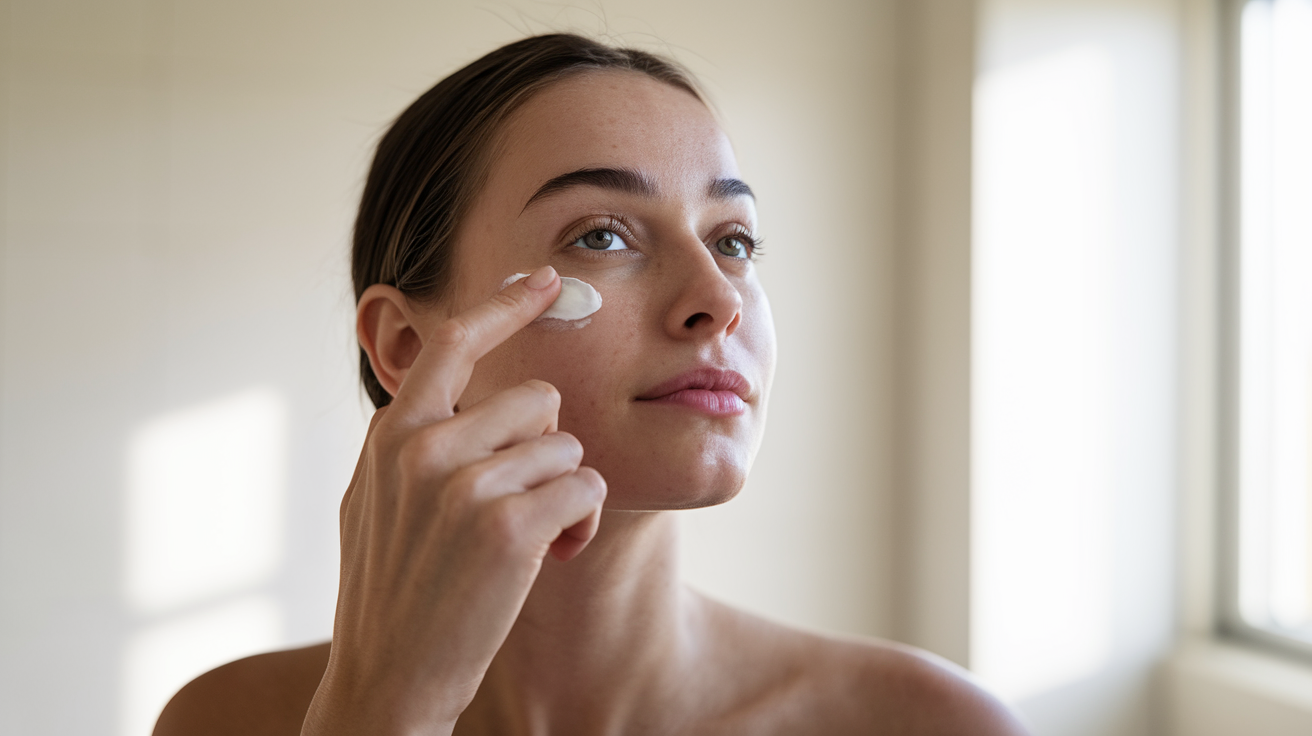
In Your 20s: Keep it simple and hydrating. Look for lightweight gels or creams with hyaluronic acid, glycerin, or squalane. These ingredients support moisture without feeling heavy or greasy. Apply a small amount morning and night after cleansing, gently patting it around the orbital bone—never pulling or tugging the delicate skin.
In Your 30s: This is when you can introduce antioxidants and gentle strengthening ingredients. Vitamin C, niacinamide, and peptides help support skin texture and brightness. You might also consider a richer night cream and a lighter daytime formula with SPF properties or one you layer under sunscreen. Consistency matters more than price—using a good product daily beats using an expensive one sporadically.
In Your 40s and Beyond: Look for formulas that address multiple concerns: dryness, the appearance of fine lines, crepey texture, and loss of firmness. Retinol and bakuchiol are popular ingredients that support skin renewal, though they should be introduced slowly to avoid irritation. Richer textures with shea butter, ceramides, or peptide complexes can provide the extra nourishment mature skin often needs. If you want a structured approach to building your routine, this affiliate one walks you through the process step by step.
No matter your age, remember that the best eye cream is the one you'll actually use consistently. Start with a texture you enjoy, apply it gently with your ring finger, and give it at least several weeks to show its benefits. The eye area responds to patient, regular care—not quick fixes or harsh treatments.
Starting eye cream earlier than you think you need it is one of the simplest ways to support the delicate skin around your eyes. Whether you're in your mid-20s or just now realizing your under-eye area needs attention, the right product used consistently can help you maintain smoother-looking, less tired-looking eyes for years ahead.