Disclosure: This post contains affiliate links. We may earn a commission at no extra cost to you.
Published: July 21, 2026
When Should You Start Using Eye Cream? Age-by-Age Guide
Have you ever looked in the mirror and noticed tiny lines under your eyes that weren't there before? Maybe you're in your early twenties and wondering if eye cream is something you actually need, or maybe you're in your forties thinking it's too late to start. The truth is, the right time to start using eye cream is probably different than what you've been told—and understanding when and why can make a real difference in how your eye area looks as you age.
Why the Eye Area Ages Faster Than the Rest of Your Face
The skin around your eyes is incredibly delicate. It's about ten times thinner than the skin on your cheeks, which means it shows signs of aging much earlier than other parts of your face.
This area also doesn't have as many oil glands, so it tends to get dry more easily. When your skin is dry, fine lines become more visible. Add in the fact that you blink around 10,000 times a day, and you're creating constant movement that can lead to expression lines over time.
Sun exposure, squinting, rubbing your eyes, and even sleeping on your side can all contribute to how quickly this area shows wear. Because the skin is so thin, it also loses collagen and elasticity faster, which can lead to a crepey texture or hollow appearance as you get older.
That's why targeting this area with the right products early on can help support your skin and keep it looking smoother for longer.
The Right Age to Start Using Eye Cream (It's Earlier Than You Think)
You don't need to wait until you see lines to start using eye cream. In fact, many skincare experts suggest starting in your mid-twenties—especially if you're already noticing dryness, puffiness, or a tired look under your eyes.
In your twenties, your skin is still producing collagen at a healthy rate, but prevention is key. Using a lightweight eye cream with hydrating ingredients can help keep the skin plump and moisturized, which reduces the chance of early fine lines forming.
If you're in your thirties, you might start to notice more visible changes—like lines when you smile, a bit of crepiness, or darker circles. This is when your affiliate one routine should include ingredients that do more than just hydrate.
By your forties and beyond, the skin around your eyes has likely lost some firmness and elasticity. You may see deeper lines, sagging, or more pronounced hollowness. This is when a richer, more targeted eye cream becomes essential.
The takeaway? It's never too early to start, and it's never too late to begin supporting your eye area with the right care.
Tired of seeing under-eye lines before you see yourself?
If the tiny creases under your eyes make you look more tired than you feel, this guide shows the simple under-eye routine that helps soften the look of dry lines, crepey texture, and tired skin without guessing or wasting weeks on random products.
What to Look for in an Eye Cream in Your 20s and 30s
In your twenties, the goal is hydration and protection. Look for lightweight formulas with ingredients like hyaluronic acid, which draws moisture into the skin, and niacinamide, which helps brighten and even out tone.
Caffeine is another great option if you deal with puffiness or dark circles. It helps constrict blood vessels and can reduce the swollen look you sometimes wake up with.
If you're spending time in the sun, consider an eye cream with antioxidants like vitamin C or green tea extract. These help protect against environmental damage that can speed up aging.
In your thirties, you'll want to add more active ingredients. Peptides are a great choice—they help support collagen production and can make the skin look firmer and smoother over time.
Retinol is another ingredient worth considering, but start slowly. The eye area is sensitive, so look for formulas specifically designed for this zone. Retinol can help reduce the appearance of fine lines and improve texture, but it can also cause dryness or irritation if used too aggressively.
Ceramides and squalane are excellent for maintaining the skin barrier, which keeps moisture in and irritation out. A strong barrier means your skin looks plumper and healthier.
Texture matters too. In your twenties, a gel or serum-like formula works well. In your thirties, you might prefer something a bit creamier, especially if you're noticing dryness or the start of crepey texture.
How to Adapt Your Eye Cream Routine in Your 40s and Beyond
Once you hit your forties, your skin's needs change. Collagen production slows down significantly, and the skin loses volume and elasticity. You may notice deeper lines, sagging along the brow bone, or a hollow look under the eyes.
This is the time to invest in richer, more nourishing formulas. Look for eye creams with a combination of peptides, retinol, and rich emollients like shea butter or plant oils.
Growth factors and bakuchiol are also worth exploring. Bakuchiol is a gentler alternative to retinol that still supports skin renewal and can help improve the look of fine lines without the irritation.
Hyaluronic acid remains important, but now you want it paired with ingredients that lock in moisture—like ceramides, glycerin, or squalane.
If you're dealing with more pronounced dark circles or puffiness, look for formulas with arnica, vitamin K, or light-reflecting pigments that help brighten the area instantly.
You might also want to layer your eye care. Start with a serum that targets specific concerns like lines or dark circles, then follow with a richer cream to seal in moisture and provide all-day comfort.
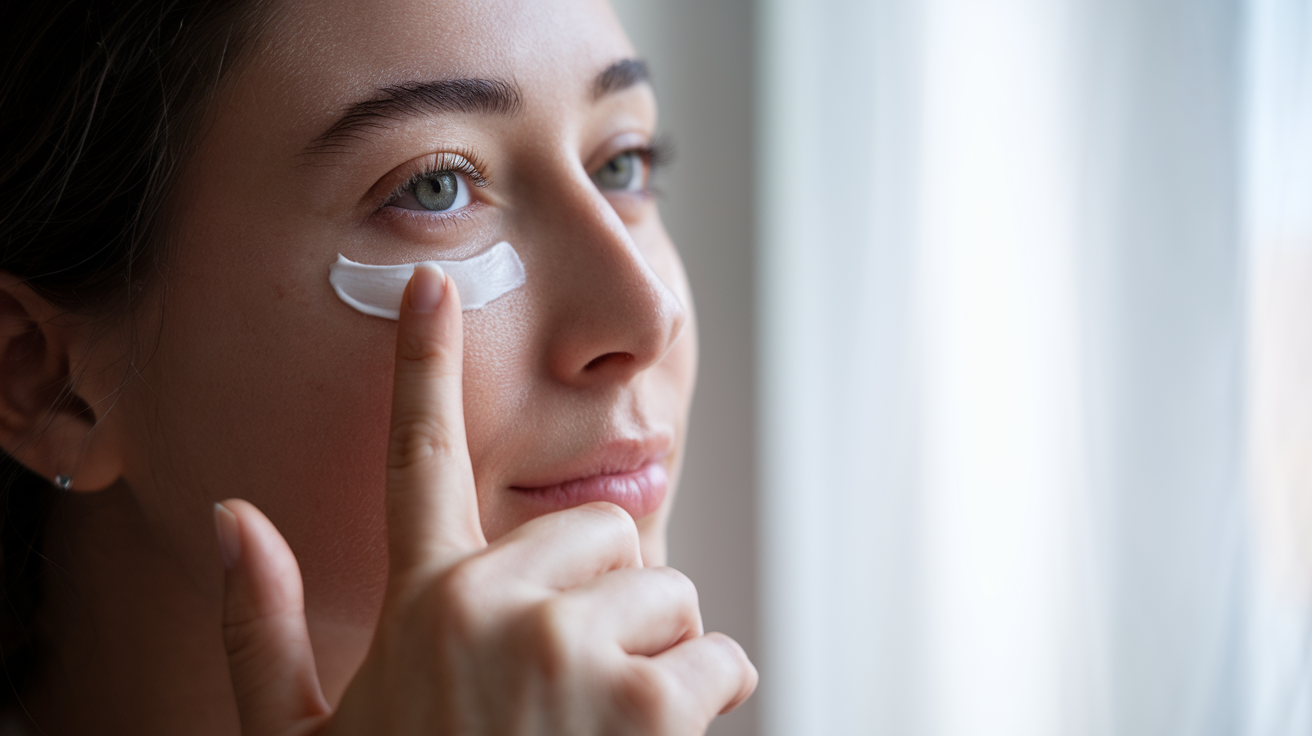
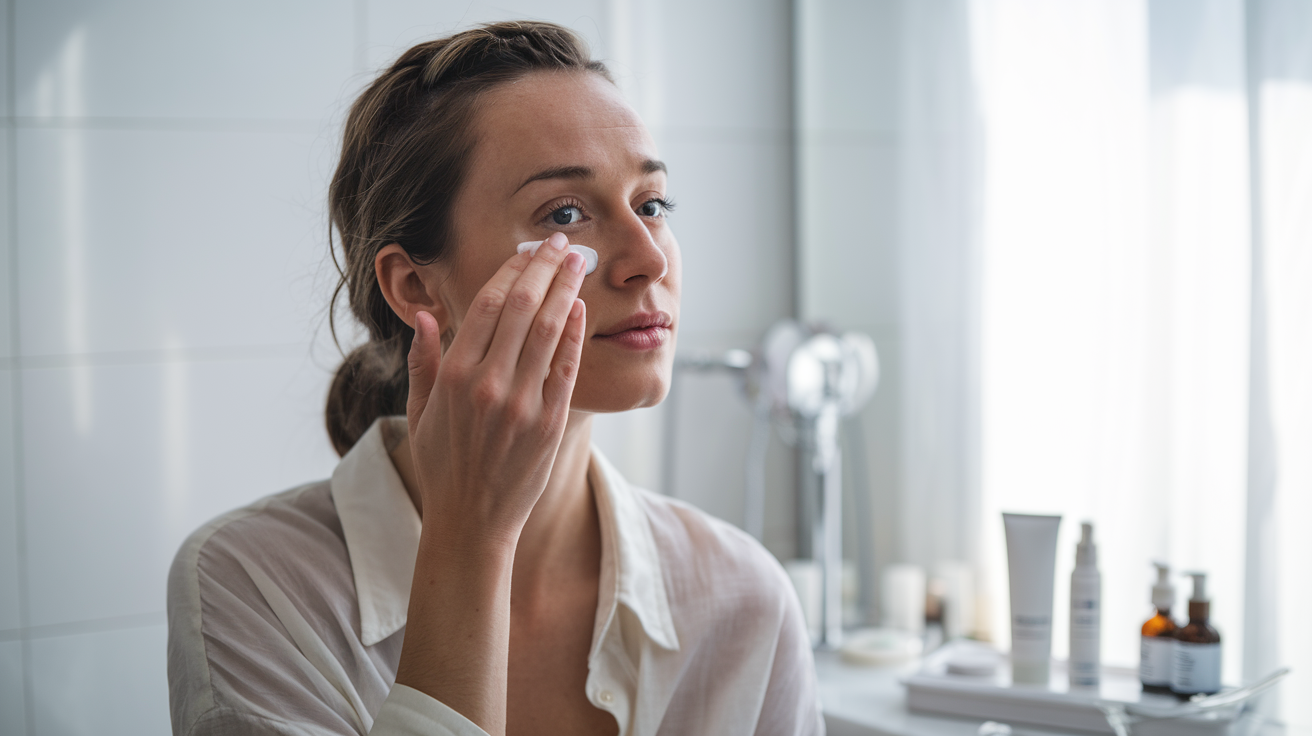
Don't forget about application technique. Use your ring finger to gently tap the product into the skin—never rub or pull. Start at the inner corner and work outward, including the area just above your cheekbone and up toward the outer brow.
Consistency is everything. Even the best eye cream won't make a difference if you only use it once in a while. Make it part of your morning and evening routine, and give it time to work.
If you're looking for a step-by-step routine that walks you through exactly what to use and when, this affiliate one can help you build a plan that fits your age and skin concerns.
Starting early, choosing the right ingredients, and staying consistent are the three things that matter most when it comes to keeping your eye area looking smooth, bright, and less tired over time.