Disclosure: This post contains affiliate links. We may earn a commission at no extra cost to you.
What Time of Day Should You Apply Eye Cream for Maximum Results?
Are you applying your eye cream whenever you remember, hoping it'll still help soften the look of fine lines and tired skin? If you're wondering whether morning or night is better—or if the timing even matters—you're not alone. Turns out, when you apply eye cream can make a real difference in how your skin responds.
The delicate skin around your eyes goes through different phases throughout the day. In the morning, it's dealing with puffiness, environmental stress, and makeup prep. At night, it's focused on repair and recovery. Understanding these rhythms can help you make the most of your eye cream routine.
Why Timing Matters for Eye Cream Effectiveness
Your skin doesn't work the same way around the clock. During the day, your skin is in defense mode—protecting itself from UV rays, pollution, blue light from screens, and oxidizing stress. At night, it shifts into repair mode, working harder to restore and renew itself.
Eye creams are formulated with these cycles in mind. Some ingredients work better in daylight hours, while others perform their best overnight. Choosing the right time to apply specific formulas can help you support your skin's natural processes instead of working against them.
Morning formulas often include lighter textures that absorb quickly under makeup and sunscreen. They may also contain ingredients like caffeine to help reduce the appearance of puffiness or antioxidants to protect against environmental damage throughout the day.
Evening formulas tend to be richer and more nourishing. They often include ingredients that help support the skin's natural overnight repair process, like peptides, retinol alternatives, or deeply hydrating components that work while you sleep.
Tired of seeing under-eye lines before you see yourself?
If the tiny creases under your eyes make you look more tired than you feel, this guide shows the simple under-eye routine that helps soften the look of dry lines, crepey texture, and tired skin without guessing or wasting weeks on random products.
Morning Application Benefits and Best Practices
Applying eye cream in the morning gives your skin a protective and smoothing layer before you start your day. A good morning eye cream can help create a smoother-looking base for concealer and prevent makeup from settling into fine lines as the day goes on.
Look for lightweight, fast-absorbing formulas that won't pill under sunscreen or makeup. Gel-based or serum-style eye creams work particularly well in the morning because they absorb quickly and leave a matte or smooth finish.
Ingredients like caffeine can help reduce the appearance of morning puffiness by temporarily constricting blood vessels. Hyaluronic acid provides hydration without heaviness, while vitamin C and other antioxidants help protect the delicate eye area from daily environmental stress.
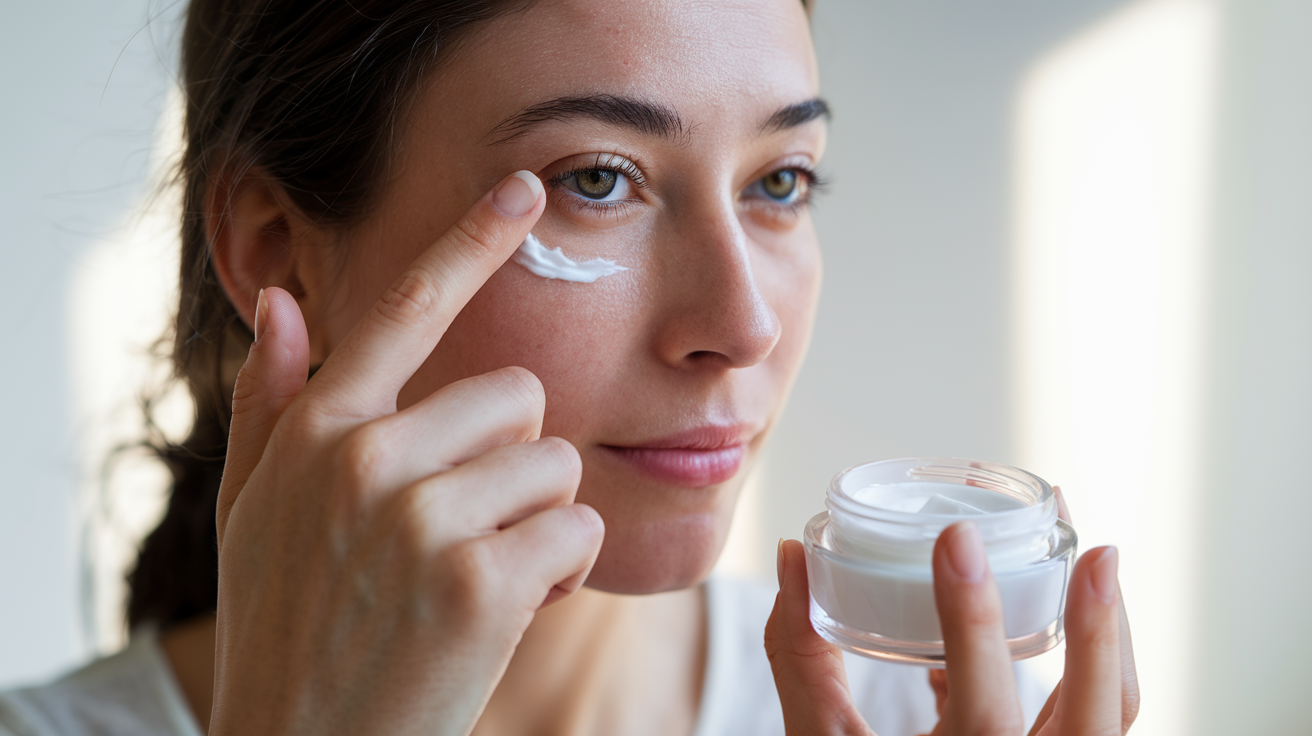
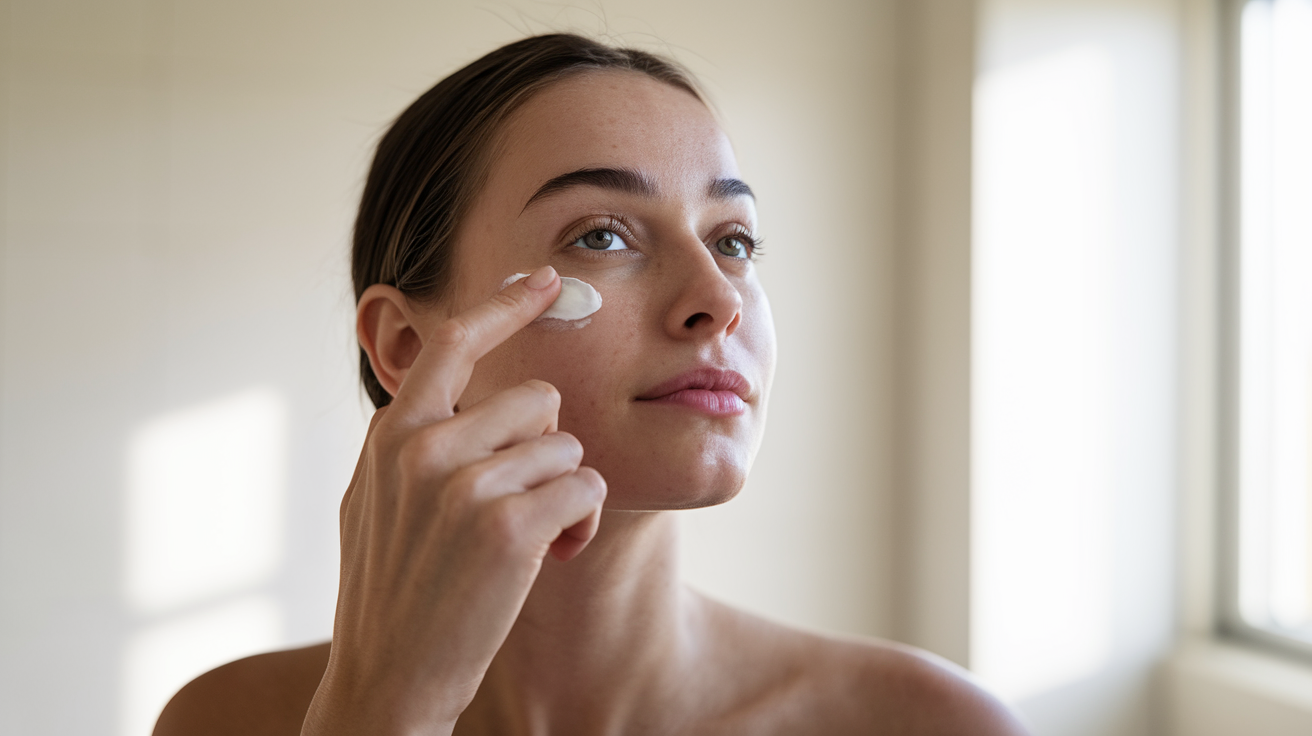
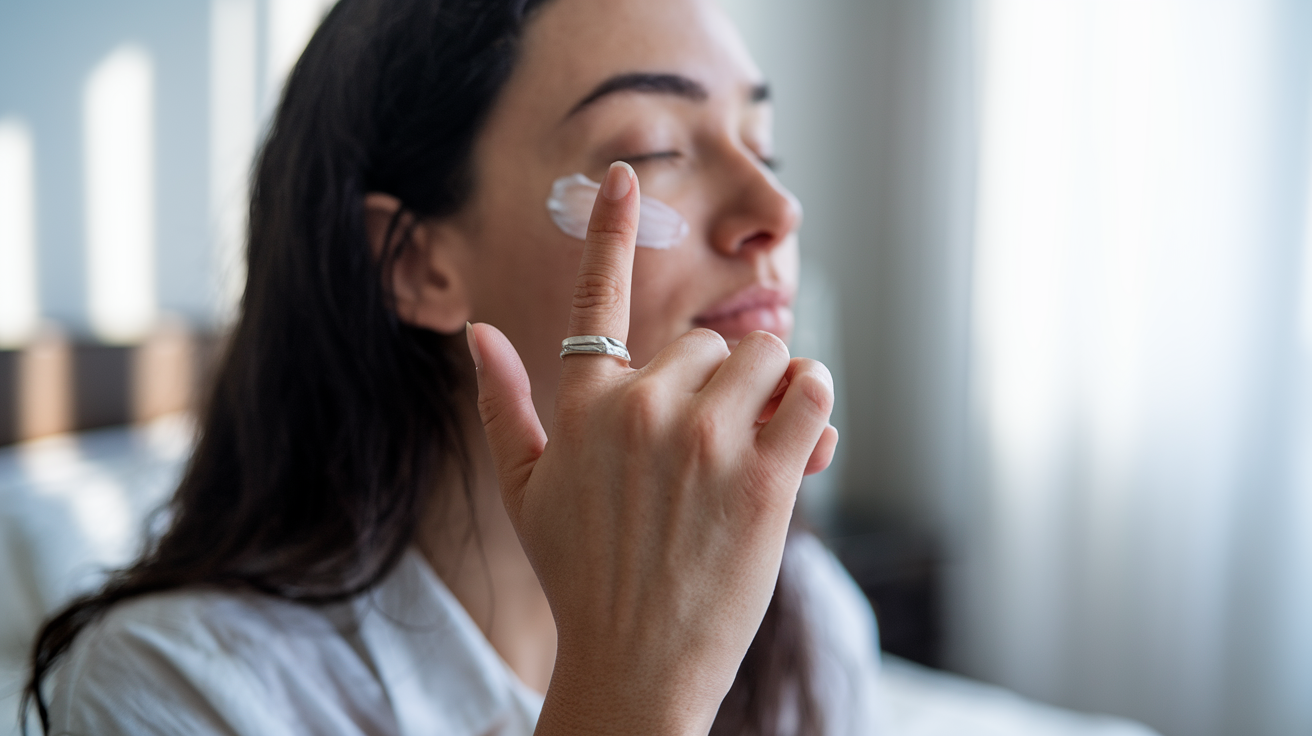
Apply your morning eye cream after cleansing and toning, but before sunscreen and makeup. Use your ring finger to gently tap a rice-grain-sized amount around the orbital bone, avoiding direct contact with your lash line. Let it absorb for a minute or two before layering other products on top.
Evening Application Benefits and Skin Repair
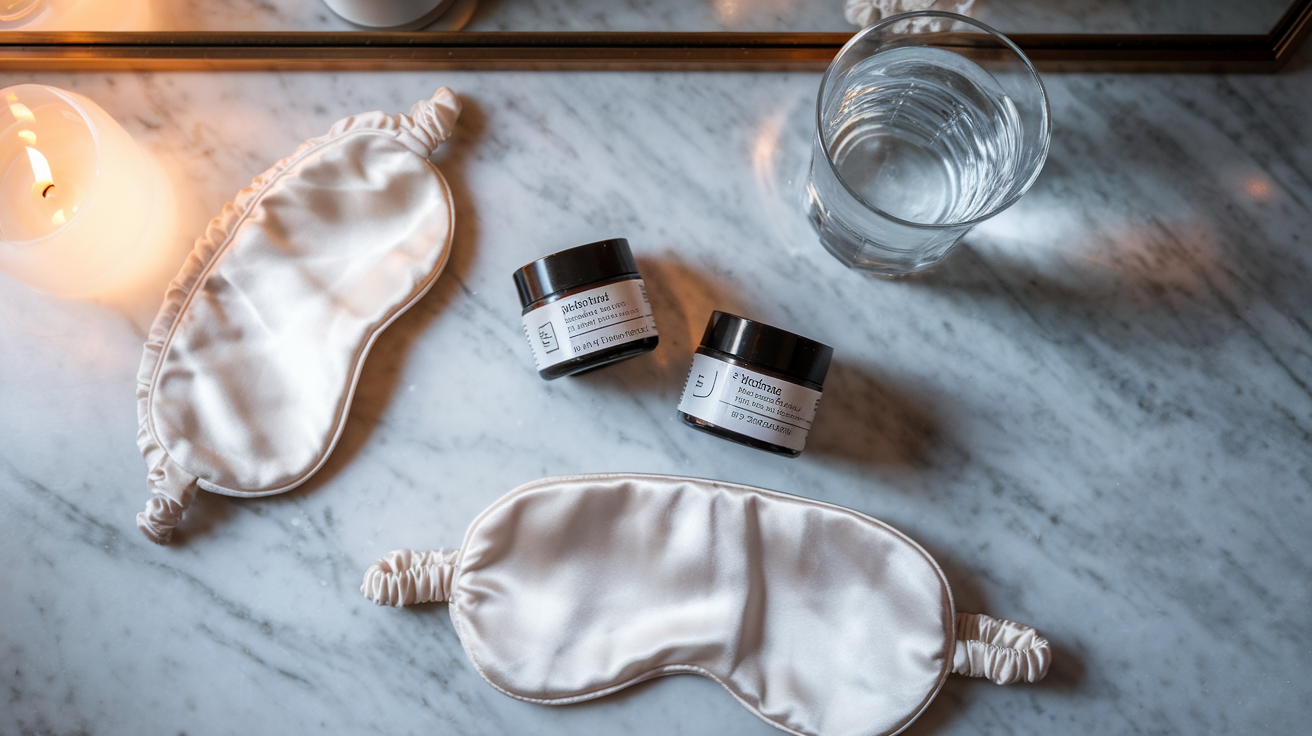
Nighttime is when your skin does its heaviest repair work, making evening application ideal for ingredients that support renewal and hydration. Your skin's permeability actually increases at night, which means it may absorb active ingredients more effectively while you sleep.
Evening eye creams can be richer and more emollient than their daytime counterparts. They often contain ingredients like peptides, ceramides, niacinamide, or gentle retinol alternatives that work with your skin's natural repair cycle to help reduce the appearance of fine lines and support a smoother-looking texture over time.
Because you're not applying makeup over it, you can use a more nourishing formula without worrying about pilling or interference with other products. This is also a good time to use treatments that may increase sun sensitivity, which is why many affiliate one resources recommend certain actives exclusively for nighttime use.
Apply your evening eye cream as one of the last steps in your routine, after any serums or treatments but before heavier night creams if you use them. Gently pat the product around your eyes and give it a few moments to absorb before lying down so it doesn't migrate into your eyes overnight.
How to Split Your Eye Cream Routine Between AM and PM
Using different eye creams morning and night might sound complicated, but it's actually a simple way to give your skin exactly what it needs at the right time. You don't have to buy two separate products if you're just starting out—one good all-purpose eye cream used twice daily is still beneficial.
But if you want to optimize your routine, consider this approach: use a lightweight, protective formula in the morning and a richer, repairing formula at night. This way, you're supporting your skin's natural daily and nightly cycles instead of trying to make one product do everything.
Morning routine: After cleansing, apply a thin layer of gel or serum eye cream. Follow with your regular skincare, sunscreen, and makeup. This keeps the eye area hydrated and smooth without adding weight or interfering with cosmetics.
Evening routine: After removing makeup and cleansing, apply any treatment serums first. Then use a nourishing eye cream as one of your final steps. This allows the richer formula to lock in moisture and work overnight without competing with daytime concerns like makeup application.
If you're looking for more structured guidance on building an effective routine that addresses different concerns at different times, affiliate one can walk you through a complete approach tailored to under-eye skin.
Consistency matters more than perfection. Whether you use one eye cream twice a day or two different formulas, the key is applying it regularly and giving your skin time to respond. Most people notice their skin feeling more hydrated within a few days, with smoother-looking texture developing over several weeks of consistent use.
Pay attention to how your skin feels and looks. If your morning eye cream feels too heavy under makeup, try a lighter formula. If your nighttime cream isn't absorbing well, you might be using too much—a little goes a long way with eye products.
The right time to apply eye cream isn't just about the clock—it's about matching the formula and ingredients to what your skin needs at that moment. By understanding the difference between daytime protection and nighttime repair, you can create a routine that supports smoother, more rested-looking eyes throughout the day and night.