Disclosure: This post contains affiliate links. We may earn a commission at no extra cost to you.
What Goes On After Eye Cream? The Complete Layering Guide for Maximum Results
Have you ever wondered if you're applying your eye cream at the wrong time in your routine? You tap it on carefully, wait a few seconds, then stand there confused about what comes next. Should you wait longer? Add another product right away? Skip your face moisturizer on that area completely?
The truth is, what you apply after your eye cream can make a noticeable difference in how your under-eye area looks and feels. Layer the wrong product too soon, and you might dilute the formula you just applied. Wait too long, and you could miss the window for locking in hydration. Getting the order right helps you maximize the routine you're already doing.
Why Product Order Matters for Eye Cream Effectiveness
The skin around your eyes is thinner and more delicate than the rest of your face. It also has fewer oil glands, which means it loses moisture faster and shows signs of dryness more quickly.
When you layer skincare products, each one should prepare the skin for the next. Eye creams are typically formulated with specific ingredients like peptides, ceramides, or caffeine that target common concerns like puffiness, dryness, and fine lines. If you apply a heavy occlusive product immediately after your eye cream, you might create a barrier that prevents the active ingredients from absorbing properly.
On the flip side, if you apply nothing after your eye cream and leave the area exposed, moisture can evaporate before it has a chance to sink in. The goal is to support absorption while sealing in hydration without overwhelming the delicate eye area.
Think of it like building a wall. You need the right materials in the right order. Your eye cream is one layer, but it works better when it's supported by what comes before and protected by what comes after.
What to Apply Immediately After Eye Cream
Once you've applied your eye cream, give it about 30 to 60 seconds to absorb. You don't need to wait forever, but a short pause lets the formula settle into the skin without being wiped away by the next product.
After that brief wait, you can apply your face moisturizer. Most face moisturizers are safe to use around the eye area, but you'll want to avoid getting them directly on the eyelid or too close to the lash line if they contain stronger actives like retinol or exfoliating acids.
Apply your moisturizer gently around the orbital bone, blending it carefully so it meets the edge of where you applied your eye cream. You don't need to pile it on top of the eye cream itself. Just let the two products coexist in their own zones with a slight overlap.
If you're using a facial oil, this is the time to add it. Oils should generally come after water-based products like serums and creams. Pat a small amount around the face, and you can lightly press it over the cheekbone area near the eye without adding extra to the undereye itself.
In the morning, your next step after moisturizer is sunscreen. This is non-negotiable if you want to support the health and appearance of your under-eye skin. UV exposure contributes to the breakdown of collagen and the appearance of fine lines and dark spots. Use a broad-spectrum SPF 30 or higher, and apply it carefully around the eye area without tugging or rubbing.
Tired of seeing under-eye lines before you see yourself?
If the tiny creases under your eyes make you look more tired than you feel, this guide shows the simple under-eye routine that helps soften the look of dry lines, crepey texture, and tired skin without guessing or wasting weeks on random products.
If you want a detailed breakdown of how to build a complete eye area routine from start to finish, check out this affiliate one that walks you through each step with product texture tips and timing guidance.
Common Layering Mistakes That Reduce Eye Cream Benefits
One of the biggest mistakes is applying eye cream after your moisturizer. Moisturizers are often thicker and more occlusive, which means they create a barrier on the skin. If you apply eye cream on top of that barrier, it won't absorb as well. Always apply your eye cream before your face moisturizer.
Another common issue is using too much product. A pea-sized amount of eye cream is enough for both eyes. When you use too much, it can pill up under makeup or cause the next product to slide around instead of absorbing.
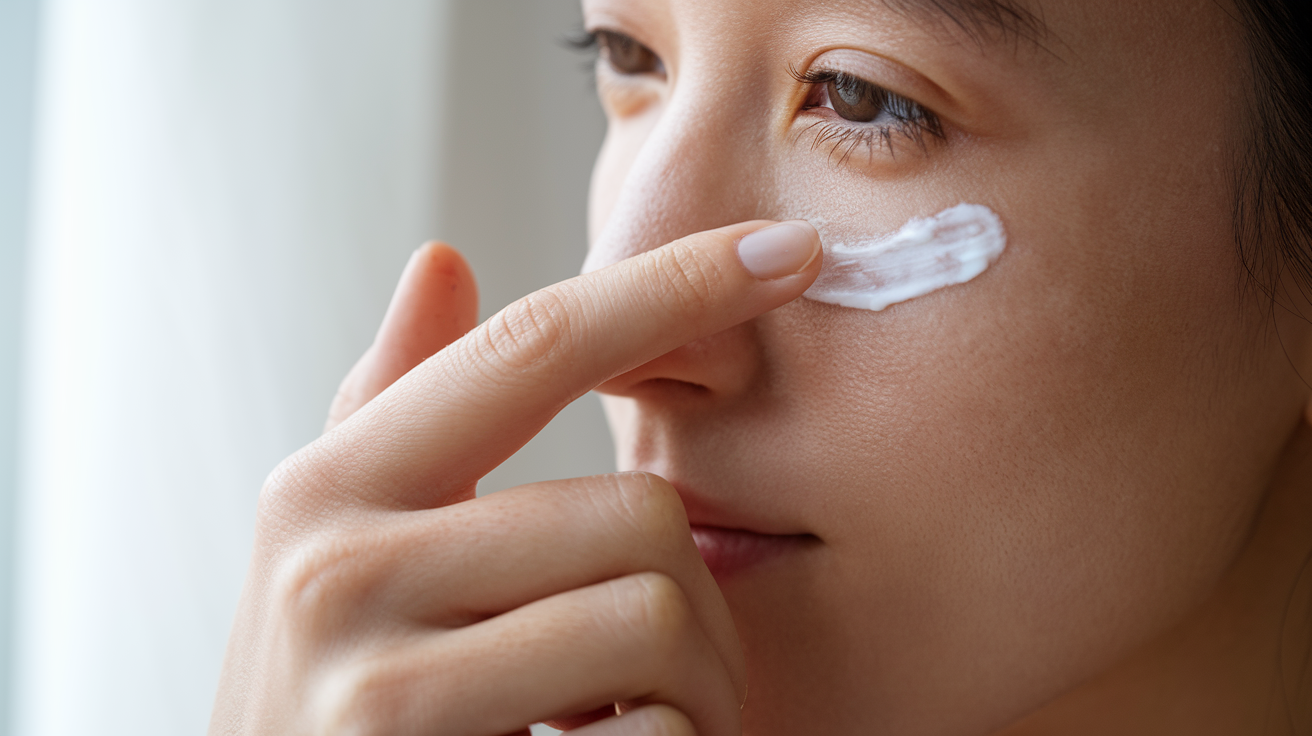
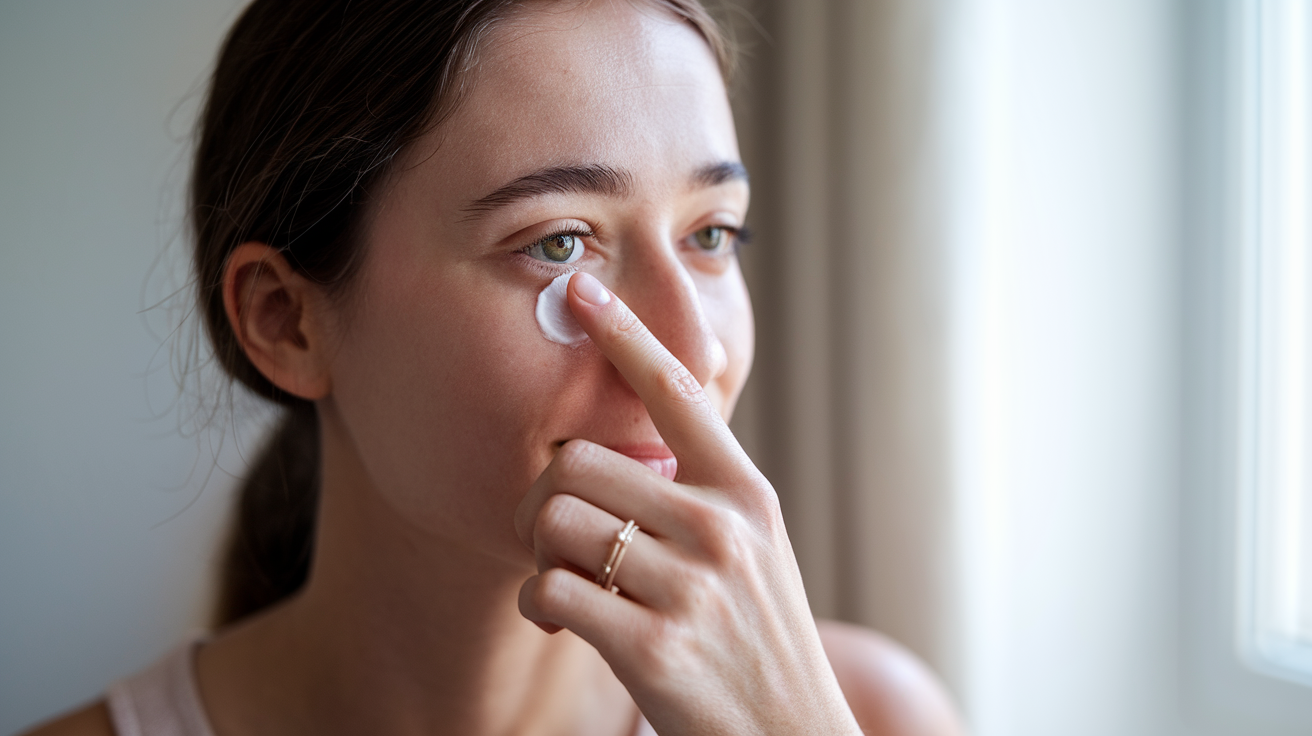
Rubbing or pulling the skin is another problem. The under-eye area is delicate, and harsh application can contribute to a tired-looking appearance over time. Always use your ring finger to gently tap or press products into the skin. Avoid dragging or stretching.
Skipping sunscreen is a major missed opportunity. Even if your eye cream contains SPF, it's usually not enough on its own. You need a separate broad-spectrum sunscreen applied over your entire face, including the eye area, to help protect against environmental stressors that contribute to visible aging.
And finally, layering active ingredients incorrectly can lead to irritation. If your eye cream contains retinol, don't layer a separate retinol serum on top of it. If you're using a vitamin C serum in the morning, apply it before your eye cream and let it absorb fully. Overloading the eye area with too many actives at once can cause redness, dryness, and sensitivity.
Complete Morning and Night Eye Area Layering Routine
Morning Routine:
Start with a gentle cleanser to remove any overnight buildup. Pat your face dry, leaving the skin slightly damp.
If you use a toner or essence, apply that first. Avoid getting it directly in your eyes, but you can gently pat it around the orbital bone.
Next, apply any water-based serums like vitamin C or hyaluronic acid. Use light tapping motions and keep them away from the lash line.
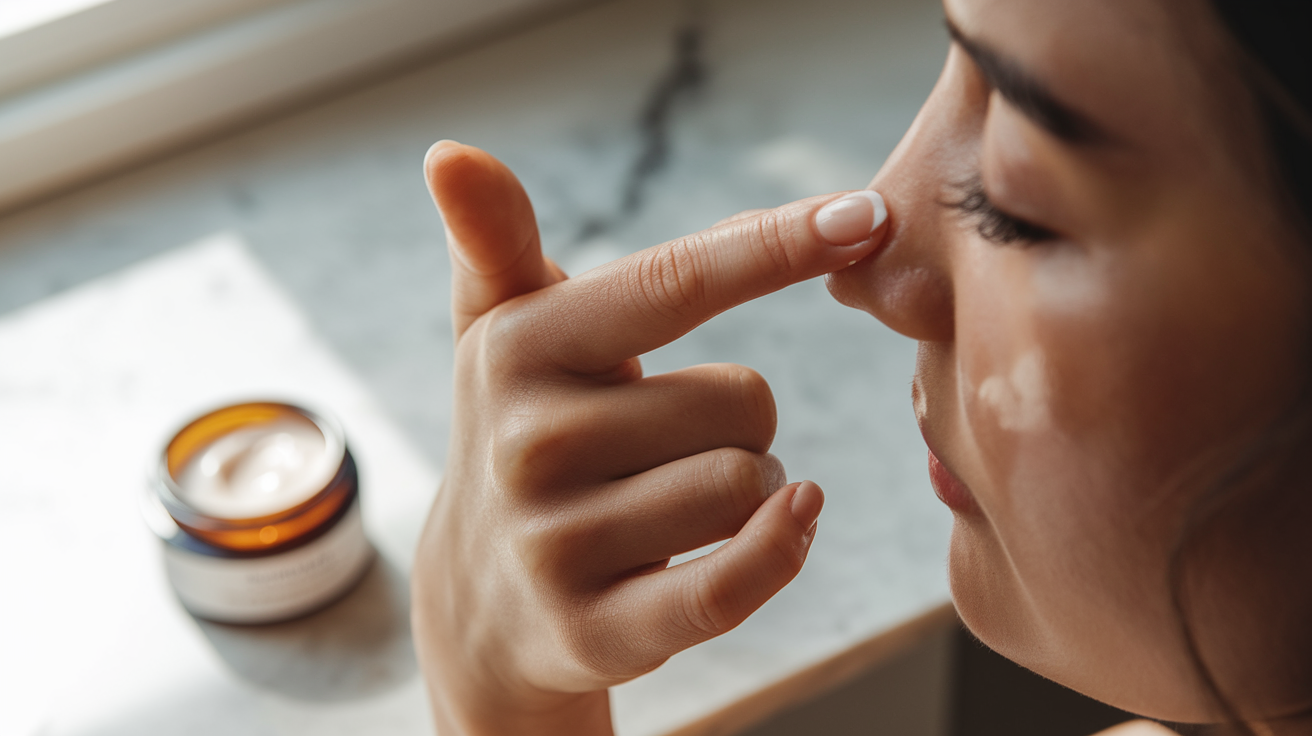
Now apply your eye cream. Use your ring finger to gently tap a small amount around the orbital bone, starting from the inner corner and moving outward. Don't apply it directly on the eyelid unless the product is specifically designed for that.
Wait 30 to 60 seconds, then apply your face moisturizer. Blend it carefully around the edges of where your eye cream sits.
Finish with a broad-spectrum sunscreen. This is the final step before makeup. Make sure to cover the entire eye area, including the eyelids if you can do so comfortably.
Night Routine:
Cleanse your face thoroughly, removing all makeup and sunscreen. Double cleansing can be helpful if you wore heavy products during the day.
Apply your toner or essence if you use one.
If you're using a treatment serum with actives like retinol or peptides, apply it now. Be cautious around the eye area. Some retinol products should be kept away from the eyes entirely, while others are safe for the orbital bone.
Apply your eye cream next. Nighttime is a great opportunity to use a richer, more hydrating formula if your skin tends to feel dry in the morning.
Wait a minute, then apply your night moisturizer or facial oil. You can use a heavier cream at night since you won't be applying makeup over it.
If you want a step-by-step visual guide to layering your eye products for smoother-looking skin, this affiliate one breaks down the exact order and timing for morning and night routines.
Consistency is more important than perfection. You don't need ten products to see a difference in how your under-eye area looks. You just need the right order, gentle application, and a little patience. Give your routine a few weeks to settle in, and pay attention to how your skin feels. If you notice irritation or dryness, dial back on actives and focus on hydration and protection.
Your eye cream works hardest when it's supported by the right products in the right order. Now you know exactly what comes next.