Disclosure: This post contains affiliate links. We may earn a commission at no extra cost to you.
Should You Use Eye Cream or Just Face Moisturizer? Here's What Actually Works
If you've ever stood in the skincare aisle wondering whether eye cream is worth it or just expensive marketing, you're not alone. The truth is, some people really do need a separate eye cream while others can skip it entirely without missing out. The key is understanding what makes the skin around your eyes different and whether your regular moisturizer is actually equipped to handle it.
Let's break down the real differences so you can make the right choice for your skin.
The Key Ingredient Differences Between Eye Cream and Face Moisturizer
Eye creams aren't just face moisturizers in smaller jars. They're typically formulated with gentler actives, lighter textures, and ingredients specifically chosen for the delicate eye area.
Face moisturizers often contain higher concentrations of retinol, acids, or fragrances that can irritate the thin skin around your eyes. Eye creams, on the other hand, tend to use milder versions of these ingredients or skip them altogether in favor of peptides, ceramides, and caffeine.
You'll also notice that eye creams are usually thicker and more emollient. That's because the under-eye area has fewer oil glands and needs extra help staying hydrated. Face moisturizers designed for oily or combination skin might not provide enough moisture for this zone.
Another big difference? Eye creams are tested for ophthalmologic safety, meaning they're less likely to cause stinging or irritation if they accidentally migrate into your eyes during the night.
Why the Under Eye Area Needs Special Formulation
The skin under your eyes is about ten times thinner than the skin on the rest of your face. It also moves constantly—every blink, squint, and smile puts stress on this area, which makes it more prone to showing signs of aging earlier.
Because there are fewer sebaceous glands here, the under-eye area tends to dry out faster. When dryness sets in, fine lines become more visible, and the skin can start to look crepey or textured.
This area is also more prone to puffiness and dark circles due to fluid retention, thinner skin showing underlying blood vessels, and loss of volume over time. Eye creams are often formulated with ingredients like caffeine, vitamin K, or light-reflecting particles to help address these specific concerns.
If you use a face moisturizer that's too rich or heavy near your eyes, you might wake up with puffiness or milia (those tiny white bumps). If you use one that's too light, you might notice your under-eye area looks drier than the rest of your face.
Tired of seeing under-eye lines before you see yourself?
If the tiny creases under your eyes make you look more tired than you feel, this guide shows the simple under-eye routine that helps soften the look of dry lines, crepey texture, and tired skin without guessing or wasting weeks on random products.
When Face Moisturizer Can Actually Work for Eyes
Not everyone needs a separate eye cream. If you're in your twenties with no visible under-eye concerns, your regular face moisturizer might be perfectly fine—especially if it's gentle, fragrance-free, and hydrating.
Look for a moisturizer with ingredients like hyaluronic acid, glycerin, niacinamide, or ceramides. These are mild enough for the eye area and help keep skin plump and hydrated without irritation.
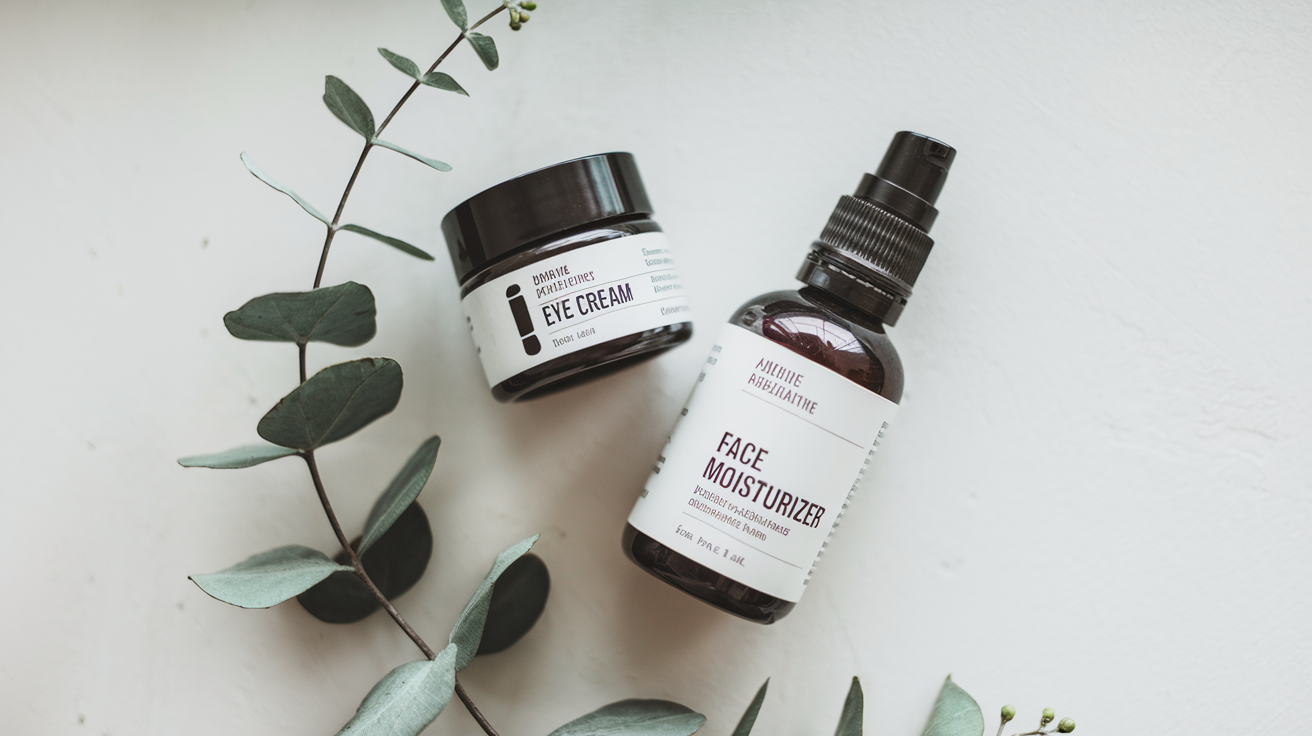
If your face moisturizer is working well and you're not noticing dryness, fine lines, or sensitivity around your eyes, there's no need to add another product just because. Skincare should be practical, not cluttered.
However, if your moisturizer contains strong actives like retinol, alpha hydroxy acids, benzoyl peroxide, or essential oils, keep it away from your eyes. These ingredients can cause redness, peeling, or stinging in that sensitive zone.
You can also test this out: apply your face moisturizer gently around your eyes for a week and see how your skin responds. If you wake up with irritation, puffiness, or if the area feels dry by midday, it's a sign you need something more targeted.
How to Choose Between Eye Cream and Face Moisturizer for Your Skin
Start by assessing your specific concerns. If you're dealing with visible fine lines, crepey texture, dark circles, or puffiness, an affiliate one can provide more focused care than a regular moisturizer.
If your main goal is hydration and you don't have any major under-eye concerns yet, a gentle face moisturizer will likely do the job. Just make sure it's ophthalmologist-tested or labeled safe for use around the eyes.
For those with mature skin, an eye cream is usually the better choice. As we age, the under-eye area loses collagen and elasticity faster than other parts of the face. Eye creams designed for mature skin often contain peptides, retinol alternatives like bakuchiol, or antioxidants that support smoother-looking skin over time.
If you wear makeup, consider texture too. Eye creams tend to sit better under concealer without pilling or sliding. Face moisturizers, especially richer ones, can sometimes interfere with makeup application in that area.
And if budget is a concern, prioritize based on your biggest skin issue. If under-eye dryness or fine lines bother you more than anything else, invest in a good affiliate one. If your face needs more attention, focus there first and use a lightweight moisturizer around your eyes until you're ready to add another step.
The bottom line? There's no universal answer. Eye cream isn't a must-have for everyone, but it can make a noticeable difference if your under-eye area needs extra support. Pay attention to how your skin feels and looks, and let that guide your decision rather than marketing hype or one-size-fits-all advice.
Published on September 29, 2026