Disclosure: This post contains affiliate links. We may earn a commission at no extra cost to you.
How Often Should You Apply Eye Cream for Maximum Results?
Are you applying eye cream once a day and wondering why you're not seeing the smoother-looking results you hoped for? Or maybe you're layering it on morning, noon, and night, thinking more is better—only to wake up with puffiness or milia bumps around your eyes?
The truth is, how often you apply eye cream matters just as much as which product you choose. Too little, and you're missing out on visible improvement. Too much, and you risk irritation, congestion, or wasted product.
Let's break down exactly how often you should be using eye cream based on your routine, your skin type, and what you're actually trying to address.
Understanding Eye Cream Application Frequency
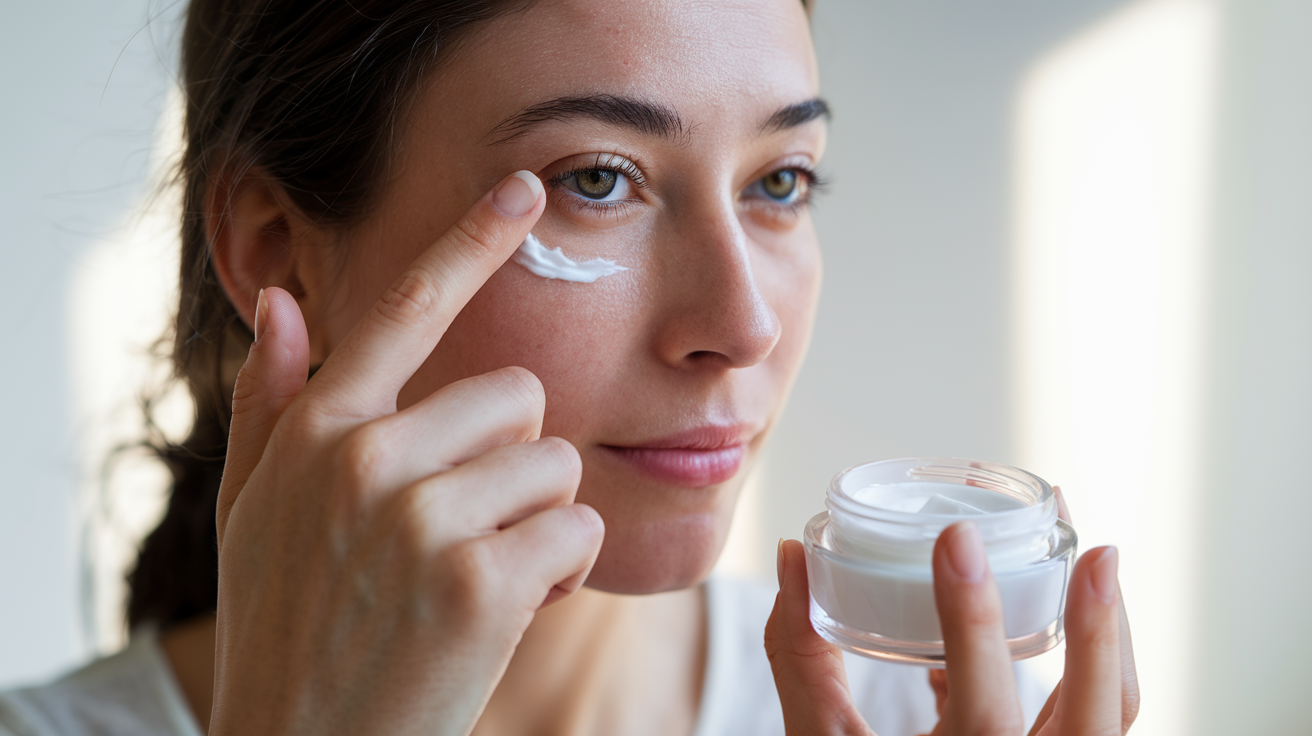
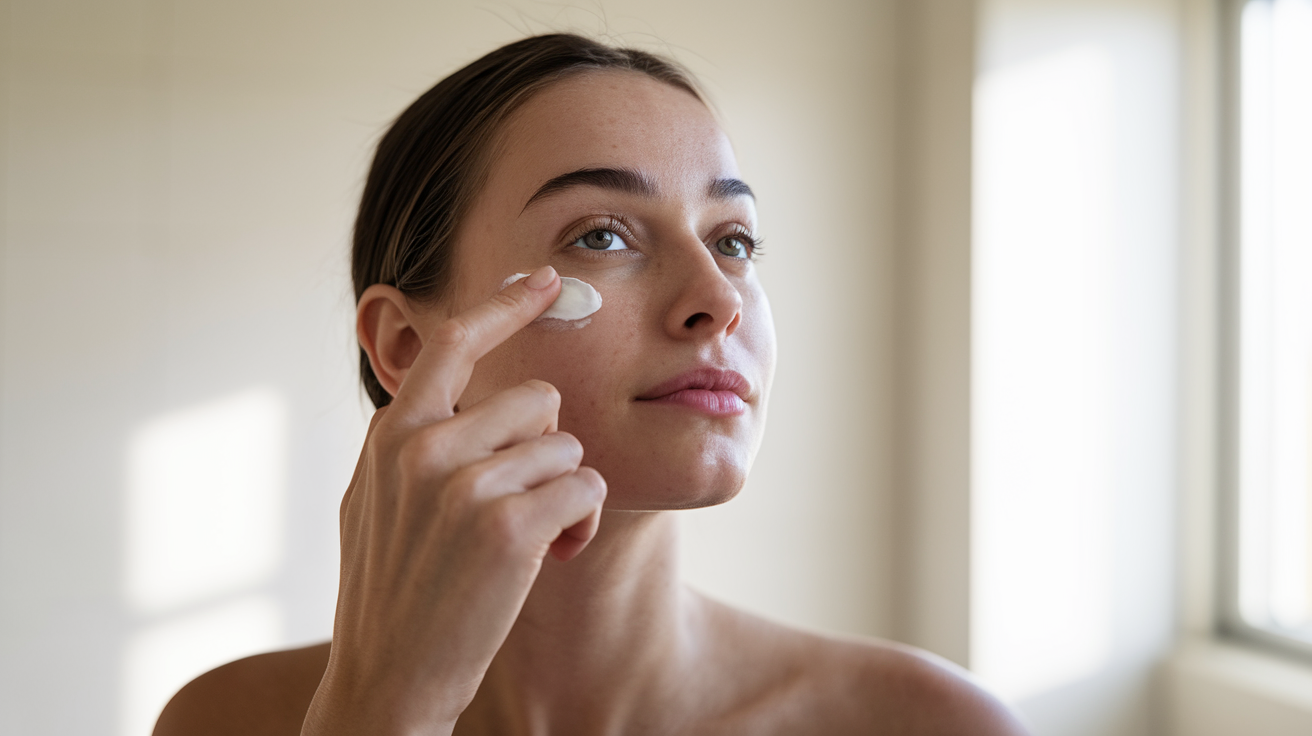
Most dermatologists and skincare professionals recommend applying eye cream twice daily: once in the morning and once at night. This consistent rhythm supports the delicate under-eye area throughout the full 24-hour cycle.
Why twice? Because morning and evening applications serve completely different purposes. Morning application helps protect and prep the skin for the day ahead. Evening application supports the skin's natural overnight repair process when cell turnover is at its peak.
That said, twice daily isn't a hard rule for everyone. If you have extremely sensitive skin, very oily eyelids, or you're new to eye cream, starting with just one application per day—preferably at night—can help your skin adjust without overwhelming it.
On the flip side, if you're dealing with significant dryness or crepey texture, sticking to the twice-daily routine is your best bet for maintaining moisture levels and supporting smoother-looking skin over time.
The key is consistency. Applying eye cream sporadically won't give your skin the ongoing support it needs. Think of it like brushing your teeth—you wouldn't skip days and expect the same results.
Morning Application: Why It Matters
Your morning eye cream application isn't just about hydration. It's about creating a protective barrier that helps shield the thin under-eye skin from environmental stressors throughout the day.
In the morning, look for an eye cream that absorbs quickly, sits well under makeup, and ideally contains antioxidants or light-reflecting ingredients. This is when you want a formula that hydrates without heaviness and preps the area for concealer if you wear it.
Morning application also helps reduce the appearance of puffiness that naturally occurs overnight due to fluid retention. Gently patting in your eye cream with your ring finger can support lymphatic drainage and help the area look less swollen and more awake.
If you're using a affiliate one to build a targeted under-eye routine, you'll notice that morning application often includes lighter textures—gel creams, serums, or water-based formulas—that layer easily with SPF and makeup.
Don't skip SPF around the eyes, either. While not all eye creams contain sun protection, pairing your morning eye cream with a broad-spectrum sunscreen helps protect against UV damage, which can accelerate the appearance of fine lines and discoloration over time.
Tired of seeing under-eye lines before you see yourself?
If the tiny creases under your eyes make you look more tired than you feel, this guide shows the simple under-eye routine that helps soften the look of dry lines, crepey texture, and tired skin without guessing or wasting weeks on random products.
Evening Application: The Overnight Repair Window
Nighttime is when your skin does most of its heavy lifting. Cell turnover increases, collagen production ramps up, and your skin is more receptive to active ingredients.
Your evening eye cream should be richer and more treatment-focused than your morning formula. This is the time to use ingredients like peptides, retinol (if tolerated), ceramides, and nourishing oils that support the skin's barrier and help reduce the appearance of fine lines and dryness.
Because you're not wearing makeup or worrying about pilling under concealer, you can afford to use a slightly more generous amount at night—just don't overdo it. A pea-sized amount for both eyes is still the standard.
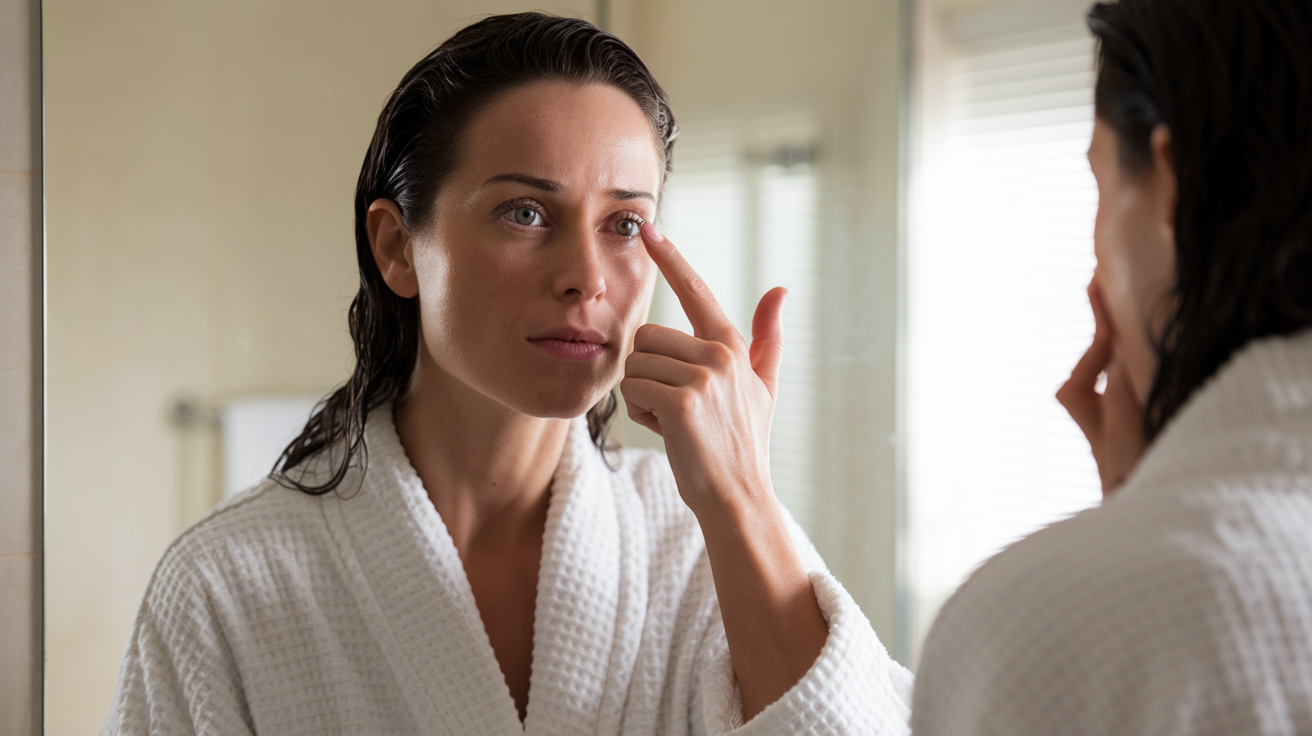
Apply your evening eye cream after cleansing and any treatment serums, but before heavier moisturizers or oils. This layering order ensures the active ingredients in your eye cream can penetrate effectively without being blocked by occlusives.
If you're following affiliate one for a step-by-step nighttime routine, you'll see that consistency here is what helps the under-eye area look visibly smoother and more rested over weeks and months—not overnight miracles.
One important note: if you're using a retinol eye cream, start slowly. Even at night, retinol can cause sensitivity around the eyes. Begin with two to three times per week and gradually increase frequency as your skin builds tolerance.
Signs You're Using Too Much or Too Little
How do you know if your application frequency is actually working? Your skin will tell you.
If you're using too much eye cream or applying it too often, you might notice milia—small white bumps that form when the skin can't absorb or shed excess product. You might also experience puffiness, especially in the morning, or a greasy film that won't absorb no matter how long you wait.
On the other hand, if you're not using enough or skipping applications regularly, you'll likely see persistent dryness, makeup that settles into lines more visibly, or skin that feels tight and uncomfortable around the eyes.
The sweet spot feels comfortable. Your under-eye area should feel soft and hydrated without any stickiness, heaviness, or tightness. If you're applying twice daily and still experiencing dryness, the issue might be your formula—not your frequency.
Pay attention to texture changes, too. If your under-eye skin starts to look smoother and feels more supple after a few weeks of consistent twice-daily use, you're on the right track. If nothing changes after six to eight weeks, it may be time to reassess your product choice rather than how often you're using it.
And remember: more applications won't speed up results. Twice daily is the ceiling for most people. Adding a midday application won't make your skin look better faster—it's more likely to cause congestion or waste product.
Stick with morning and night, use the right amount, stay consistent, and give your skin the time it needs to respond. That's the formula for smoother-looking, less tired-looking eyes that actually lasts.