Disclosure: This post contains affiliate links. We may earn a commission at no extra cost to you.
How Often Should You Apply Eye Cream for Best Results
Are you applying eye cream once a day, twice a day, or whenever you remember? If you're not sure whether you're using it too often or not enough, you're not alone. The delicate skin under your eyes needs consistent care, but the right frequency makes all the difference between looking refreshed and wasting product.

Let's break down exactly how often you should apply eye cream based on when, why, and what your skin is telling you.
Understanding Eye Cream Frequency Basics
Most dermatologists recommend applying eye cream twice daily: once in the morning and once at night. This rhythm works because your skin has different needs throughout the day.
During the day, your under-eye area faces environmental stressors like UV exposure, pollution, and screen time. At night, your skin shifts into repair mode while you sleep. Using eye cream at both times supports these natural cycles.
That said, frequency isn't one-size-fits-all. If you have very sensitive skin, you might start with once-daily application and build up. If your eye area is exceptionally dry or you're seeing visible fine lines, twice daily is usually the sweet spot.
The key is consistency. Applying eye cream sporadically won't give your skin the ongoing hydration and support it needs to look smoother and less tired over time.
Morning Application: Why and How Often
Your morning eye cream application sets the tone for the day. This is when you want to focus on hydration, protection, and prep.
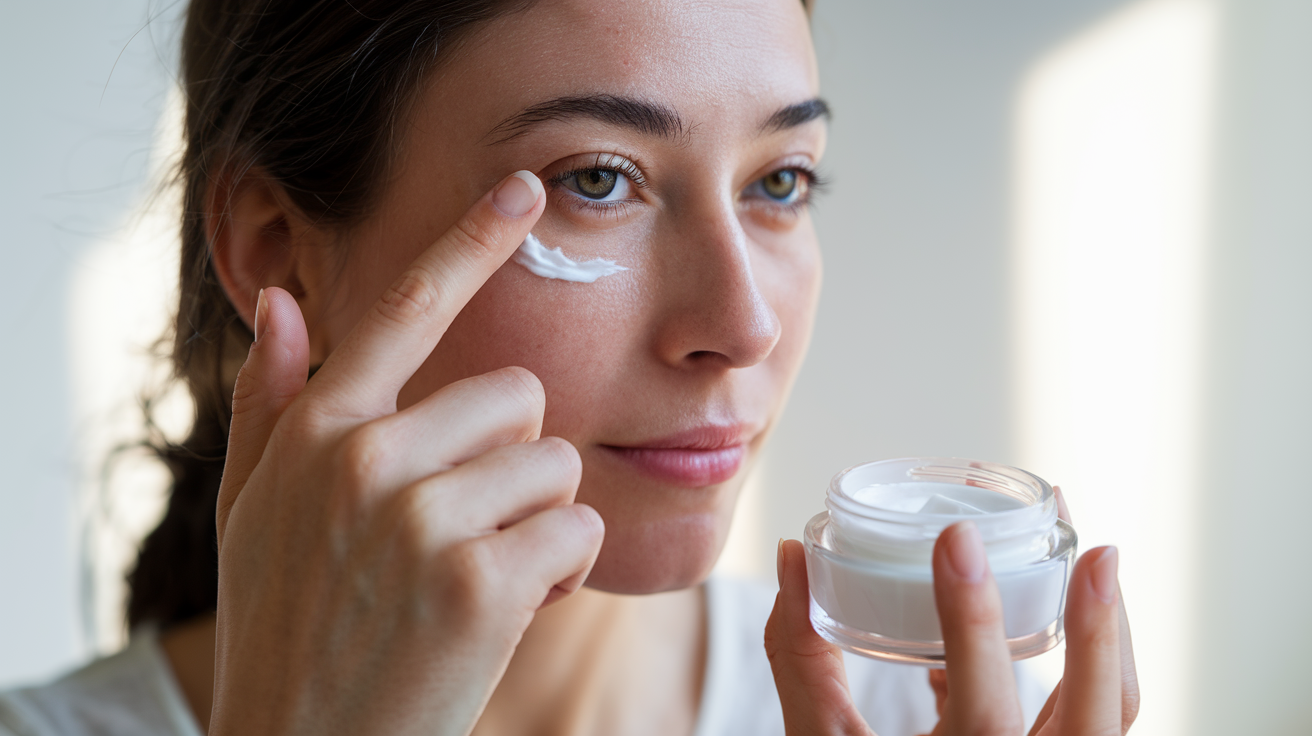
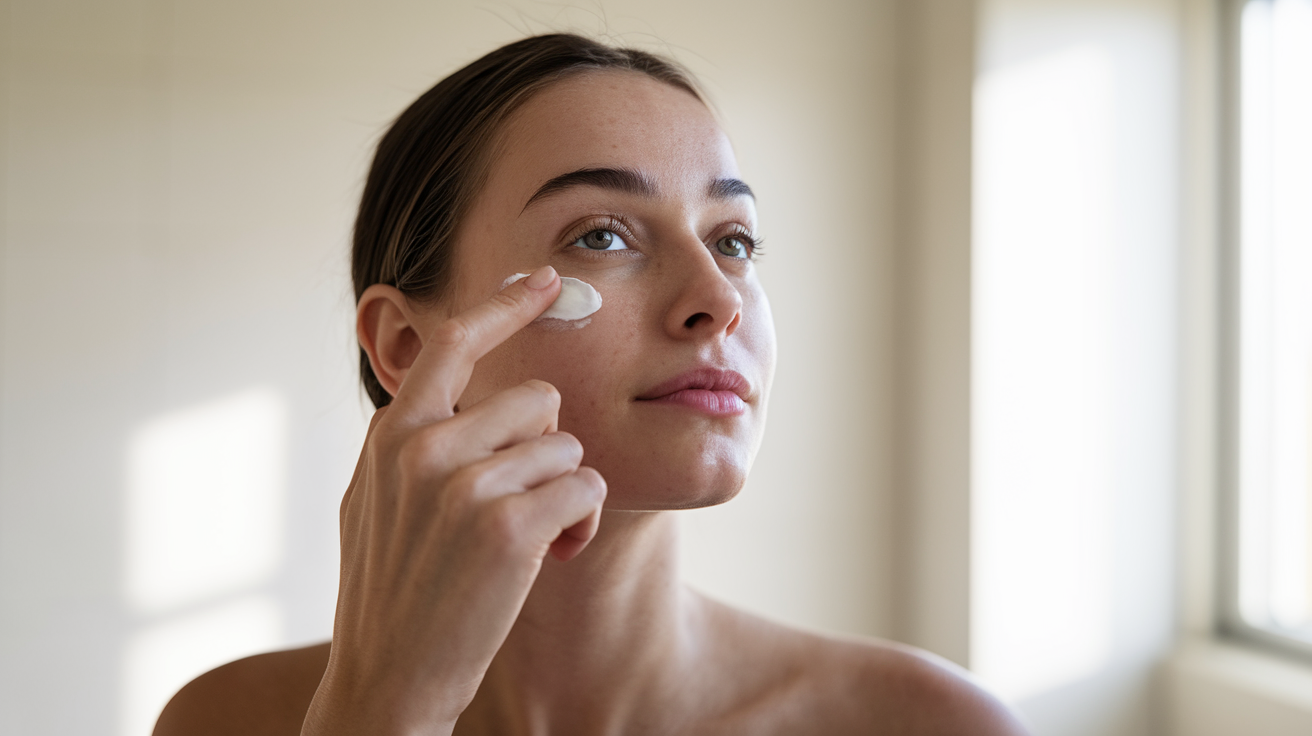
Apply eye cream once every morning after cleansing and before sunscreen or makeup. Use a pea-sized amount for both eyes. Gently pat it around the orbital bone, starting from the inner corner and moving outward.
Morning formulas often feel lighter and absorb quickly, which makes them ideal under concealer. Look for ingredients like caffeine to reduce the appearance of puffiness, hyaluronic acid for plumping hydration, and peptides to support smoother-looking skin.
Tired of seeing under-eye lines before you see yourself?
If the tiny creases under your eyes make you look more tired than you feel, this guide shows the simple under-eye routine that helps soften the look of dry lines, crepey texture, and tired skin without guessing or wasting weeks on random products.
Don't skip this step even if you're in a rush. Morning application helps keep the under-eye area looking fresher throughout the day and creates a smooth base for makeup.
If you wear makeup daily, applying eye cream in the morning can also help prevent concealer from settling into fine lines. Just give it a minute or two to absorb before layering other products on top.
Evening Application: The Overnight Repair Window
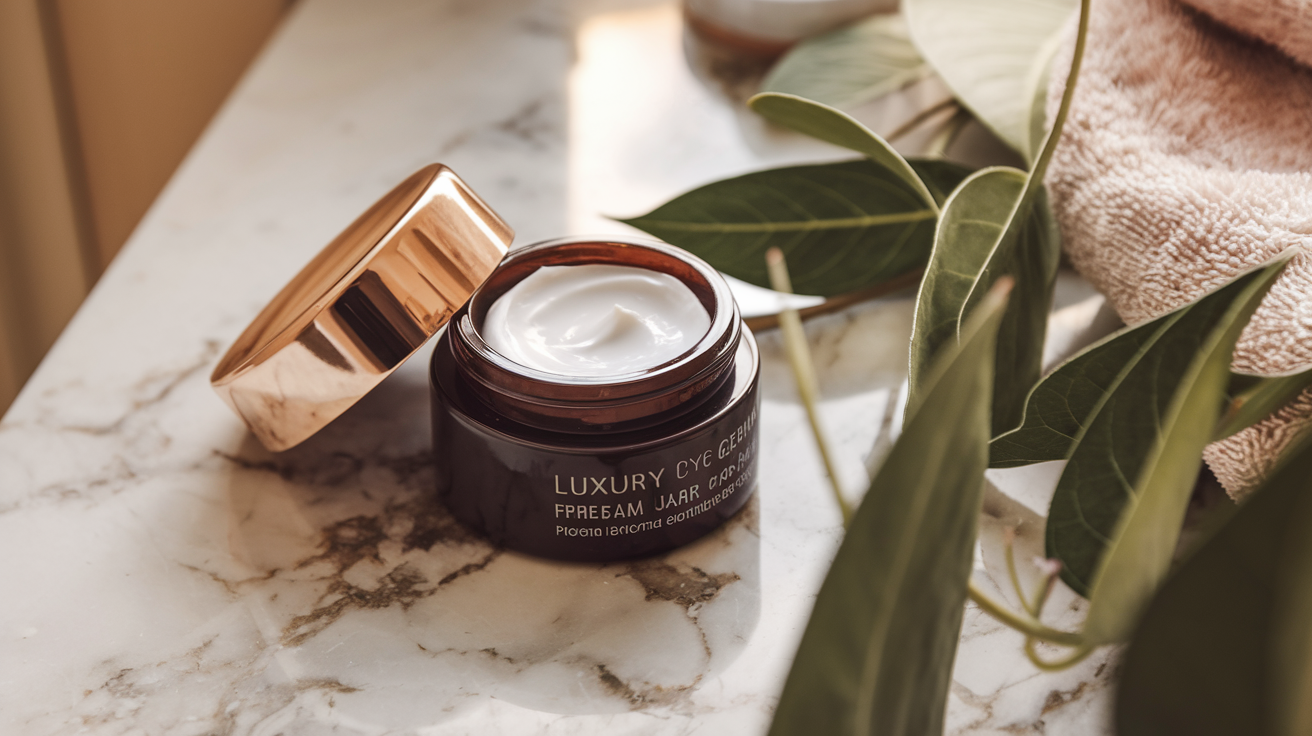
Your nighttime eye cream application is where the deeper work happens. While you sleep, your skin's natural repair processes kick into high gear, making evening the ideal time for richer, more nourishing formulas.
Apply eye cream once every night after cleansing and before bed. This is when you can use slightly thicker textures with ingredients like retinol, ceramides, or nourishing oils that support skin renewal and help reduce the appearance of fine lines over time.
Nighttime is also when you can be more generous with your application if your skin tolerates it well. The goal is to give your under-eye area a chance to absorb moisture and active ingredients without interference from makeup, sunscreen, or daytime activity.
If you're using a treatment product like retinol around the eyes, start slowly. Apply it two to three times per week at night, and gradually increase frequency as your skin adjusts. Some people find that alternating between a retinol eye cream and a hydrating one works best to avoid irritation.
For best results, consider adding this step to your nightly routine at the same time each evening. Consistency helps you remember, and your skin benefits from the regular rhythm. If you're looking for a step-by-step plan that takes the guesswork out of your routine, check out this affiliate one to see how to layer products the right way.
Signs You're Applying Too Much or Too Little
How do you know if your eye cream frequency is working? Your skin will tell you.
Signs you're applying too much:
If you notice milia (tiny white bumps), puffiness that wasn't there before, or a greasy film that won't absorb, you may be overdoing it. The skin around your eyes is thin and doesn't need a thick layer of product. A little goes a long way.
Using too much product can also cause eye cream to migrate into your eyes, leading to irritation or blurry vision. If this happens, scale back the amount you're using per application rather than cutting frequency.
Signs you're not applying enough:
If your under-eye area feels tight, looks flaky, or shows visible dryness even after you've been using eye cream, you might need to apply more often or use a richer formula. Dryness can make fine lines look more pronounced, so keeping the area hydrated is key.
Another sign is if your concealer creases or cakes within an hour or two of application. This often means the skin underneath isn't getting enough moisture to stay smooth and supple.
If you're unsure whether your current routine is enough, try this: apply eye cream twice daily for two weeks and take note of how your skin looks and feels. If you see improvement in texture, hydration, or the overall appearance of your under-eye area, you've found your rhythm.
For a complete breakdown of how to build a routine that actually works for your skin type and concerns, this affiliate one walks you through each step with clarity and no fluff.
The bottom line? Twice daily is the standard that works for most people, but your skin's unique needs should guide your final decision. Pay attention to how your under-eye area responds, adjust as needed, and stay consistent. That's how you'll see smoother-looking, less tired-looking eyes over time.