Disclosure: This post contains affiliate links. We may earn a commission at no extra cost to you.
7 Warning Signs Your Eye Cream Is Actually Irritating Your Delicate Skin
Have you ever wondered why your expensive eye cream seems to be making things worse instead of better? You're not alone. The skin around your eyes is ten times thinner than the rest of your face, making it especially vulnerable to irritation from ingredients that might work perfectly well elsewhere. While eye creams promise to soften the appearance of fine lines and reduce puffiness, sometimes the very product you're counting on is quietly causing damage. Here are seven warning signs that your eye cream might be working against you.
Redness and Inflammation Around the Eye Area
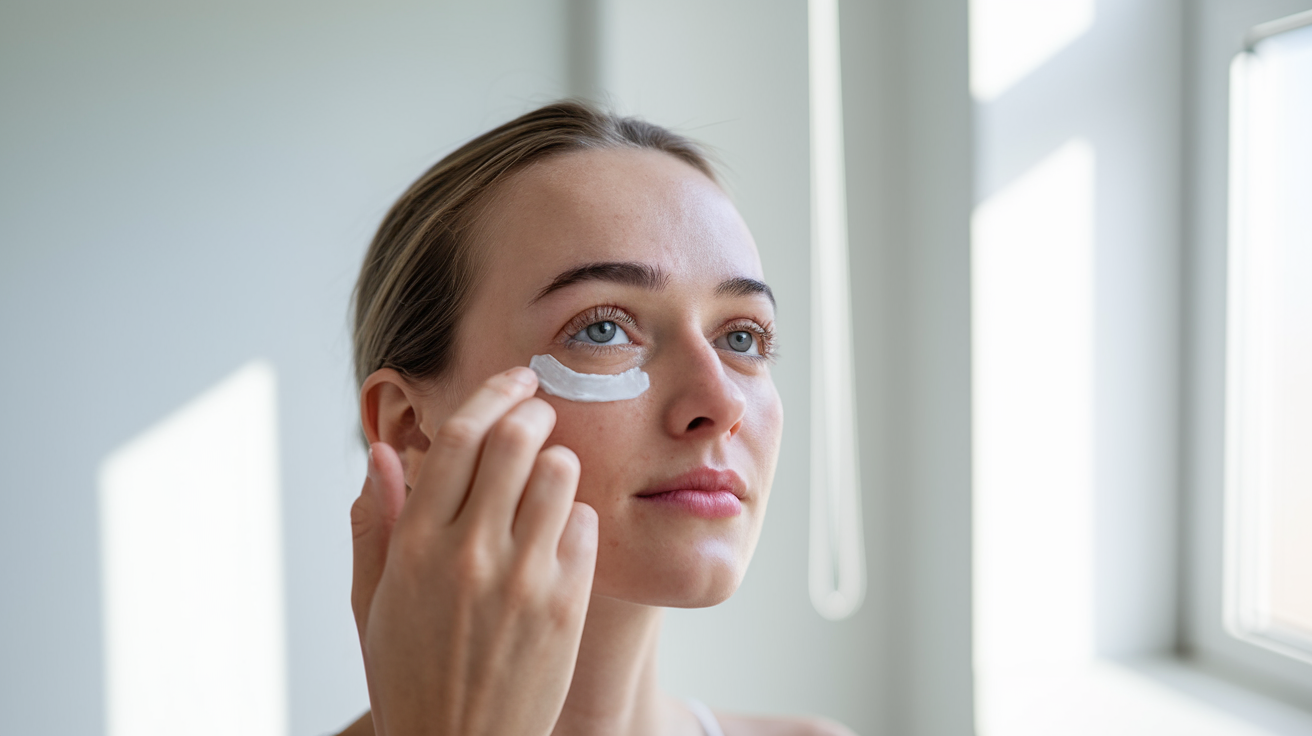
If you notice consistent redness or puffiness that wasn't there before you started using your eye cream, your skin is sending you a clear message. This inflammation often shows up as pink or red patches along the orbital bone or in the inner corners of your eyes.
Unlike temporary redness that fades within minutes, irritation-related inflammation tends to linger for hours or even worsen throughout the day. Some people mistake this for natural sensitivity, but healthy eye cream shouldn't cause persistent redness.
Common culprits include high concentrations of retinol, fragrance compounds, or preservatives like methylisothiazolinone. Even natural ingredients like essential oils can trigger inflammation in the delicate eye area.
Increased Dryness or Flaking After Application
It seems counterintuitive, but some eye creams actually strip moisture from your skin instead of adding it. If you're experiencing dry patches, flaking, or rough texture after applying your eye cream, something in the formula is disrupting your skin barrier.
This often happens with products containing high amounts of alcohol, certain peptides that your skin doesn't tolerate well, or exfoliating acids that are too strong for the eye area. Your skin might feel tight an hour or two after application, or you might notice makeup settling into dry lines that weren't visible before.
The under-eye area needs gentle hydration, not aggressive ingredients that compromise its natural protective layer. If your eye cream leaves your skin feeling parched, it's time to reconsider your choice.
Burning or Stinging Sensation That Persists
A slight tingling that disappears within seconds might be normal for some active ingredients, but burning or stinging that lasts more than a minute is a red flag. Your skin is literally telling you it's in distress.
This sensation often indicates that the pH is too low, the active ingredients are too concentrated, or you're reacting to a specific compound. Some people experience this with vitamin C serums marketed for eyes, strong peptide formulas, or products containing citrus extracts.
Never push through persistent burning in hopes that your skin will adjust. The eye area is too delicate for that approach, and continued use can lead to long-term sensitivity. For more guidance on choosing gentler formulas, check out this affiliate one that walks you through ingredient selection.
Tired of seeing under-eye lines before you see yourself?
If the tiny creases under your eyes make you look more tired than you feel, this guide shows the simple under-eye routine that helps soften the look of dry lines, crepey texture, and tired skin without guessing or wasting weeks on random products.
New Fine Lines Appearing or Existing Ones Worsening
This might be the most frustrating sign of all. You bought an eye cream specifically to help soften the appearance of fine lines, but instead, you're noticing more creasing or deeper-looking wrinkles.
When an eye cream irritates your skin, it can compromise the moisture barrier and cause dehydration lines that weren't there before. These aren't true aging lines, they're damage from product incompatibility. The skin around your eyes starts to look crepey or develop a texture that makeup settles into throughout the day.
Overly mattifying formulas, products with drying alcohols, or creams that are too heavy and prevent your skin from breathing can all contribute to this problem. Sometimes switching to a simpler, more hydrating formula can help the skin look smoother within days.
Watery Eyes or Excessive Tearing
If your eyes start watering shortly after you apply your eye cream, your body is trying to flush out an irritant. This happens when product migrates into your eyes or when vapors from volatile ingredients reach your tear ducts.
Fragrances, essential oils, menthol, eucalyptus, and certain preservatives are common triggers. Even if you're careful to keep the cream away from your lash line, these ingredients can travel with your body heat or mix with your natural oils.
Chronic tearing can lead to additional irritation and puffiness as you reflexively rub or dab at your eyes throughout the day. Your eye cream should never make you reach for tissues.
Small Bumps or Milia Formation
Those tiny white or flesh-colored bumps appearing around your eyes aren't acne. They're called milia, and they form when dead skin cells get trapped beneath the surface because your skin can't properly shed them.
Rich, occlusive eye creams with heavy oils or silicones can block the thin skin around your eyes and trap debris. Products with comedogenic ingredients or formulas that are simply too thick for your skin type often cause this issue.
Milia don't go away on their own quickly, and they can make the eye area look bumpy and textured. If you notice these developing after starting a new eye cream, the formula is likely too heavy for your delicate skin. Understanding your specific needs can help you avoid this problem, which is why resources like this affiliate one can be valuable for personalized approaches.
How to Patch Test and Switch Products Safely
Before committing to a new eye cream, always patch test on your inner forearm for 24 hours to check for obvious reactions. If that goes well, apply a small amount to the outer corner of one eye for two nights before using it on both eyes.
When switching products due to irritation, give your skin a break first. Stop using the problematic cream immediately and let your skin barrier recover for at least three to five days. During this time, stick to gentle cleansing and a basic moisturizer you know your skin tolerates.
Look for new products with shorter ingredient lists, no added fragrance, and formulas designed specifically for sensitive skin. Ingredients like ceramides, hyaluronic acid, and niacinamide tend to be gentler while still providing benefits.
Introduce your new eye cream slowly, starting with every other night for the first week. Pay attention to how your skin responds not just immediately after application, but also the next morning and throughout the day.
Remember that everyone's skin is different, and what works beautifully for someone else might not suit your unique biology. Trust your skin's signals and don't be afraid to discontinue products that don't feel right, no matter how expensive they were or how well-reviewed they are.
The right eye cream should feel comfortable, help your skin look smoother and more refreshed, and never cause ongoing discomfort. When you find that match, you'll know it because your under-eye area will simply look and feel better, with a healthier appearance that makes you feel more confident every time you catch your reflection.