Disclosure: This post contains affiliate links. We may earn a commission at no extra cost to you.
Eye Cream vs Regular Moisturizer: What Actually Works for Under Eye Wrinkles
Are you wasting money on a separate eye cream when your regular moisturizer could do the job? Or are you skipping the one product that could actually help soften the look of those tired, crepey lines under your eyes?
It's one of the most common skincare debates, and the answer isn't as simple as you'd think. The truth is, some people genuinely don't need a dedicated eye cream. Others are missing out on targeted ingredients that their regular face moisturizer just doesn't deliver.
Let's break down what actually matters when it comes to caring for the delicate skin around your eyes.
Why the Under Eye Area Needs Special Treatment
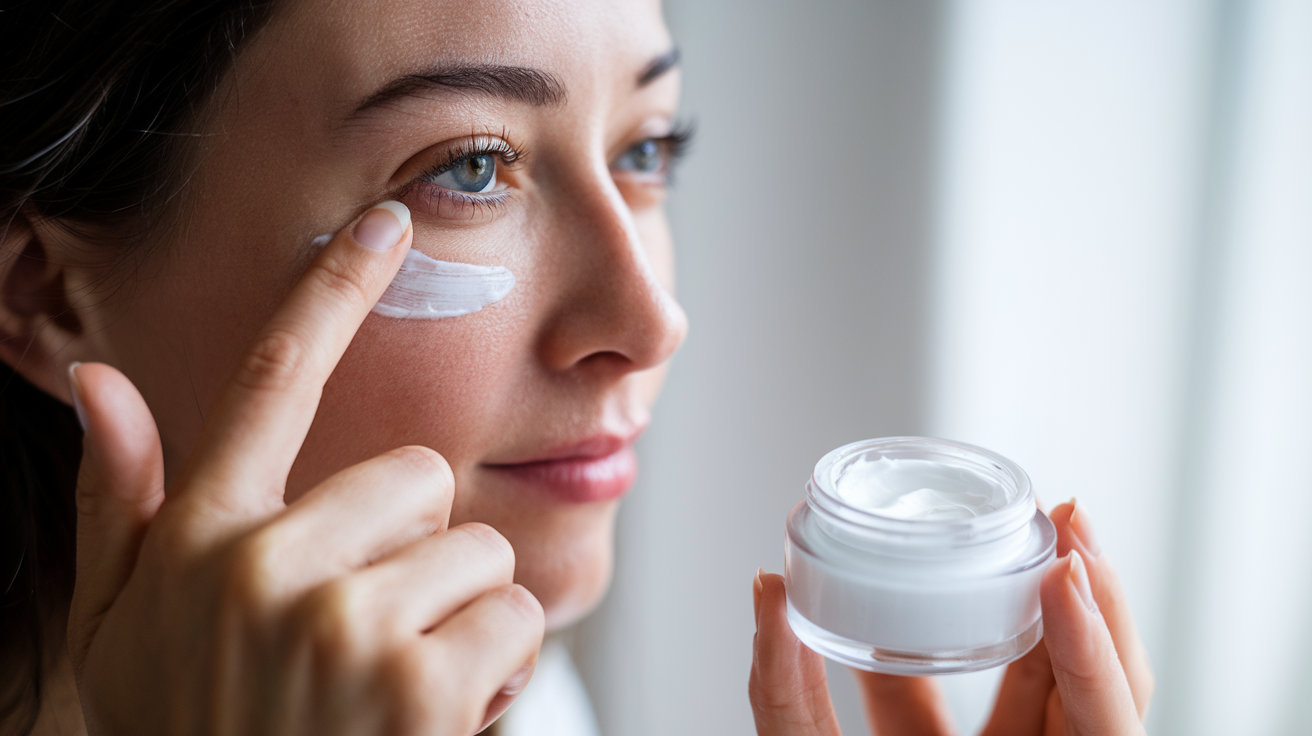
The skin under your eyes is different from the rest of your face in ways that actually matter.
It's about 40% thinner than the skin on your cheeks. There are fewer oil glands in this area, which means it dries out faster and shows texture changes more easily. The constant movement from blinking, squinting, and facial expressions also means this skin is under more stress than other areas.
This doesn't automatically mean you need a separate product. But it does mean this area is more prone to looking dry, crepey, and tired before the rest of your face does.
If your current moisturizer feels too heavy, migrates into your eyes, or doesn't seem to help with the specific concerns you're seeing in this area, that's a sign the formulation might not be ideal for under-eye use.
Key Differences Between Eye Cream and Face Moisturizer Formulations
Eye creams and face moisturizers are built differently for good reason.
Most face moisturizers are designed to address concerns like oiliness, texture, or breakouts. They may contain actives like salicylic acid, stronger retinoids, or fragrances that can irritate the thinner skin around your eyes.
Eye creams, on the other hand, are typically formulated to be gentler and more targeted. Many include ingredients like caffeine to help reduce puffiness, peptides to support skin texture, or light-reflecting particles to help brighten the appearance of the under-eye area.
They also tend to have lighter textures that absorb quickly without feeling greasy or migrating into your eyes during the day. Some are designed to sit well under makeup, which is a big deal if you apply concealer daily.
But here's the thing: not all eye creams are actually better than a good moisturizer. Some are overpriced and under-formulated. That's why understanding your own skin and needs matters more than following a one-size-fits-all routine.
If you're looking for guidance on choosing the right affiliate one, it helps to know what ingredients actually make a difference for your specific concerns.
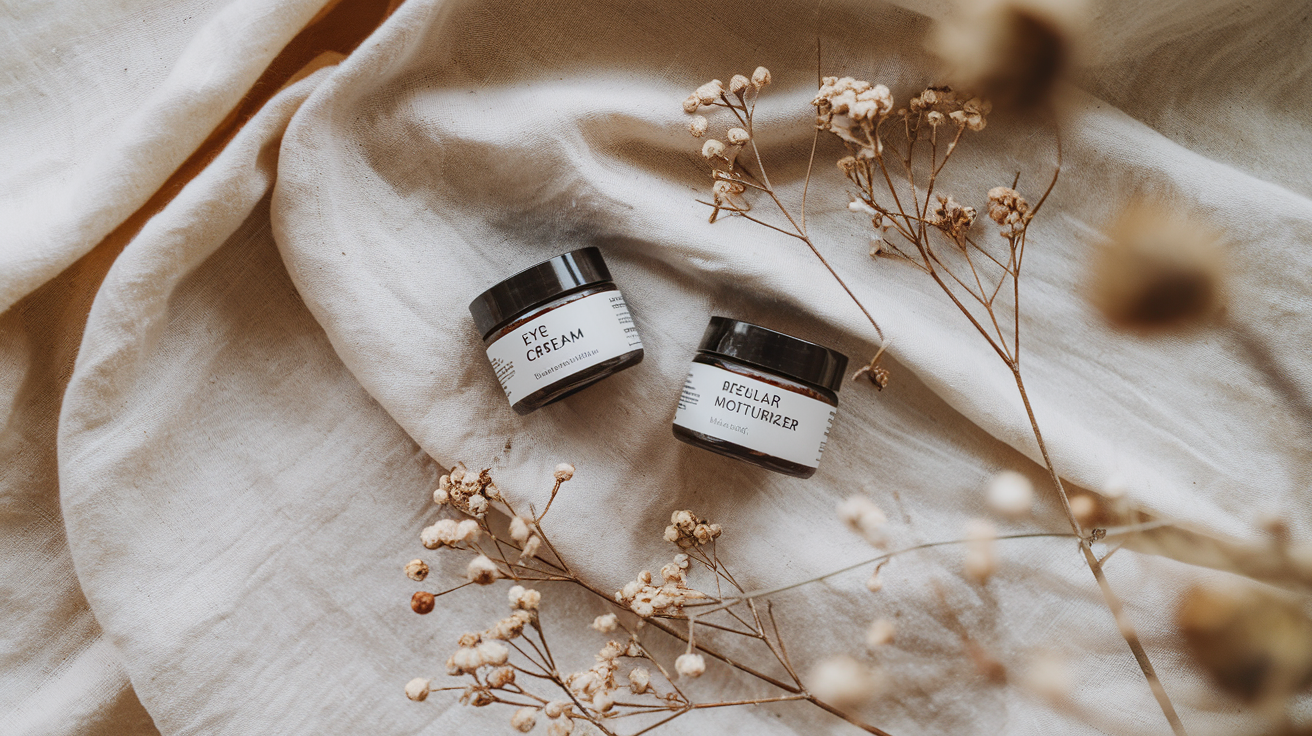
Tired of seeing under-eye lines before you see yourself?
If the tiny creases under your eyes make you look more tired than you feel, this guide shows the simple under-eye routine that helps soften the look of dry lines, crepey texture, and tired skin without guessing or wasting weeks on random products.
When Regular Moisturizer Is Enough for Your Eye Area
If you're in your twenties or early thirties and don't have specific under-eye concerns yet, your regular moisturizer is probably fine.
You also don't need a separate eye cream if your current moisturizer is gentle, fragrance-free, and doesn't irritate your eyes. Many people with minimal fine lines, no puffiness, and no dryness do perfectly well using the same product on their entire face.
Another sign you don't need a dedicated eye cream: your moisturizer already contains ingredients like hyaluronic acid, ceramides, or niacinamide, and your under-eye area feels hydrated and smooth throughout the day.
If you're using a rich night cream that's designed for dry skin and it works well around your eyes without causing milia or irritation, there's no reason to add another product just because the beauty industry says you should.
Save your money for products that actually address a problem you're experiencing.
Signs You Need a Dedicated Eye Cream Instead
Now, if you're noticing dry, crepey texture under your eyes that your face moisturizer isn't helping with, that's a sign you might benefit from something more targeted.
Other signs include persistent puffiness in the morning, dark circles that make you look more tired than you feel, or fine lines that seem more visible than they used to be.
If your regular moisturizer feels too heavy and causes milia, or if it's too light and leaves your under-eye area feeling tight by midday, a dedicated eye cream with a better texture might help.
People using active ingredients like retinol or acids on their face often need a separate, gentler product for the eye area to avoid irritation. If you're experiencing redness, flaking, or sensitivity around your eyes from your current routine, switching to a milder affiliate one can make a noticeable difference.
Another sign: if you're over 35 and starting to see changes in the texture and appearance of your under-eye skin, a targeted formula with peptides, antioxidants, or gentle retinol alternatives can help support a smoother-looking, more rested appearance over time.
Ultimately, the decision comes down to what your skin is telling you. If your current routine is working and your under-eye area looks and feels healthy, there's no need to change it. But if you're dealing with specific concerns that aren't improving, a dedicated eye cream might be worth trying.
The best approach is to pay attention to how your skin responds, adjust as needed, and skip the products that don't make a real difference for you.