Disclosure: This post contains affiliate links. We may earn a commission at no extra cost to you.
Eye Cream Before or After Moisturizer? The Right Order for Maximum Results
Have you ever stood in front of the mirror with both your eye cream and moisturizer in hand, wondering which one goes first? You're not alone. The order you layer your skincare products can change how well they work, especially around the delicate eye area where the skin is thinner and more sensitive than anywhere else on your face.
Getting the sequence wrong doesn't just waste product. It can also prevent active ingredients from reaching the skin properly, leaving you with under-eye skin that looks drier or more tired than it should.
Why Application Order Matters for Eye Area Skincare
The skin around your eyes is about ten times thinner than the skin on your cheeks. It has fewer oil glands, less collagen, and it moves constantly when you blink, smile, or squint. That makes it prone to showing dryness, fine lines, and crepey texture faster than other parts of your face.
When you layer products in the wrong order, heavier formulas can create a barrier that blocks lighter ones from absorbing. This is especially true if you apply a thick moisturizer first and then try to pat on a lightweight eye serum or cream afterward. The moisturizer sits on top of the skin like a shield, and the eye cream just slides around without doing much.
That's why understanding texture and consistency matters more than the name on the bottle. A rich night cream should always go on after a watery essence, even if both are marketed for different areas of the face.
The Thinnest to Thickest Rule Explained
The golden rule in skincare layering is simple: apply products from thinnest to thickest. Start with the most liquid-like texture and finish with the heaviest or most occlusive one.
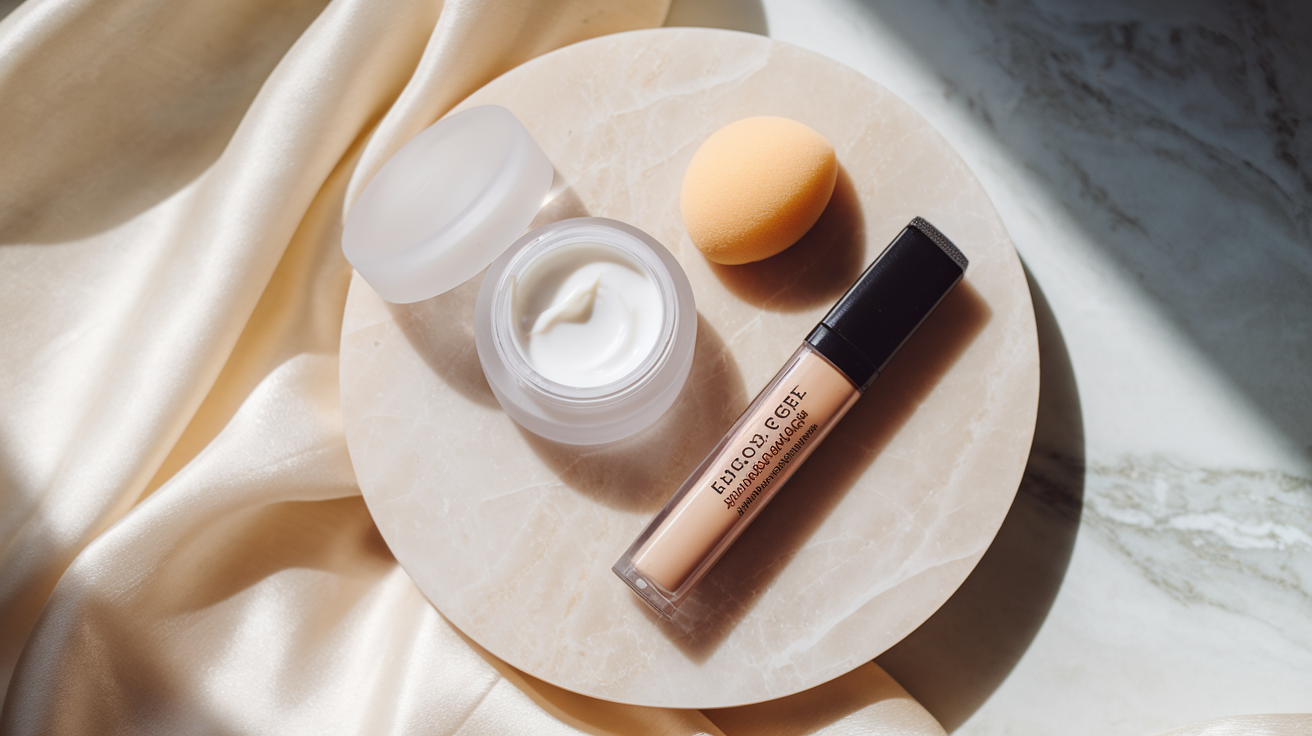
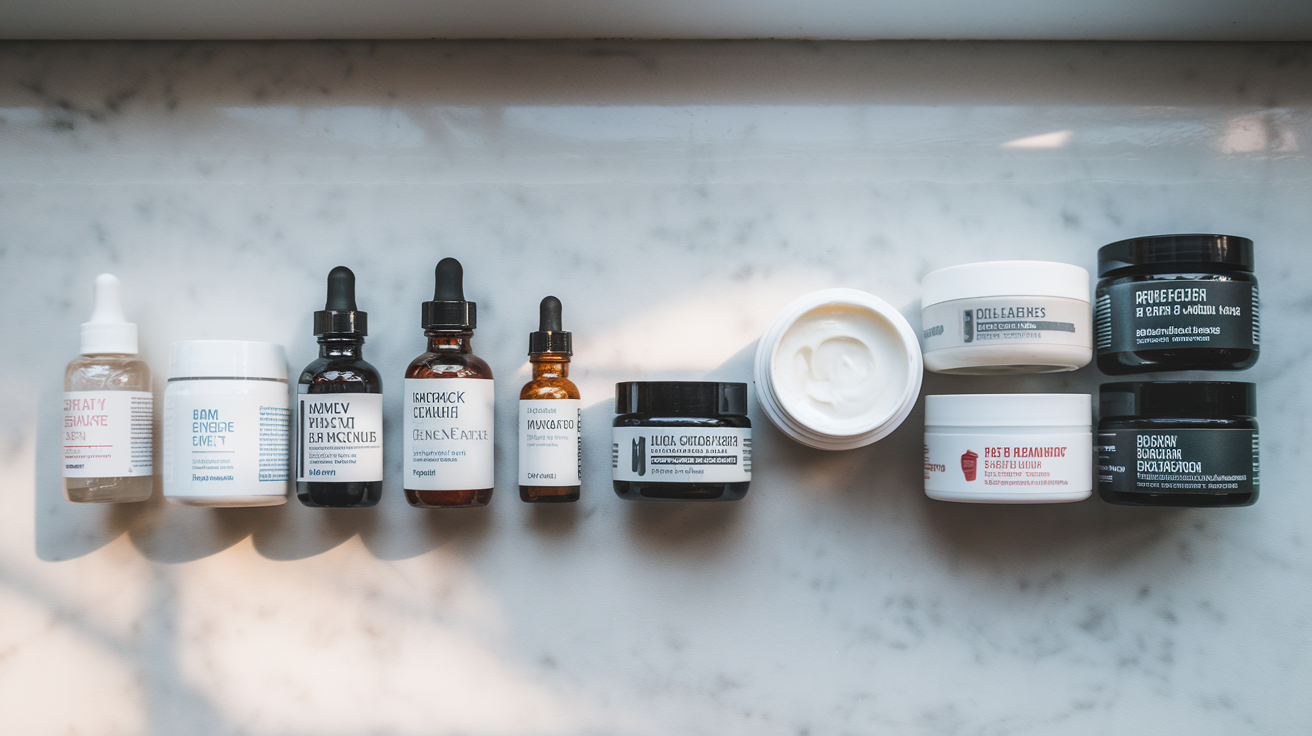
Here's what that looks like in practice. After cleansing, you would apply toner or essence first because they're mostly water-based. Then comes serum, which is slightly thicker. Eye cream usually follows next because most formulas are lighter than full-face moisturizers. Finally, you seal everything in with your moisturizer or facial oil.
But there's a catch. Not all eye creams are created equal. Some are gel-based and almost watery, while others are thick balms that feel more like ointments. If your eye cream is heavier than your moisturizer, it should go on last. If it's lighter, apply it before your moisturizer.
To figure out which is which, squeeze a small amount of each onto the back of your hand. The one that feels more lightweight and spreads easily is thinner. The one that sits in place and feels richer is thicker. That's your layering order right there.
Tired of seeing under-eye lines before you see yourself?
If the tiny creases under your eyes make you look more tired than you feel, this guide shows the simple under-eye routine that helps soften the look of dry lines, crepey texture, and tired skin without guessing or wasting weeks on random products.
Step-by-Step Eye Cream Application Sequence
Let's break down the exact order for morning and evening routines, because the steps can shift slightly depending on what you're using.
Morning routine:
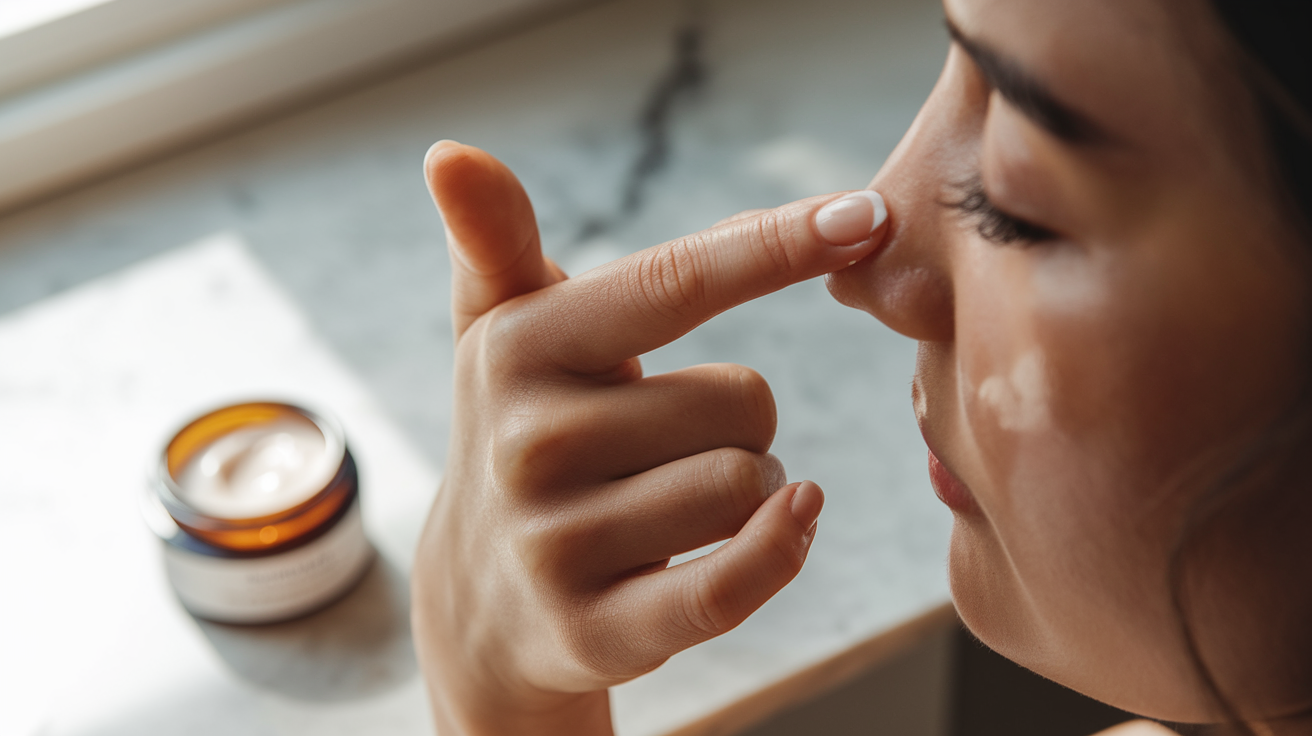
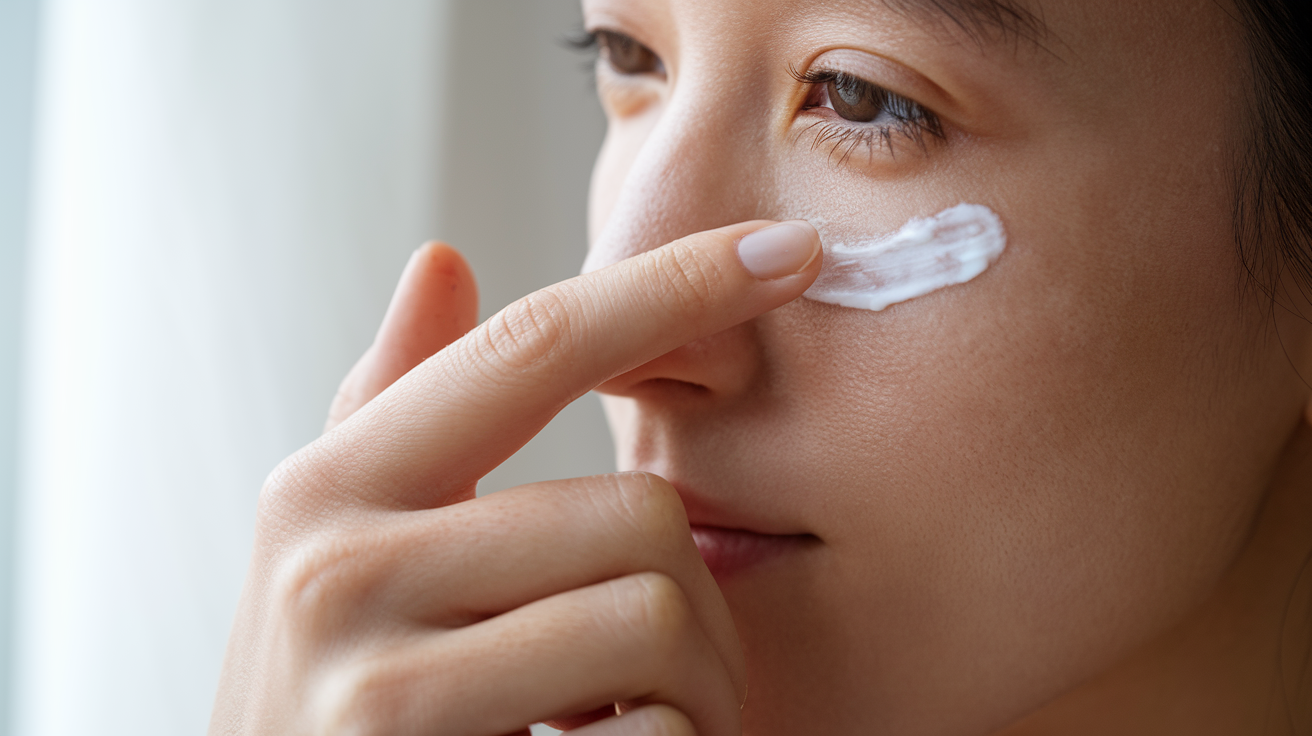
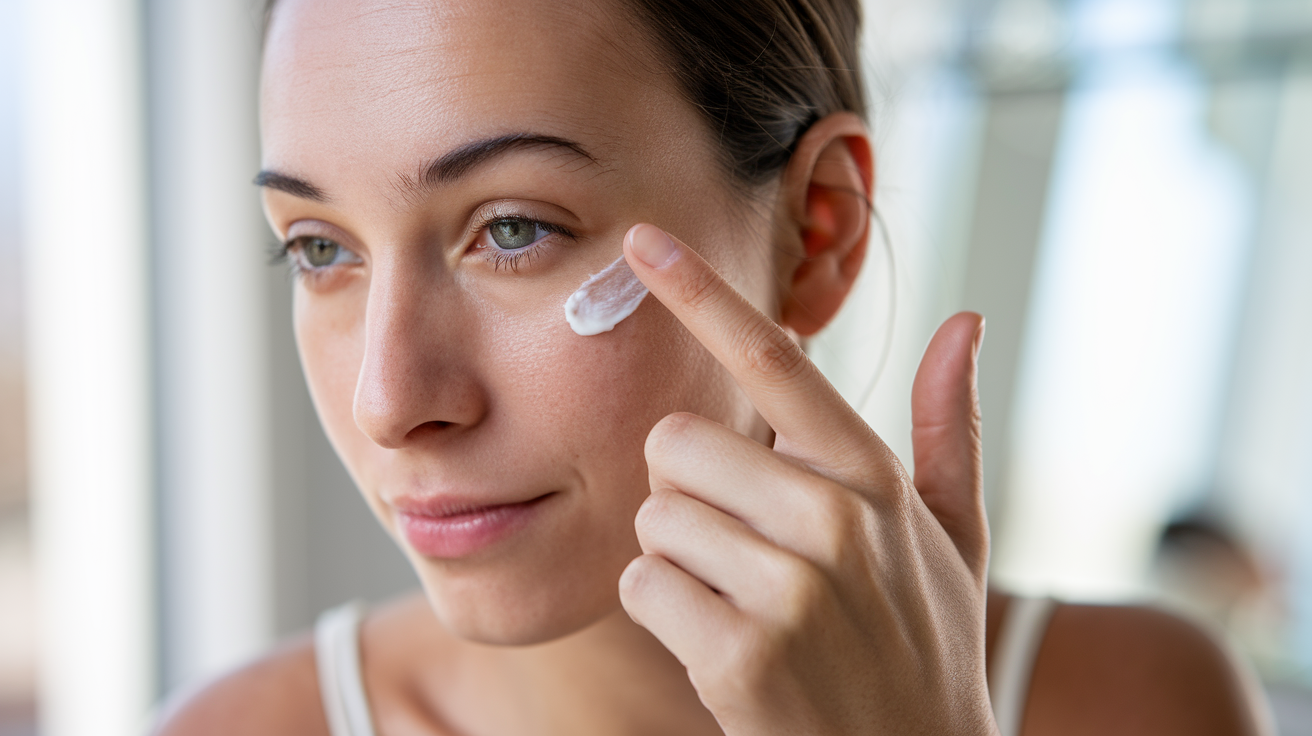
Start with a gentle cleanser, then apply toner if you use one. Next, pat on any water-based serums like vitamin C or hyaluronic acid. Now comes the eye cream. Use your ring finger to gently tap a rice-grain-sized amount along the orbital bone, starting from the inner corner and moving outward. Avoid rubbing or pulling the skin.
After the eye cream absorbs for about 30 seconds, apply your face moisturizer. You can bring it close to the eye area, but don't layer it directly over where you just applied eye cream. This prevents pilling and ensures each product stays where it's supposed to work. Finish with sunscreen over your entire face, including around the eyes if your sunscreen is ophthalmologist-tested.
Evening routine:
Cleanse thoroughly, especially if you wore makeup or sunscreen. Apply toner, then any treatment serums like retinol or peptides. Here's where it gets interesting. If you're using a retinol serum on your face, most dermatologists suggest applying your eye cream first to create a buffer zone that protects the delicate eye area from irritation.
If you're not using actives, the same thin-to-thick rule applies. Eye cream goes on before moisturizer unless your eye cream is a heavy balm. In that case, moisturizer first, then eye balm as the final step to lock everything in overnight. For more detailed guidance on building an effective eye routine, check out this affiliate one that walks through every step.
One more thing: if you use a facial oil, that always goes last because oil creates a seal over water-based products. The only exception is if you're using the oil as a mixing medium with your moisturizer, in which case you'd blend them together and apply after eye cream.
Common Layering Mistakes That Reduce Effectiveness
Even when you know the right order, small mistakes can still interfere with how well your products work. Here are the ones that come up most often.
Applying too much eye cream at once. More is not better when it comes to the eye area. Using too much can cause the product to migrate into your eyes, leading to puffiness or irritation. It can also sit on the surface without absorbing, which wastes product and makes makeup application harder. A pea-sized amount is enough for both eyes.
Rubbing instead of patting. The skin around your eyes is fragile. Rubbing or dragging your fingers across it can contribute to the appearance of sagging or fine lines over time. Always use a gentle tapping motion with your ring finger, which naturally applies the least pressure.
Skipping the wait time between layers. If you apply moisturizer immediately after eye cream, the two products can mix together and dilute each other. Give your eye cream at least 30 seconds to a minute to settle into the skin before moving on. You don't need to wait until it's bone dry, just until it no longer feels wet or slippery.
Using the same product for day and night. Your skin has different needs in the morning versus the evening. Daytime eye creams often include light-reflecting particles, caffeine for reducing puffiness, or added sun protection. Nighttime formulas tend to be richer and may include ingredients like retinol or peptides that work best while you sleep. Using a daytime formula at night might not give you the moisture or treatment benefits you need.
Layering incompatible textures. Silicone-heavy primers and water-based serums don't play well together. The same goes for oil-based eye balms and gel moisturizers. If you notice pilling, where little balls of product form on your skin, that's a sign your products aren't layering nicely. Try switching the order or choosing formulas with more compatible bases.
And one final tip: don't apply eye cream or moisturizer too close to your lash line. The heat from your skin will naturally move the product upward, so applying it along the orbital bone is enough. Going too close can cause products to seep into your eyes overnight or throughout the day.
Understanding the right layering order isn't about following rigid rules. It's about knowing your products, paying attention to texture, and giving each formula the best chance to work. When you apply your eye cream before moisturizer in most cases, using the thin-to-thick method as your guide, you're setting up a routine that feels better, absorbs faster, and makes the most of what you're already using. If you want a step-by-step plan that takes the guesswork out of your eye routine, this affiliate one breaks it all down in one place.