Disclosure: This post contains affiliate links. We may earn a commission at no extra cost to you.
Eye Cream Before or After Moisturizer? The Right Order for Maximum Results
Are you applying your eye cream at the wrong time and wondering why it doesn't seem to do much? You're not alone. Most people don't realize that the order you layer your skincare products can mean the difference between ingredients working beautifully and just sitting on top of your skin doing nothing.
The truth is, your expensive eye cream might be wasted if you're slapping it on after a thick moisturizer has already created a barrier. Or maybe you're applying it too early and then covering it up with products that prevent absorption. Either way, getting the sequence wrong can leave you with under-eye skin that looks tired, creased, and older than it should.
Let's clear up the confusion once and for all.
Why Skincare Layering Order Actually Matters for Under Eye Results
The skin under your eyes is the thinnest on your entire face. It's about ten times thinner than the skin on your cheeks, which means it shows signs of aging faster and reacts differently to products.
When you layer skincare, each product creates a film on your skin. If you apply a thick, occlusive moisturizer first, it forms a protective barrier that blocks anything applied afterward from penetrating properly. That's great for locking in hydration, but terrible if you're trying to deliver targeted ingredients to the under-eye area.
Think of it like painting a wall. You wouldn't paint over a glossy sealant and expect the paint to stick, right? Skincare works the same way. The order determines what actually reaches your skin and what just slides around on the surface.
Most eye creams contain concentrated active ingredients designed to address specific concerns like fine lines, puffiness, or dryness. These ingredients need direct contact with your skin to work effectively. If they can't get through because you've already applied a heavy moisturizer, you're essentially wasting your product and your money.
The Science Behind Product Absorption Around Delicate Eye Area
Skincare absorption follows a simple rule: thinnest to thickest. Lighter products with smaller molecules should go on first, followed by heavier, richer formulas.
Eye creams are typically formulated with a specific texture and molecular weight designed for the delicate eye area. Many contain lightweight humectants, peptides, or antioxidants that need to absorb quickly. These ingredients work best when applied to clean, slightly damp skin, not over a layer of face cream.
The skin around your eyes also has fewer oil glands than the rest of your face, which means it's naturally drier and more prone to showing texture. When you apply products in the wrong order, you can end up with pilling, where products ball up and flake off, or with a greasy film that makes makeup settle into lines.
Another factor is pH. Some eye creams are formulated at specific pH levels to support gentle exfoliation or to stabilize certain active ingredients. Applying a moisturizer first can alter the pH environment and reduce how well those actives perform.
If you're serious about supporting healthier-looking under-eye skin, understanding these basics can make a real difference. For a deeper breakdown of what actually works for reducing the appearance of tired eyes, check out this affiliate one that walks through the most effective approaches.
Tired of seeing under-eye lines before you see yourself?
If the tiny creases under your eyes make you look more tired than you feel, this guide shows the simple under-eye routine that helps soften the look of dry lines, crepey texture, and tired skin without guessing or wasting weeks on random products.
Step-by-Step: Correct Order to Apply Eye Cream and Moisturizer
Here's exactly how to layer your eye cream and moisturizer for the best results:
Step 1: Start with a clean, slightly damp face. After cleansing, gently pat your skin with a towel but leave it just a bit damp. This helps with product absorption.
Step 2: Apply any serums or treatments. If you use a vitamin C serum, hyaluronic acid, or retinol, apply those first. Use them on your entire face, avoiding the immediate eye area if the product is too strong.
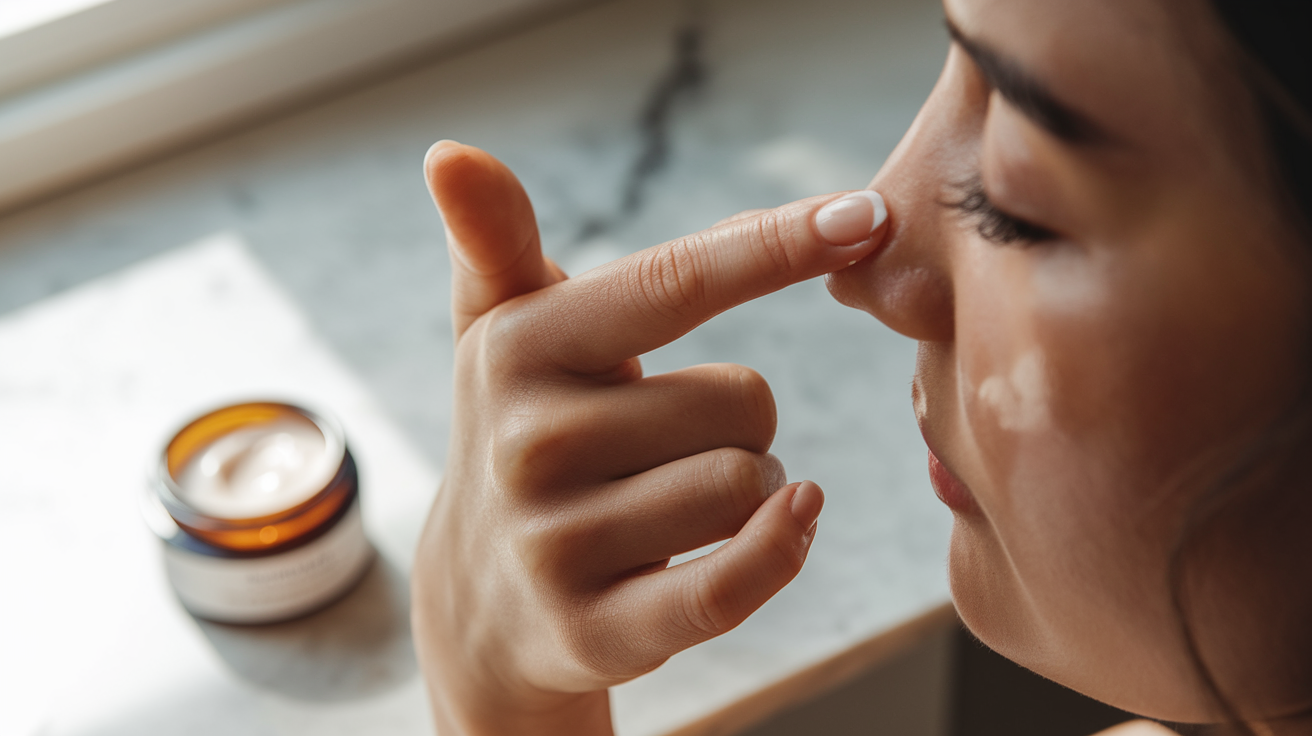
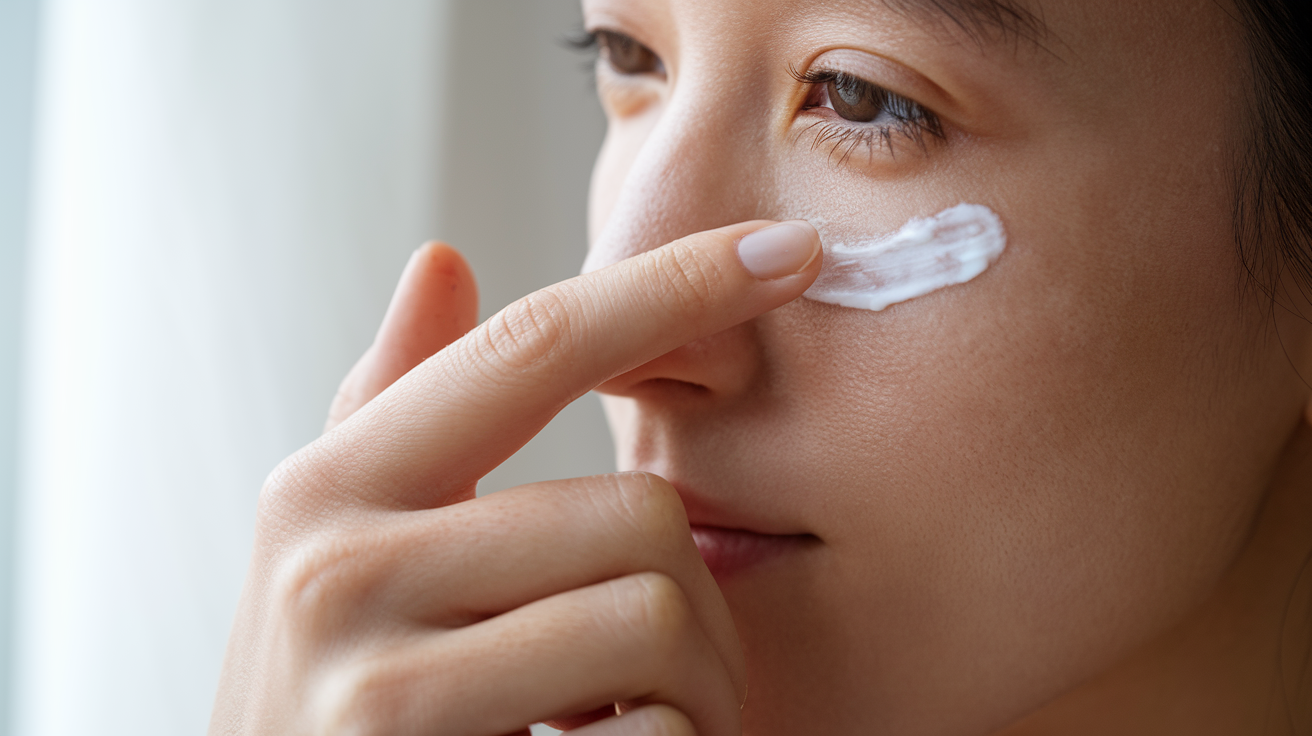
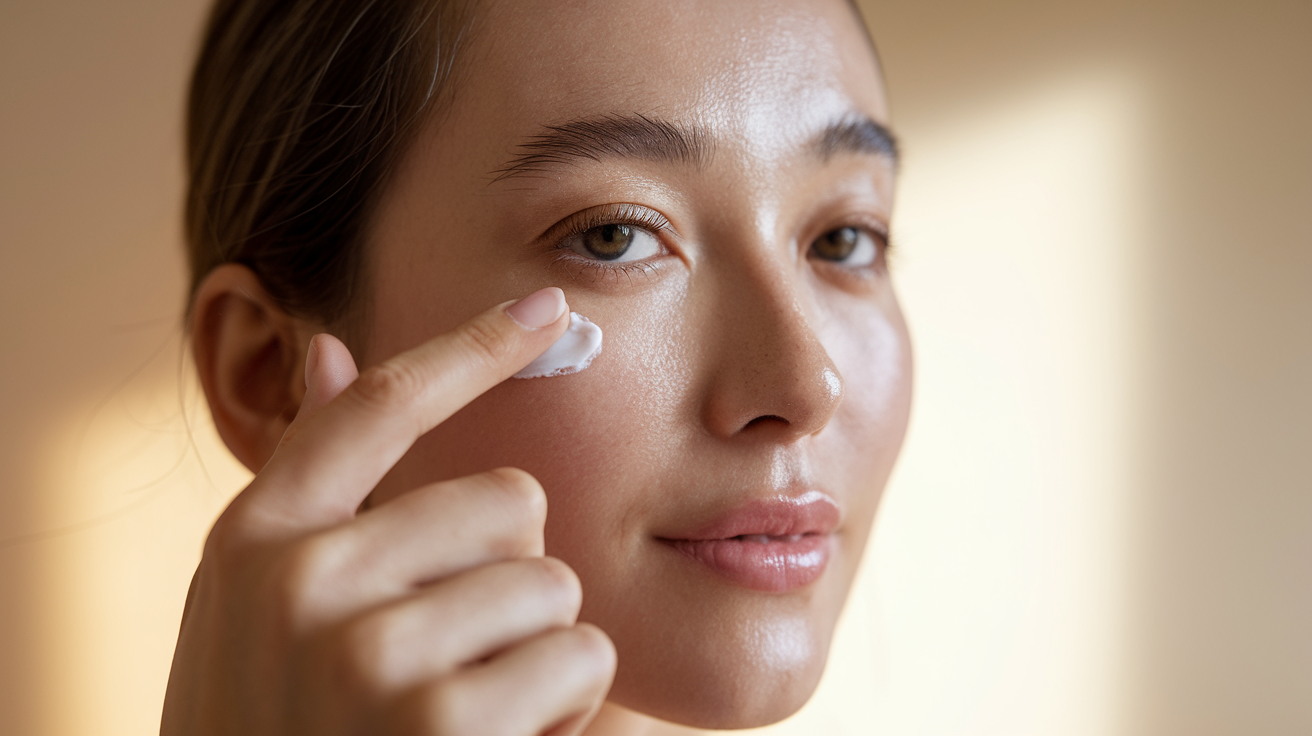
Step 3: Apply eye cream next. Use your ring finger to gently tap a small amount of eye cream around the orbital bone, starting from the inner corner and moving outward. Don't rub or tug. Let it absorb for 30 to 60 seconds.
Step 4: Follow with your face moisturizer. Once the eye cream has absorbed, apply your regular moisturizer to the rest of your face. You can bring it close to the eye area, but avoid layering it directly over the eye cream.
Step 5: Finish with SPF in the morning. Sunscreen is the final step in your morning routine and should go over everything, including the eye area.
The key takeaway: eye cream goes on before moisturizer, not after. This allows the targeted ingredients in your eye cream to penetrate the skin without interference.
If you're still confused about which products to use or how to build a complete routine that actually addresses under-eye concerns, this affiliate one breaks it all down in plain language.
Common Layering Mistakes That Reduce Eye Cream Effectiveness
Even if you're applying eye cream before moisturizer, there are a few other mistakes that can sabotage your results.
Applying too much product. Eye cream is concentrated. You only need a rice grain-sized amount for both eyes. Using more doesn't make it work better; it just sits on the surface and can migrate into your eyes, causing irritation or puffiness.
Rubbing instead of tapping. The skin around your eyes is fragile. Rubbing or pulling can cause irritation and may contribute to the appearance of sagging or fine lines over time. Always use a light tapping motion with your ring finger.
Skipping the orbital bone. Some people apply eye cream only to the area directly under the eye, but you should also apply it along the brow bone and outer corner. This ensures even coverage and helps address crow's feet.
Layering incompatible ingredients. If your eye cream contains retinol and your moisturizer has AHAs or vitamin C, you might be causing unnecessary irritation. Pay attention to ingredient interactions, especially around sensitive areas.
Not waiting between steps. Rushing through your routine and piling on products without giving them time to absorb can lead to pilling, uneven texture, and reduced effectiveness. Give each product 30 to 60 seconds to sink in.
Using the same product morning and night. Your skin has different needs in the morning versus the evening. A lightweight, hydrating eye cream works well under makeup during the day, while a richer, more restorative formula is better at night.
Getting these details right won't transform your skin overnight, but it will help you get the most out of the products you're already using. Small adjustments in application technique can lead to smoother-looking, less tired-looking eyes over time.
Skincare layering doesn't have to be complicated. Apply eye cream before moisturizer, use gentle tapping motions, and give each product time to absorb. That's it. Stick to this order, avoid the common mistakes, and you'll be giving your under-eye area the best chance to look its healthiest.