Disclosure: This post contains affiliate links. We may earn a commission at no extra cost to you.
Drugstore vs Luxury Eye Creams: Which Actually Works Better for Wrinkles?
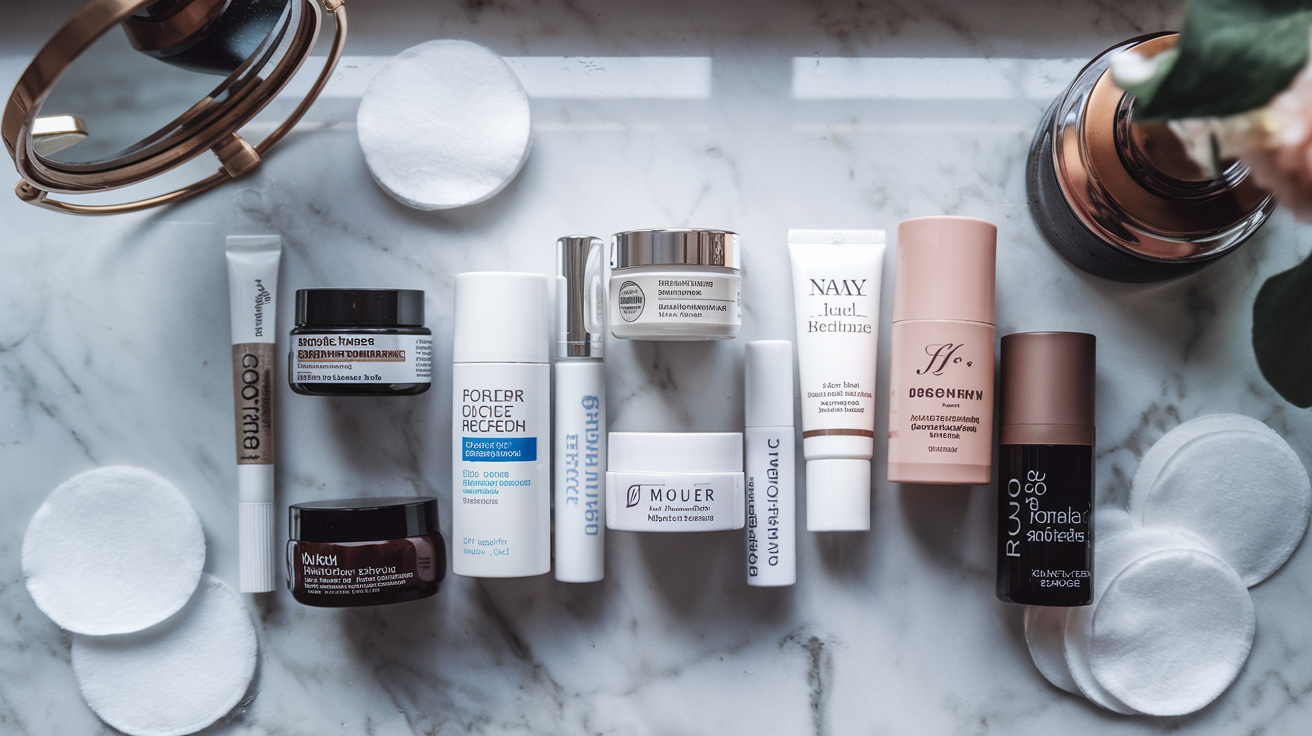
You're standing in the skincare aisle staring at a $12 eye cream, then scrolling online past a $200 luxury jar. Both promise smoother-looking skin and less visible fine lines. One costs as much as lunch. The other costs more than your monthly coffee budget. So which one actually delivers?
The truth isn't as simple as "expensive is better" or "they're all the same." Some drugstore formulas rival department store favorites, while some luxury creams justify their price tags with innovative ingredients. Let's break down what you're really paying for and when it actually matters.
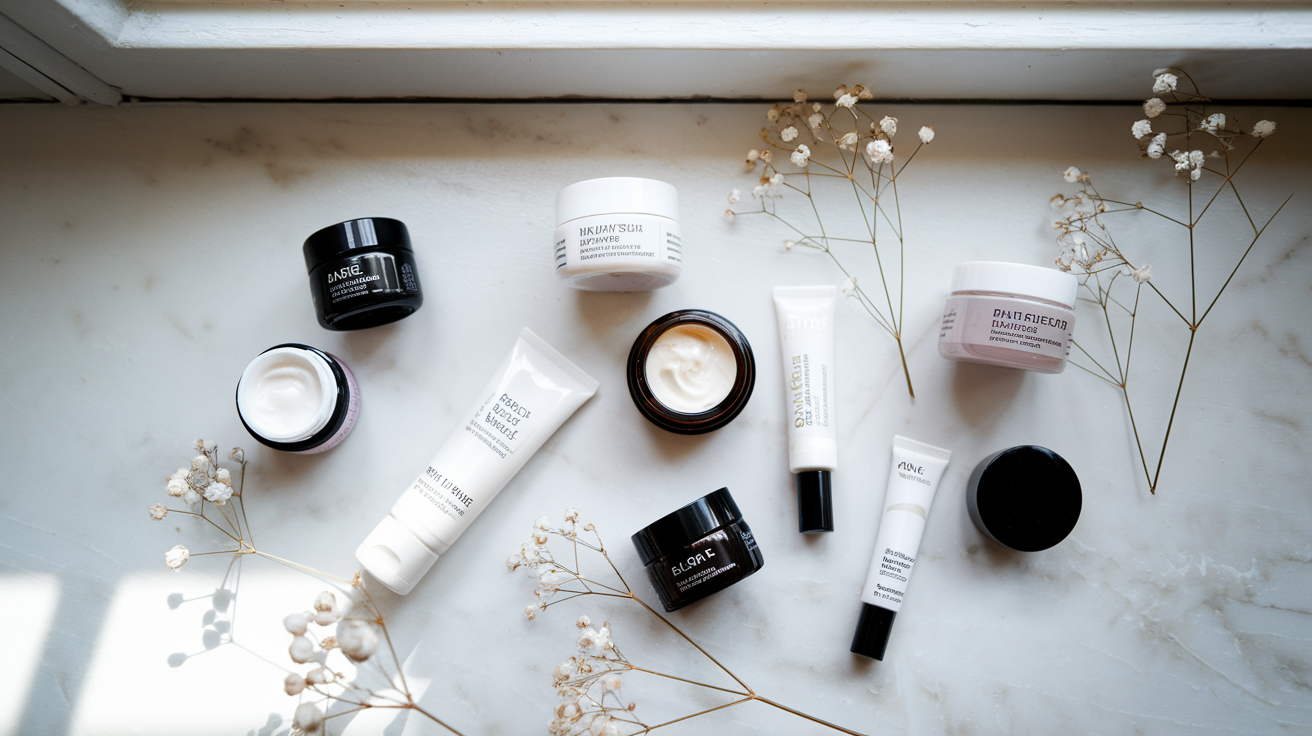
The Real Difference in Eye Cream Formulations Across Price Points
Most eye creams share similar base ingredients regardless of price: water, emollients, humectants, and thickeners. The differences show up in three key areas.
First, the concentration of active ingredients. A drugstore retinol cream might contain 0.1% retinol, while a luxury version offers 0.5% or pairs it with stabilizing technology that helps it penetrate better. Higher concentrations aren't always better for everyone, but they can make a difference for those who tolerate them well.
Second, the supporting cast of ingredients. Luxury formulas often include peptide blends, growth factors, or patented delivery systems that help ingredients absorb more effectively. Drugstore brands typically stick to tried-and-true actives without the bells and whistles.
Third, texture and sensory experience. Premium eye creams invest heavily in elegant textures that absorb quickly, layer well under makeup, and feel luxurious. Budget options sometimes feel heavier or take longer to sink in, though this doesn't necessarily mean they work less effectively.
Key Ingredients: What You're Actually Paying For
When you buy a luxury eye cream, a chunk of that price covers marketing, packaging, and brand prestige. But some of it does go toward ingredients that cost more to source and formulate.
Peptides are a perfect example. A basic peptide might appear in both drugstore and luxury products, but high-end formulas often use multiple peptides at higher concentrations or proprietary blends backed by clinical studies. Companies pay for exclusive rights to use certain peptide combinations.
Retinol stability is another factor. Cheap retinol degrades quickly when exposed to light and air. Premium brands invest in encapsulation technology or airless packaging that keeps retinol potent longer. You're paying for ingredients that still work when you reach the bottom of the jar.
Antioxidants like vitamin C are notoriously unstable. Drugstore versions often use less expensive, less stable forms. Luxury formulas might use L-ascorbic acid in a stabilized base or pair it with ferulic acid and vitamin E for enhanced effectiveness.
Tired of seeing under-eye lines before you see yourself?
If the tiny creases under your eyes make you look more tired than you feel, this guide shows the simple under-eye routine that helps soften the look of dry lines, crepey texture, and tired skin without guessing or wasting weeks on random products.
Drugstore Eye Creams That Dermatologists Actually Recommend
Some budget-friendly eye creams punch well above their price point. These formulas contain proven ingredients at effective concentrations without the luxury markup.
CeraVe Eye Repair Cream is a consistent favorite. It contains ceramides to support the skin barrier, hyaluronic acid for hydration, and niacinamide to help brighten the look of dark circles. The formula is fragrance-free and gentle enough for sensitive skin. At around $15, it delivers consistent results for those looking to maintain smoother-looking under-eyes.
RoC Retinol Correxion Eye Cream brings retinol to the drugstore at about $25. While the retinol concentration is moderate, it's formulated to minimize irritation, making it a solid starting point for retinol newcomers. Many dermatologists recommend it to patients who want to address the appearance of fine lines without spending a fortune.
Olay Eyes Brightening Eye Cream uses niacinamide and peptides to help reduce the look of dark circles and create a more refreshed appearance. At under $30, it's particularly helpful for those whose main concern is tired-looking eyes rather than deeper lines.
The Ordinary Caffeine Solution 5% + EGCG costs less than $10 and targets puffiness. While it won't dramatically change the appearance of wrinkles, it helps temporarily tighten and refresh the look of the under-eye area, especially in the morning.
When Luxury Eye Creams Are Worth the Investment
Sometimes the higher price tag makes sense, especially if you've already tried drugstore options and want to explore more advanced formulations. For those looking for comprehensive affiliate one approaches, luxury formulas might offer benefits worth considering.
If you have mature skin with significant texture concerns, luxury formulas with higher concentrations of retinol, multiple peptides, or growth factors may provide more noticeable improvements in skin texture. These ingredients work gradually to help skin look smoother and more refined over time.
For those with extremely sensitive skin, luxury brands often invest more in gentle, non-irritating formulations. They use fewer potential irritants and include more soothing ingredients. If you've struggled to find an eye cream that doesn't cause redness or stinging, a premium formula designed for reactive skin might be worth the investment.
Texture matters more than you might think. If a drugstore cream feels too heavy and causes milia or doesn't layer well under your makeup, you won't use it consistently. A luxury eye cream that absorbs beautifully and works with your routine is worth more than a budget option sitting unused in your drawer.
Innovative delivery systems can make a difference. Some luxury brands use encapsulation technology, time-release mechanisms, or penetration enhancers that help ingredients reach deeper layers of skin. These technologies add to the cost but can improve how effectively ingredients work.
Side-by-Side Results: Real Women Compare Budget and High-End Options
When real users test drugstore versus luxury eye creams, the results often surprise them. The most expensive option doesn't always win.
Sarah, 42, tested a $15 drugstore retinol eye cream against an $180 luxury option for eight weeks. She noticed both helped soften the appearance of fine lines around her eyes. The luxury cream felt more elegant and absorbed faster, but the visible results were remarkably similar. She now uses the drugstore version and spends the savings on a good sunscreen.
Michelle, 55, had the opposite experience. After years of using budget eye creams with minimal improvement, she invested in a luxury peptide cream. Within six weeks, her under-eye area looked noticeably smoother and less crepey. For her skin type and concerns, the concentrated peptide formula made a visible difference that justified the cost.
Jessica, 38, found her sweet spot with a mid-range option. She uses a $40 eye cream with a solid concentration of retinol and niacinamide. It costs more than drugstore but less than luxury, and it gives her the results she wants without stretching her budget. Sometimes the best choice sits somewhere in the middle.
The pattern that emerges? Younger skin with minimal concerns often does well with drugstore options. More mature skin or specific concerns like significant crepiness might benefit from advanced formulations. Personal skin sensitivity, texture preferences, and consistency of use matter just as much as price.
Before investing in any eye cream, consider exploring comprehensive resources like affiliate one to understand which ingredients work best for your specific concerns.
The bottom line: Start with a well-formulated drugstore option that contains proven ingredients like retinol, peptides, or niacinamide. Use it consistently for at least eight weeks. If you're happy with the results, there's no need to upgrade. If you want more advanced ingredients or a more elegant experience, then explore luxury options. The best eye cream is the one you'll actually use every day, whether it costs $12 or $200.