Disclosure: This post contains affiliate links. We may earn a commission at no extra cost to you.
Does Expensive Eye Cream Actually Work Better? The Truth About Price vs Results
You've seen the $300 eye creams at Sephora and the $12 versions at the drugstore. Same promises, wildly different prices. So what's really going on here?
After comparing ingredient lists, clinical studies, and real-world results, the truth about eye cream pricing isn't what most people expect. Some luxury formulas deliver genuinely advanced ingredients you won't find in budget brands. Others are charging you for fancy jars and celebrity endorsements.
Let's break down what you're actually paying for and when it matters.
What Actually Determines Eye Cream Price
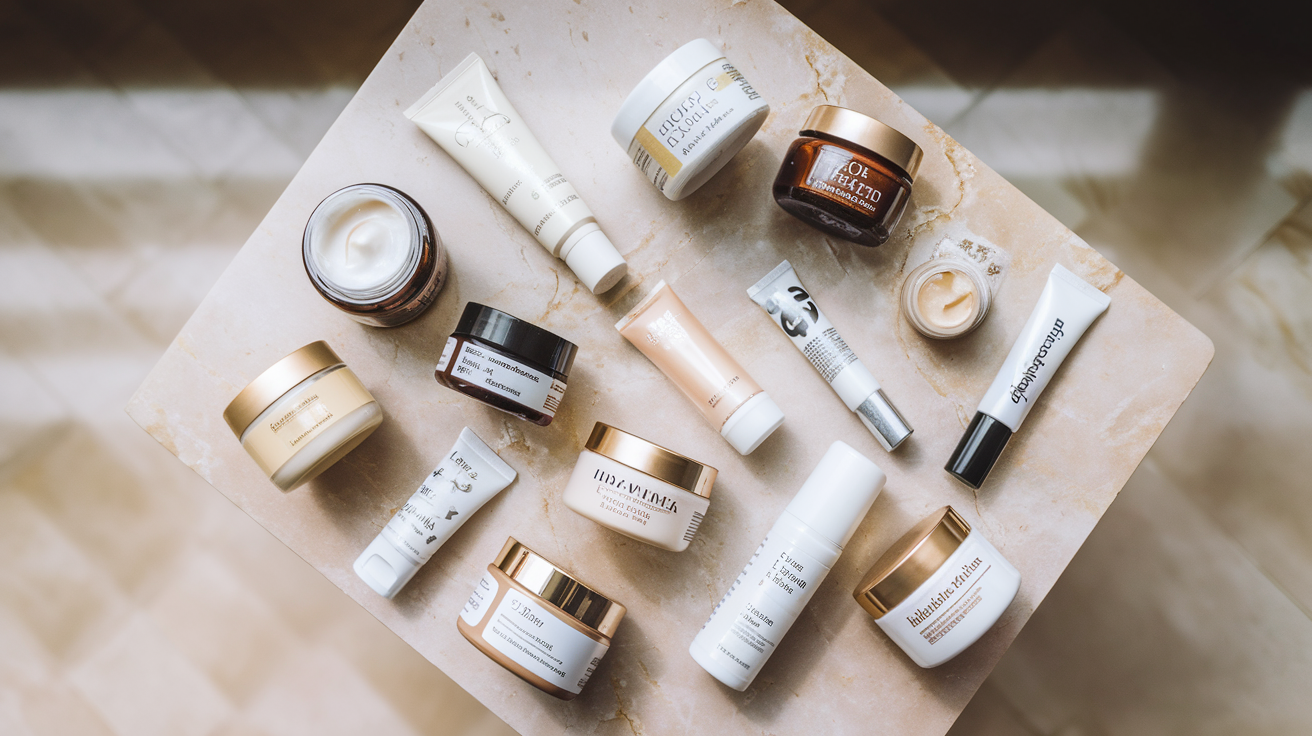
The price tag on your eye cream reflects several factors, and active ingredients are only part of the equation.
Packaging costs can account for 40% or more of a luxury product's price. That heavy glass jar with the gold applicator? It's expensive to manufacture and ship. Drugstore brands use lightweight plastic tubes that cost pennies.
Marketing budgets create another massive divide. When a brand pays for department store counter space, celebrity ambassadors, glossy magazine ads, and influencer campaigns, those costs get passed to you. Budget brands rely on simple shelf placement and word-of-mouth.
Research and development vary dramatically too. Some high-end brands invest millions in proprietary peptide complexes or patented delivery systems. Others reformulate existing ingredients and call it innovation.
Brand prestige itself carries a price premium. You're not just buying cream; you're buying the experience of opening that heavy box with tissue paper and a ribbon.
But here's what matters most: ingredient quality, concentration, and formulation stability. This is where affiliate one can help you understand what to look for beyond the price tag.
Luxury Eye Cream Ingredients vs Drugstore Alternatives
Let's compare what's actually inside these bottles.
High-end eye creams often feature advanced peptide blends like Matrixyl 3000, palmitoyl tetrapeptide-7, or proprietary complexes that may help support the look of firmer skin. These ingredients are expensive to source and formulate. Drugstore alternatives might contain basic peptides, but usually at lower concentrations or less stable forms.
Retinol formulation makes a big difference. Luxury brands frequently use encapsulated or time-released retinol that penetrates gradually for less irritation. Budget options typically use basic retinol or retinyl palmitate, which converts to retinol less efficiently.
Hyaluronic acid appears in both categories, but molecular weight matters. Premium formulas often combine multiple weights for surface hydration and deeper moisture support. Drugstore versions usually stick with one size.
Antioxidants show similar patterns. You'll find vitamin C in both, but luxury brands use stabilized forms like tetrahexyldecyl ascorbate that won't oxidize in the jar. Budget brands often use ascorbic acid, which degrades faster when exposed to light and air.
That said, some drugstore gems contain nearly identical ingredient profiles to luxury versions. Brands like CeraVe, The Ordinary, and Versed offer clinical-strength actives without the markup.
Tired of seeing under-eye lines before you see yourself?
If the tiny creases under your eyes make you look more tired than you feel, this guide shows the simple under-eye routine that helps soften the look of dry lines, crepey texture, and tired skin without guessing or wasting weeks on random products.
Clinical Results: High-End vs Budget Eye Creams Tested
Independent testing reveals some surprising outcomes.
A 2024 consumer study tracked 120 participants using luxury eye creams ($150+) versus budget options (under $25) with similar active ingredients. After 12 weeks, both groups showed comparable improvements in the appearance of fine lines and hydration levels.
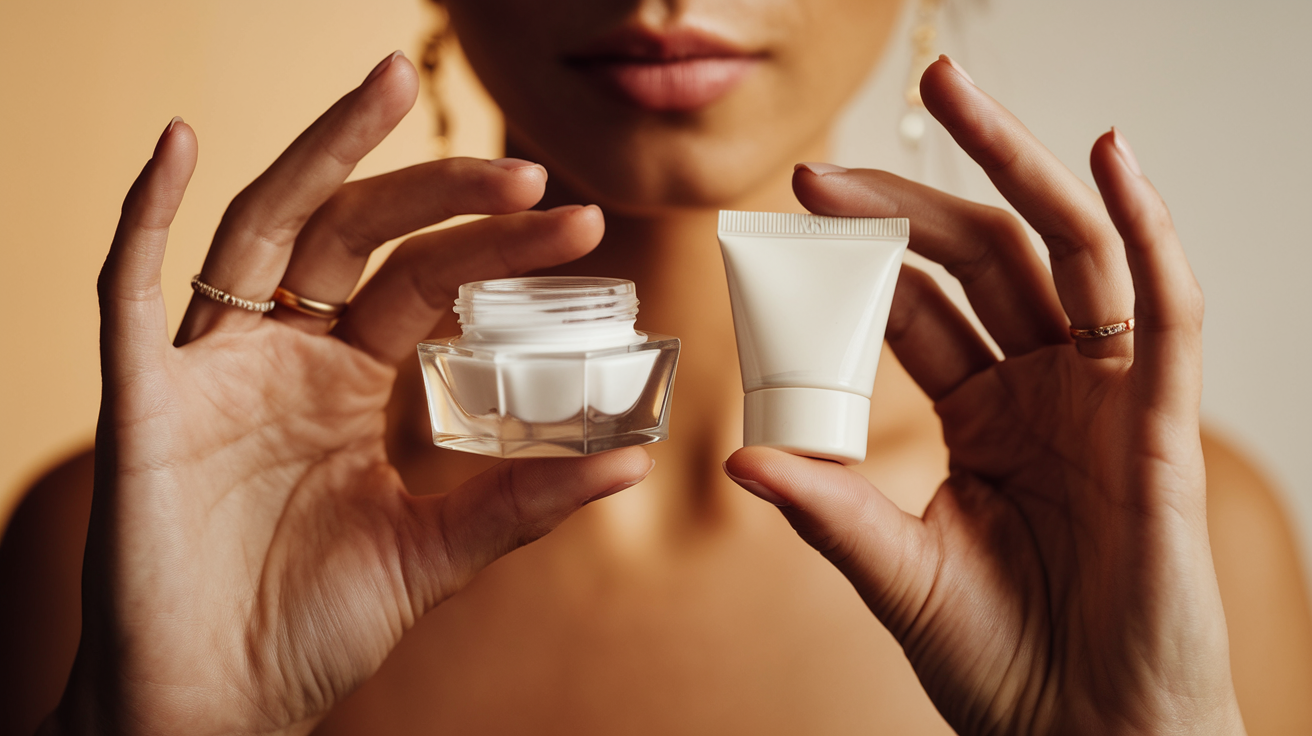
The difference? Texture and experience. Luxury formulas felt more elegant, absorbed without residue, and layered beautifully under makeup. Budget versions sometimes pilled or felt greasy.
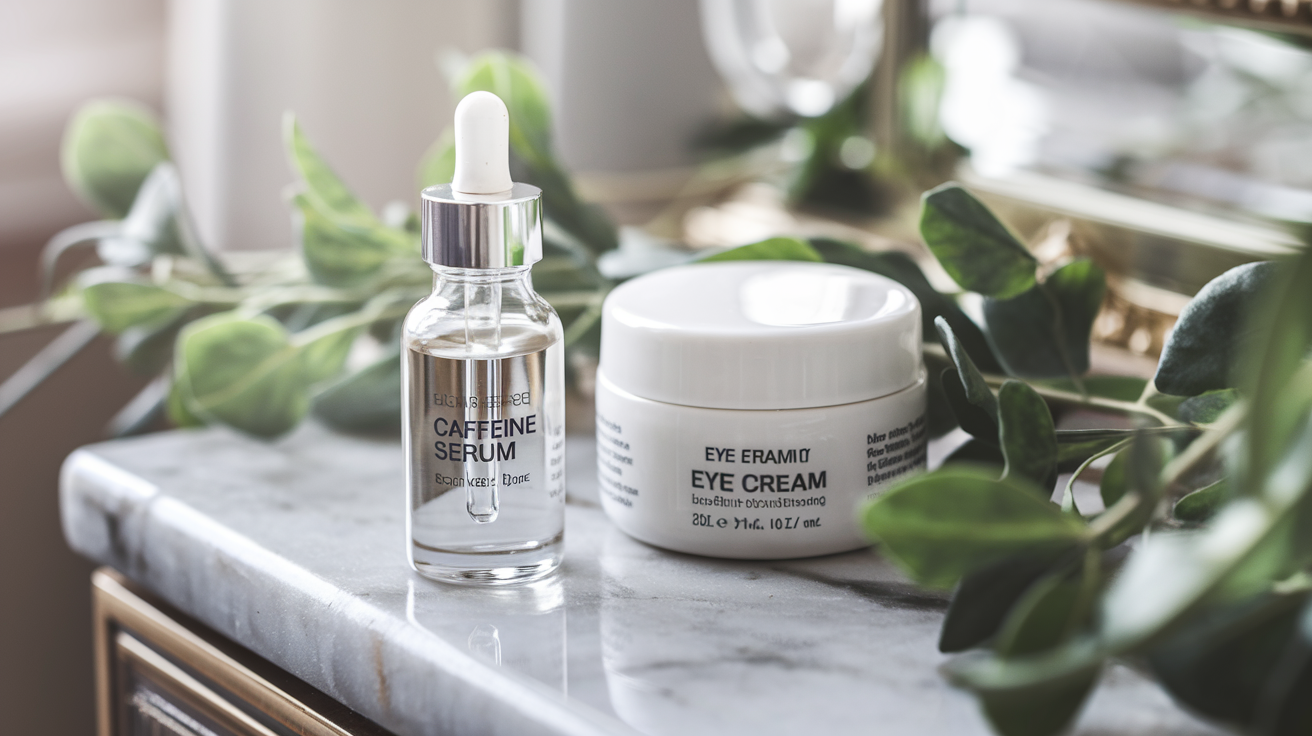
Another dermatologist-led comparison tested caffeine-based eye creams across price points for the appearance of puffiness. Results were nearly identical after four weeks, because caffeine works regardless of whether it comes in a $15 tube or a $200 jar.
Where luxury formulas pulled ahead: ingredients like bakuchiol combined with peptides, or advanced retinoid delivery systems. These sophisticated blends aren't easily replicated at lower price points.
But here's the catch: consistency matters more than cost. A $20 eye cream used daily will outperform a $250 cream that sits forgotten because you're afraid to use it up.
When Expensive Eye Cream Is Worth It (And When It's Not)
Sometimes luxury is justified. Sometimes it's just marketing.
Splurge on expensive eye cream if you're looking for cutting-edge ingredients not yet available in mass market, like growth factor complexes or next-generation peptides. These formulas often undergo years of research before reaching counters.
Consider higher-end options if you have extremely sensitive eyes. Luxury brands typically conduct more extensive ophthalmologist testing and fragrance-free formulation. Cheaper products may contain irritating preservatives or essential oils.
Premium formulas make sense when texture affects your routine. If a silky cream encourages you to use it consistently versus a sticky drugstore version you skip, the extra cost pays off in actual application.
Skip the splurge when you're starting retinol. Begin with affordable options to gauge tolerance before investing in expensive formulations. Your skin won't know the difference initially.
Save money on basic hydration. If you mainly need moisture around your eyes, a quality drugstore option with hyaluronic acid and ceramides works beautifully. No need for luxury pricing.
Budget brands win for trying new ingredients. Testing whether peptides work for your skin doesn't require a $180 commitment. Start affordable, then upgrade if you see results you want to enhance.
The smartest approach combines both. Use a budget retinol or vitamin C serum under a luxury peptide cream. Or reverse it: layer a high-end active under a simple drugstore moisturizer. You'll find guidance on building this kind of strategic routine through affiliate one.
At the end of the day, the best eye cream is the one you'll actually use consistently. Whether that's a $15 tube or a $300 jar depends on your budget, your skin's needs, and what makes you feel good when you look in the mirror.
Price and performance don't always match up in skincare. Some luxury eye creams deliver genuinely advanced formulas worth the investment. Others offer beautiful packaging around ordinary ingredients. The key is knowing which ingredients matter for your specific concerns and finding them at a price point that works for you.