Disclosure: This post contains affiliate links. We may earn a commission at no extra cost to you.
Can You Use Regular Moisturizer Under Your Eyes? The Truth About Eye Cream
Published: August 25, 2026
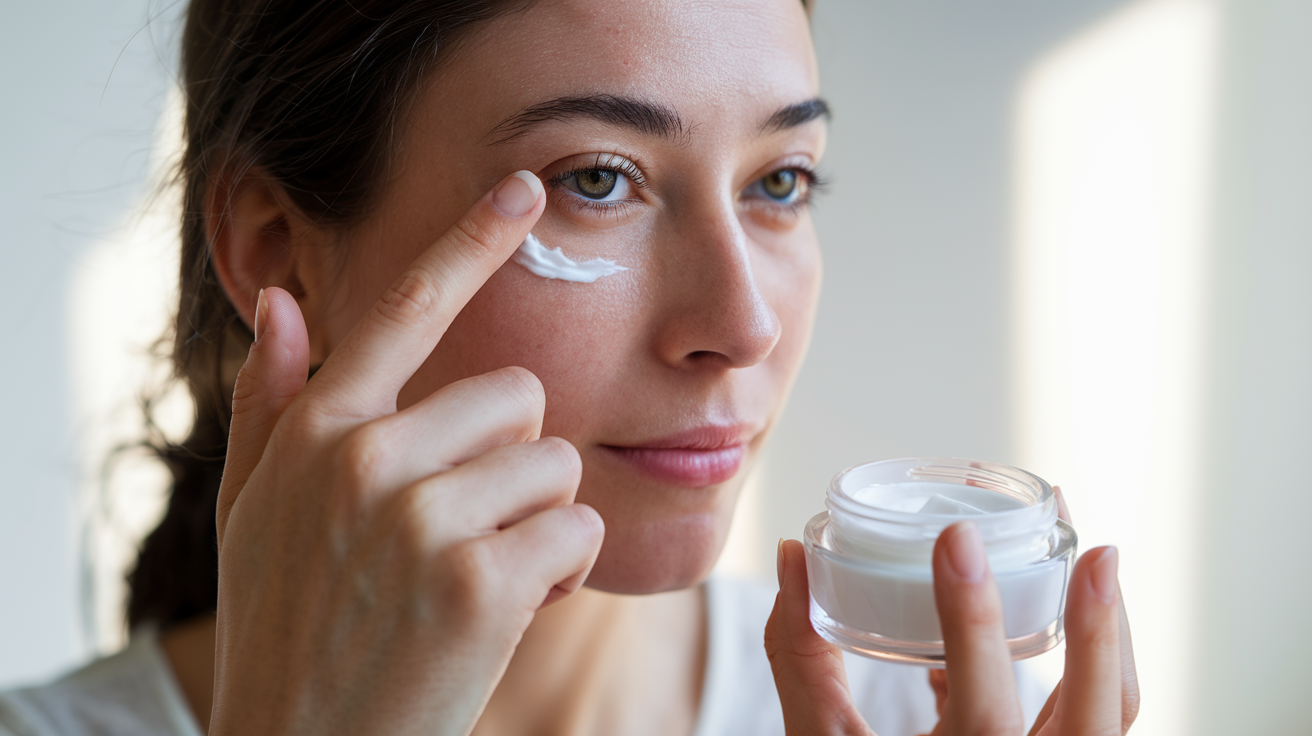
You're standing in front of your bathroom mirror, moisturizer in hand, and you pause. Can you just swipe your regular face cream under your eyes? Or do you really need a separate eye cream taking up space on your shelf?
It's a question that divides even longtime skincare lovers. Some swear their face moisturizer works perfectly fine everywhere. Others say skipping dedicated eye cream was the biggest mistake they made in their twenties.
The truth is more nuanced than either camp wants to admit. Let's break down what actually matters when caring for the delicate skin around your eyes.
Why the Under Eye Area Needs Different Care Than Your Face
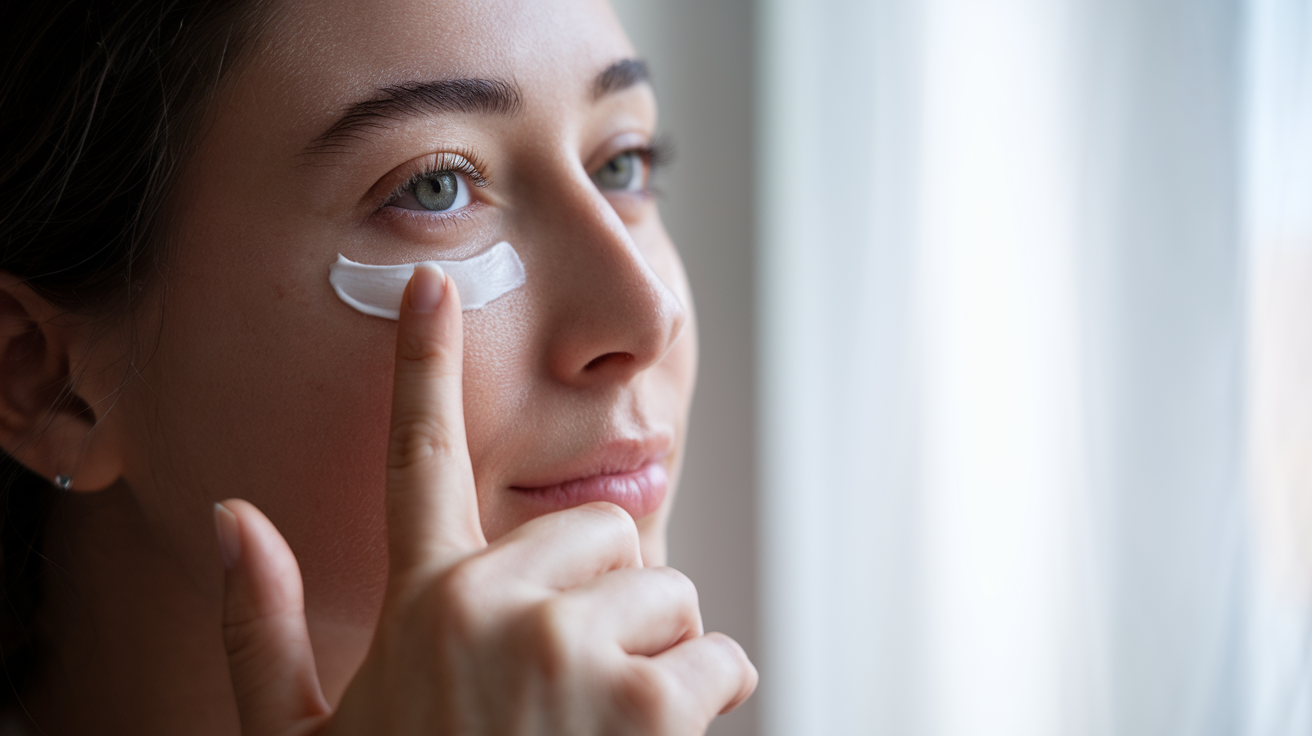
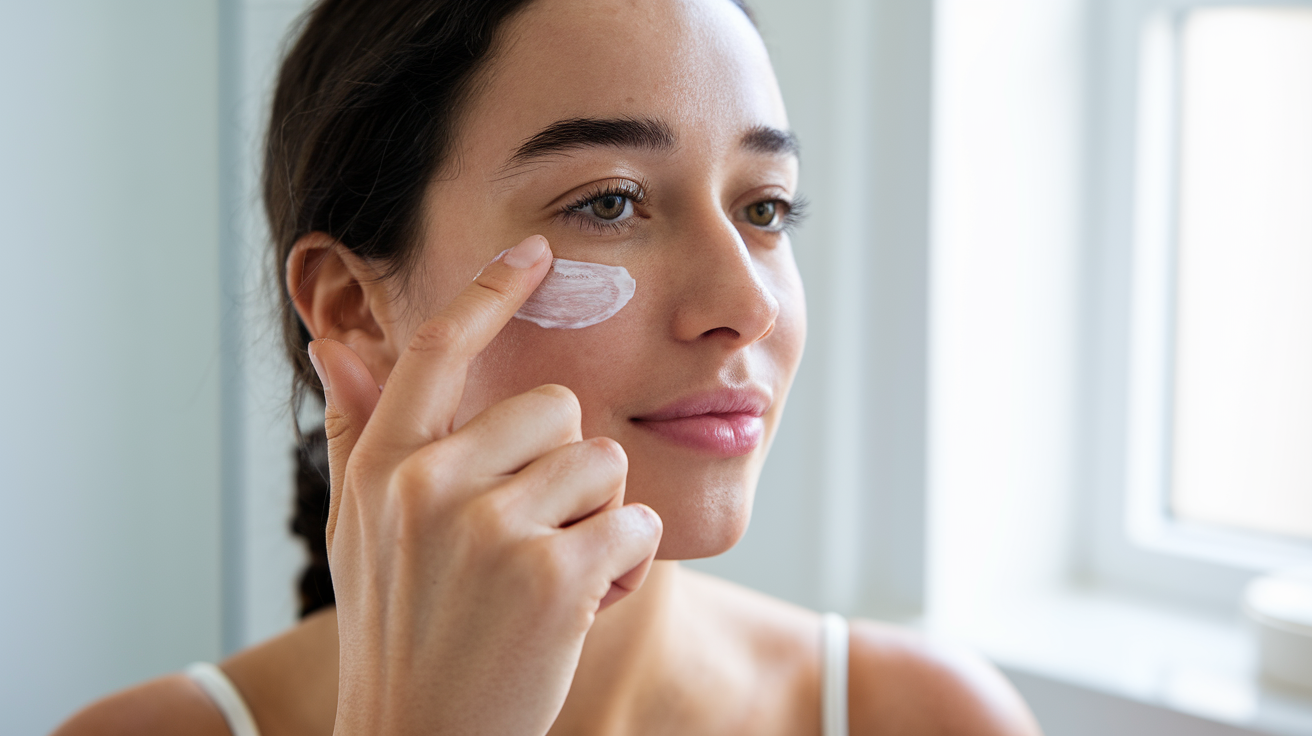
The skin under your eyes isn't just thinner than the rest of your face. It's drastically thinner—about ten times thinner than the skin on your cheeks.
This ultra-thin structure means it has fewer oil glands, less collagen support, and a weaker moisture barrier. That's why this area tends to show dryness, fine lines, and signs of fatigue before anywhere else on your face.
The under-eye zone also deals with constant movement. Every blink, squint, and smile creates micro-folds in skin that's already working overtime. Add in rubbing from makeup removal or sleeping face-down on a pillow, and you're asking a lot from very delicate tissue.
Because this skin has fewer sebaceous glands, it doesn't produce much natural oil. While your T-zone might get shiny by noon, your under-eye area stays perpetually dry unless you actively support it.
Another factor: circulation. The thin skin reveals underlying blood vessels more easily, which contributes to dark circles and puffiness when fluid accumulates overnight or after a salty meal.
This doesn't automatically mean you need a separate product. But it does mean whatever you use in this area needs to be gentle, hydrating, and appropriately formulated for sensitive skin.
Key Differences Between Eye Cream and Face Moisturizer Formulations
Eye creams aren't just face creams in smaller jars with higher price tags—though some brands certainly treat them that way.
Well-formulated eye products are designed with specific considerations. They typically avoid heavy fragrances and essential oils that might irritate eyes. They're tested for ophthalmologic safety, especially important if you wear contact lenses.
The texture matters too. Eye creams tend to be lighter and absorb more quickly than face moisturizers. This prevents the thick, heavy feeling that can make eyes water or cause puffiness when too much product sits on thin skin.
Many eye creams include ingredients targeted at common under-eye concerns: caffeine for temporary depuffing, light-reflecting particles to brighten the look of dark circles, or peptides formulated to support smoother-looking skin texture.
Face moisturizers, on the other hand, are formulated for thicker skin with more oil glands. They might contain higher percentages of active ingredients like retinol or acids—concentrations that could feel too strong around sensitive eyes.
Some face creams include occlusive ingredients like petrolatum or thick plant butters. While these work beautifully on cheeks, they can feel too heavy under eyes and may contribute to morning puffiness or milia (those tiny white bumps that form when skin cells get trapped).
That said, not all face moisturizers are too harsh for eyes. And not all eye creams are worth the premium price. Understanding when to use which comes down to knowing your skin and reading ingredient lists carefully.
Tired of seeing under-eye lines before you see yourself?
If the tiny creases under your eyes make you look more tired than you feel, this guide shows the simple under-eye routine that helps soften the look of dry lines, crepey texture, and tired skin without guessing or wasting weeks on random products.
When Regular Moisturizer Actually Works for Under Eyes
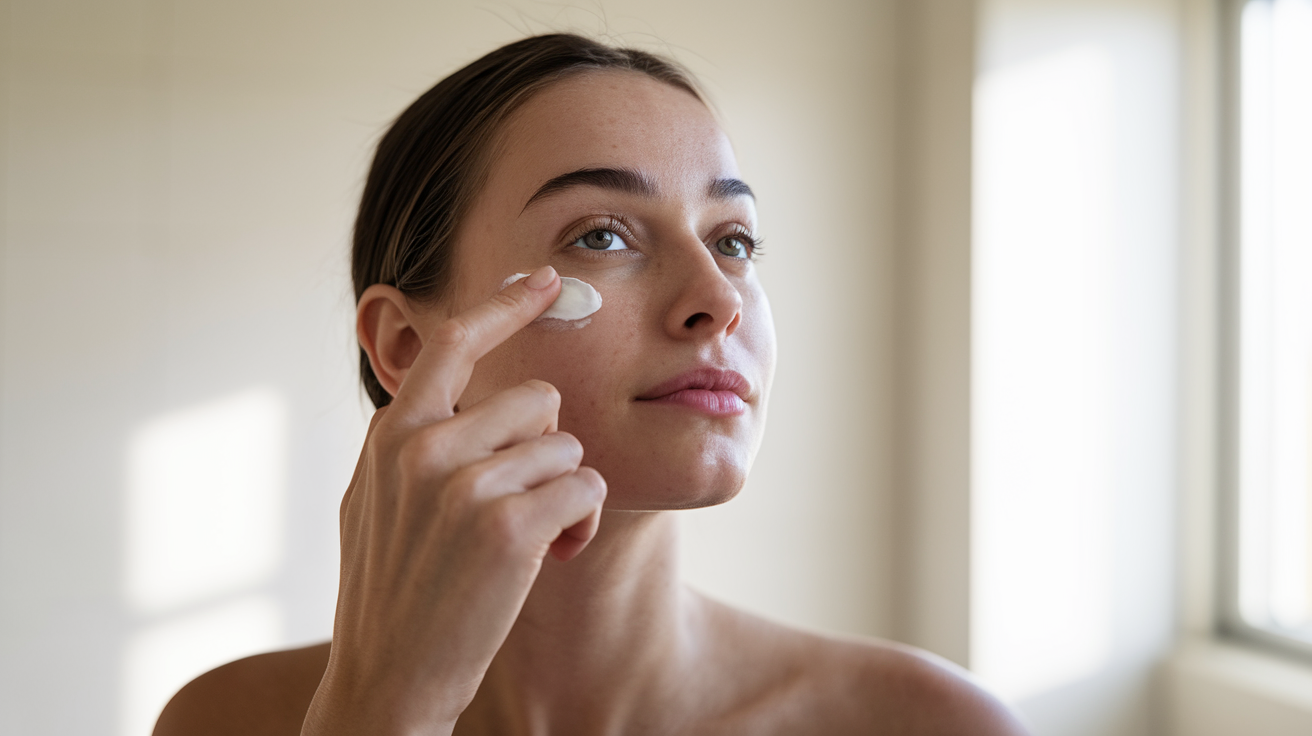
If you're in your twenties with minimal under-eye concerns, a gentle face moisturizer might work perfectly fine around your eyes. Many people use the same product everywhere without issues.
The key is choosing the right type of face moisturizer. Look for fragrance-free formulas with simple, hydrating ingredients like hyaluronic acid, glycerin, ceramides, or squalane. These tend to be gentle enough for the eye area.
Gel-cream textures often work better under eyes than thick, heavy creams. They provide hydration without the weight that can lead to puffiness or that uncomfortable tugging sensation when you blink.
If your face moisturizer is working well and you're not seeing dryness, fine lines, or irritation around your eyes, there's no urgent need to add another product. Skincare doesn't have to be complicated to be effective.
Some people prefer using their regular moisturizer under eyes simply because they know their skin tolerates it well. If you're trying multiple new products at once and experience irritation, it's harder to pinpoint the culprit.
That said, if your face cream contains active ingredients like retinol, AHAs, BHAs, or benzoyl peroxide, you'll want to avoid the immediate eye area. These can be too irritating for thin under-eye skin and may cause redness, flaking, or sensitivity.
The affiliate one can help you determine which ingredients to look for based on your specific concerns.
Signs You Need a Dedicated Eye Cream Instead
Some situations call for a product specifically designed for under eyes rather than repurposing your face moisturizer.
If you're noticing fine lines, crepey texture, or that your under-eye area looks drier than the rest of your face, it's time to consider an eye-specific formula. This is especially common after age thirty when natural oil production starts declining.
Persistent dark circles or morning puffiness might benefit from eye creams with targeted ingredients. Caffeine can temporarily help with fluid retention, while vitamin C and niacinamide may support a brighter appearance over time with consistent use.
If your regular moisturizer stings, waters your eyes, or causes redness when it migrates during the day, that's a clear sign you need something gentler. Eye creams are formulated to avoid these reactions.
People who wear contact lenses often find dedicated eye products less irritating. The ophthalmologist testing that quality eye creams undergo makes a real difference in comfort.
If you're using active anti-aging ingredients on your face—like prescription retinoids or high-percentage acids—a separate eye cream becomes essential. You need hydration and barrier support around eyes without the potentially irritating actives.
Makeup wearers might also prefer eye cream. The smoother, faster-absorbing texture creates a better canvas for concealer, preventing creasing and helping makeup look fresher longer throughout the day.
Finally, if you've tried using your regular moisturizer under your eyes for several weeks and you're simply not happy with how that area looks or feels, trust your observation. Your skin is telling you it needs something different.
The affiliate one offers detailed information on building an effective under-eye routine tailored to your concerns.
The Bottom Line
There's no universal rule about whether you must use eye cream or can stick with regular moisturizer under your eyes. It depends entirely on your skin, your age, your concerns, and what products you're currently using.
If your face moisturizer is gentle, fragrance-free, and free of strong actives, and your under-eye area looks healthy and hydrated, you don't need to fix what isn't broken.
But if you're seeing changes—dryness, fine lines, sensitivity, or just aren't getting the results you want—a dedicated eye cream formulated for that delicate area can make a meaningful difference in how your skin looks and feels.
The best approach is to pay attention to what your skin is telling you and adjust your routine accordingly. Skincare isn't about following rigid rules. It's about finding what actually works for your unique skin.