Disclosure: This post contains affiliate links. We may earn a commission at no extra cost to you.
Can You Use Face Cream Under Your Eyes? The Surprising Truth About Eye Cream vs Face Cream
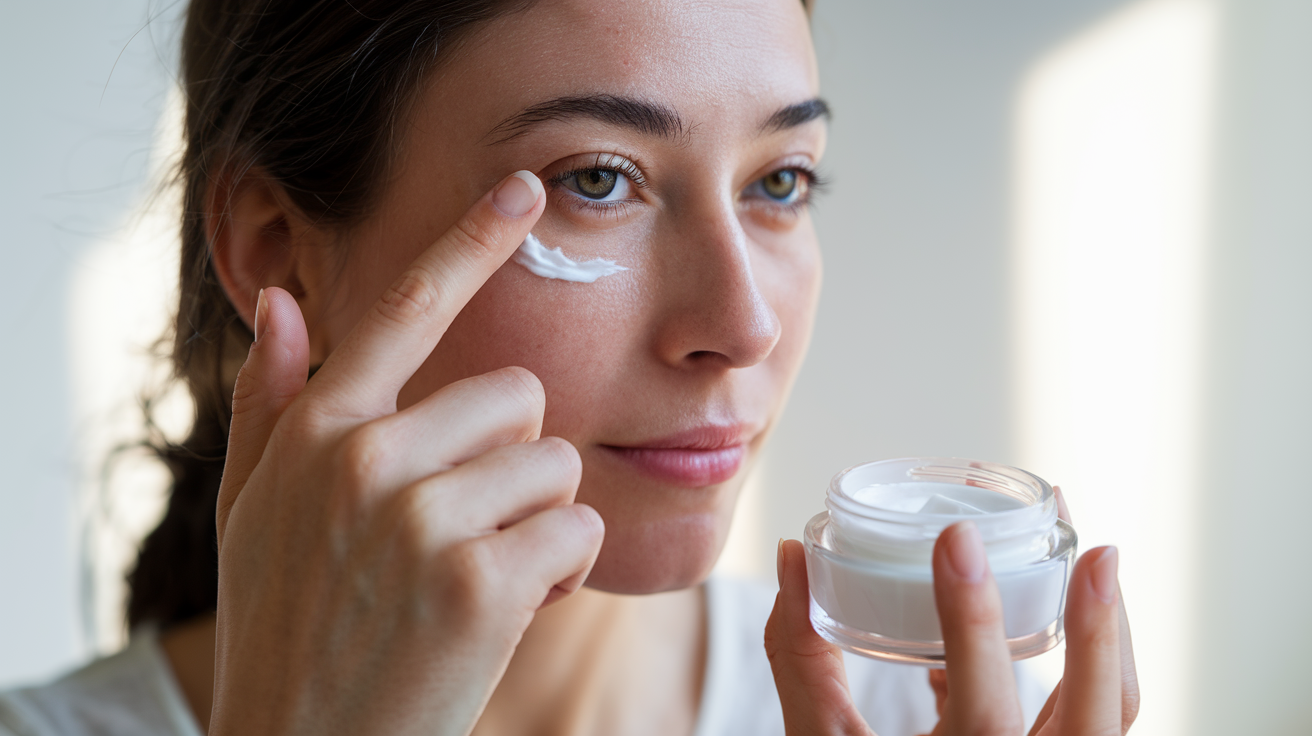
You're standing in front of the mirror, smoothing your favorite face cream over your cheeks and forehead, and you pause. Can you just swipe it under your eyes too? Or do you really need a separate eye cream taking up space in your routine?
It's one of the most common questions in skincare, and the answer isn't as simple as yes or no. The skin under your eyes is different from the rest of your face, and what works beautifully on your cheeks might not be ideal for that delicate area. But that doesn't mean you always need a separate product either.
Let's break down the real differences between face cream and eye cream, what happens when you use the wrong product, and when it actually makes sense to invest in both.
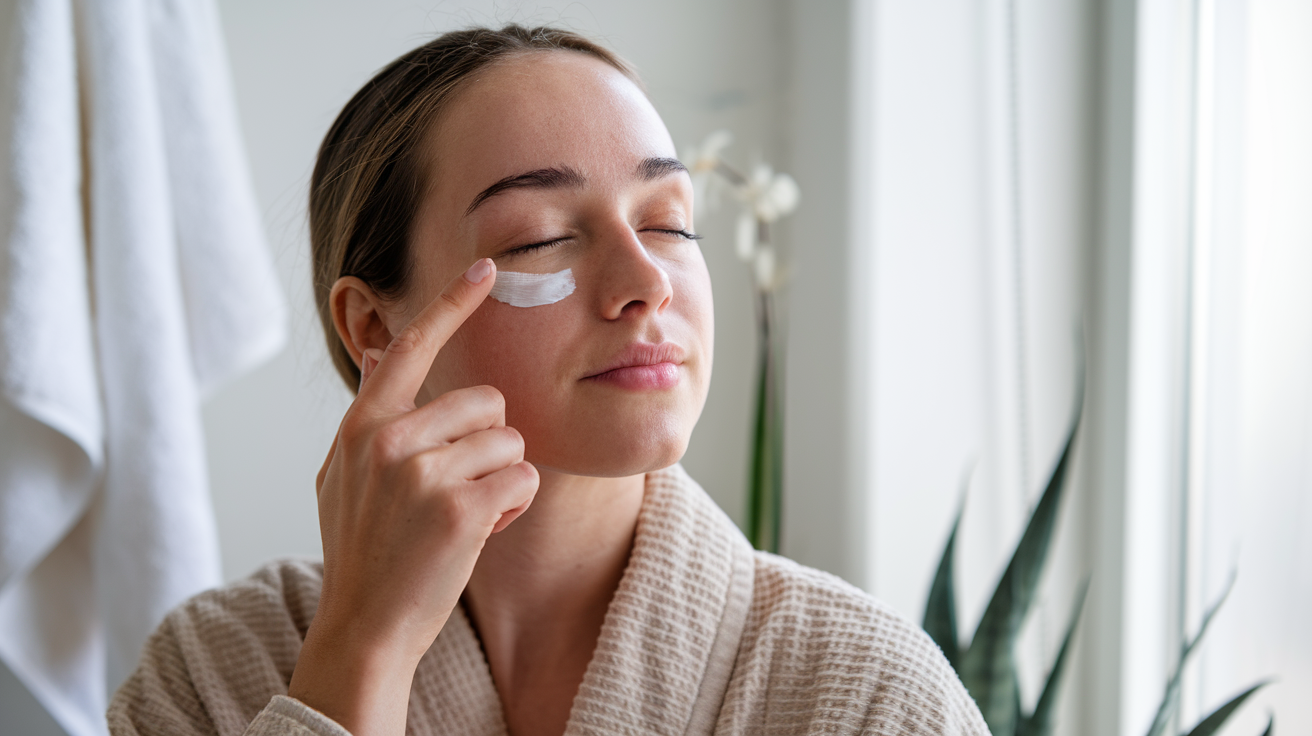
Why the Eye Area Needs Special Treatment: Understanding Delicate Skin
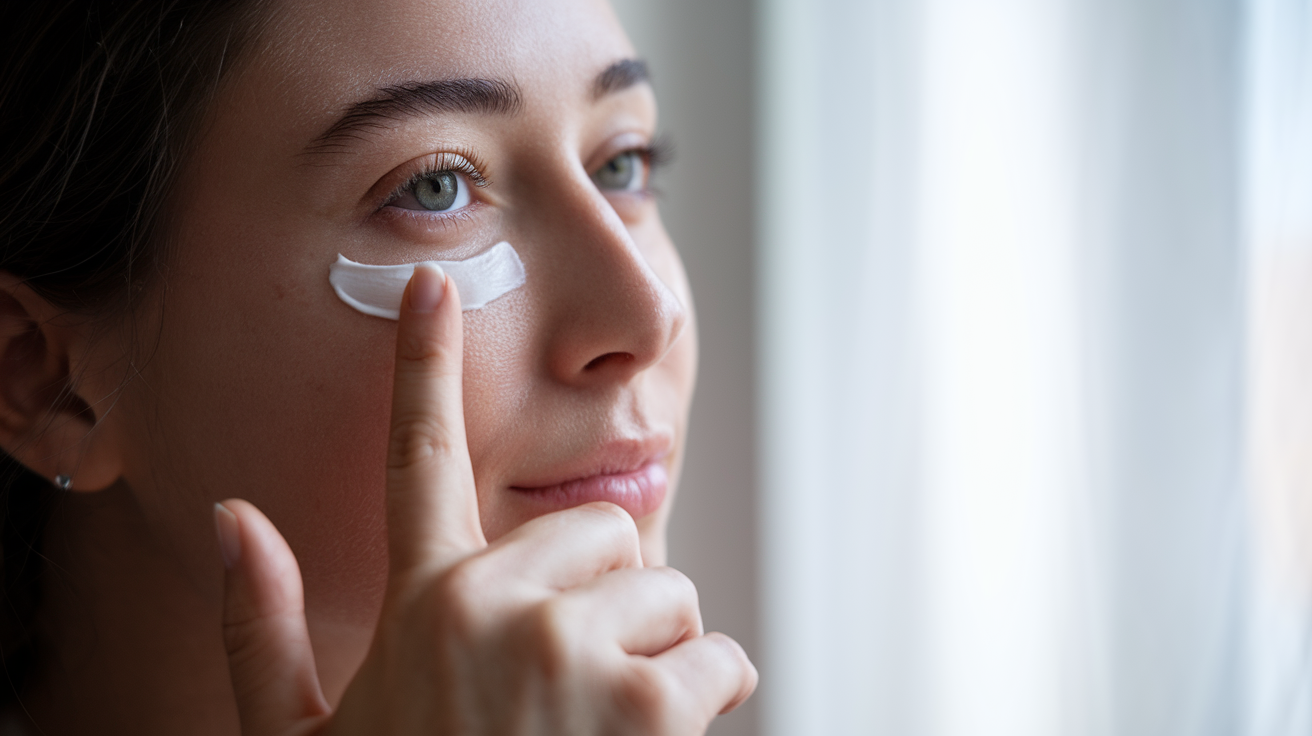
The skin under your eyes is about ten times thinner than the skin on your cheeks. It also has fewer oil glands, which means it dries out faster and shows signs of fatigue more quickly.
This area moves constantly. Every blink, squint, smile, and expression creates micro-movements that can emphasize fine lines over time. Add in factors like rubbing your eyes, sleeping on your side, or forgetting sunglasses, and you're working with a zone that needs a little extra consideration.
Because the skin is thinner, it's also more sensitive. Ingredients that feel perfectly comfortable on your forehead might cause stinging, puffiness, or irritation under your eyes. That's why many face creams aren't formulated with this delicate area in mind.
The under-eye area also shows different concerns than the rest of your face. You might see dark circles from thin skin showing blood vessels, puffiness from fluid retention, or a crepey texture that doesn't appear anywhere else. These issues often need targeted ingredients that aren't always present in a standard face moisturizer.
Face Cream vs Eye Cream: Key Ingredient Differences That Matter
Face creams are designed for thicker, more resilient skin. They often contain higher concentrations of active ingredients like retinol, alpha hydroxy acids, or vitamin C to address concerns like uneven tone, texture, and firmness.
Eye creams, on the other hand, are typically gentler. They're formulated with lower percentages of potent actives and include more soothing, hydrating ingredients like peptides, ceramides, hyaluronic acid, and caffeine. The goal is to support the under-eye area without overwhelming it.
Many face creams also include fragrances or essential oils that can irritate the sensitive eye area. Eye creams are usually fragrance-free or use minimal scent to reduce the risk of stinging or redness.
Texture matters too. Face creams can be rich and occlusive, which is great for locking in moisture on your cheeks but might feel heavy or cause milia (tiny white bumps) under your eyes. Eye creams are often lighter and absorb more quickly to avoid that issue.
If you want to understand which formulas work best for different skin types and concerns, check out this affiliate one that walks through the most effective options.
Tired of seeing under-eye lines before you see yourself?
If the tiny creases under your eyes make you look more tired than you feel, this guide shows the simple under-eye routine that helps soften the look of dry lines, crepey texture, and tired skin without guessing or wasting weeks on random products.
What Happens When You Use Face Cream Under Your Eyes
Using face cream under your eyes isn't necessarily dangerous, but it can lead to some frustrating issues depending on the formula.
If your face cream contains retinol, AHAs, or other strong actives, you might experience stinging, redness, or peeling. The under-eye skin simply can't handle the same concentration that works well on your forehead or chin.
Heavy face creams can also cause puffiness or milia. The thin skin under your eyes doesn't absorb thick formulas as easily, so product can sit on the surface and clog the area. This is especially common if you apply face cream too close to your lash line.
Fragrance is another culprit. Even if your face cream smells lovely and doesn't bother your cheeks, it can cause watering, irritation, or a burning sensation near your eyes. That's because the proximity to your tear ducts makes this area extra reactive.
That said, if your face cream is gentle, fragrance-free, and hydrating without being too rich, you might not have any problems at all. Many people use a simple, basic moisturizer all over their face, including the eye area, without issue. It really depends on the formula and your skin's sensitivity.
When Eye Cream Is Worth It (And When You Can Skip It)
If you're dealing with specific under-eye concerns like dark circles, puffiness, or fine lines, an eye cream with targeted ingredients can be helpful. Look for caffeine to reduce the appearance of puffiness, peptides to support smoother-looking skin, or vitamin K for a less tired-looking appearance.
Eye cream is also worth considering if your face cream contains actives that are too strong for the delicate under-eye area. Instead of skipping that zone entirely, an eye cream gives you a gentler option that still hydrates and supports the skin.
On the other hand, if your face cream is already gentle, hydrating, and fragrance-free, you might not need a separate eye product. A simple, well-formulated moisturizer can work beautifully all over your face, including under your eyes.
You can also skip eye cream if you're happy with how your under-eye area looks and feels. Not everyone experiences dark circles, puffiness, or pronounced fine lines. If your current routine is working, there's no need to add another step just because skincare marketing says you should.
If you're curious about which approach is right for your skin type and lifestyle, this affiliate one offers a clear breakdown of when to invest in eye cream and when to simplify.
Ultimately, the choice between face cream and eye cream comes down to your skin's needs, the ingredients in your products, and how your under-eye area responds. There's no one-size-fits-all answer, but understanding the differences helps you make a more informed decision that actually works for your routine.