Disclosure: This post contains affiliate links. We may earn a commission at no extra cost to you.
Can You Use Face Cream on Your Eyes? What Dermatologists Want You to Know
Published: August 13, 2026
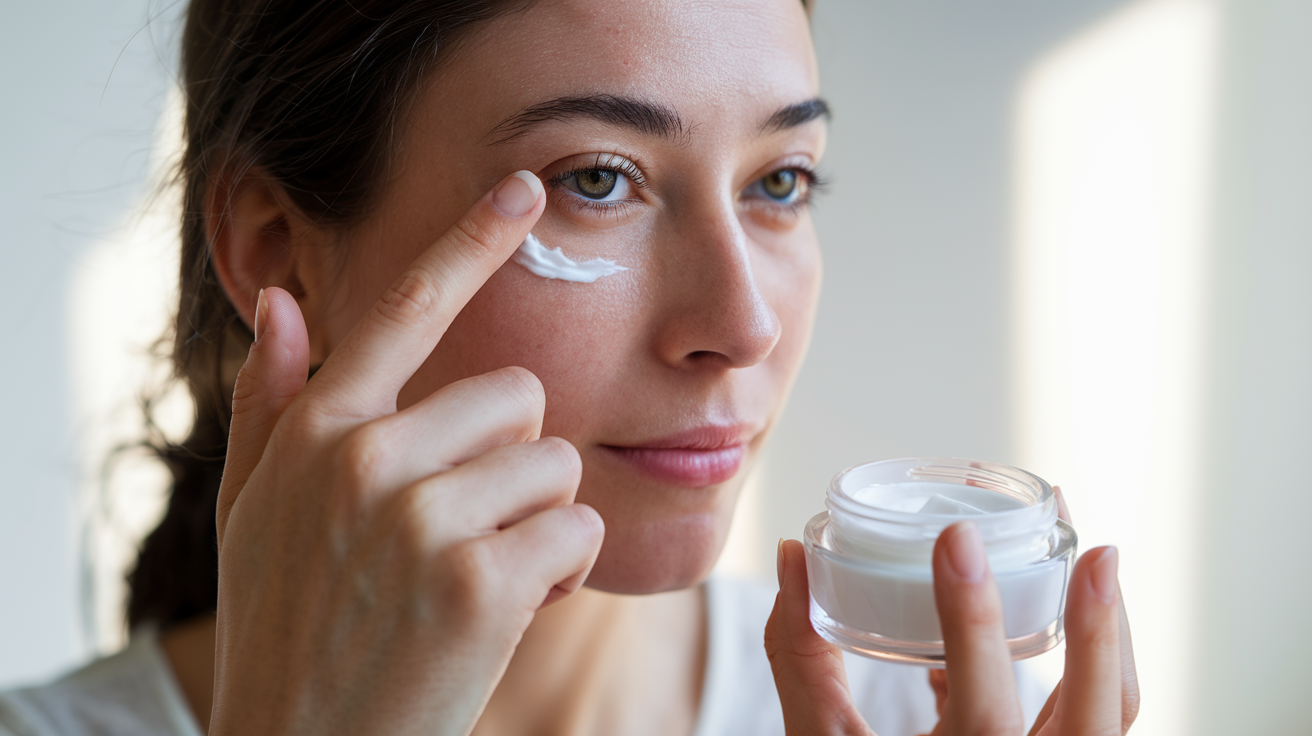
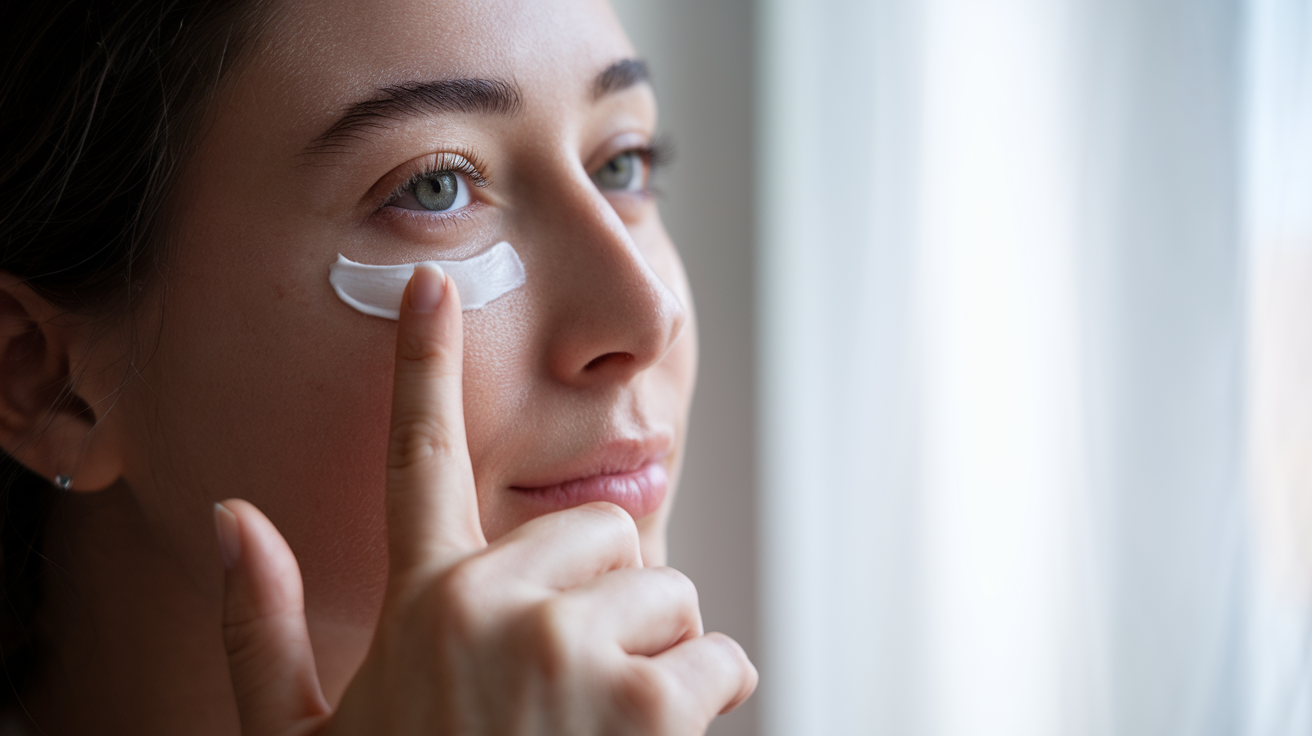
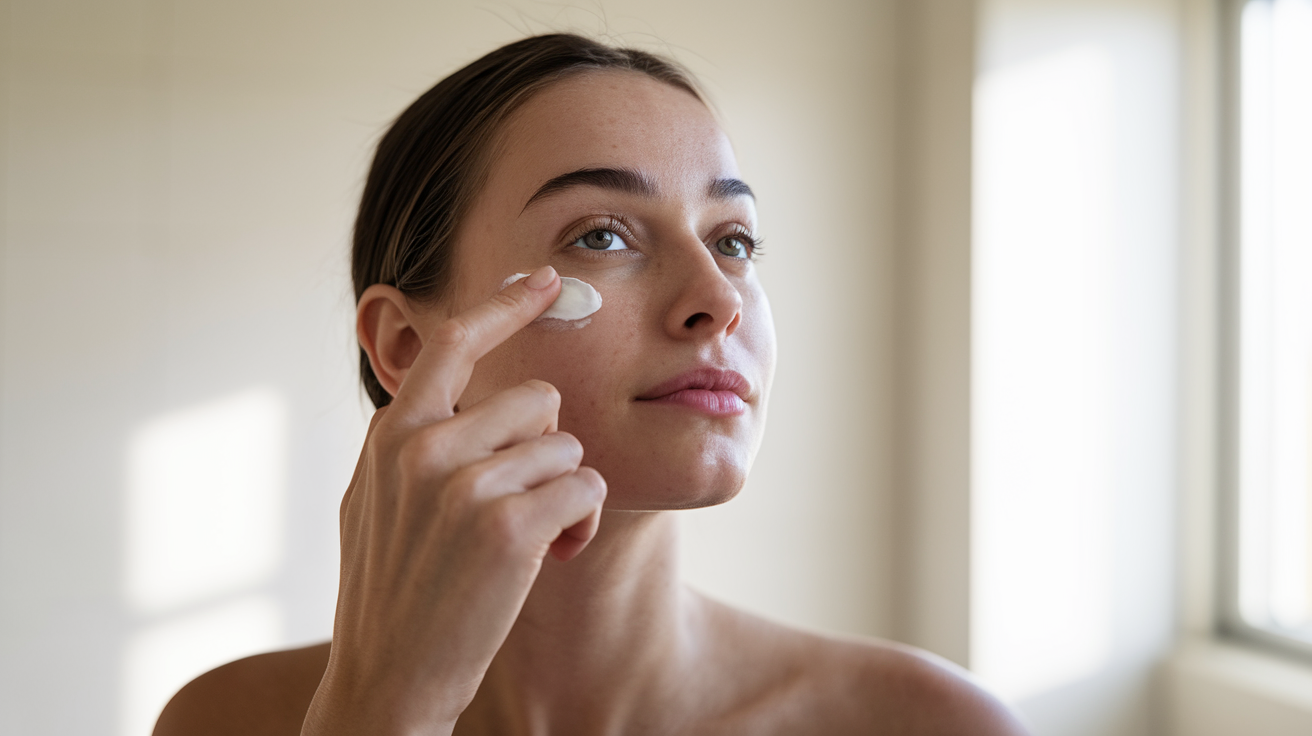
Have you ever run out of eye cream and wondered if your face moisturizer could do double duty? Maybe you've thought that skin is skin, so what's the real difference anyway? It's tempting to simplify your routine and save a few dollars, but using face cream around your eyes might be doing more harm than good. The eye area is the thinnest, most delicate skin on your face, and it deserves special attention. Let's break down the common mistakes people make when treating this sensitive zone and what dermatologists actually recommend.
Why Face Cream and Eye Cream Are Formulated Differently
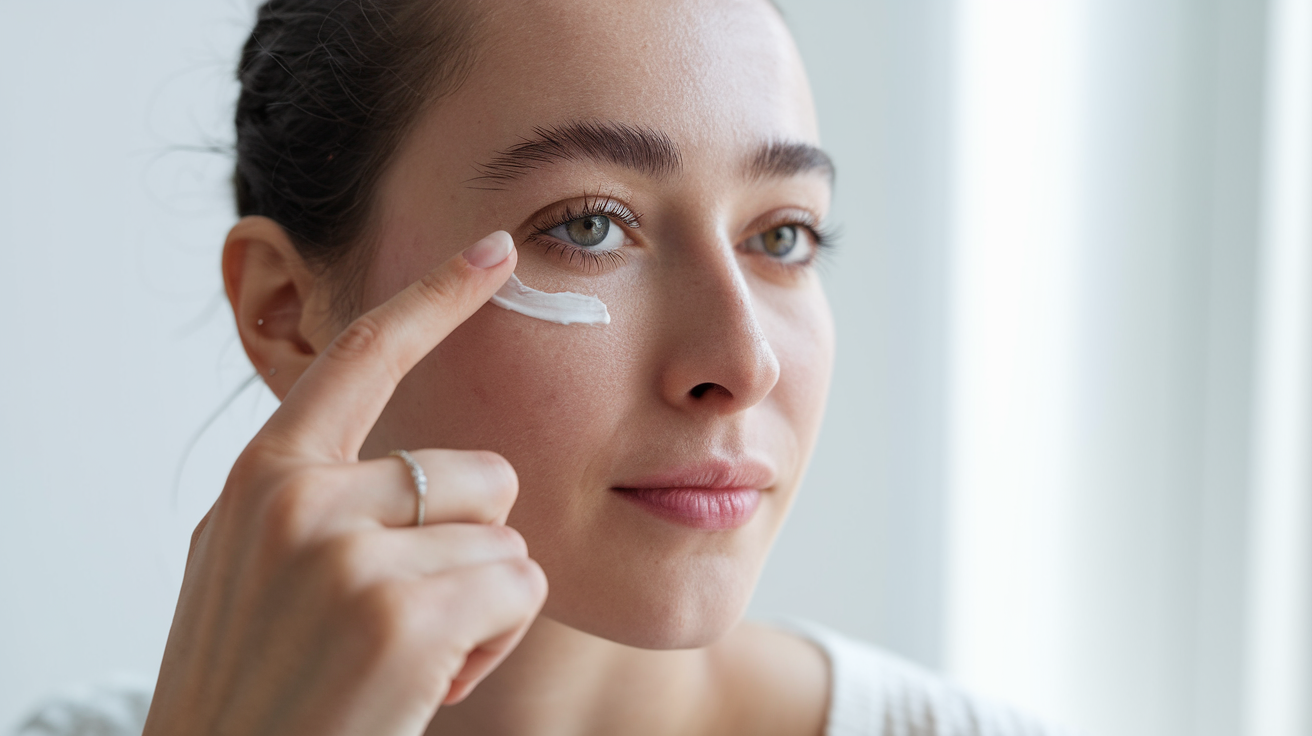
The skin around your eyes is about ten times thinner than the rest of your face. That means it's more prone to irritation, dryness, and visible signs of aging like fine lines and crepey texture.
Face creams are designed for thicker, more resilient skin. They often contain higher concentrations of active ingredients like retinoids, acids, or fragrances that can be too harsh for the delicate eye area. Even ingredients that work beautifully on your cheeks can cause stinging, redness, or puffiness when applied near your eyes.
Eye creams, on the other hand, are specifically pH-balanced and tested for ophthalmologic safety. They're formulated to address concerns like dark circles, puffiness, and the appearance of fine lines without overwhelming sensitive tissue.
The texture matters too. Face creams tend to be richer or more occlusive, which can lead to milia—those tiny white bumps that form when pores get clogged. Eye creams are lighter and absorb more easily into thin skin.
The Risks of Using Face Cream on Your Eye Area
Using face cream around your eyes isn't just ineffective—it can actually backfire. Here are the most common issues dermatologists see:
Irritation and redness. Ingredients like glycolic acid, salicylic acid, or strong retinols can cause burning or flaking when they come into contact with the thinner skin around your eyes.
Puffiness. Some face creams are too heavy and can trap fluid under the eyes, making you look more tired instead of refreshed.
Milia formation. Thick moisturizers can clog the smaller pores near your eyes, leading to those stubborn little bumps that won't go away with regular exfoliation.
Increased sensitivity over time. Repeated exposure to unsuitable ingredients can weaken the skin barrier, making your eye area more reactive and harder to treat in the long run.
If you've been using face cream on your eyes and noticed any of these issues, it's time to switch to a product designed for that zone. For more guidance on treating under-eye concerns the right way, check out this affiliate one.
Tired of seeing under-eye lines before you see yourself?
If the tiny creases under your eyes make you look more tired than you feel, this guide shows the simple under-eye routine that helps soften the look of dry lines, crepey texture, and tired skin without guessing or wasting weeks on random products.
Key Ingredients Your Eye Area Needs That Face Creams Lack
Eye creams are packed with targeted ingredients that address the unique needs of the under-eye area. Here's what you should look for:
Caffeine. This ingredient helps reduce the appearance of puffiness by temporarily constricting blood vessels and encouraging drainage.
Hyaluronic acid. A lightweight hydrator that plumps the look of fine lines without feeling heavy or greasy.
Peptides. These help support the skin's natural structure, which can lead to smoother-looking, firmer skin over time.
Ceramides. Essential for maintaining a healthy moisture barrier, especially important in an area that loses hydration quickly.
Vitamin K. Often included to help reduce the appearance of dark circles caused by visible blood vessels.
Niacinamide. A gentle brightening ingredient that can help even out tone and reduce the look of discoloration.
Face creams rarely combine these ingredients in concentrations safe and effective for the eye area. That's why swapping in a dedicated eye product makes such a noticeable difference.
How to Choose the Right Eye Cream for Your Concerns
Not all eye creams are created equal, and choosing the right one depends on what you're trying to address.
For fine lines and crepey texture: Look for products with retinol (in lower concentrations designed for eyes), peptides, and hyaluronic acid. These ingredients help support smoother-looking skin without irritation.
For puffiness: Choose a lightweight gel formula with caffeine or green tea extract. Keep it in the fridge for an extra cooling effect.
For dark circles: Opt for brightening ingredients like vitamin C, niacinamide, or vitamin K. Consistency is key here—it can take weeks to see a visible difference.
For dryness: Go for richer creams with ceramides, squalane, or shea butter. Apply morning and night, and don't skip sunscreen during the day.
For sensitive skin: Stick to fragrance-free, ophthalmologist-tested formulas with minimal ingredients. Avoid anything with added dyes or strong acids.
If you're still unsure where to start, this helpful resource offers a clear breakdown: affiliate one.
Your eyes are often the first place to show signs of fatigue and aging. Treating them with the right products can help you look more rested and refreshed—even on days when you're not. Skip the shortcuts and give your under-eye area the care it actually needs.