Disclosure: This post contains affiliate links. We may earn a commission at no extra cost to you.
Can You Use Face Cream Around Your Eyes? What Dermatologists Say
Published October 21, 2026
You've probably been in this situation: you're halfway through your nighttime routine, face cream in hand, and you pause right before your under-eye area. Should you keep going? Or is that delicate skin off-limits? It's one of those skincare questions that sounds simple but has a surprisingly nuanced answer. Some dermatologists say your regular face cream is perfectly fine for the eye area, while others insist you need a separate product. So what's the truth?
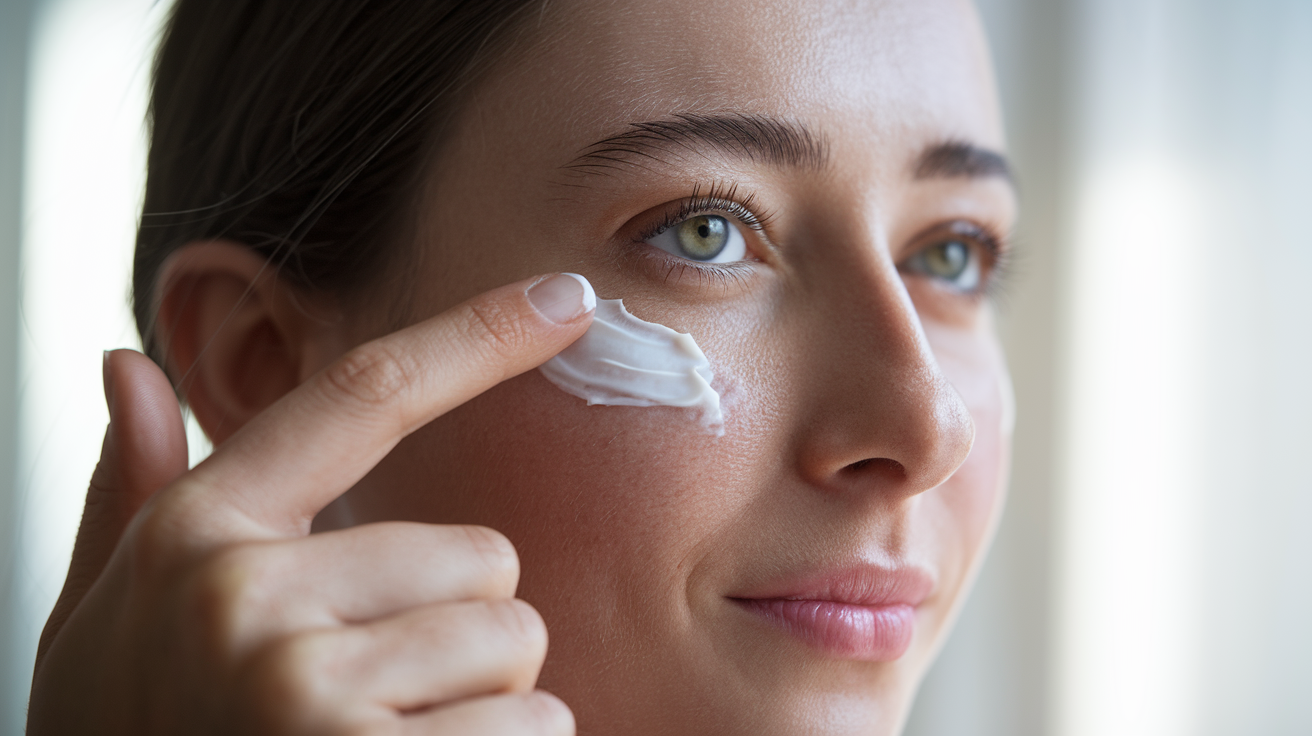
The answer depends on your face cream's ingredients, your skin sensitivity, and what you're hoping to address. Let's break down exactly when face cream works around the eyes—and when it can actually cause problems.
Why the Eye Area Needs Special Attention
The skin around your eyes is noticeably thinner than the rest of your face. It's about 0.05mm thick compared to 0.12mm on your cheeks. That means it shows signs of aging earlier and reacts more dramatically to irritation.
This area also has fewer oil glands, which means less natural moisture and protection. That's why dryness, fine lines, and crepey texture often show up here first.
Because the skin is thinner, it absorbs ingredients more readily. That can be great for targeted treatments, but it also means irritating ingredients can cause redness, puffiness, or stinging faster than they would elsewhere on your face.
The constant movement doesn't help either. You blink thousands of times per day, which creates mechanical stress on already delicate skin. That's part of why expression lines and texture changes appear around the eyes sooner than other areas.
Key Differences Between Eye Cream and Face Cream Formulations
Eye creams are typically formulated with gentler ingredients and lower concentrations of actives. They're designed to hydrate and support the skin barrier without causing irritation in a sensitive area.
Face creams, on the other hand, often contain higher percentages of exfoliating acids, retinoids, or fragrance. These ingredients work beautifully on thicker facial skin but can be too intense for the under-eye area.
Texture matters too. Eye creams tend to be lighter and absorb quickly because the thin skin around your eyes can't handle heavy, occlusive formulas as well. Face creams designed for mature or dry skin are often richer, which can feel too heavy or even cause milia (those tiny white bumps) around the eyes.
Many eye creams also include targeted ingredients like caffeine for puffiness, peptides for firmer-looking skin, or light-reflecting particles to reduce the appearance of dark circles. These are less common in standard face creams.
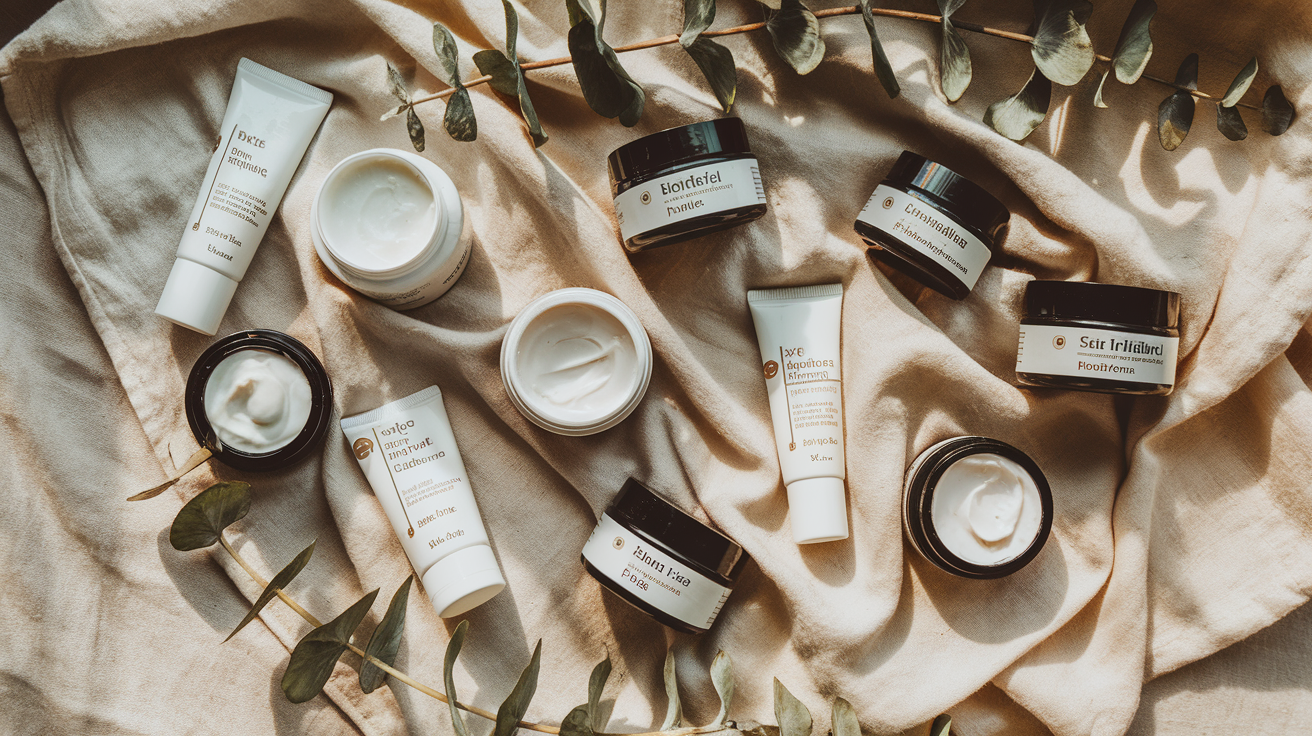
If you're working on refining your routine, this affiliate one can help you understand which ingredients work best for your specific concerns.
Tired of seeing under-eye lines before you see yourself?
If the tiny creases under your eyes make you look more tired than you feel, this guide shows the simple under-eye routine that helps soften the look of dry lines, crepey texture, and tired skin without guessing or wasting weeks on random products.
When Face Cream Can Actually Harm Your Under Eye Area
Certain face cream ingredients are absolute no-goes around the eyes. Retinol is one of the biggest culprits. While it's fantastic for reducing the appearance of lines and smoothing skin texture on your face, it can cause peeling, redness, and sensitivity around your eyes—especially if you're new to retinoids or using a high concentration.
Alpha hydroxy acids like glycolic acid and lactic acid can also be too harsh. These chemical exfoliants work by dissolving dead skin cells, but around the eyes, they can strip away too much of the skin's protective barrier and leave you with irritation.
Fragrance is another common irritant. Even if your face cream smells lovely and doesn't bother your cheeks, it can cause stinging or puffiness when applied near your eyes. Essential oils fall into this category too.
High concentrations of vitamin C can also be tricky. While vitamin C is generally safe and beneficial, formulas with very low pH levels or high percentages can sting delicate eye skin.
If you notice any burning, redness, watering, or increased puffiness after using face cream around your eyes, stop immediately. Your skin is telling you it's too much.
How to Choose the Right Product for Your Eye Area
If your face cream is gentle—think a basic moisturizer with ceramides, hyaluronic acid, niacinamide, or squalane—it's usually safe to use around your eyes. These ingredients hydrate and support the skin barrier without causing irritation.
Check the label for potential irritants. If your face cream lists retinol, retinoids, AHAs, BHAs, benzoyl peroxide, or fragrance in the first several ingredients, it's probably best to keep it away from your eyes.
For targeted concerns like fine lines, crepey texture, or dark circles, a dedicated eye cream with peptides, caffeine, or low-dose retinol designed specifically for the eye area will give you better results without the risk.
Pay attention to how your skin responds. Some people can tolerate stronger ingredients around their eyes, while others react to even mild formulas. Your skin's feedback is more valuable than any product label.
If you're building a routine from scratch, starting with a simple, fragrance-free eye cream is the safest bet. You can always add actives later once you know how your skin responds. This affiliate one walks through how to layer products in the right order for smoother-looking, less tired-looking eyes.
The bottom line? You can sometimes use face cream around your eyes—but only if it's gentle, fragrance-free, and doesn't contain strong actives. When in doubt, a dedicated eye product gives you more control and less risk of irritation. Your under-eye area deserves that extra bit of care.