Disclosure: This post contains affiliate links. We may earn a commission at no extra cost to you.
When to Apply Eye Cream in Your Skincare Routine: The Complete Guide
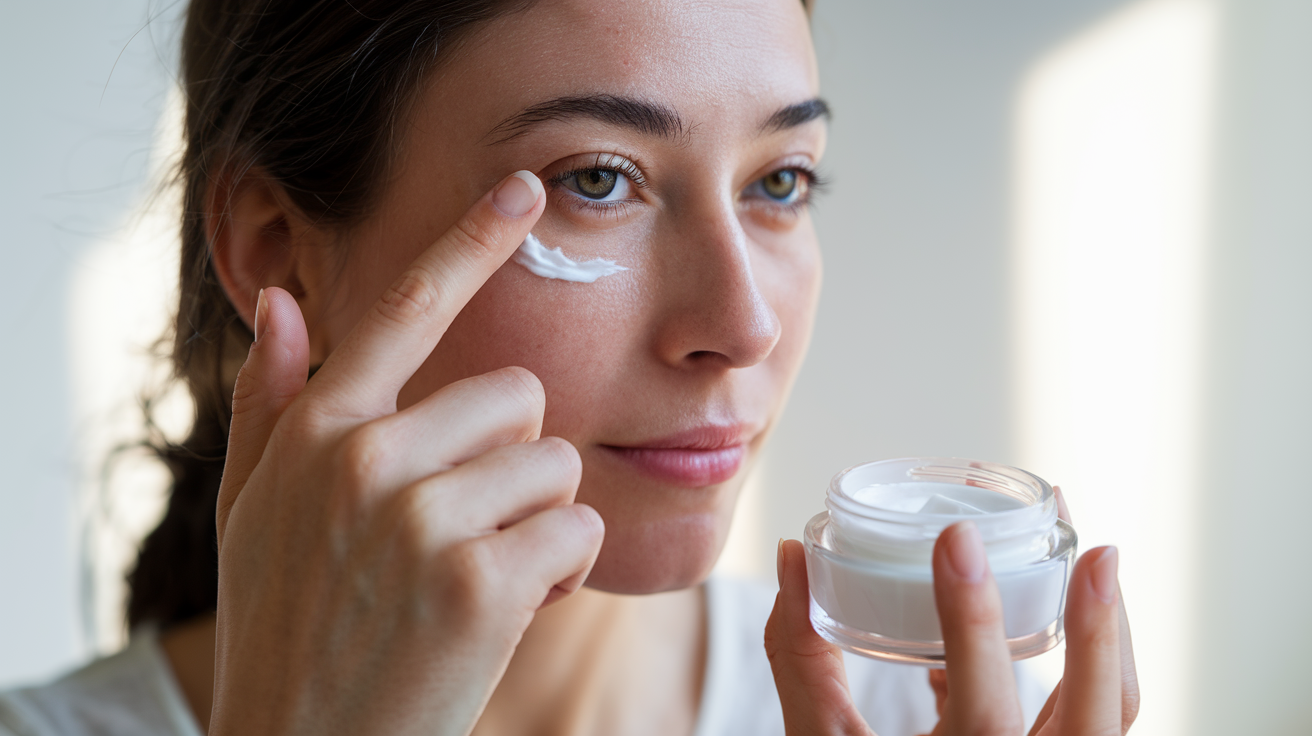
Have you ever applied eye cream at the wrong step and wondered why it didn't seem to do much? The timing of your eye cream application can make a real difference in how your skin absorbs the ingredients. While eye cream won't magically erase lines overnight, placing it correctly in your routine helps you get the most from the product you're already using.
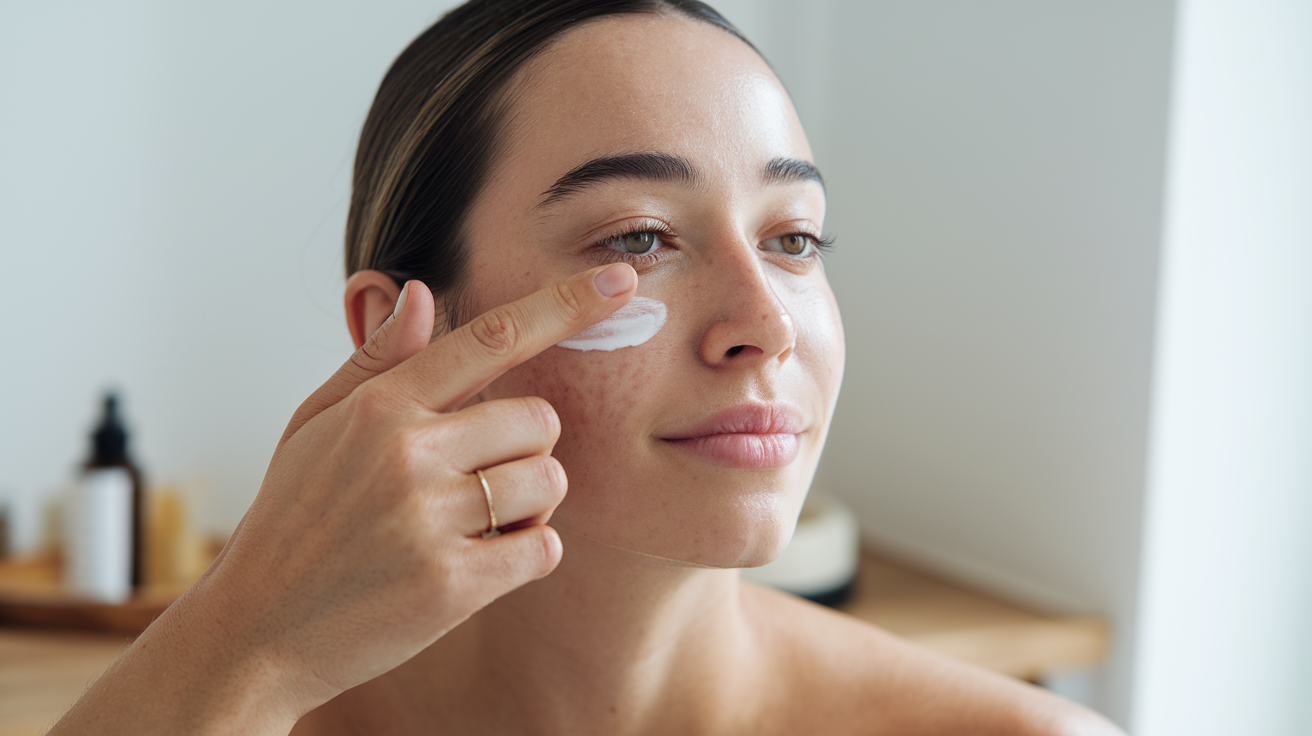
The delicate skin around your eyes is thinner and more prone to dryness than the rest of your face. When you apply eye cream at the right moment, you're giving those ingredients the best chance to absorb properly. When you apply it at the wrong time, you might be blocking absorption or diluting the formula without realizing it.
Why Eye Cream Timing Matters for Maximum Results
Think of your skincare routine like layering clothing. You wouldn't put your coat on before your shirt, right? The same logic applies to skincare.
Eye creams are formulated with specific textures and ingredient concentrations designed to work on that thin under-eye area. If you apply them over a heavy moisturizer or oil, the active ingredients may struggle to penetrate the skin barrier you've just created.
On the flip side, if you apply eye cream too early—like directly on dry skin before toner—you might miss out on the hydration boost that helps your skin accept those ingredients.
The general rule in skincare is to go from thinnest to thickest consistency. Water-based products go first, then gels, then creams, then oils. Eye cream usually falls somewhere in the middle, depending on its texture.
But there's more to it than just texture. Some eye creams contain retinol, peptides, or caffeine, and these ingredients work best when they reach the skin directly—not after they've traveled through three other product layers.
Morning Skincare Routine: When to Apply Eye Cream
Your morning routine is all about protection and prep. Here's the order that works for most people:
Step 1: Cleanser
Step 2: Toner or essence
Step 3: Serum
Step 4: Eye cream
Step 5: Moisturizer
Step 6: Sunscreen
Notice that eye cream comes after your serum but before your face moisturizer. This placement lets the eye cream absorb into clean, slightly damp skin without competing with heavier creams.
If you're using a affiliate one that recommends a specific order, follow that first. But in general, this sequence works well.
Some people prefer to apply eye cream after moisturizer, especially if their eye cream is very thick. That's fine too—just make sure you're consistent so you can track what works for your skin.
One important morning tip: let your eye cream sink in for 30 to 60 seconds before applying sunscreen. This gives it time to settle and prevents pilling under makeup.
Tired of seeing under-eye lines before you see yourself?
If the tiny creases under your eyes make you look more tired than you feel, this guide shows the simple under-eye routine that helps soften the look of dry lines, crepey texture, and tired skin without guessing or wasting weeks on random products.
Evening Skincare Routine: Optimal Eye Cream Placement
Your nighttime routine is when your skin does most of its repair work. This is when you can use richer, more active eye creams.
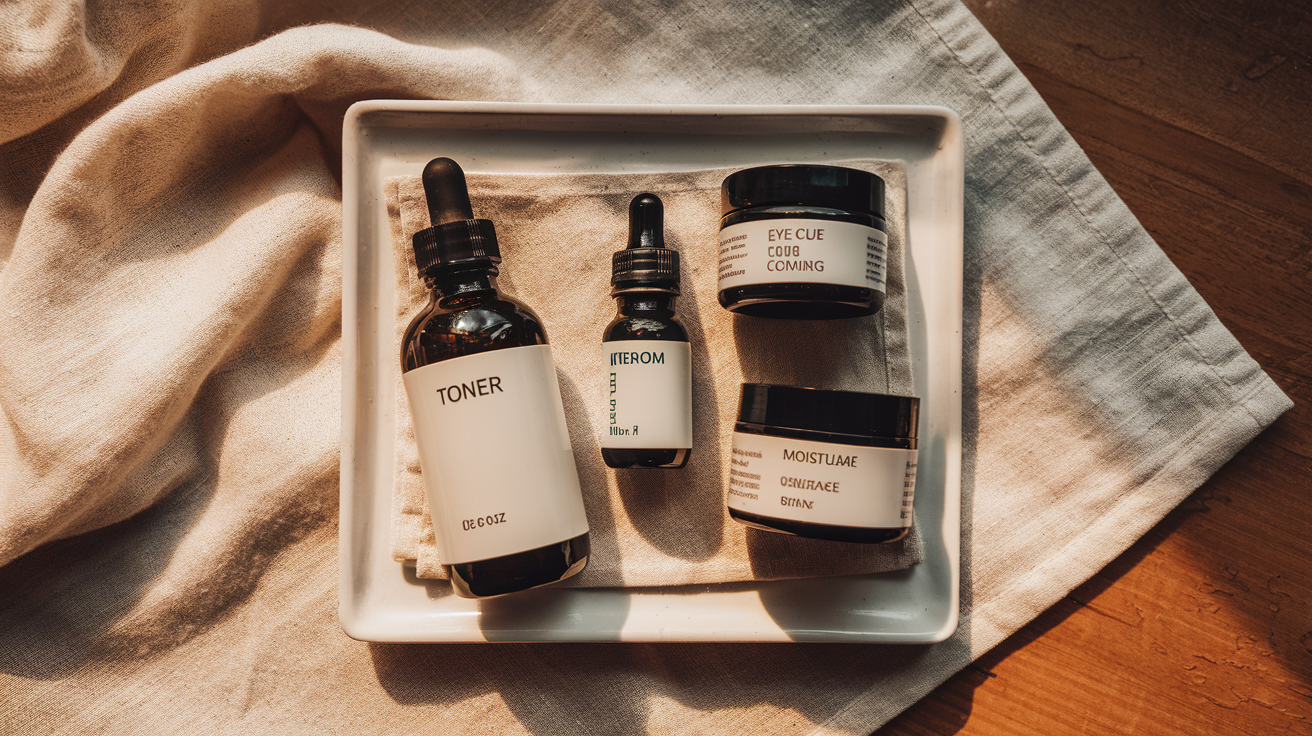
Here's a typical evening order:
Step 1: Makeup remover or cleansing balm
Step 2: Cleanser
Step 3: Toner or essence
Step 4: Treatment serum (like retinol or vitamin C)
Step 5: Eye cream
Step 6: Moisturizer
Step 7: Face oil (optional)
If you're using a retinol eye cream, pay extra attention to placement. Some experts suggest applying retinol eye cream after your regular moisturizer to buffer the strength and reduce irritation. Others recommend applying it directly to clean skin for maximum potency.
There's no single right answer here—it depends on your skin's tolerance and the strength of your product.
At night, you can also use a slightly heavier eye cream than you would in the morning. Since you're not applying makeup over it, richness and texture matter less than during the day.
If you're following a guide from a trusted source like affiliate one, stick with their recommended timing for the specific products they suggest.
Common Eye Cream Timing Mistakes That Reduce Effectiveness
Applying eye cream to dry skin without toner first. Toner helps prep your skin and can improve absorption. Skipping it isn't terrible, but you might be missing a hydration boost.
Layering eye cream over thick face cream. If your moisturizer is heavy, your eye cream may just sit on top instead of sinking in. Swap the order or wait a few minutes between steps.
Using too much product and layering immediately. A pea-sized amount is enough for both eyes. If you pile on too much and don't let it absorb, the next product won't work as well.
Applying eye cream after sunscreen in the morning. Sunscreen should always be your last step before makeup. Anything applied after it can break down the UV protection.
Not adjusting for different eye creams. A lightweight gel eye cream behaves differently than a thick peptide cream. Read the instructions and adjust your order if needed.
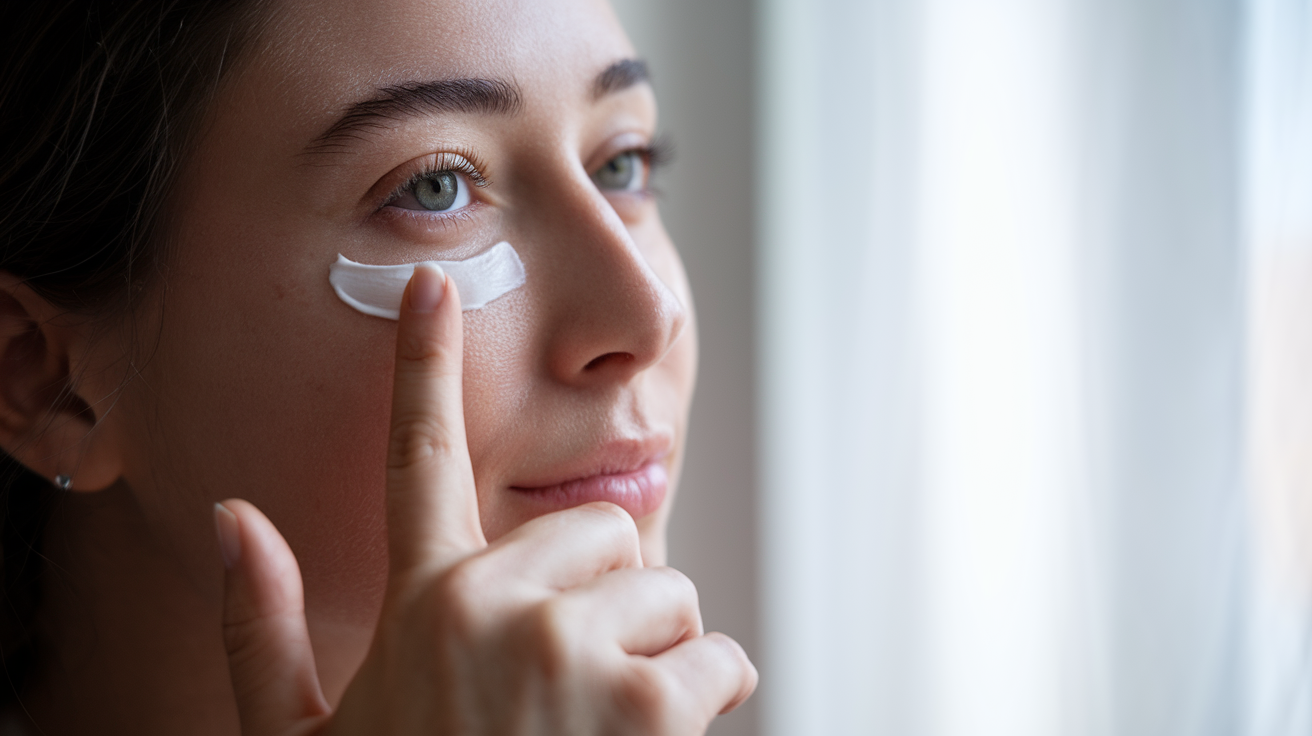
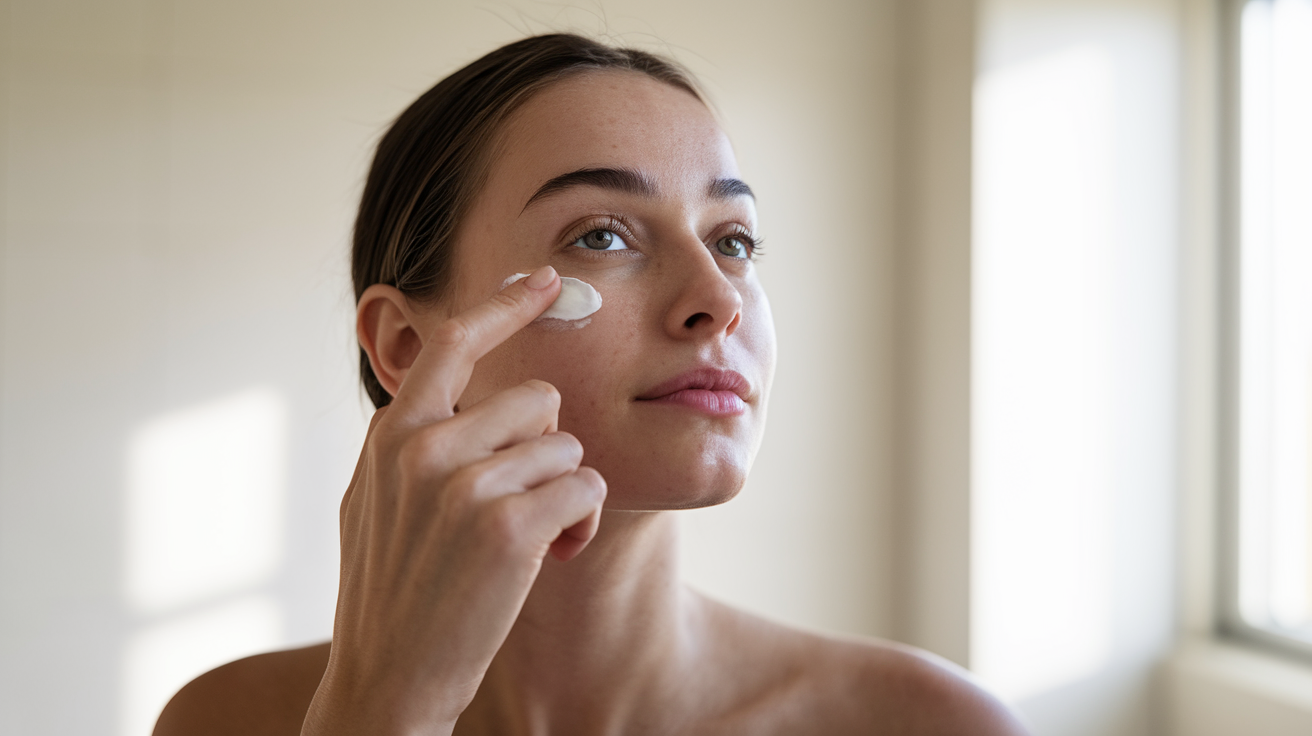
Rubbing or tugging the skin during application. This isn't a timing issue, but it's worth mentioning. Pat your eye cream gently along the orbital bone—don't rub or pull the delicate skin.
Using the same routine morning and night without adjusting. Your skin has different needs at different times of day. A caffeine-based eye gel works great in the morning to reduce puffiness, but a nourishing retinol cream is better at night.
The truth is, consistency matters more than perfection. If you apply your eye cream in the same spot every day and give it time to absorb, you're already doing better than most people.
Pay attention to how your skin feels and looks. If your under-eye area feels tight or looks flaky, try applying eye cream earlier in your routine or adding a hydrating toner first. If your makeup pills or slides off, try applying eye cream earlier and letting it fully absorb before moving on.
Skincare is personal. While these guidelines work for most people, your skin might prefer a slightly different order. Experiment, take notes, and adjust based on what makes your skin look and feel its best.
Published September 23, 2026