Disclosure: This post contains affiliate links. We may earn a commission at no extra cost to you.
When Should You Start Using Eye Cream? Age Timeline and Expert Advice
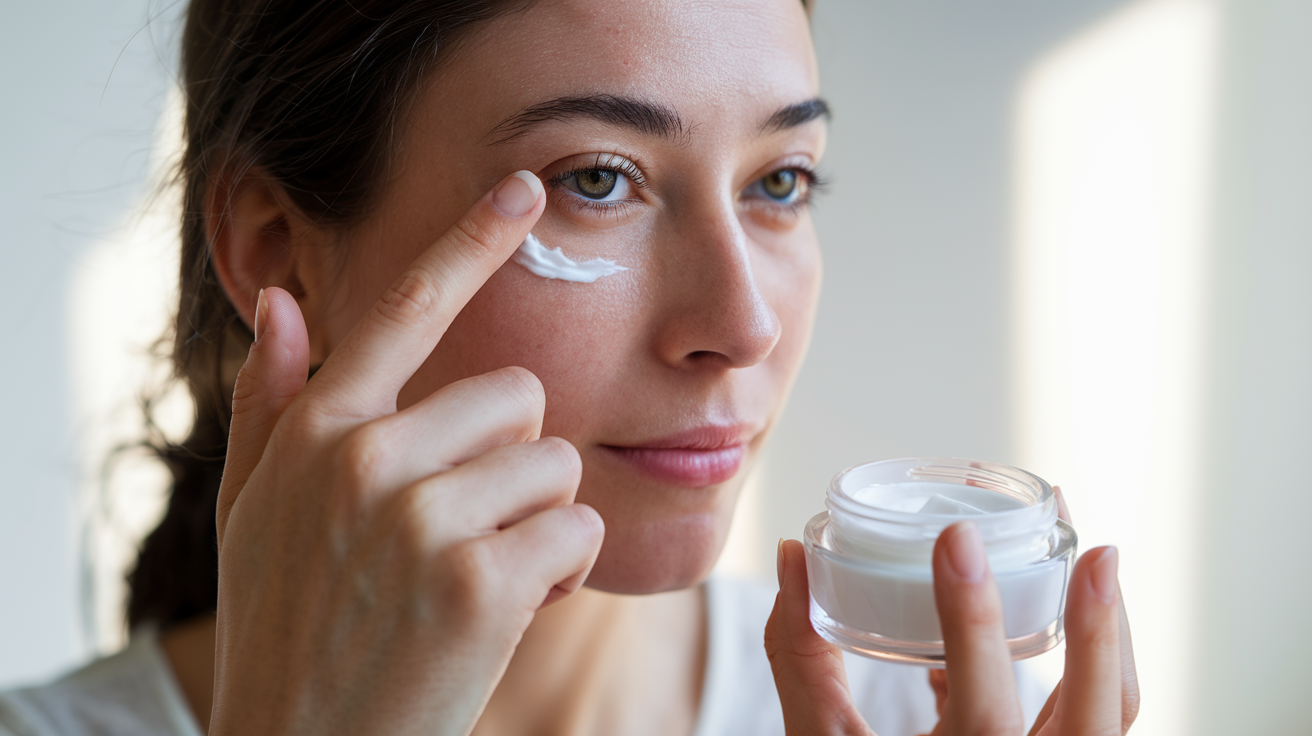
Have you ever looked at the skincare aisle and wondered if you're too young for eye cream—or worse, if you've already waited too long?
The truth is, there's no magic birthday that suddenly makes eye cream mandatory. But understanding how the delicate skin around your eyes changes over time can help you make smarter choices about when to start and what to look for.
Let's break down the age timeline so you know exactly when and why eye cream might become your new best friend.
Why Age Matters: Understanding Eye Area Aging Patterns
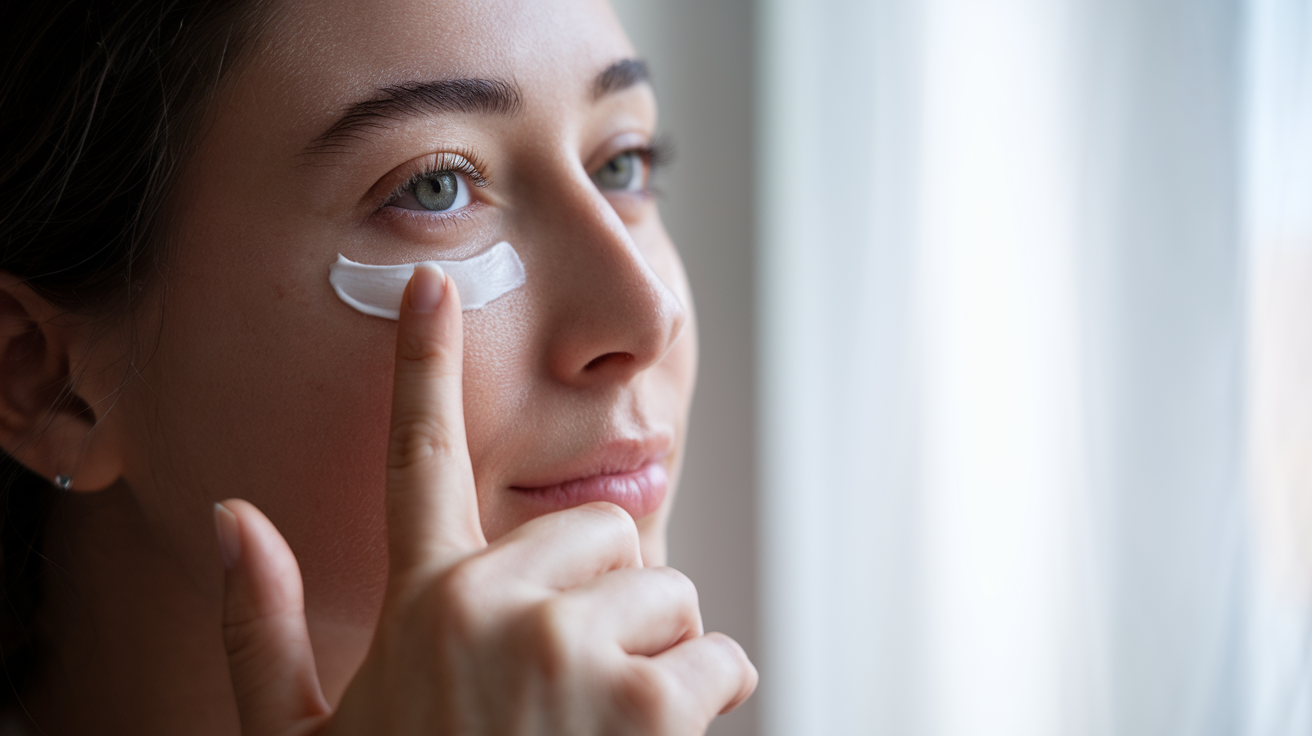
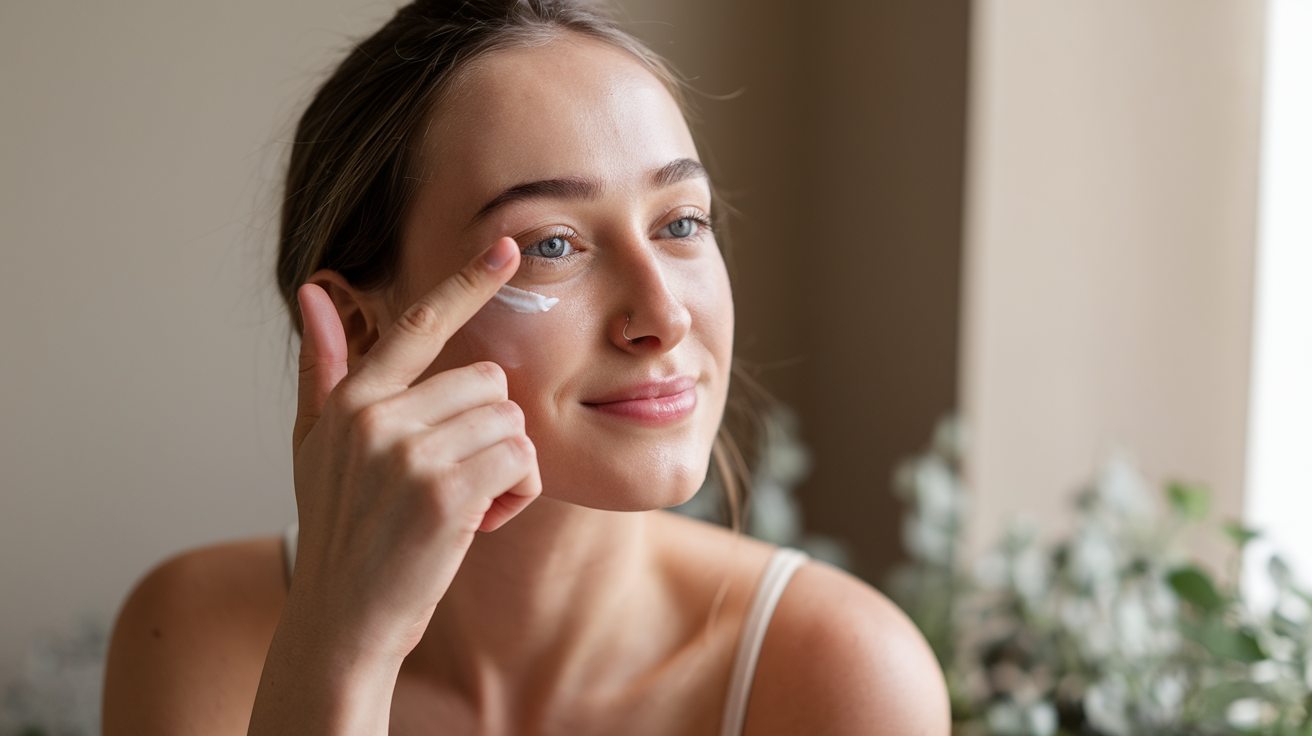
The skin around your eyes is about ten times thinner than the rest of your face. It has fewer oil glands, less collagen support, and gets constant movement from blinking, squinting, and expressing emotion.
Because of this, the eye area often shows the first visible signs of aging. You might notice dryness, fine lines, or a slightly crepey texture before you see changes anywhere else on your face.
Age matters because your skin's needs shift over time. In your 20s, you're mostly dealing with prevention. In your 30s and beyond, you're focused on addressing visible changes that have already started to appear.
Understanding where you are in this timeline helps you choose products that actually match what your skin needs right now—not what worked for someone else or what you think you should be using.
Your 20s: Prevention and Protection Phase
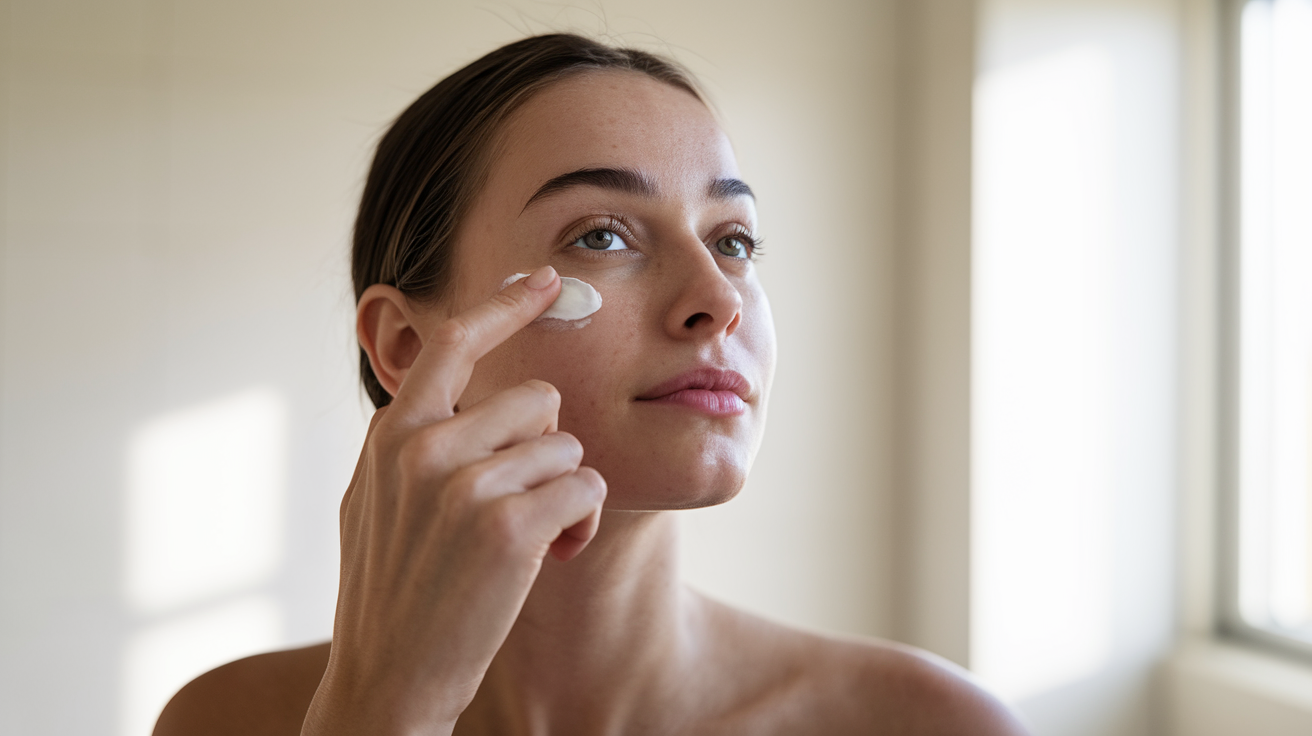
If you're in your 20s, your eye area is probably still smooth and resilient. You might not see obvious lines yet, but this is the perfect time to build habits that protect your skin from premature aging.
The most important step? Sun protection. UV exposure is one of the biggest contributors to early aging around the eyes. Wearing sunglasses and using an SPF on your face (including the eye area) goes a long way.
You don't necessarily need a heavy eye cream in your early 20s unless your skin feels dry or tight. A lightweight hydrating formula with ingredients like hyaluronic acid or peptides can help keep the area plump and comfortable.
If you spend a lot of time staring at screens, you might notice some puffiness or dullness. A simple cooling eye gel in the morning can help reduce the tired look and give your skin a little boost of moisture.
Think of this decade as your foundation phase. You're setting up your skin for long-term health, not fixing damage that hasn't happened yet.
Tired of seeing under-eye lines before you see yourself?
If the tiny creases under your eyes make you look more tired than you feel, this guide shows the simple under-eye routine that helps soften the look of dry lines, crepey texture, and tired skin without guessing or wasting weeks on random products.
Your 30s-40s: Active Treatment and Correction
Once you hit your 30s, you'll likely start noticing real changes. Fine lines may appear at the outer corners when you smile. The skin might look a little less bouncy. Dark circles or slight hollowing can become more noticeable.
This is when eye cream shifts from optional to beneficial. Your skin isn't producing collagen as quickly as it used to, and the thin eye area shows it first.
Look for formulas with active ingredients like retinol, peptides, vitamin C, or niacinamide. These can help support smoother-looking skin and reduce the appearance of fine lines and uneven tone over time.
Consistency matters more than expensive packaging. Using a well-formulated eye cream every morning and night gives your skin steady support. If you're new to actives, start slowly and pay attention to how your skin responds.
In your 40s, you might also want to layer. A hydrating serum under your eye cream can add extra plumpness, especially if you're dealing with dryness or texture that makeup tends to settle into.
If you're looking for a structured approach that takes the guesswork out of building an effective routine, affiliate one offers clear steps tailored to common under-eye concerns.
Signs You Need to Start Eye Cream Now (At Any Age)
Age is helpful as a guideline, but your skin might be telling you it's time to start eye cream even if you're younger—or that you can wait a bit longer if you're older.
Here are the real signs that eye cream should be part of your routine:
Your under-eye area feels dry or tight. If your skin feels uncomfortable or looks flaky, it needs more moisture. A dedicated eye cream delivers hydration where regular face lotion might not be enough.
You see fine lines when you smile or squint. These early expression lines respond well to hydration and gentle actives. The sooner you start supporting that area, the better your skin will look over time.
Your concealer creases or settles into texture. If makeup doesn't sit smoothly, your skin is likely dehydrated or showing early textural changes. Eye cream can help create a smoother base.
You notice puffiness or dark circles regularly. While eye cream won't magically erase these, ingredients like caffeine and vitamin K can help reduce the appearance of tired-looking eyes.
Your eyes look older than the rest of your face. If the area around your eyes seems more aged or tired compared to your cheeks or forehead, it's a clear signal to give that zone some extra care.
You don't need to wait for a specific birthday or until lines are deeply set. If your skin is asking for help, listen to it.
For a step-by-step breakdown of how to choose and use eye products based on what you're actually seeing in the mirror, check out affiliate one for practical guidance that's easy to follow.
Published August 27, 2026