Disclosure: This post contains affiliate links. We may earn a commission at no extra cost to you.
When Should You Start Using Eye Cream? Age-Based Guide for Prevention
Published: September 25, 2026
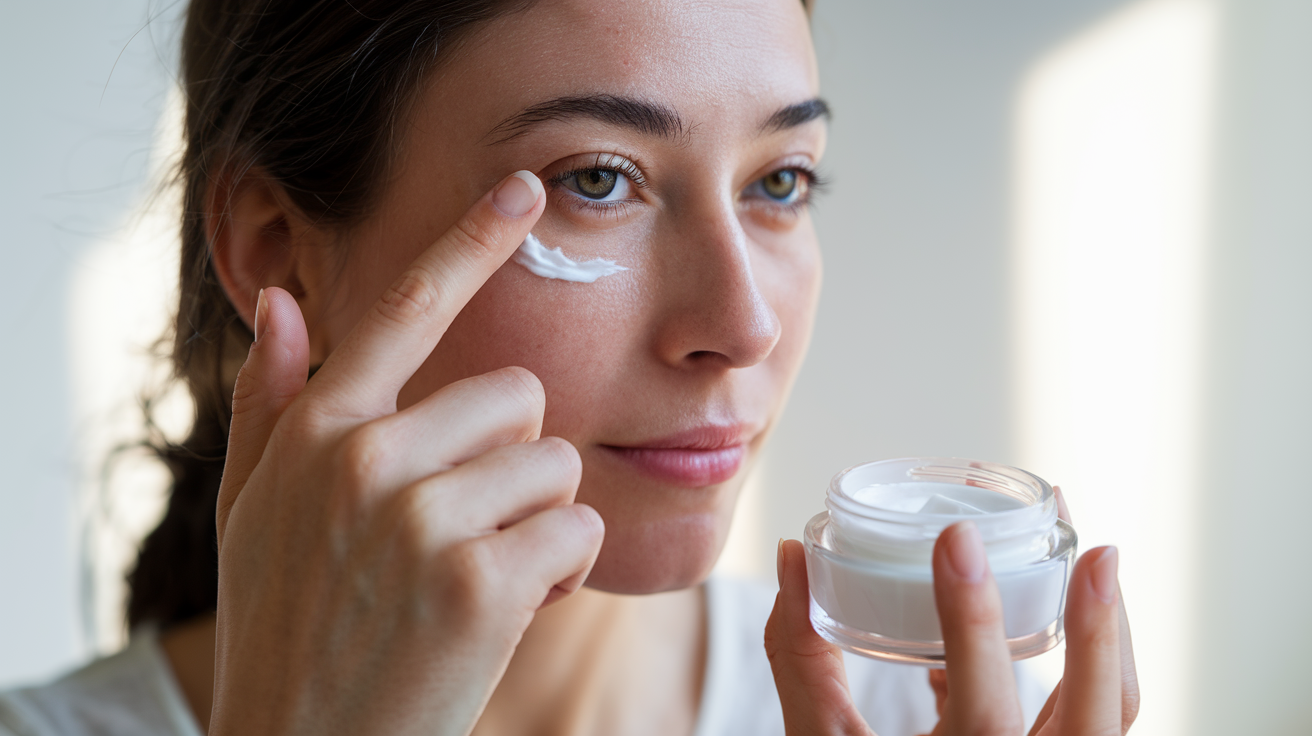
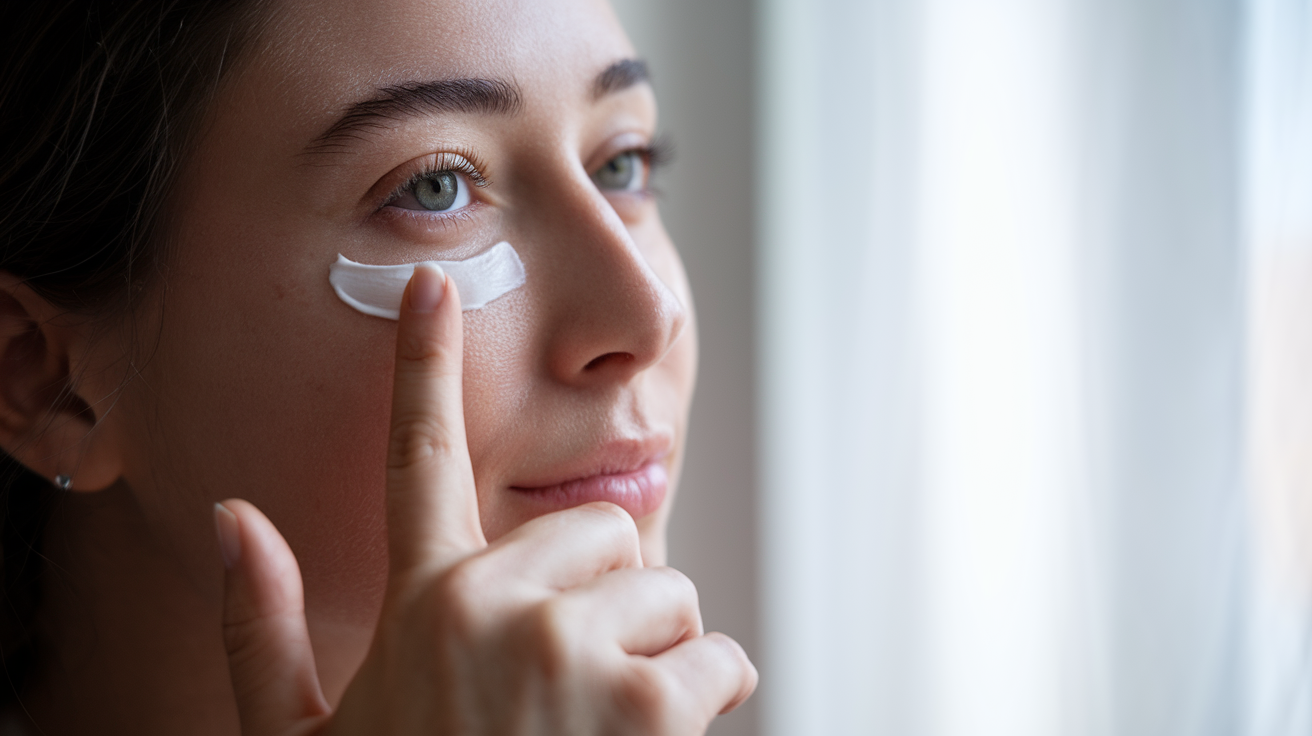
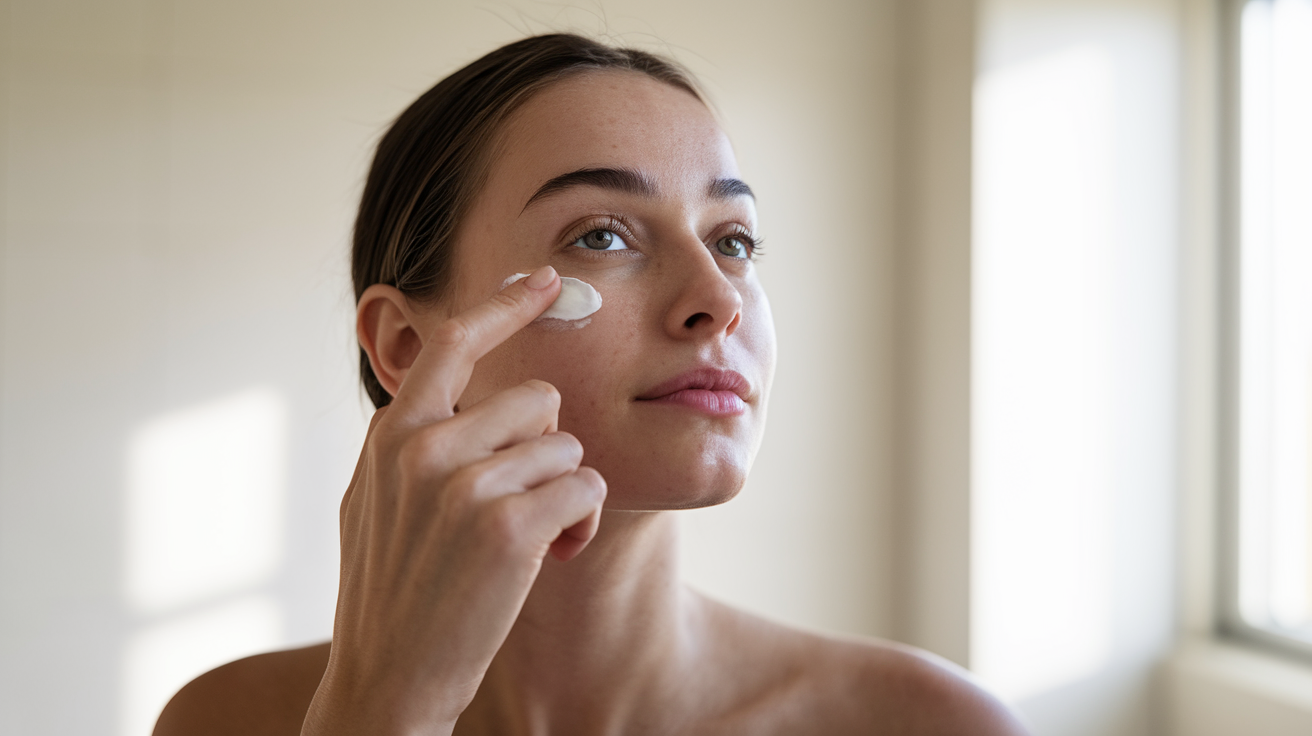
Have you ever looked in the mirror and noticed the skin around your eyes looks different from the rest of your face? Maybe it's a little drier, more delicate, or showing texture you don't see on your cheeks. The question of when to start using eye cream isn't just about age—it's about understanding what's happening beneath the surface and how to support that fragile skin before you're stuck playing catch-up.
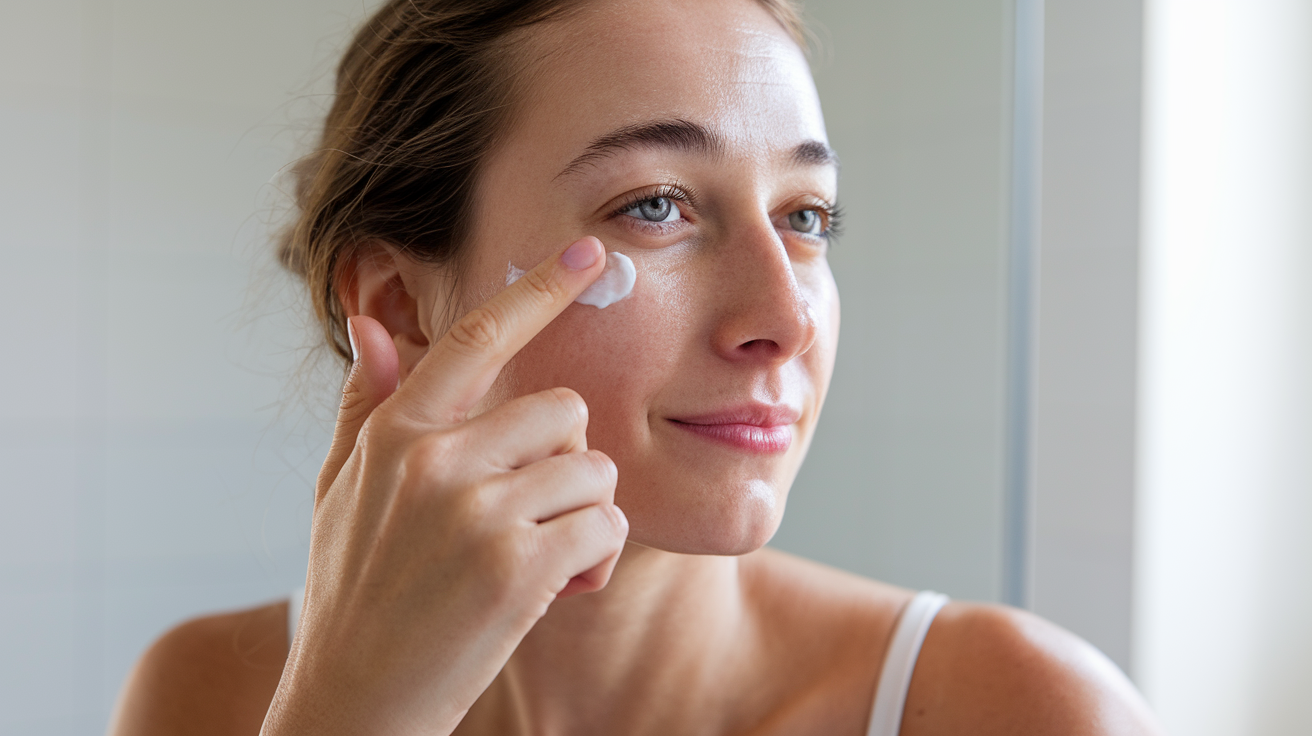
The truth is, there's no magic birthday that signals it's time to add eye cream to your routine. Instead, it's about recognizing the unique needs of the eye area and deciding whether prevention or active care makes the most sense for you right now.
Why the Eye Area Ages Faster Than Other Skin
The skin around your eyes is about ten times thinner than the skin on the rest of your face. That means it has fewer oil glands, less collagen support, and a weaker moisture barrier right from the start.
Every time you blink—around 10,000 times a day—you're creating micro-movements that eventually contribute to expression lines. Add in sun exposure, screen time, rubbing your eyes when you're tired, and the natural decline in skin firmness over time, and you've got a recipe for an area that shows wear faster than anywhere else.
Unlike your forehead or cheeks, the under-eye area doesn't bounce back as easily. It's more prone to dryness, puffiness, and that crepey texture that makeup seems to settle into. Understanding this helps you see why targeted care can make a difference—even if you're not dealing with deep lines yet.
Your 20s: Prevention Mode - Should You Start Now?
If you're in your twenties, you might not see much happening around your eyes yet. But this is actually the ideal time to think about prevention, especially if you spend hours in front of screens, skip sunscreen, or notice dryness after late nights.
You don't need a heavy, rich eye cream at this stage. A lightweight hydrating formula with ingredients like hyaluronic acid, peptides, or niacinamide can help keep the skin plump and smooth-looking without feeling greasy or causing milia.
The goal here isn't to reverse damage—it's to support your skin's natural moisture barrier and protect it from environmental stressors. Think of it as setting a strong foundation.
If you're not ready to commit to a separate eye product, at least be mindful about sun protection. Wearing sunglasses and applying SPF around the eyes can help reduce the appearance of early sun damage and keep the skin looking fresher longer.
For a simple starting point, check out this affiliate one to see which ingredients work best for different skin types and concerns.
Tired of seeing under-eye lines before you see yourself?
If the tiny creases under your eyes make you look more tired than you feel, this guide shows the simple under-eye routine that helps soften the look of dry lines, crepey texture, and tired skin without guessing or wasting weeks on random products.
Your 30s and 40s: Addressing Early Signs and Active Treatment
Once you hit your thirties, you might start noticing fine lines when you smile, a bit of hollowing under the eyes, or texture that wasn't there before. This is when eye cream shifts from optional to beneficial.
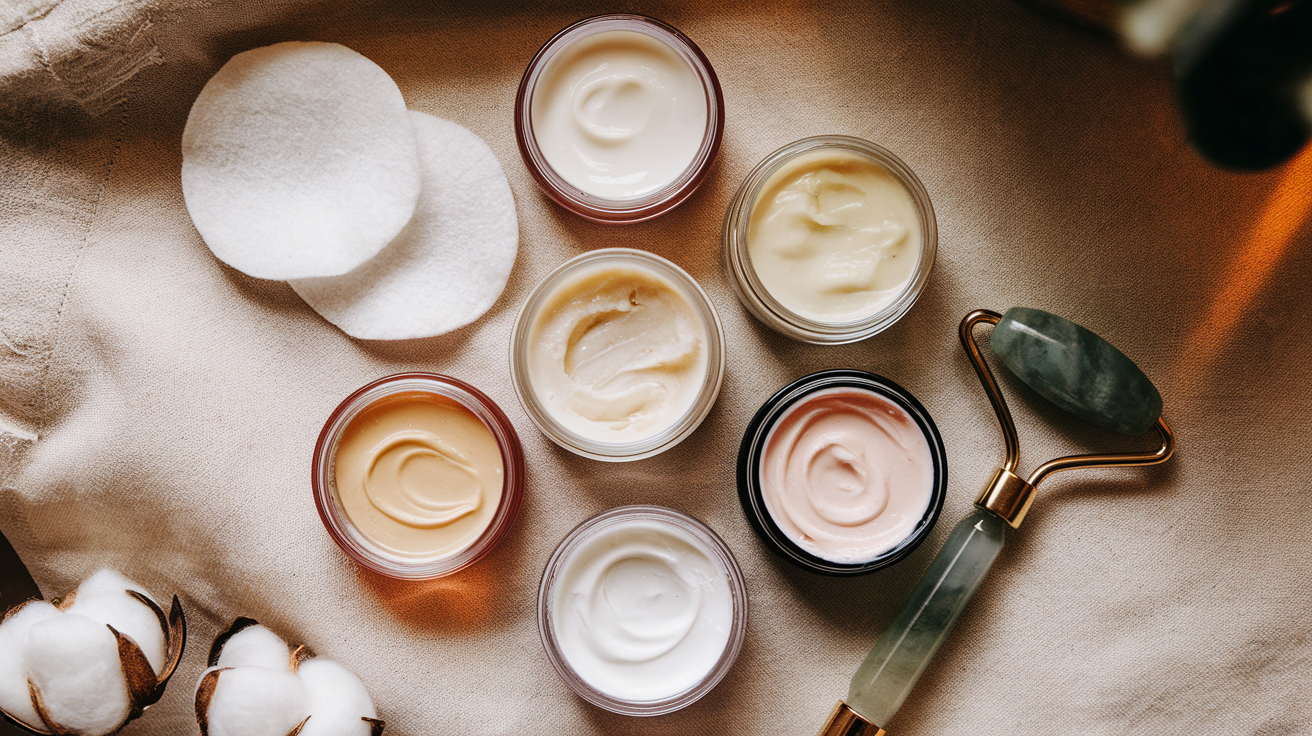
Your skin is producing less collagen now, and the fat pads that keep the under-eye area smooth start to shift. Dryness becomes more noticeable, and makeup might settle into creases by midday.
Look for eye creams with retinol, peptides, caffeine, or vitamin C. These ingredients can help support skin texture, reduce the appearance of puffiness, and make the under-eye area look smoother and less tired over time.
In your forties, you might want to layer products—a hydrating serum followed by a richer cream at night, for example. The skin's ability to hold moisture decreases, so giving it multiple sources of hydration can help it look plumper and more resilient.
Consistency matters more than the price tag. Using a good eye cream twice a day will always outperform using an expensive one sporadically.
If you're unsure where to begin, this affiliate one breaks down the most effective routines by decade and skin concern.
Your 50s and Beyond: Intensive Care and Repair Strategies
By your fifties and beyond, the eye area often needs more targeted support. Skin elasticity declines, dryness becomes persistent, and the under-eye area may look more hollow or shadowed.
This is the time for richer textures, more nourishing ingredients, and possibly layering treatments. Look for formulas with ceramides, squalane, growth factors, or bakuchiol—a gentler alternative to retinol that still supports skin renewal.
You might also want to incorporate an eye mask once or twice a week for an extra boost of hydration. These can temporarily plump the skin and make it look smoother and more refreshed.
Don't forget about the upper eyelid, either. It's common to focus on the under-eye area, but the lid skin can become crepey and lose firmness too. Gently patting a small amount of eye cream along the brow bone and lid can help support that delicate skin.
At this stage, managing expectations is important. Eye cream won't erase deep lines or dramatically lift sagging skin, but it can help the area look more hydrated, softer, and less tired—which makes a noticeable difference in how you feel when you look in the mirror.
The key is finding a routine that feels manageable and effective for your lifestyle. Even small, consistent steps can help support the appearance of smoother, healthier-looking skin over time.
No matter your age, the best time to start caring for your eye area is now. Whether you're in prevention mode or addressing visible changes, the right approach can help your eyes look as vibrant as you feel.