Disclosure: This post contains affiliate links. We may earn a commission at no extra cost to you.
When Should You Apply Eye Cream? Morning vs Night Benefits Explained
Are you applying eye cream at the wrong time? It sounds like a small detail, but when you use your eye cream can change how it works—and how your skin looks throughout the day. Some formulas help shield delicate skin from daytime stress, while others work best during your skin's overnight repair mode. If you've been using the same eye cream twice a day without thinking about timing, you might be missing out on better support for your under-eye area.

Why Eye Cream Timing Actually Matters for Results
The skin around your eyes is different from the rest of your face. It's thinner, more prone to dehydration, and constantly moving—which means it needs thoughtful care at the right times.
Morning and night routines serve different purposes. During the day, your skin deals with environmental stressors like UV exposure, pollution, and blue light from screens. At night, your body shifts into repair mode, boosting cellular turnover and collagen production while you sleep.
Using eye cream at both times can help you take advantage of these natural rhythms. A lightweight formula in the morning creates a smooth base under makeup and helps protect delicate skin. A richer, more treatment-focused cream at night supports your skin's natural renewal process without interfering with daytime activities.
Timing also affects absorption. Morning formulas tend to be fast-absorbing and non-greasy so they don't pill under concealer. Night creams can be thicker and more emollient because you don't need to worry about makeup or looking polished right away.
Morning Eye Cream Benefits: Protection and Prep
Your morning eye cream should do two main things: hydrate and protect.
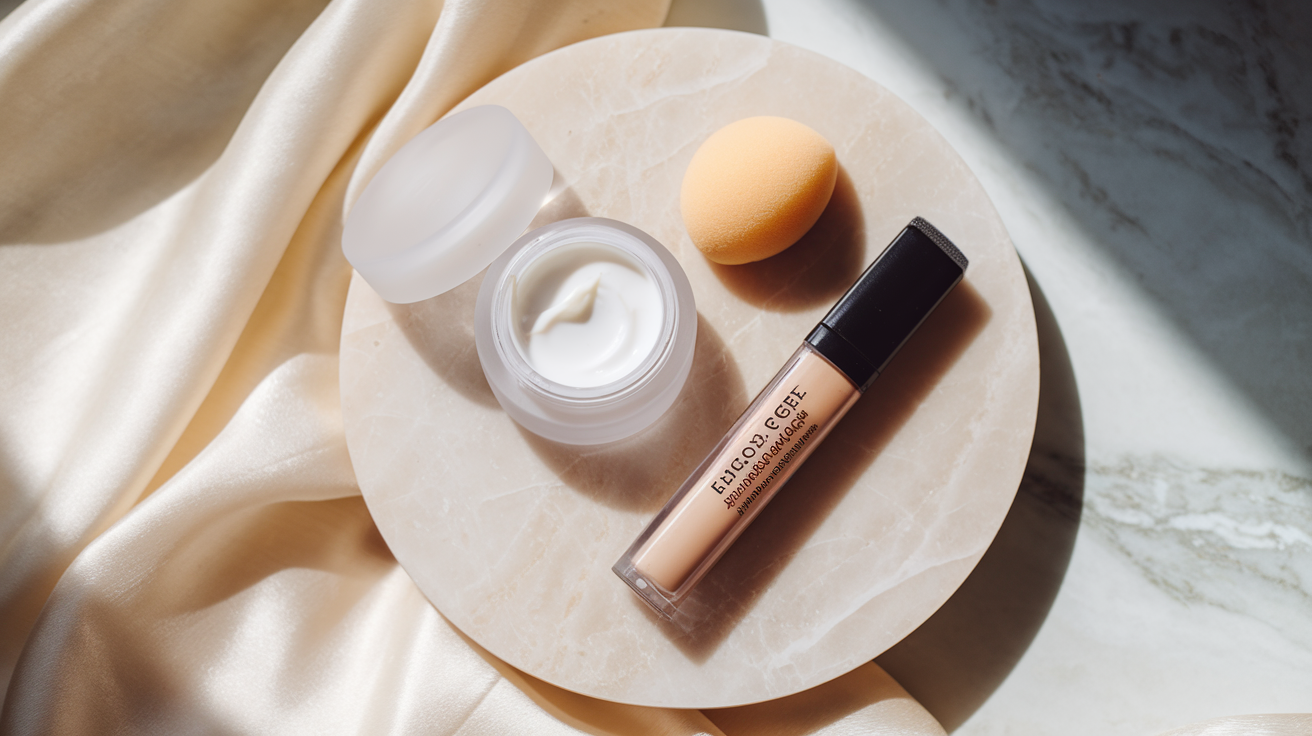
Look for lightweight textures that absorb quickly. Gel-creams, serums, and fluids work well in the morning because they won't feel heavy or greasy under makeup. These formulas help smooth the under-eye area so concealer glides on evenly without settling into fine lines.
Ingredients like caffeine can help reduce the appearance of puffiness by temporarily constricting blood vessels. Hyaluronic acid draws moisture into the skin, which can make the under-eye area look plumper and less tired. Peptides offer gentle support for skin firmness over time.
Some morning eye creams include antioxidants like vitamin C, green tea, or niacinamide. These ingredients help defend against environmental stress throughout the day, which can contribute to premature signs of aging.
If your morning eye cream contains SPF, that's a bonus—but it shouldn't replace your regular sunscreen. The skin around your eyes still needs broad-spectrum protection, especially since most people don't apply enough eye cream to get the full SPF benefit.
Tired of seeing under-eye lines before you see yourself?
If the tiny creases under your eyes make you look more tired than you feel, this guide shows the simple under-eye routine that helps soften the look of dry lines, crepey texture, and tired skin without guessing or wasting weeks on random products.
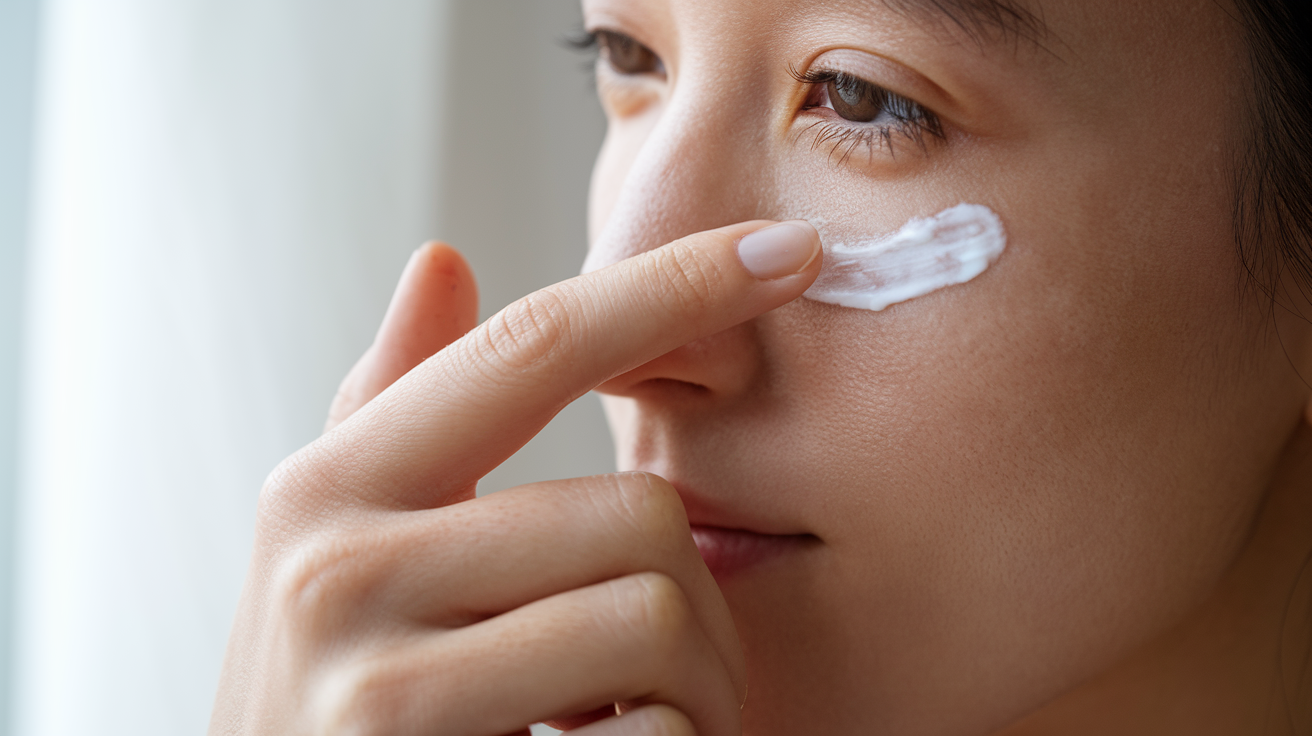
Applying your morning eye cream right after cleansing and toning—but before heavier moisturizers or oils—helps it absorb properly. Use your ring finger to gently pat a small amount along the orbital bone, avoiding the lash line to prevent irritation.
Night Eye Cream Benefits: Repair and Renewal
Nighttime is when your skin does its deepest repair work, making it the ideal window for treatment-focused ingredients.
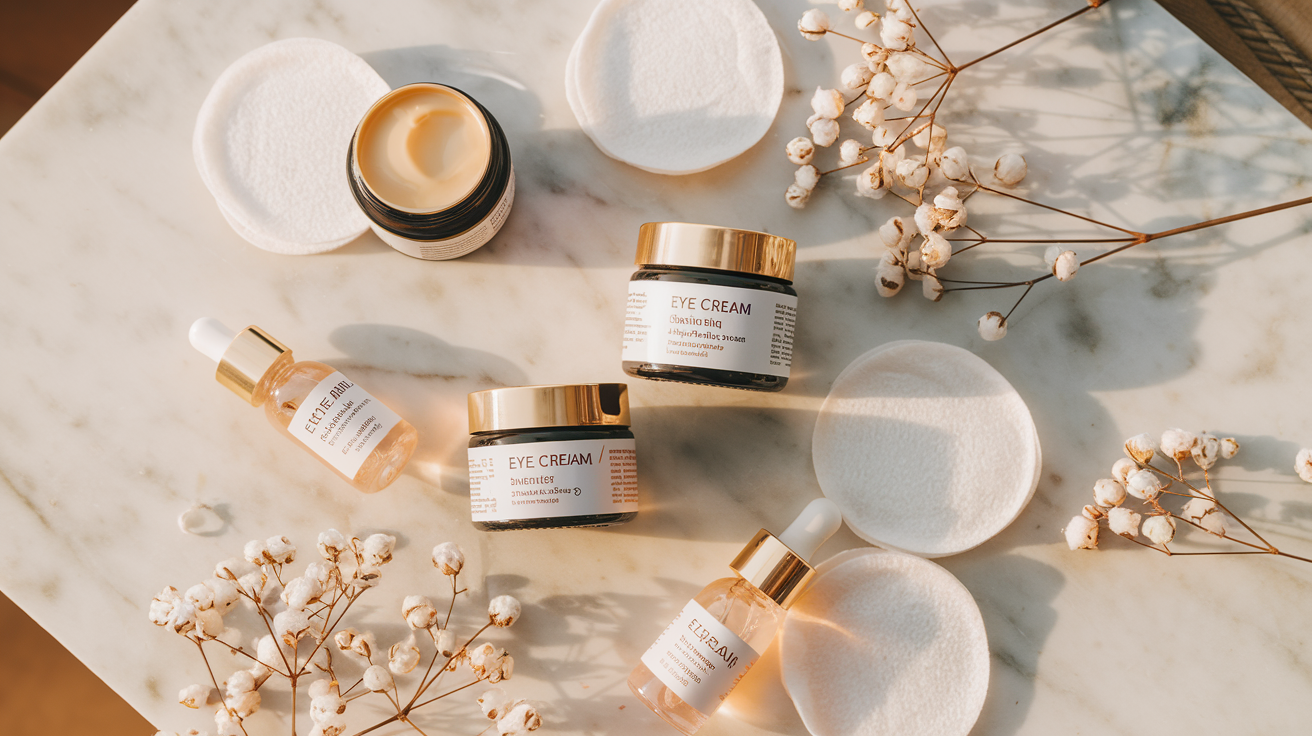
Night eye creams tend to be richer and more nourishing. Without the need to layer makeup on top, you can use thicker textures that deliver more intensive hydration. This is especially helpful if you wake up with dry, crepey-looking skin around your eyes.
Look for ingredients that support your skin's natural repair process. Retinol and retinoid alternatives like bakuchiol can help smooth the appearance of fine lines over time, though they should be introduced slowly and used carefully around the eyes. Peptides work overnight to support skin firmness and elasticity.
Ceramides and fatty acids help restore the skin's moisture barrier, which can weaken with age and environmental stress. A strong barrier means your skin holds onto hydration better, which can reduce the look of dryness and crepey texture.
If you're using a affiliate one that includes active ingredients, nighttime is often the best time to apply it. Your skin isn't exposed to UV light, which can make some actives less stable. You also have several uninterrupted hours for the formula to absorb without interference from makeup, sunscreen, or environmental exposure.
Apply your night eye cream as the last step in your skincare routine, after serums and moisturizer. This helps seal in all the other products you've applied and gives your under-eye area extra nourishment while you sleep.
Should You Use Different Eye Creams Morning and Night?
You don't have to use two different eye creams, but there are benefits to doing so.
If you're using a single eye cream twice a day and it's working for you, there's no need to change. A good all-purpose eye cream with hydrating ingredients like hyaluronic acid and gentle antioxidants can work well both morning and night, especially if you have a simpler routine.
But if you want to target specific concerns more strategically, using different formulas can help. A lightweight morning cream with caffeine and peptides can prep your skin and reduce puffiness. A richer night cream with retinol or ceramides can focus on smoothing the appearance of fine lines and supporting overnight repair.
This approach also lets you avoid ingredient conflicts. Some actives, like retinol and vitamin C, can be less stable or more sensitizing when used together. Separating them into morning and night routines can reduce the risk of irritation.
If you're new to eye creams or working with a tight budget, start with one formula that fits your main concern. Once you're comfortable, you can add a second product that complements it. For example, if your affiliate one includes a treatment-focused night cream, you might pair it with a simple hydrating gel for mornings.
The key is consistency. Whether you use one eye cream or two, applying it regularly at the right times will give you better support for the delicate skin around your eyes than switching products constantly or skipping days.
Pay attention to how your skin responds. If your morning eye cream feels too heavy under makeup, switch to a lighter texture. If your night cream isn't giving you the nourishment you need, look for something richer or with more active ingredients.
Published October 24, 2026