Disclosure: This post contains affiliate links. We may earn a commission at no extra cost to you.
When Should You Apply Eye Cream: Morning, Night, or Both for Best Results
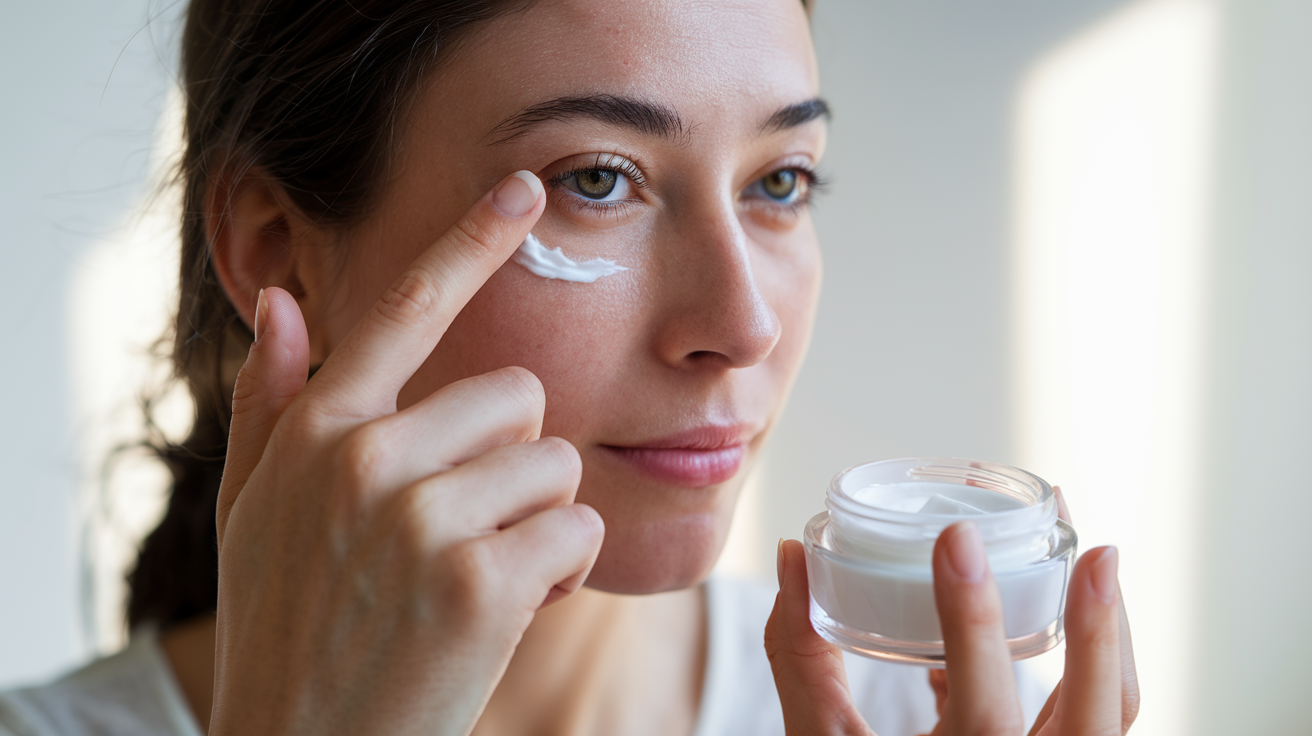
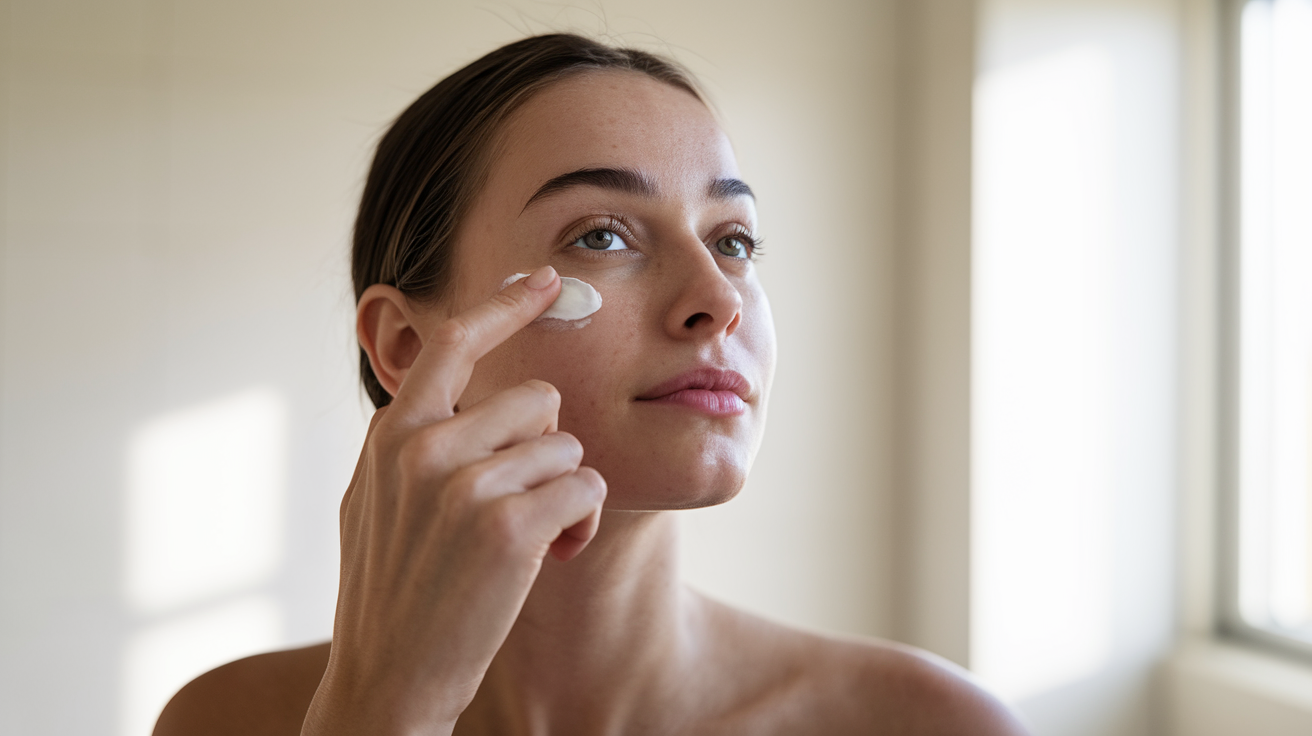
Have you ever wondered if you're applying your eye cream at the wrong time? Maybe you're slathering it on before bed, or maybe you only reach for it in the morning—but if you're not seeing the smoother-looking results you want, timing might be the missing piece. The delicate skin around your eyes has different needs throughout the day, and understanding when to apply eye cream can make a real difference in how your skin looks and feels.
Why Timing Matters for Eye Cream Effectiveness
The skin around your eyes is thinner than the rest of your face, which means it shows signs of aging faster and reacts differently to products at different times of day.
In the morning, your eye area needs protection. You're about to face UV exposure, blue light from screens, pollution, and environmental stressors that can contribute to the appearance of fine lines and tired-looking skin. A morning eye cream should focus on hydration, lightweight protection, and ingredients that help your under-eye area look more awake.
At night, your skin enters repair mode. While you sleep, cell turnover increases and your skin works harder to recover from daily damage. Nighttime is when richer, more intensive ingredients can work without interference from makeup, sunscreen, or environmental factors.
Using the same eye cream morning and night isn't wrong, but it might not be giving your skin what it actually needs at each phase of the day.
Morning Eye Cream Application: Benefits and Best Products
Your morning eye cream routine should be about protection and prep. Look for lightweight formulas that absorb quickly and sit well under makeup.
The best morning eye creams often contain caffeine, which can temporarily reduce the appearance of puffiness by constricting blood vessels. Hyaluronic acid is another hero ingredient for morning use—it helps the skin retain moisture throughout the day without feeling heavy.
If you wear concealer or foundation, a fast-absorbing eye cream prevents makeup from creasing or settling into fine lines. Let your eye cream absorb for at least two to three minutes before applying makeup.
Peptides can also be beneficial in the morning. While they work over time to support the skin's appearance, they're gentle enough for daytime use and won't interfere with other products.
For those looking for a structured approach to eye care, this affiliate one offers clear guidance on building a routine that works with your skin's natural rhythm.
Tired of seeing under-eye lines before you see yourself?
If the tiny creases under your eyes make you look more tired than you feel, this guide shows the simple under-eye routine that helps soften the look of dry lines, crepey texture, and tired skin without guessing or wasting weeks on random products.
Nighttime Eye Cream Routine: Repair and Recovery
Your nighttime eye cream can be richer, thicker, and more treatment-focused. This is when you bring in the ingredients that work while you sleep.
Retinol is one of the most studied ingredients for the appearance of aging skin, but it should only be used at night. It can make skin more sensitive to sunlight, and it works best when your skin is in repair mode. If you use retinol around your eyes, start slowly—once or twice a week—and always follow with a moisturizing eye cream if needed.
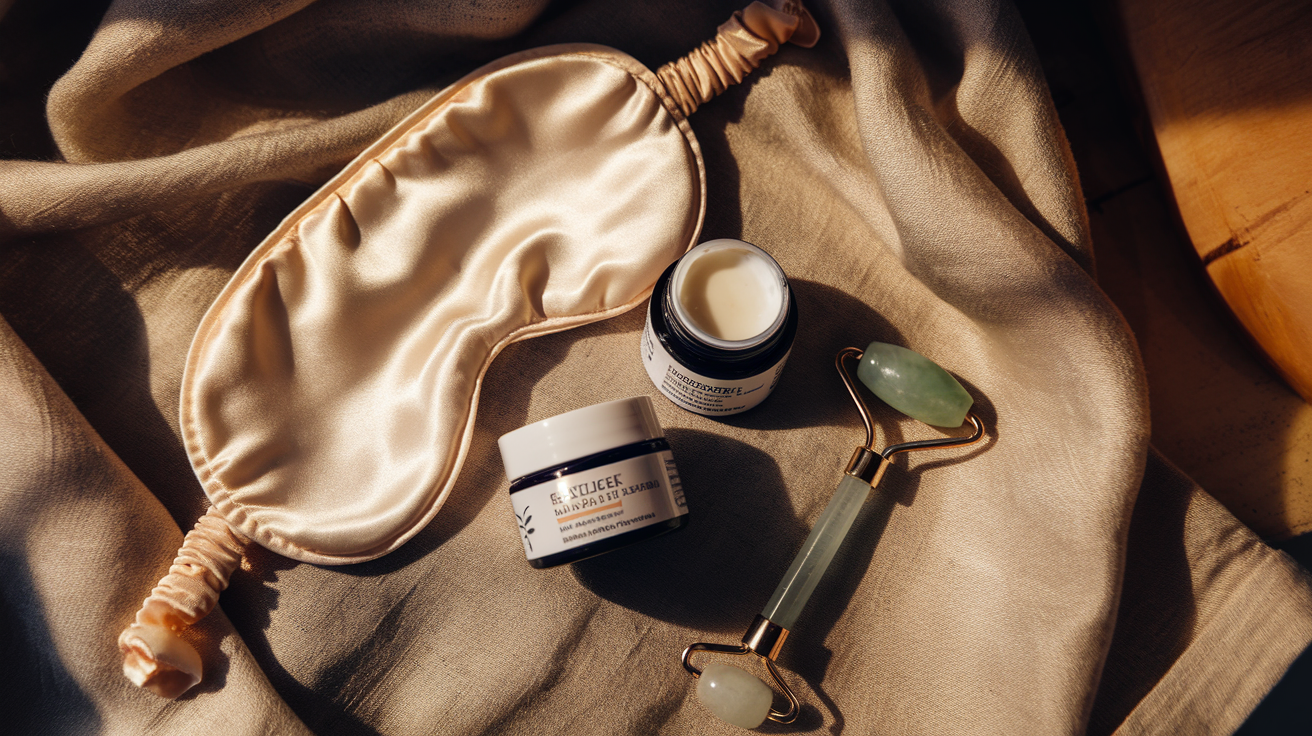
Niacinamide is another nighttime favorite. It helps support the skin barrier and can improve the look of uneven tone and texture over time. Unlike retinol, it's gentle enough for most skin types and doesn't require a slow introduction.
Ceramides and squalane are excellent for overnight hydration. They help lock in moisture and support the skin's natural barrier, which can reduce the appearance of dryness and crepey texture by morning.
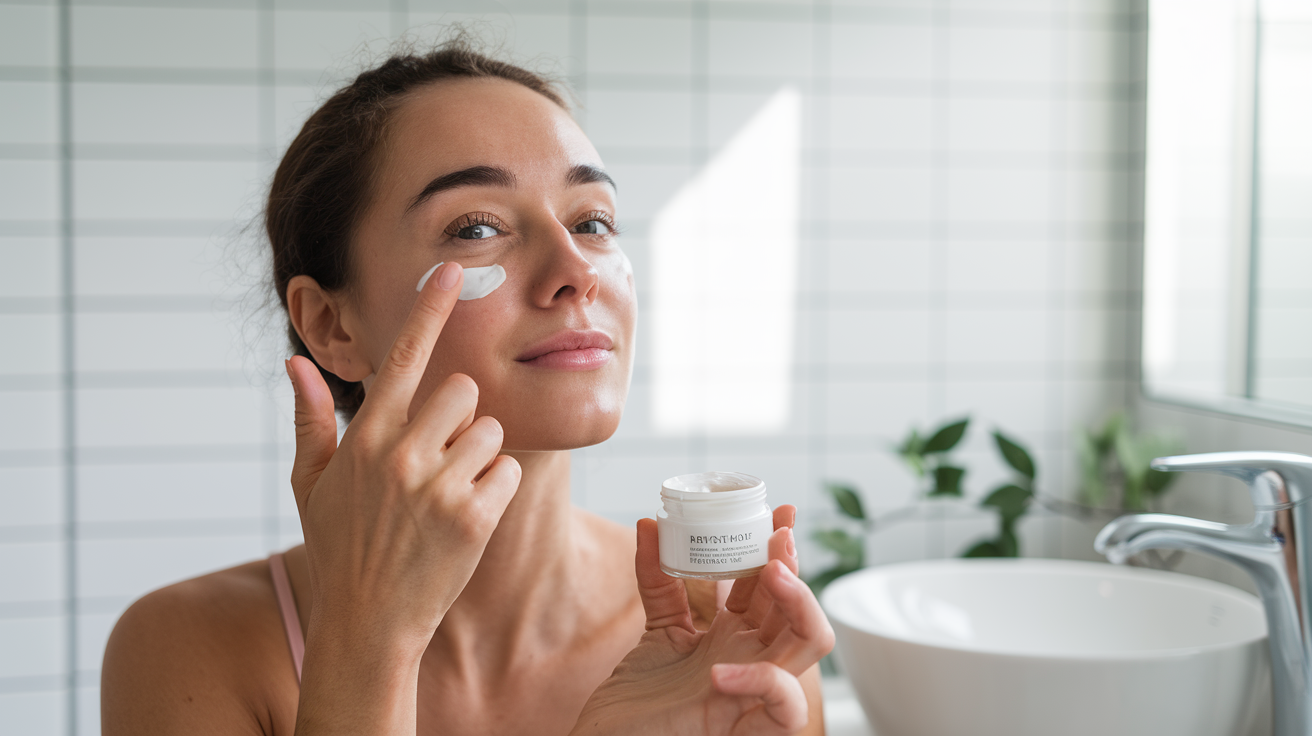
Apply your nighttime eye cream after cleansing and any serums, but before your moisturizer. Use your ring finger to gently tap the product along the orbital bone—never tug or pull the delicate skin.
Should You Use Different Eye Creams Morning vs Night
The short answer: it depends on your skin and your goals.
If you're dealing with puffiness in the morning and dryness at night, using two different formulas makes sense. A cooling gel with caffeine in the morning and a rich cream with peptides at night can address both concerns without overlap.
If you're just starting out with eye cream, using one product twice a day is perfectly fine. Choose a balanced formula with hydrating ingredients like hyaluronic acid and niacinamide, and apply it consistently.
As your routine becomes more advanced, you might want to layer. For example, a lightweight serum in the morning followed by sunscreen, and a treatment cream at night followed by a heavier occlusive if your skin is very dry.
Budget also plays a role. Two separate eye creams can add up quickly. If you're only going to invest in one, choose a nighttime treatment—your skin does more repair work while you sleep, so that's where actives tend to have the most impact.
For a deeper dive into how to structure your routine and choose products that complement each other, check out this affiliate one for a step-by-step breakdown.
Ultimately, the best eye cream routine is one you'll stick with. Consistency beats perfection every time. Whether you use one product or two, morning or night or both, the key is applying it gently, giving it time to absorb, and using it regularly enough to see how your skin responds over weeks—not days.
Your under-eye area deserves attention, but it doesn't have to be complicated. Start with what makes sense for your skin, your schedule, and your budget, and adjust as you learn what works.