Disclosure: This post contains affiliate links. We may earn a commission at no extra cost to you.
Should You Use Face Cream Under Your Eyes? What Dermatologists Say
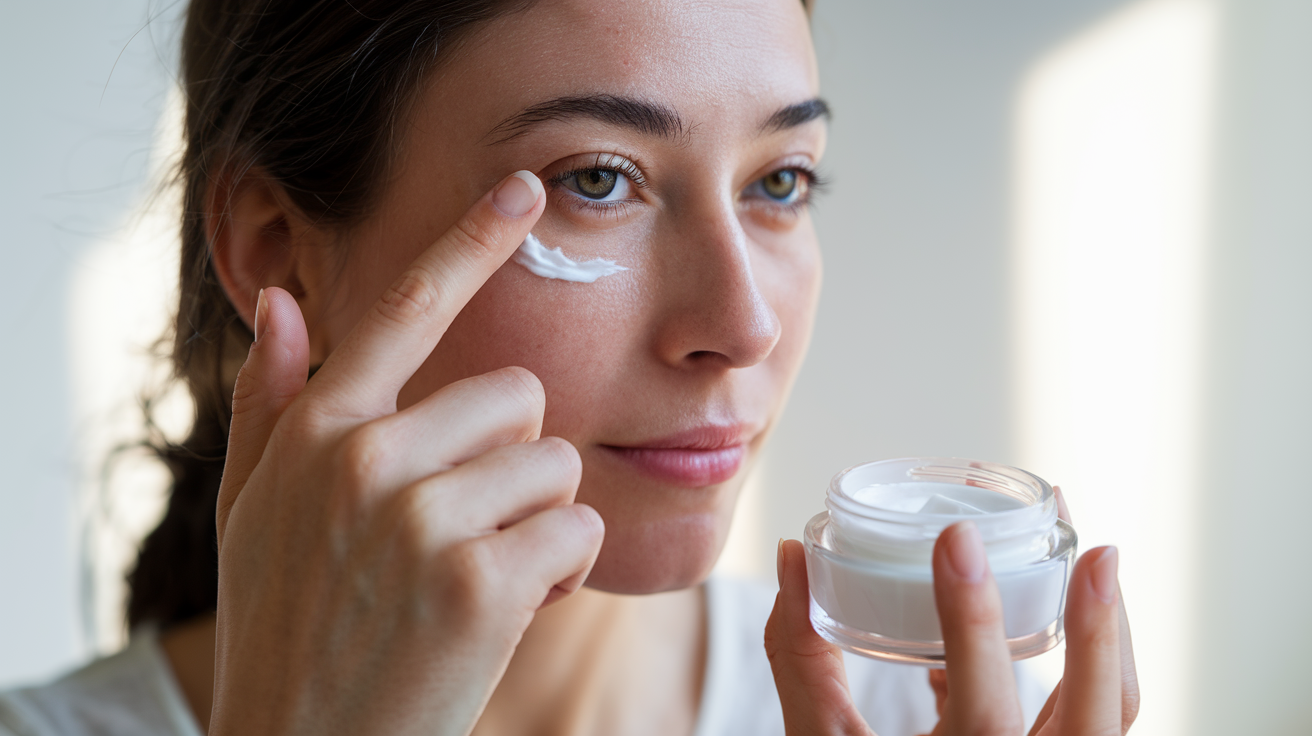
Ever stood in front of your bathroom mirror with a jar of face cream, wondering if you really need a separate product for your under-eyes? You're not alone. With eye creams often costing twice as much as face moisturizers, it's tempting to skip the extra step and just use what you already have.
But before you start dabbing your rich night cream around your orbital bone, there's more to this question than just marketing hype. The skin under your eyes is genuinely different from the rest of your face, and what works beautifully on your cheeks might not play as nicely with that delicate under-eye area.
Why the Eye Area Needs Different Care Than Your Face
The skin around your eyes is about ten times thinner than the skin on your cheeks. Think of it like the difference between silk and denim. This ultra-thin tissue has fewer oil glands, less collagen support, and almost no fat cushioning underneath.
Because this area is so delicate, it shows signs of aging faster. Fine lines, darkness, and puffiness appear here first, often years before you notice changes elsewhere on your face. The skin is also in constant motion—you blink around 15,000 times per day, which creates repetitive creasing.
Your regular face cream was formulated with thicker, more resilient skin in mind. It's designed to penetrate and deliver ingredients to areas that can handle stronger concentrations and richer textures. The under-eye zone simply doesn't have the same tolerance.
The pH and Ingredient Differences Between Face and Eye Creams
Eye creams typically have a more neutral pH level, usually between 6.5 and 7.5, closer to the natural pH of tears. This helps prevent irritation and stinging. Many face creams, especially those with active ingredients, sit at a lower pH—sometimes as low as 3.5 or 4—to help ingredients like vitamin C or glycolic acid work effectively.
When it comes to ingredient concentration, eye creams dial things down. A face serum might contain 10% niacinamide, while an eye product would use 2-5%. The same goes for retinol: face products often feature 0.5-1% concentrations, whereas eye-specific formulas stick to 0.01-0.1%.
Face creams also commonly include potentially irritating ingredients like fragrance, essential oils, chemical sunscreen filters, or high percentages of exfoliating acids. These can cause puffiness, redness, or watering eyes when applied too close to the lash line. For guidance on choosing gentler formulations, check out this affiliate one.
Eye creams are specifically formulated to avoid migration into the eye itself. They're usually thicker and less likely to travel with your body heat or natural moisture.
Tired of seeing under-eye lines before you see yourself?
If the tiny creases under your eyes make you look more tired than you feel, this guide shows the simple under-eye routine that helps soften the look of dry lines, crepey texture, and tired skin without guessing or wasting weeks on random products.
What Happens When You Use Face Cream Under Your Eyes
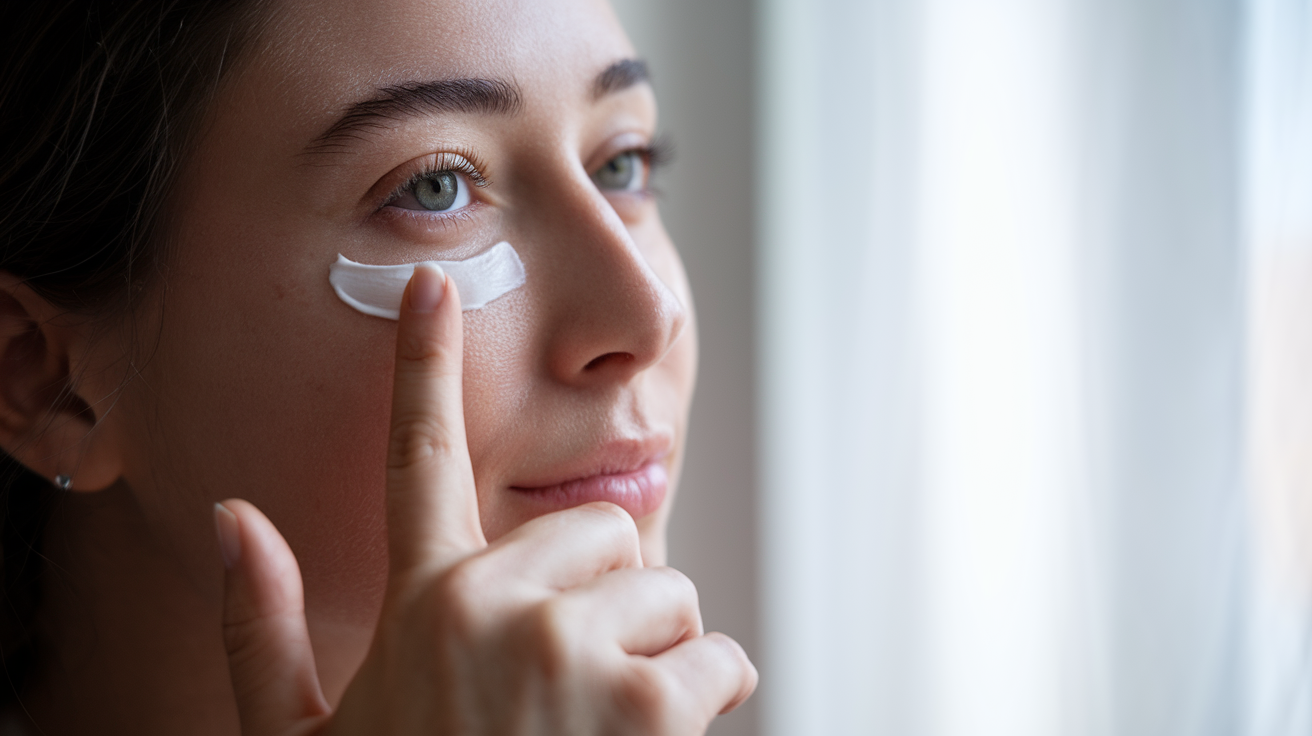
The most immediate reaction you might notice is stinging or watering. Even if your face cream doesn't burn on your cheeks, the thinner skin and proximity to your actual eyeball can trigger sensitivity. This is especially common with products containing retinoids, AHAs, BHAs, or high levels of active ingredients.
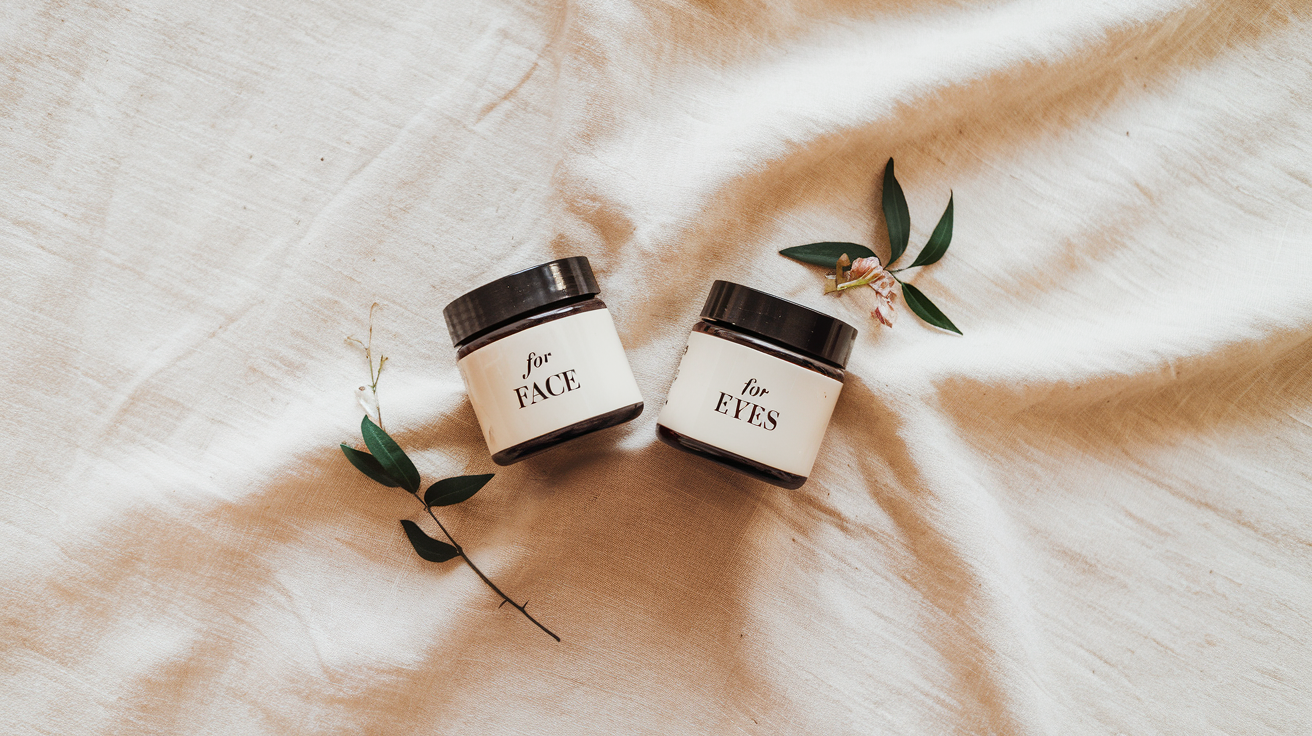
Some people experience puffiness the morning after using a rich face cream under their eyes. The delicate tissue there doesn't drain fluid as efficiently as other parts of your face, and heavy creams can trap moisture and create temporary swelling.
You might also notice milia—those tiny white bumps that look like seeds under the skin. These happen when the area gets congested with product that's too occlusive for such thin skin with minimal oil production. Face creams designed for drier skin types are common culprits.
On the flip side, some face creams are too lightweight for the under-eye area. A gel moisturizer that feels perfect on oily skin might not provide enough hydration for under-eyes, leaving them looking crepey or accentuating fine lines as the day goes on.
Makeup application can become trickier too. Face creams that sit on the surface or contain silicones might cause concealer to slip, crease, or look patchy.
When Face Cream Under Eyes Might Actually Work
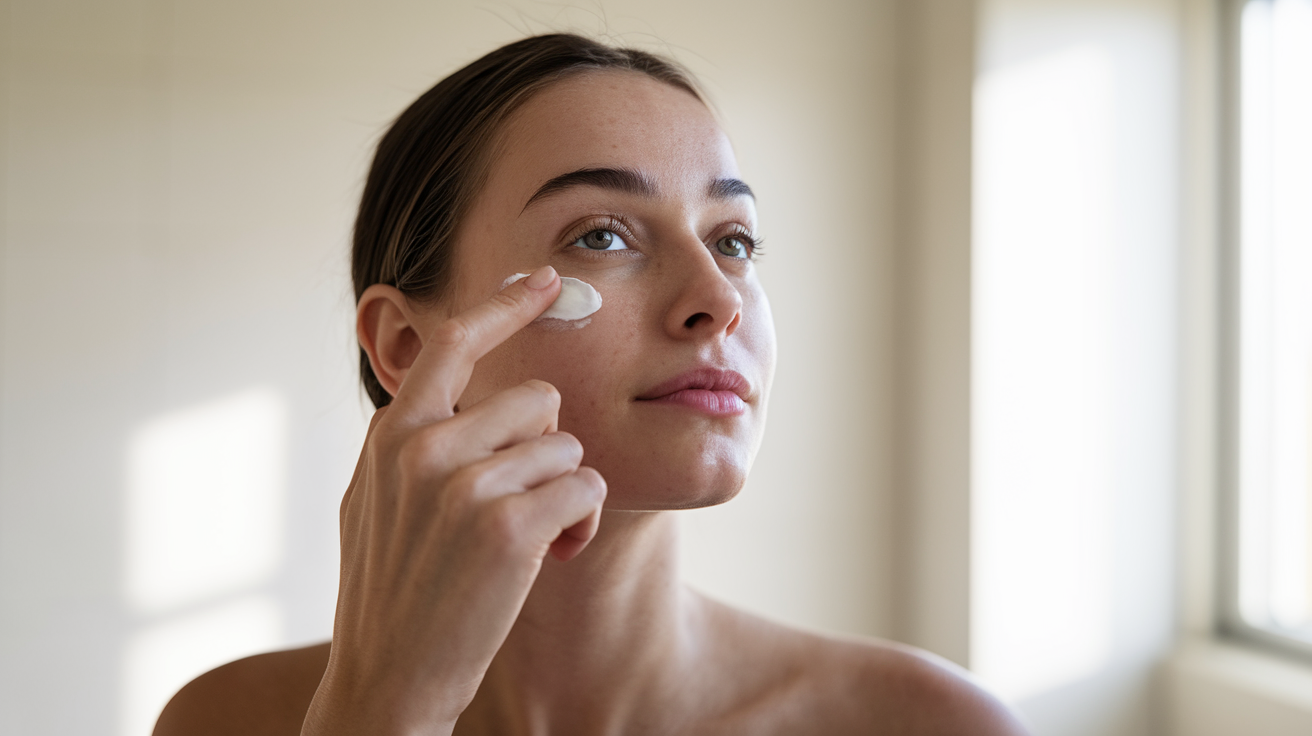
Not all face creams are created equal, and there are situations where using one under your eyes makes perfect sense. If you have a gentle, fragrance-free face moisturizer without strong actives, and your under-eye area isn't particularly sensitive, you might do just fine.
People with resilient skin who don't experience sensitivity or puffiness often successfully use their regular face cream everywhere. If you've been doing it for months without issues, there's no need to fix what isn't broken.
Simple, basic moisturizers with ingredients like hyaluronic acid, ceramides, squalane, or glycerin can work well all over the face, including under the eyes. These hydrators are typically gentle enough for the eye area while still providing moisture.
If you're looking for specific under-eye support beyond basic hydration—like help with darkness, puffiness, or a smoother-looking texture—that's when dedicated eye products make more sense. For more targeted strategies, this affiliate one can help you build a routine that addresses your specific concerns.
The key is paying attention to how your skin responds. If your under-eyes look plump and smooth in the morning with your current face cream, keep using it. But if you're dealing with irritation, puffiness, or that tired, crepey look no matter how much sleep you get, switching to a product formulated for that area might make a noticeable difference.
Your skincare doesn't have to be complicated or expensive to be effective. But giving the most delicate skin on your face the specific care it needs isn't just marketing—it's understanding what works for that unique area.