Disclosure: This post contains affiliate links. We may earn a commission at no extra cost to you.
How to Choose the Best Eye Cream for Puffiness and Wake Up Refreshed
Ever wake up, glance in the mirror, and wonder if you actually slept at all? Even after a full night's rest, puffy eyes can make you look exhausted. The good news is that the right eye cream—paired with a few simple habits—can help reduce the appearance of morning puffiness and help you look more like yourself again.
Choosing an eye cream for puffiness isn't about buying the most expensive jar on the shelf. It's about understanding what causes that swelling in the first place, knowing which ingredients actually address it, and applying your products in a way that supports drainage and circulation.
Understanding What Causes Under Eye Puffiness
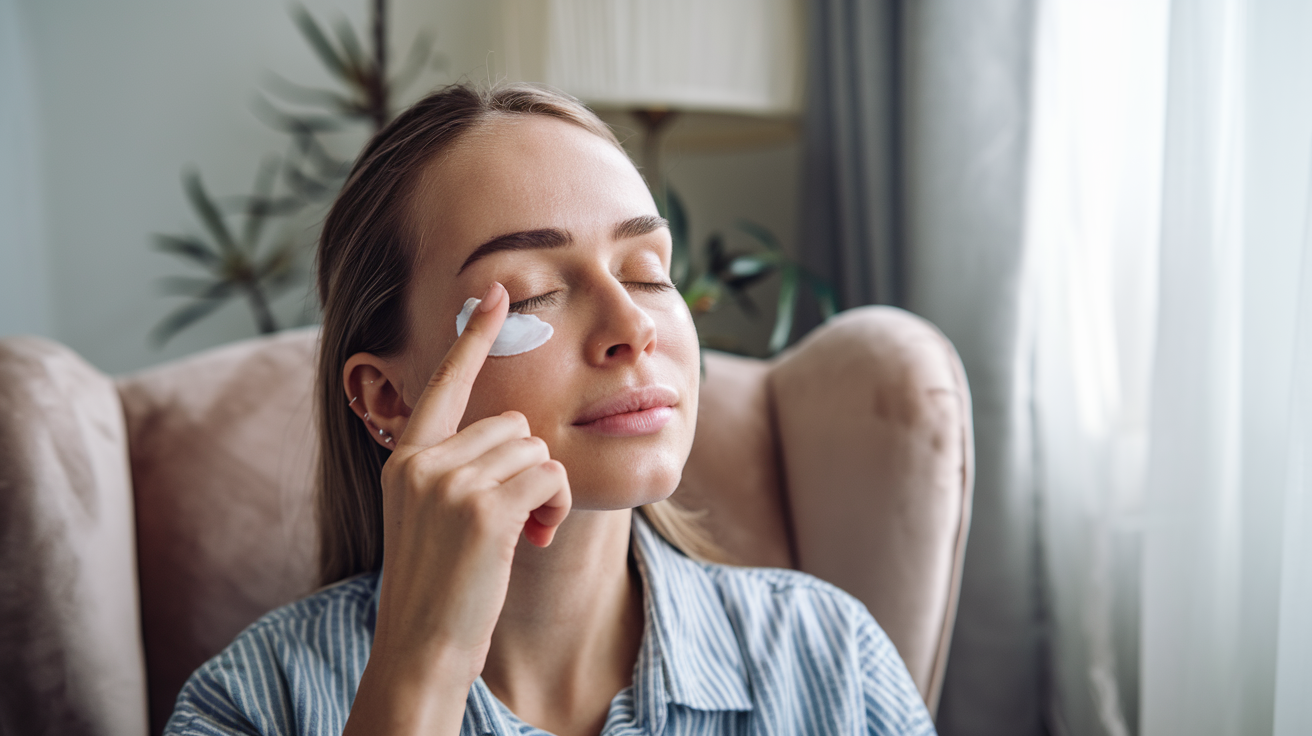
Before you can choose the right product, it helps to know why puffiness happens. The skin under your eyes is thinner than the rest of your face, which makes fluid retention and swelling more visible.
Common causes include sleeping flat without elevation, eating salty foods late at night, seasonal allergies, dehydration, and even genetics. As we age, the tissues around the eyes can weaken, making puffiness more pronounced.
Sometimes puffiness is temporary—like after a late dinner or a cry. Other times, it's a consistent morning issue tied to how your body holds onto fluid overnight. Understanding your specific triggers can help you choose products and routines that actually make a difference.
If you're dealing with both puffiness and fine lines around the eyes, you might benefit from a more comprehensive approach. For a full breakdown of how to address multiple under-eye concerns at once, check out this affiliate one.
Key Ingredients That Actually Reduce Puffiness
Not all eye creams are created equal. When you're shopping for puffiness relief, look for formulas with ingredients that support circulation, calm inflammation, and help move excess fluid.
Caffeine is one of the most effective ingredients for reducing the appearance of puffiness. It works by constricting blood vessels and encouraging lymphatic drainage, which can help minimize swelling.
Peptides help support the skin's structure and can improve the look of firmness over time. While they won't drain fluid instantly, they can help the under-eye area look less slack and more toned with consistent use.
Niacinamide is a multi-tasker that helps calm irritation, brighten the look of dark circles, and support the skin barrier. A stronger barrier means less sensitivity and less reactivity, which can reduce morning swelling.
Hyaluronic acid hydrates without heaviness. Well-hydrated skin looks plumper and smoother, which can make puffiness less obvious.
Arnica and chamomile are botanical extracts known for their soothing properties. They can help calm the look of redness and irritation that sometimes accompanies puffiness.
Look for lightweight gel or serum textures rather than thick creams. Heavy formulas can sometimes trap heat and make puffiness worse, especially if applied too close to bedtime.
Tired of seeing under-eye lines before you see yourself?
If the tiny creases under your eyes make you look more tired than you feel, this guide shows the simple under-eye routine that helps soften the look of dry lines, crepey texture, and tired skin without guessing or wasting weeks on random products.
How to Apply Eye Cream to Minimize Swelling
Even the best eye cream won't work if you're applying it the wrong way. Technique matters when you're trying to reduce the appearance of puffiness.
Start by storing your eye cream in the fridge. The cool temperature helps constrict blood vessels and feels instantly soothing on swollen skin.
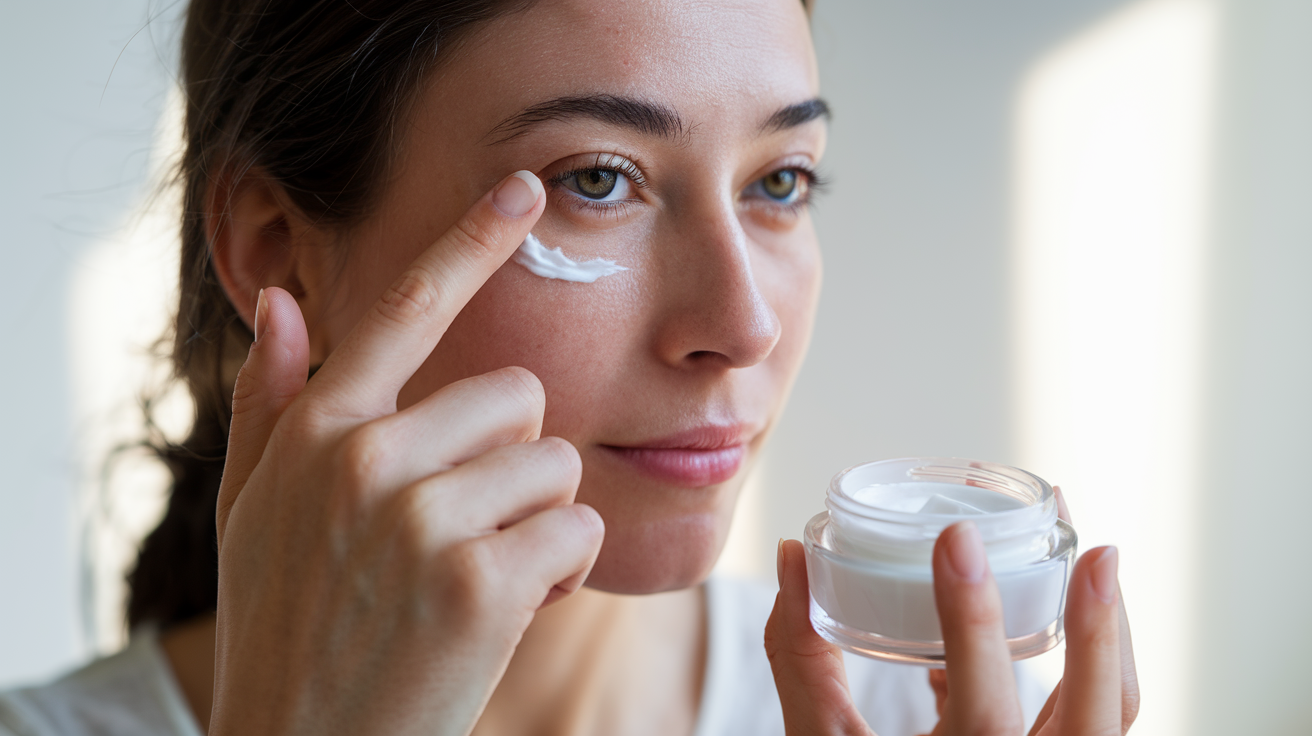
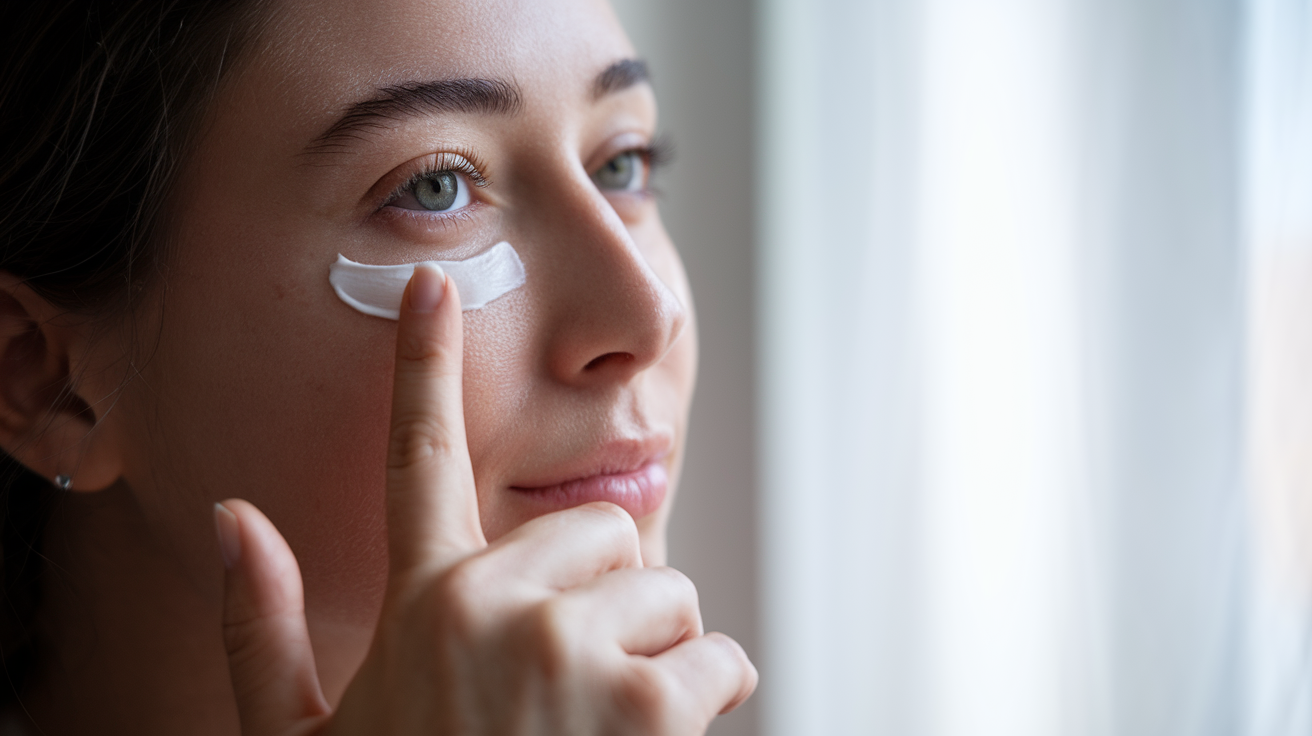
Use your ring finger to apply product. It's the weakest finger, which means you're less likely to tug or pull on delicate skin. Dot a small amount along the orbital bone—not directly on the eyelid or too close to the lash line.
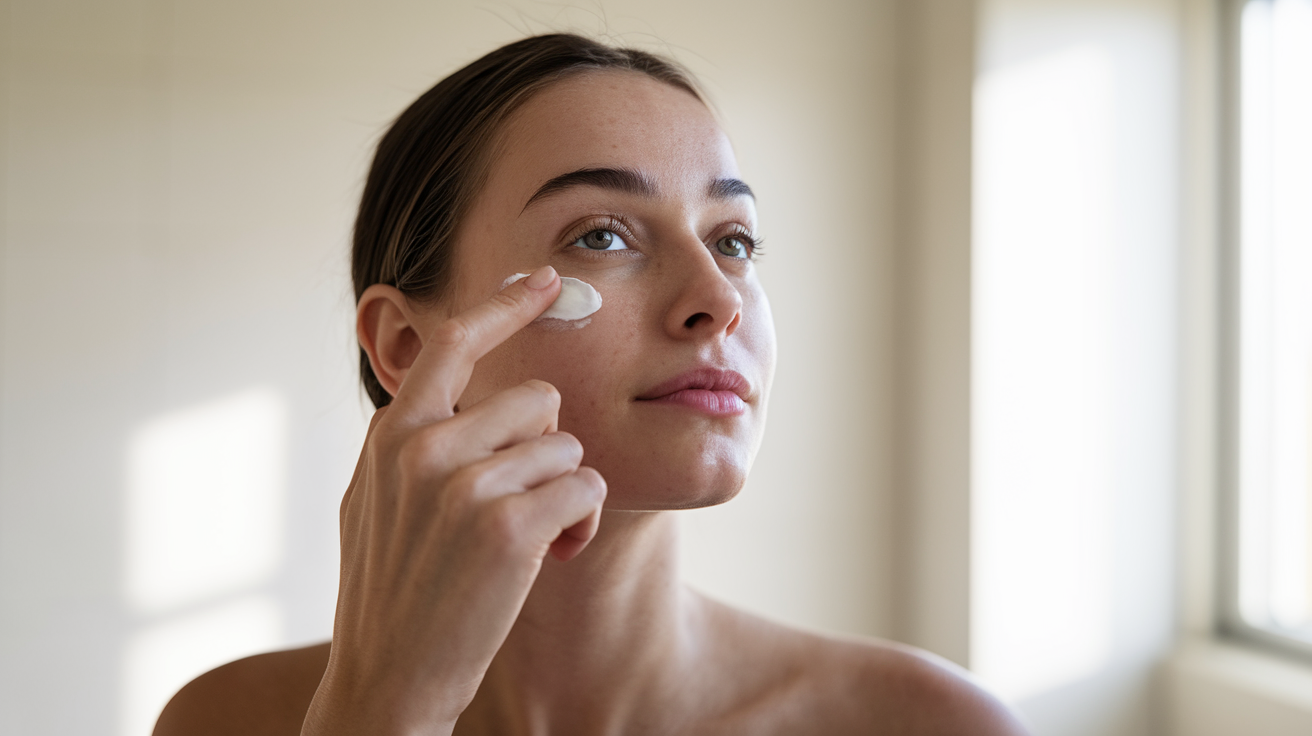
Gently tap the product in using a light patting motion. This encourages circulation and lymphatic drainage. Avoid rubbing or dragging, which can cause irritation and make puffiness worse.
Work from the inner corner outward, moving toward the temples. This follows the natural direction of lymphatic flow and can help encourage fluid to drain rather than pool.
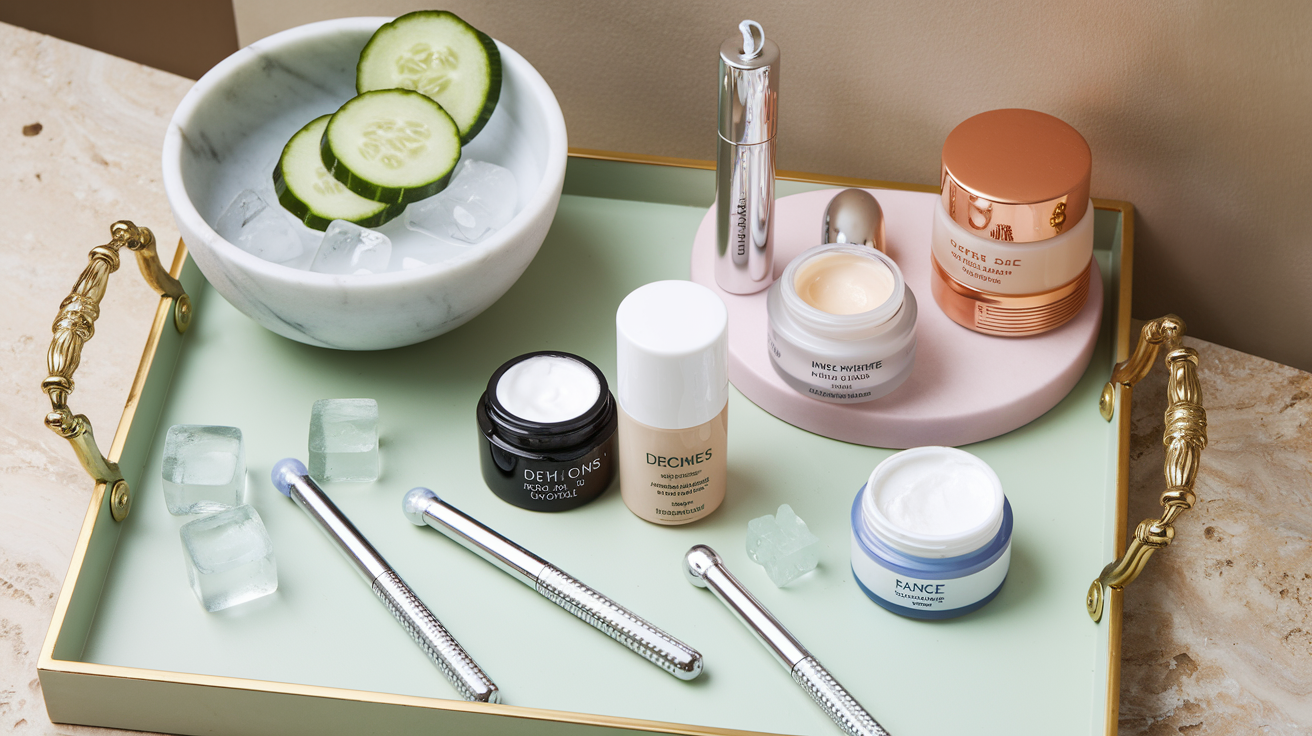
If you're dealing with stubborn puffiness, try using a chilled jade roller or metal eye wand after applying your cream. The combination of cool pressure and movement can help reduce the appearance of swelling even more.
Apply eye cream twice a day—once in the morning and once at night. Morning application helps reduce overnight puffiness, while nighttime use supports skin repair and hydration while you sleep.
Creating a Puffiness-Fighting Skincare Routine
Eye cream is important, but it works best as part of a bigger routine. A few simple tweaks to your daily habits can make a noticeable difference in how your under-eye area looks each morning.
Start by elevating your head while you sleep. Adding an extra pillow or using a wedge pillow can prevent fluid from pooling under your eyes overnight.
Watch your sodium intake, especially in the evening. Salty snacks and meals can cause your body to retain water, which shows up as puffiness the next morning.
Stay hydrated throughout the day. It sounds counterintuitive, but drinking enough water actually helps your body flush out excess sodium and reduce fluid retention.
Use a gentle cleanser morning and night. Harsh cleansers can strip the skin and trigger inflammation, which can worsen puffiness and sensitivity.
Consider adding a hydrating serum under your eye cream. Layering a lightweight hyaluronic acid serum before your puffiness-fighting cream can boost hydration without adding heaviness.
If allergies are a trigger for you, talk to a healthcare provider about managing symptoms. Seasonal allergies can cause chronic under-eye swelling that no cream can fully address on its own.
Be consistent. Puffiness-fighting ingredients work best with regular use. Give your routine at least four to six weeks before deciding whether it's working for you.
If you're looking for more detailed guidance on building a complete under-eye skincare routine that addresses puffiness, fine lines, and tired-looking skin, this affiliate one walks you through each step.
Waking up with puffy eyes doesn't mean you're stuck looking tired all day. With the right ingredients, proper application, and a few smart lifestyle tweaks, you can help your under-eye area look smoother, calmer, and more refreshed.