Disclosure: This post contains affiliate links. We may earn a commission at no extra cost to you.
Should You Change Your Eye Cream With The Seasons? What Experts Say
Have you ever noticed your eye cream feels perfect in July but seems to sink right into your skin without doing much by December? Or maybe your winter eye cream feels too heavy when the warm weather hits?
Your under-eye skin is thinner and more delicate than the rest of your face. It reacts faster to environmental shifts like humidity changes, cold wind, indoor heating, and UV exposure. The same eye cream that keeps your under-eye area looking smooth and hydrated in one season might not give you the same results in another.
So should you actually swap your eye cream when the seasons change? Most skincare experts say yes—and here's how to do it without overcomplicating your routine.
Why Your Under Eye Skin Reacts Differently to Seasonal Changes
The skin under your eyes is about ten times thinner than the skin on your cheeks. It has fewer oil glands, less collagen support, and almost no fat cushion underneath. That makes it one of the first areas to show signs of dryness, dehydration, or irritation when your environment changes.
In winter, cold air outside and heated air inside pull moisture out of your skin. Your under-eye area can start looking crepey, tight, or flaky. Fine lines may look more visible because the skin lacks the plumpness that hydration provides.
In summer, humidity increases, but so does sun exposure and sweat. Lightweight hydration becomes more important than heavy oils. You also need more antioxidant and SPF protection to help reduce the appearance of sun damage over time.
Spring and fall sit somewhere in between. Your skin may feel confused as temperatures swing from warm to cool. This is when a flexible routine helps you adjust without buying a dozen new products.
Understanding these shifts helps you choose eye creams that actually support your skin instead of just sitting on top of it.
Summer Eye Cream Essentials: Lightweight and Protective Formulas
Summer eye creams should feel breathable. Heavy balms and thick butters can feel greasy in heat and humidity, and they may even cause milia or clogged pores around the delicate eye area.
Look for gel-cream textures or serums that absorb quickly. Ingredients like hyaluronic acid, niacinamide, and caffeine work well in warmer months. Hyaluronic acid pulls moisture into the skin without adding oil. Niacinamide helps brighten and calm. Caffeine can temporarily reduce the appearance of puffiness.
Antioxidants are especially helpful in summer. Vitamin C, green tea extract, and resveratrol can help protect the under-eye area from environmental stressors like UV rays and pollution. These don't replace sunscreen, but they add an extra layer of support.
Speaking of sunscreen—yes, you need it around your eyes too. Use a mineral sunscreen that's safe for sensitive skin, or wear sunglasses with UV protection. Sun damage is one of the biggest contributors to the appearance of fine lines and uneven tone around the eyes.
If you're looking for a simple system that takes the guesswork out of choosing the right products for your skin, check out this affiliate one that walks you through how to build a routine that actually works for your under-eye area.
Tired of seeing under-eye lines before you see yourself?
If the tiny creases under your eyes make you look more tired than you feel, this guide shows the simple under-eye routine that helps soften the look of dry lines, crepey texture, and tired skin without guessing or wasting weeks on random products.
Winter Eye Care: Rich Hydration for Harsh Weather Protection
Winter is when your under-eye area needs the most moisture support. Cold wind, low humidity, and indoor heating can leave the skin feeling tight, rough, and irritated. Fine lines may look deeper simply because the skin is dehydrated.
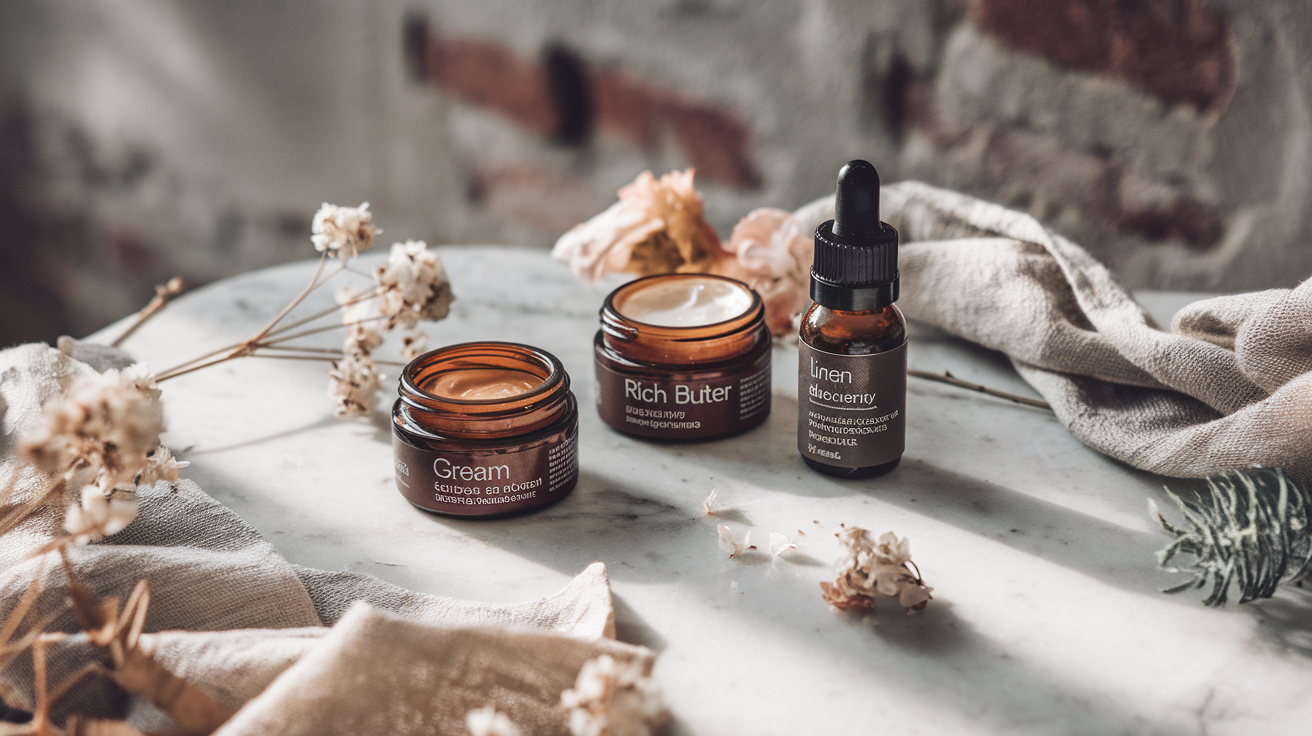
This is the time to reach for richer textures. Look for eye creams with ceramides, peptides, squalane, or shea butter. These ingredients help reinforce your skin's moisture barrier and lock in hydration longer.
Ceramides are especially useful in winter. They help repair the skin barrier, which can become damaged from harsh weather. A strong barrier means your skin holds onto moisture better and looks smoother over time.
Peptides may help support the skin's natural collagen production, which can contribute to firmer-looking skin around the eyes. They work best when used consistently over weeks and months, not overnight.
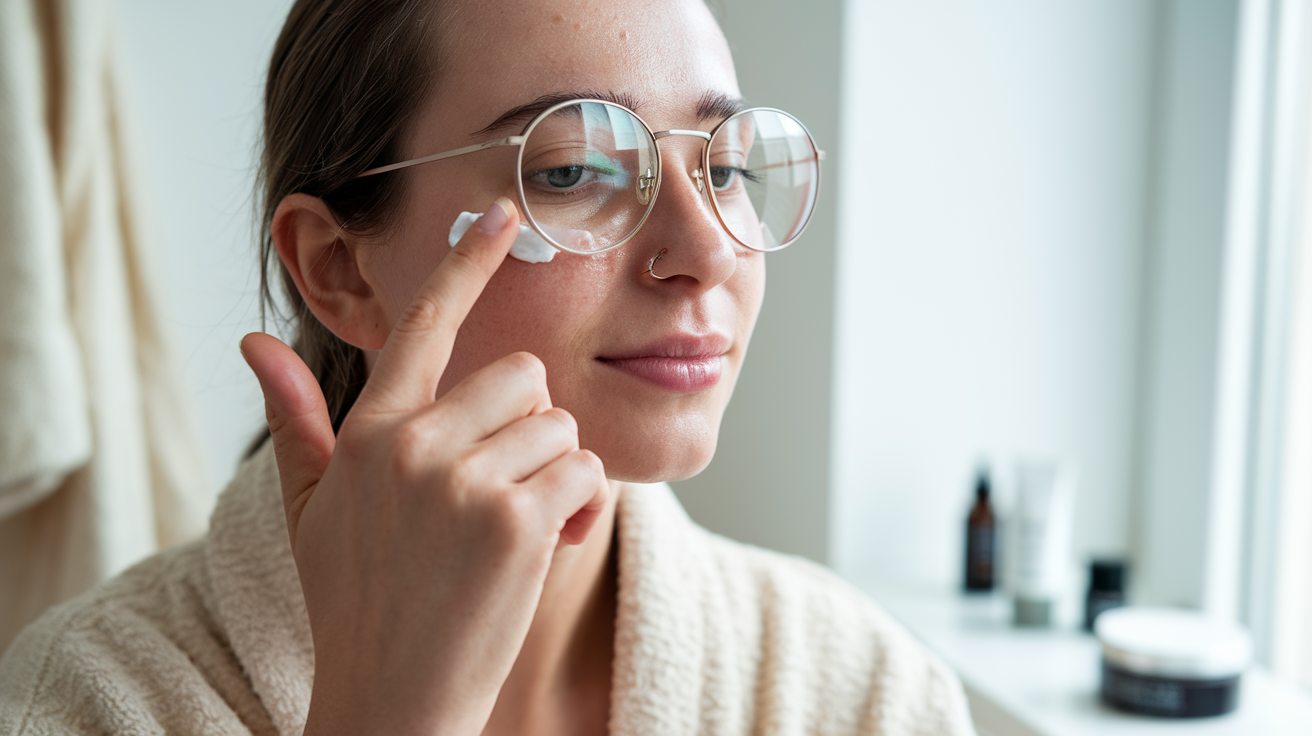
You might also want to layer your winter eye care. Start with a hydrating serum, then follow with a richer cream. This gives your skin both water-based hydration and oil-based protection.
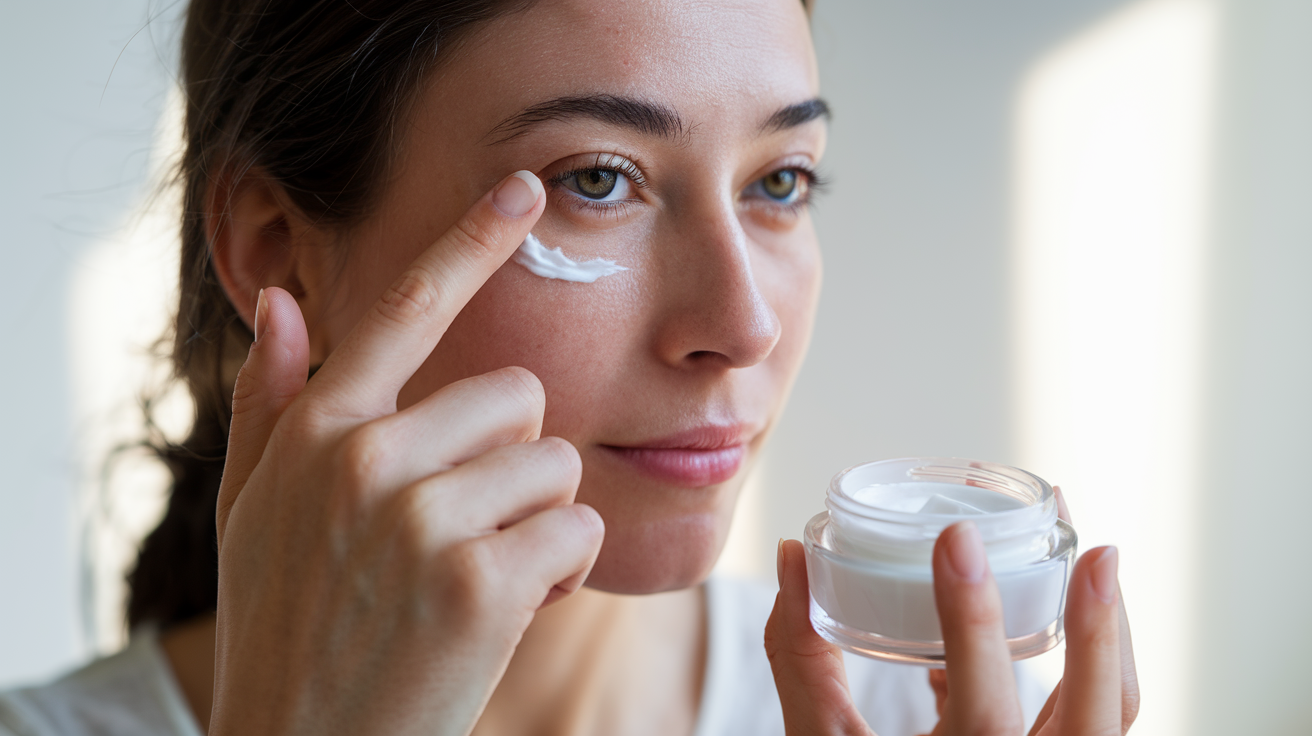
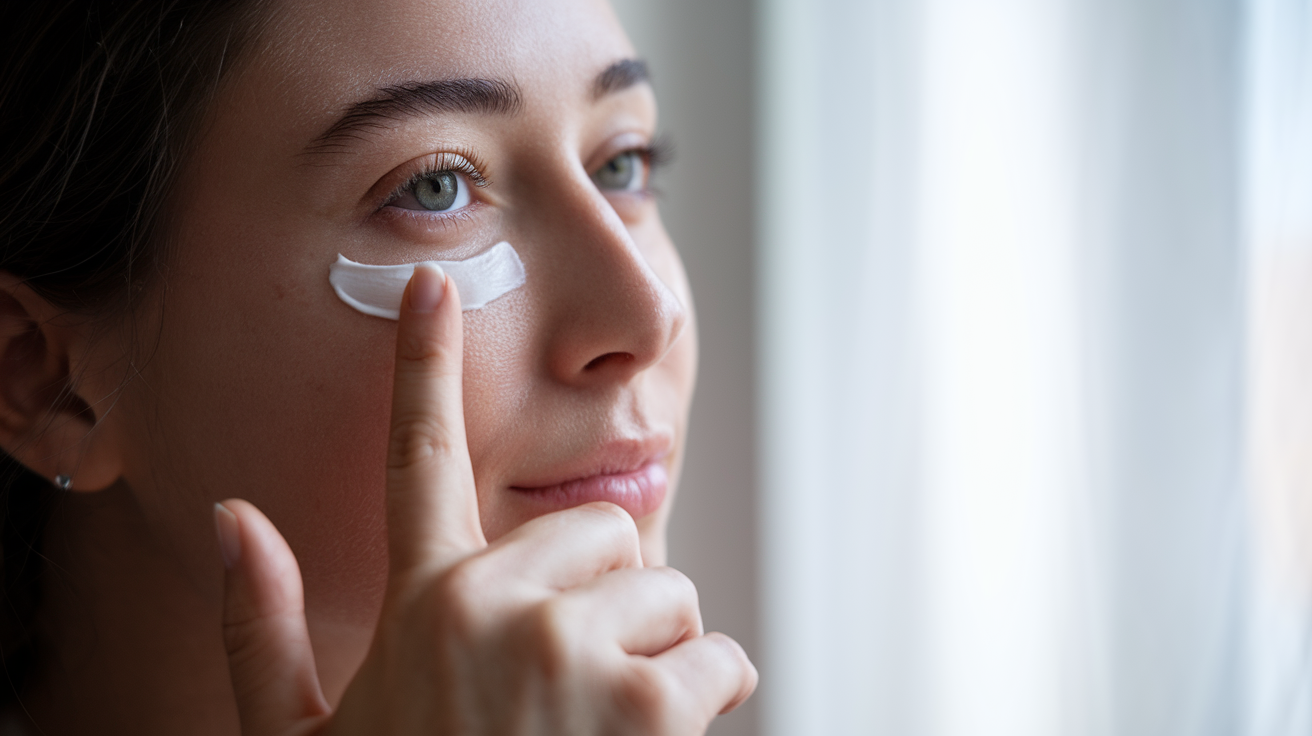
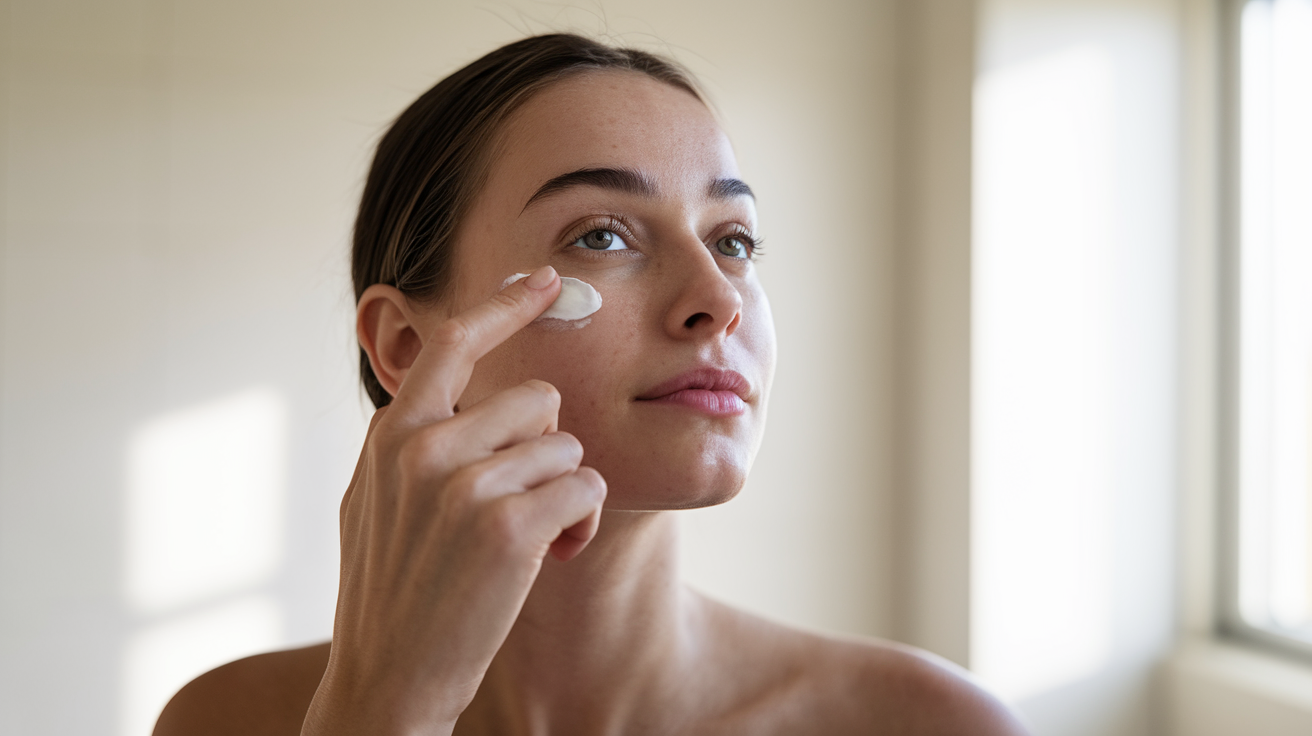
Don't forget to apply your eye cream gently. Pat it on with your ring finger instead of rubbing or pulling. The under-eye skin is fragile, and tugging can contribute to the appearance of sagging or looseness over time.
Spring and Fall Transition: Adjusting Your Eye Area Routine
Spring and fall are tricky. One day it's chilly, the next it's warm. Your skin might feel dry in the morning and oily by afternoon. This is when a flexible approach works best.
Consider using a medium-weight eye cream that offers hydration without feeling too heavy. Gel-creams with hyaluronic acid, glycerin, and a light occlusive like dimethicone work well during transitional months.
You can also adjust how much product you use instead of switching formulas entirely. Use a thicker layer on cold mornings and a thinner layer on warmer days. This gives you control without buying new products every few weeks.
Pay attention to how your skin feels. If your under-eye area looks flaky or feels tight, add more moisture. If it looks shiny or feels greasy, lighten up. Your skin will tell you what it needs if you listen.
Spring is also a good time to start incorporating more antioxidants again as UV exposure increases. Fall is when you might want to add back richer textures as the air gets drier.
If you're not sure where to start or what ingredients to look for, this affiliate one breaks down the essentials in a way that makes sense for real people, not just skincare scientists.
Changing your eye cream with the seasons isn't about buying more products for the sake of it. It's about supporting your skin through environmental changes so it looks and feels its best year-round. A little flexibility goes a long way when it comes to keeping your under-eye area looking smooth, hydrated, and less tired-looking no matter what the weather does.