Disclosure: This post contains affiliate links. We may earn a commission at no extra cost to you.
Should You Apply Eye Cream Before or After Moisturizer? The Right Order Revealed
Published October 17, 2026
Are you layering your skincare products in the right order? If you're applying eye cream after your face moisturizer, you might be blocking the ingredients from reaching the delicate skin around your eyes. The order you apply your products can make a real difference in how well they work—and when it comes to under-eye skin, the sequence matters more than you might think.
Why Product Order Matters for Under Eye Skin
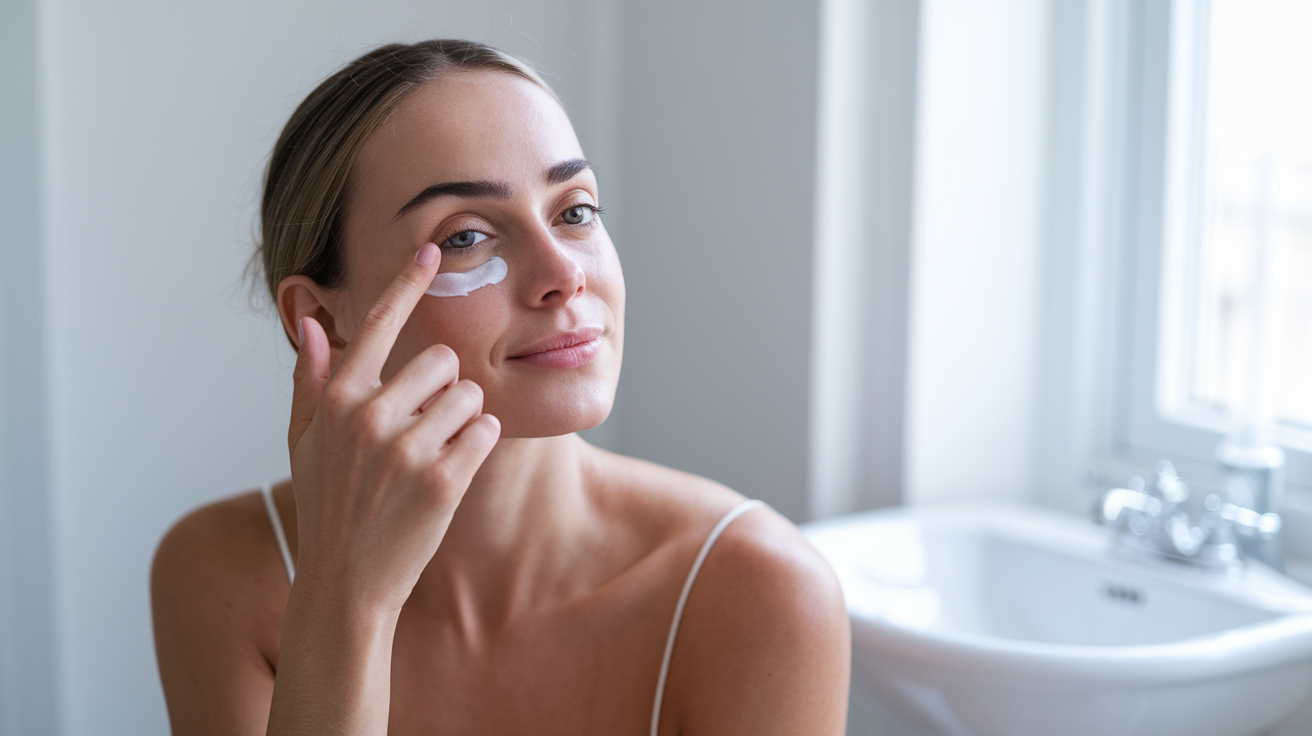
The skin around your eyes is different from the rest of your face. It's thinner, more delicate, and has fewer oil glands. That means it can show dryness, fine lines, and texture changes earlier and more visibly than other areas.
When you layer skincare, the general rule is to go from thinnest to thickest texture. Why? Because lighter formulas can't penetrate through heavier ones. If you apply a thick moisturizer first, your eye cream sits on top instead of absorbing into the skin.
Think of it like painting a wall. If you put the topcoat on first, the primer can't do its job underneath. Skincare works the same way. The delicate under-eye area needs its targeted ingredients to reach the skin—not just sit on the surface.
Most eye creams are formulated to be lighter than face moisturizers. They're designed with the thin under-eye skin in mind. Face creams, on the other hand, tend to be richer and create more of a barrier. That barrier is helpful for locking in moisture on your cheeks and forehead, but if it goes on first, it can block your eye cream from doing what it's meant to do.
Tired of seeing under-eye lines before you see yourself?
If the tiny creases under your eyes make you look more tired than you feel, this guide shows the simple under-eye routine that helps soften the look of dry lines, crepey texture, and tired skin without guessing or wasting weeks on random products.
The Correct Sequence: Eye Cream Before Moisturizer
Here's the simple answer: apply eye cream before your face moisturizer.
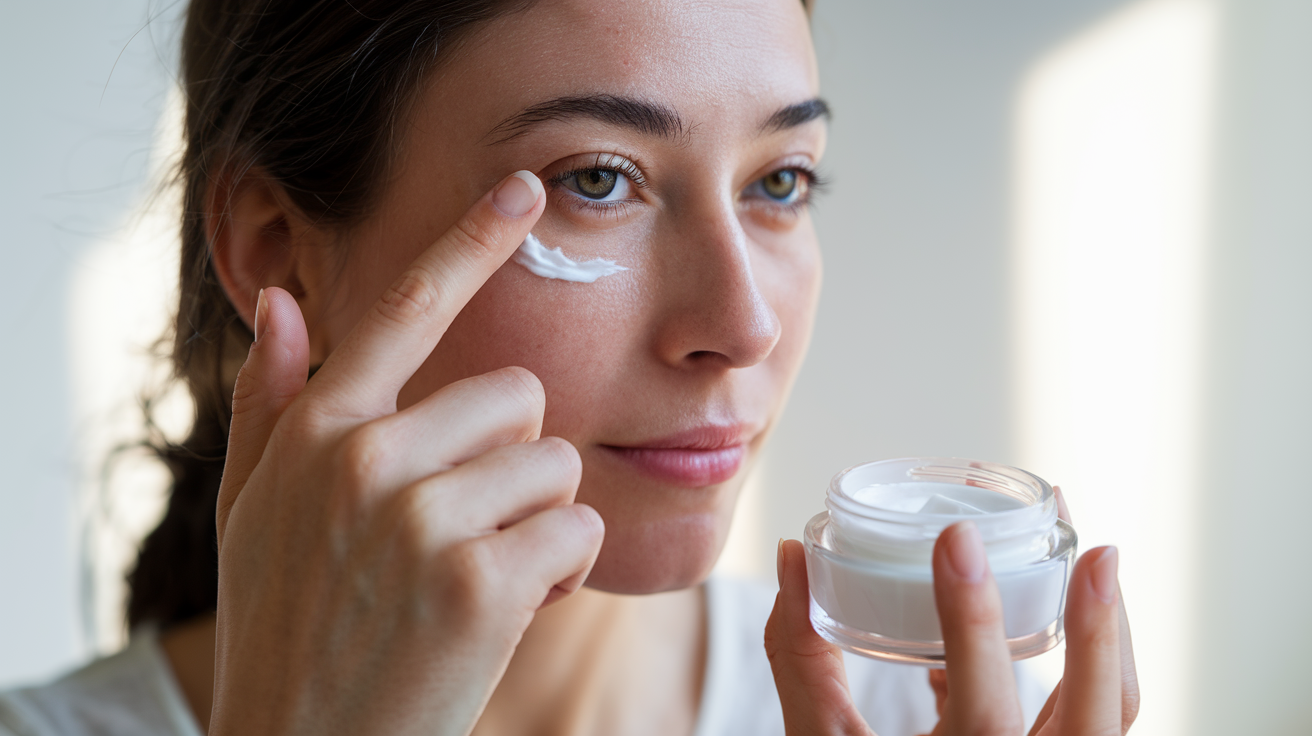
After you've cleansed and applied any serums or treatments, reach for your eye cream next. Gently pat it around the orbital bone—the bony area that circles your eye. Let it absorb for about 30 seconds to a minute.
Then apply your moisturizer to the rest of your face, avoiding the immediate eye area where you've already applied the eye cream. You can bring your moisturizer up to the outer edges if your skin feels dry there, but the under-eye zone should already be taken care of.
This sequence allows the eye cream's ingredients to make contact with your skin first. Whether your formula contains peptides, ceramides, hyaluronic acid, or antioxidants, you want those actives reaching the skin—not mixing with or sitting on top of a heavier cream.
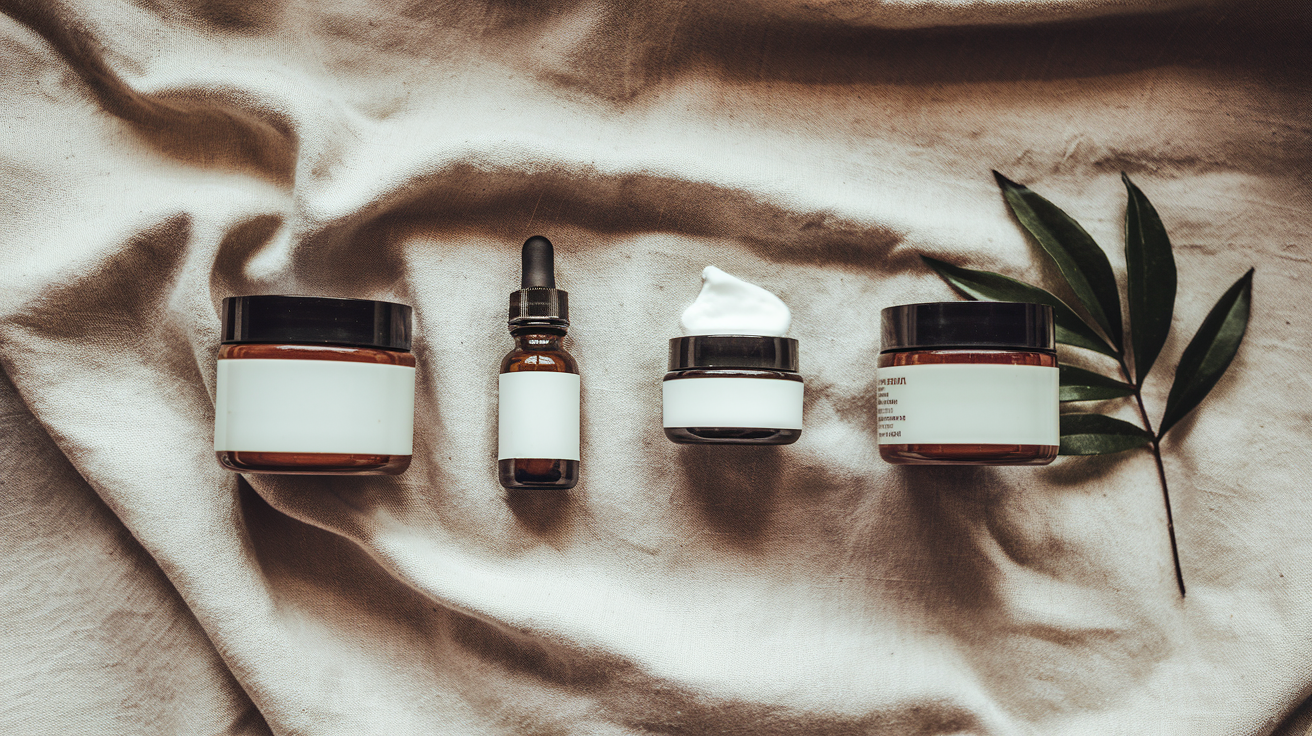
If you're using a thicker, balm-style eye treatment, you might apply it as your final step instead. But most modern eye creams are lightweight gels or lotions, which means they go on before your face moisturizer in the majority of routines.
Not sure which texture you have? If your eye cream is lighter and more fluid than your moisturizer, apply it first. If it's thicker and more occlusive, save it for last. When in doubt, check out affiliate one for product-specific layering tips.
How to Apply Eye Cream Properly for Maximum Absorption
Getting the order right is only half the equation. How you apply your eye cream also affects how well it works.
Start with a small amount—about the size of a grain of rice per eye. Eye creams are concentrated, and using too much can lead to pilling, irritation, or milia (those tiny white bumps that can form under the eyes).
Use your ring finger to apply the product. It's the weakest finger, which means you're less likely to tug or pull at the delicate skin. Tugging can contribute to the look of sagging or crepiness over time.
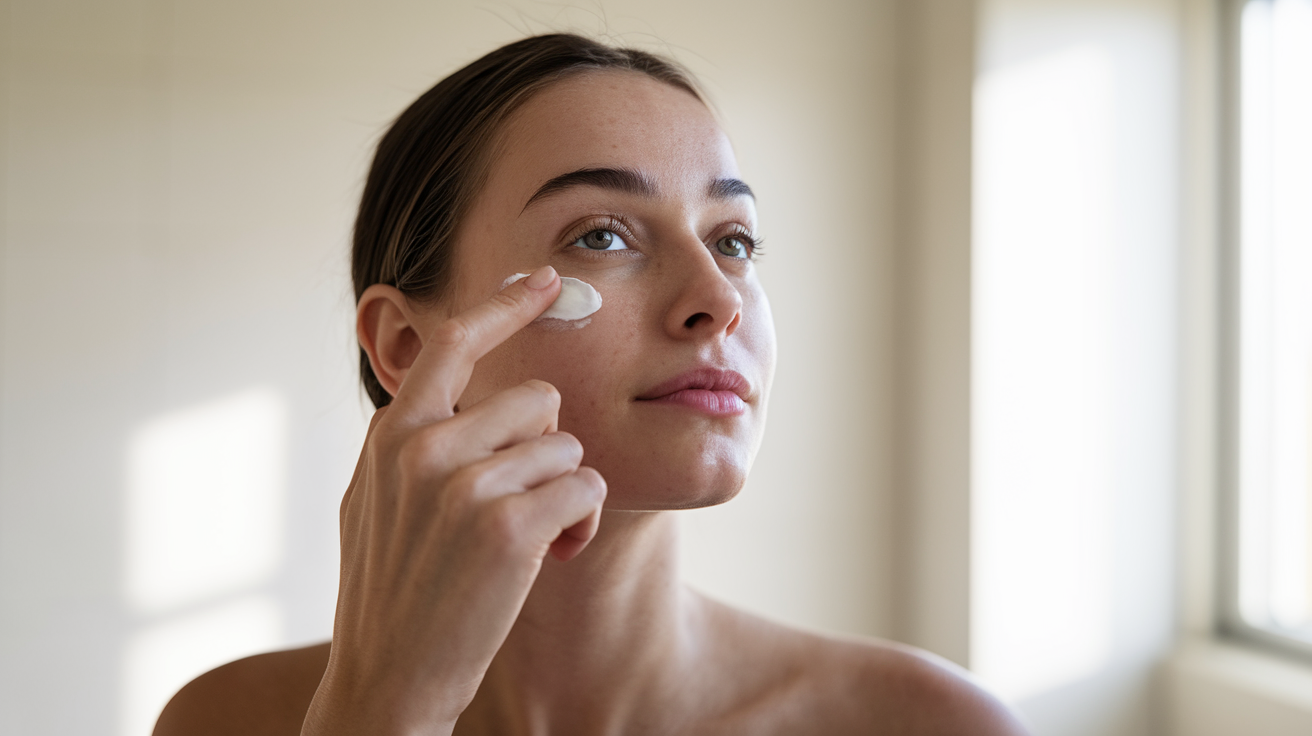
Gently tap or press the cream along the orbital bone, starting from the inner corner and moving outward. Don't rub or drag. Patting motions help the product absorb without stressing the skin.
Avoid putting eye cream directly on your eyelid unless the product specifically says it's safe for that area. Most eye creams are designed for the under-eye and outer corner, not the movable lid.
Give your eye cream a moment to sink in before moving to the next step. Layering too quickly can cause products to pill or mix together, reducing how well each one performs.
And remember—consistency matters more than perfection. Applying your eye cream in the right order most of the time will serve your skin better than skipping it entirely because you're not sure when to use it.
Common Layering Mistakes That Reduce Eye Cream Effectiveness
Even with the best intentions, it's easy to make small mistakes that interfere with how well your eye cream works.
One of the biggest mistakes is applying moisturizer first. As we covered, this creates a barrier that prevents your eye cream from absorbing properly. You're not getting the full benefit of the product—and you might wonder why your under-eye area still looks dry or lined.
Another common error is using too much product. More isn't better when it comes to eye cream. Excess product just sits on the surface, and it can migrate into your eyes, causing puffiness or irritation.
Skipping the eye area entirely with your other products is also a mistake. Some people avoid the under-eye zone when applying serums or hydrating toners, thinking the eye cream will handle everything. But if your eye cream doesn't contain hydrating or soothing ingredients, that area can still end up dry or irritated.
Rushing through application is another issue. If you don't give your eye cream time to absorb before piling on moisturizer, sunscreen, and makeup, the layers can mix and reduce effectiveness. A 30-second pause makes a difference.
Finally, not adjusting your routine for morning versus night can be a misstep. Some eye creams are better suited for nighttime because they're richer or contain ingredients that work overnight. If you're using a heavy cream in the morning, it might interfere with makeup or cause under-eye concealer to crease. Consider a lighter gel formula for daytime and save thicker creams for your evening routine.
If you're still not sure how to build a layering routine that works for your skin and lifestyle, affiliate one walks through the full process step by step.
Getting your skincare order right doesn't have to be complicated. Eye cream before moisturizer is a simple change that can help your products work the way they're meant to—and support smoother-looking, less tired-looking skin around your eyes over time.