Disclosure: This post contains affiliate links. We may earn a commission at no extra cost to you.
Can You Mix Retinol and Peptides in Your Eye Cream Routine? Expert Guide
Wondering if you can layer retinol and peptides around your eyes without causing irritation or wasting your money on products that cancel each other out?
The good news is that these two popular anti-aging ingredients can actually work well together when you use them correctly. But the delicate skin around your eyes needs a different approach than the rest of your face, and timing matters more than you might think.
This guide walks you through exactly how to combine retinol and peptides in your eye cream routine so you can potentially support smoother-looking skin without the guesswork.
Understanding Active Ingredients: What Retinol and Peptides Do for Your Eyes
Before you start mixing products, it helps to understand what each ingredient actually does.
Retinol is a vitamin A derivative that works by encouraging skin cell turnover. Around the eyes, it may help soften the appearance of fine lines and support a smoother texture over time. The catch? It can be drying and irritating, especially on the thin skin around your eyes.
Peptides are short chains of amino acids that act as building blocks for proteins like collagen and elastin. Different peptides serve different purposes. Some may help the skin look firmer, while others focus on hydration or reducing the appearance of tired-looking eyes.
The reason people ask about combining them is simple: retinol addresses texture and the look of fine lines, while peptides focus on supporting skin structure and moisture. Together, they target different aspects of aging-looking skin.
But combining actives around your eyes requires more caution than anywhere else on your face. The skin here is thinner, has fewer oil glands, and shows irritation faster.
The Science Behind Combining Eye Cream Actives Safely
Here's what matters when you're layering retinol and peptides near your eyes.
Most peptides are relatively gentle and work at a different pH level than retinol. This means they typically don't interfere with each other chemically. You won't create a reaction that neutralizes either ingredient just by using them in the same routine.
The real issue is irritation management. Retinol can make skin more sensitive, and the eye area is already prone to dryness, flaking, and redness when you overdo it.
If you're following an affiliate one that includes multiple actives, you'll want to introduce them slowly and pay attention to how your skin responds.
Start with peptides first. Use a peptide eye cream for at least two weeks before introducing retinol. This gives your skin time to adjust and helps you identify which product might be causing issues if irritation appears later.
When you add retinol, start with a low concentration—0.25% or lower—and use it only two nights per week. The eye area doesn't need the same strength you might use on your forehead or cheeks.
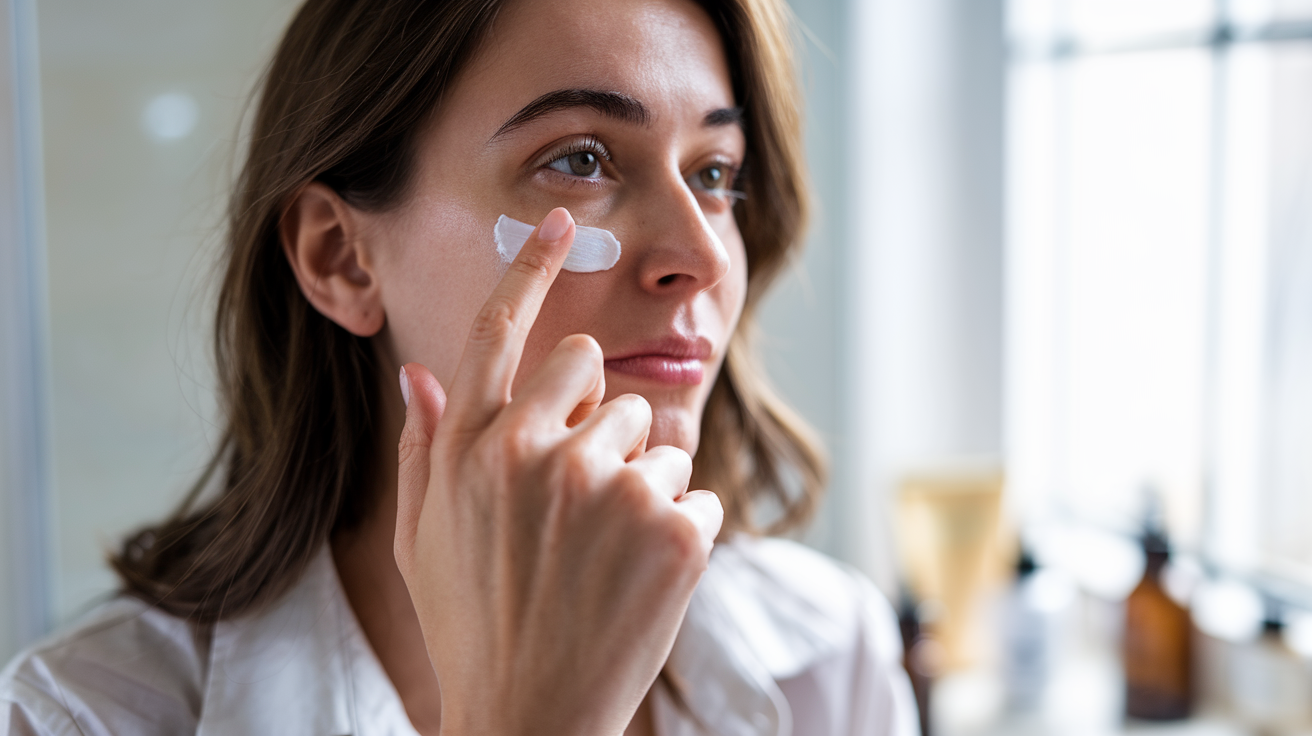
Tired of seeing under-eye lines before you see yourself?
If the tiny creases under your eyes make you look more tired than you feel, this guide shows the simple under-eye routine that helps soften the look of dry lines, crepey texture, and tired skin without guessing or wasting weeks on random products.
Step-by-Step Protocol for Layering Multiple Eye Treatments
Now let's get into the practical routine. This protocol assumes you're using separate products for peptides and retinol, which gives you more control over timing and strength.
Morning routine:
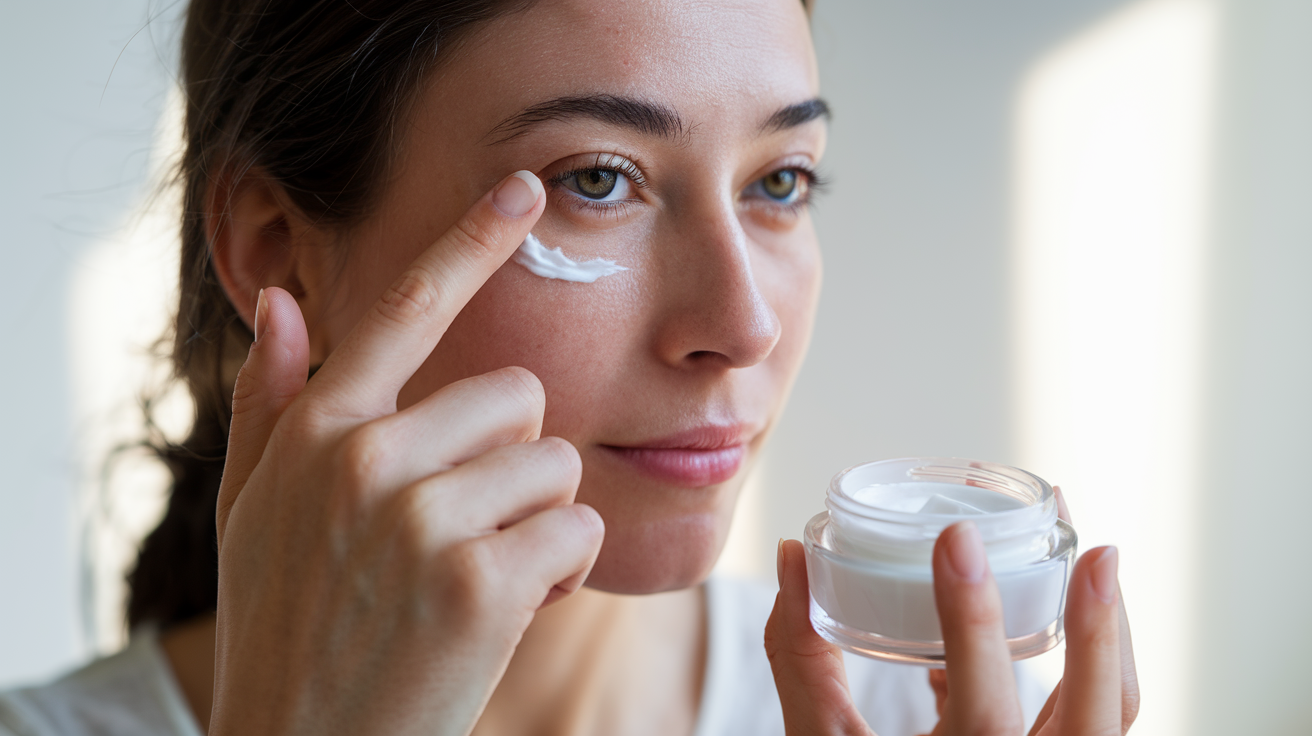
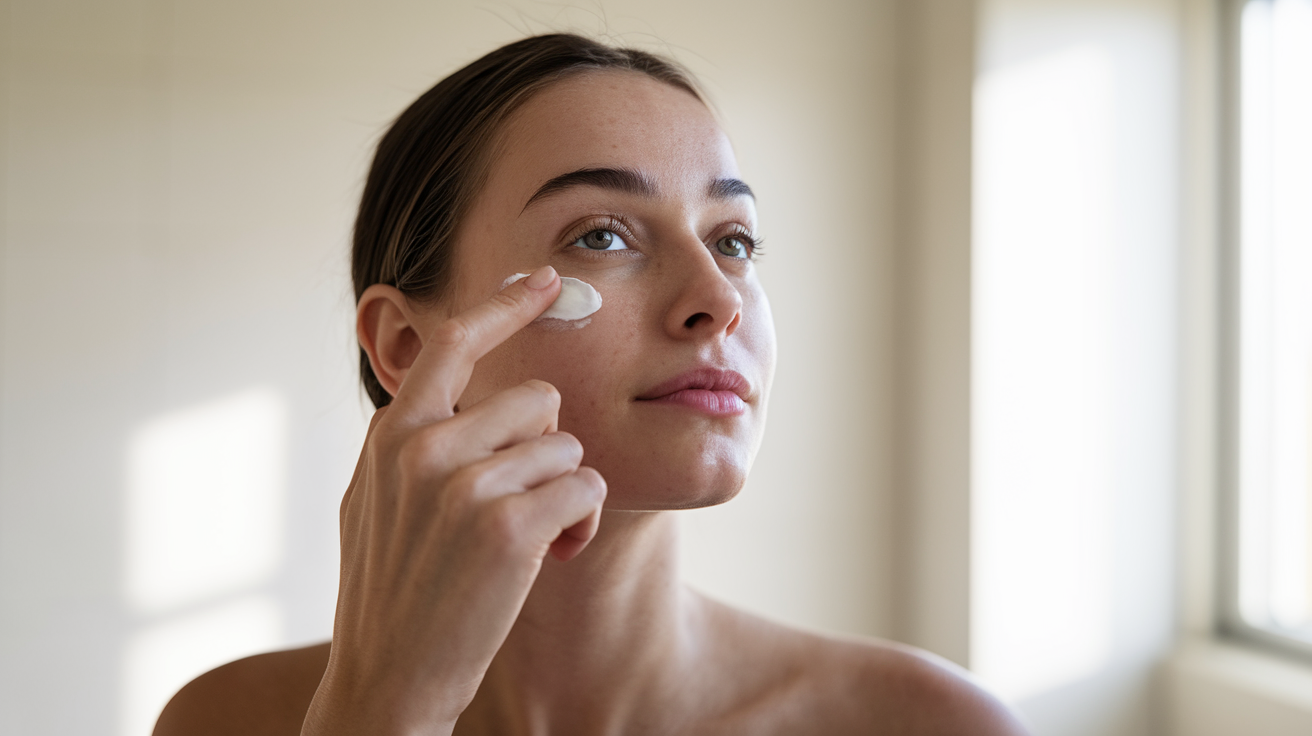
Apply your peptide eye cream after cleansing and toning. Pat it gently around the orbital bone—not directly on the eyelid or too close to the lash line. Let it absorb for 30 seconds, then follow with your regular moisturizer and SPF.
Skip retinol in the morning entirely. It can make skin more sensitive to sun exposure, and the eye area is especially vulnerable.
Evening routine:
After cleansing, apply your peptide eye cream first. Wait three to five minutes. This buffer time matters more around the eyes than elsewhere on your face.
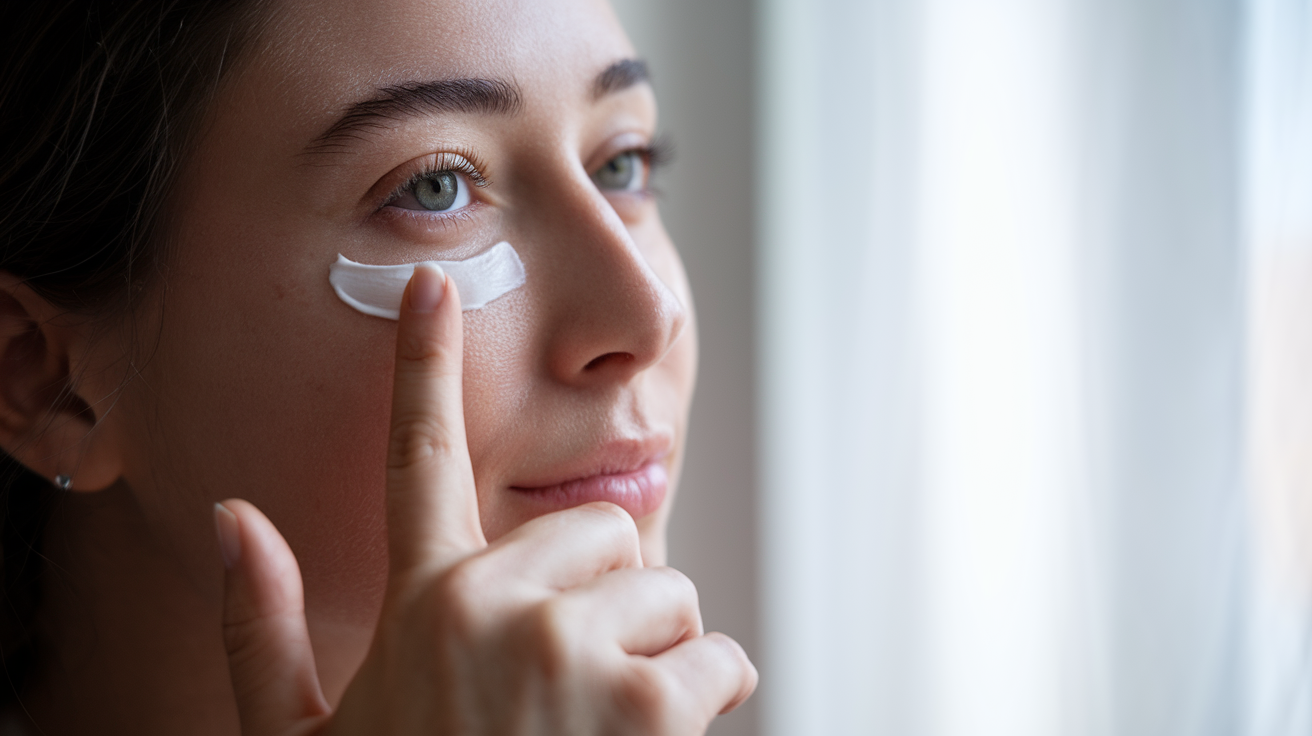
Then apply your retinol eye treatment. Use a rice-grain-sized amount for both eyes. Dot it along the orbital bone, staying at least half an inch away from your lash line. The product will naturally migrate slightly as you sleep, so you don't need to apply it right up to the edge.
If you're new to retinol or have sensitive skin, sandwich it between two layers of peptide cream. Apply peptides, wait, apply retinol, wait, then apply another thin layer of peptides on top. This buffering technique can reduce irritation without eliminating the benefits.
Use retinol only two to three nights per week when starting. After four weeks, you can increase to every other night if your skin tolerates it well. Many people find that three nights per week is the sweet spot for the eye area.
On retinol-free nights, you can use your peptide eye cream alone or add other gentler actives like niacinamide or hyaluronic acid.
Which Ingredient Combinations to Avoid Around Your Eyes
Not all skincare pairings work well near your eyes. Here are combinations that can cause problems.
Retinol and vitamin C: Using both in the same evening routine can be too harsh for the eye area. Vitamin C works best at a lower pH, and combining it with retinol can increase irritation. If you want both in your routine, use vitamin C in the morning and retinol at night.
Retinol and AHAs or BHAs: Chemical exfoliants like glycolic acid or salicylic acid should generally stay away from your eyes completely. Layering them with retinol is a fast track to redness, peeling, and sensitivity.
Multiple retinoids: Don't use a retinol eye cream and a separate retinol face serum that migrates to your eye area. This doubles your dose without giving you double the benefits, and it significantly increases irritation risk.
Benzoyl peroxide and retinol: If you use acne treatments containing benzoyl peroxide, keep them far away from your retinol eye routine. Benzoyl peroxide can deactivate retinol and cause unnecessary irritation.
One helpful resource is an affiliate one that maps out exactly which ingredients play well together and which ones need separate timing.
Watch for signs your routine is too strong: persistent redness, flaking that doesn't go away with moisturizer, increased sensitivity to other products, or a tight uncomfortable feeling around your eyes. If you notice any of these, scale back to peptides alone for a week, then reintroduce retinol at a lower frequency.
The eye area doesn't need aggressive treatment to look smoother and less tired over time. Consistency with gentle, well-combined products usually works better than high-strength formulas that you can't tolerate more than once a week.
Remember that results take time. You might notice your skin looks more hydrated within a week or two from peptides, but changes in texture and the appearance of fine lines typically take eight to twelve weeks of consistent use.
Patience and a methodical approach will serve you better than trying to rush results by layering too many actives too quickly.