Disclosure: This post contains affiliate links. We may earn a commission at no extra cost to you.
Is Expensive Eye Cream Really Better? 7 Price vs Performance Truths
You've probably stood in the skincare aisle staring at two eye creams. One is $15. The other is $150. The packaging on the expensive one looks luxurious, and the claims sound impressive. But does it actually work ten times better?
The truth about eye cream pricing is more complicated than most brands want you to know. Sometimes you're paying for breakthrough ingredients and cutting-edge research. Other times, you're funding celebrity endorsements and gold-foiled boxes that go straight in the trash.
Let's break down what you're really getting for your money so you can make smarter decisions about your under-eye skincare.
The Real Cost Breakdown: What You're Actually Paying For
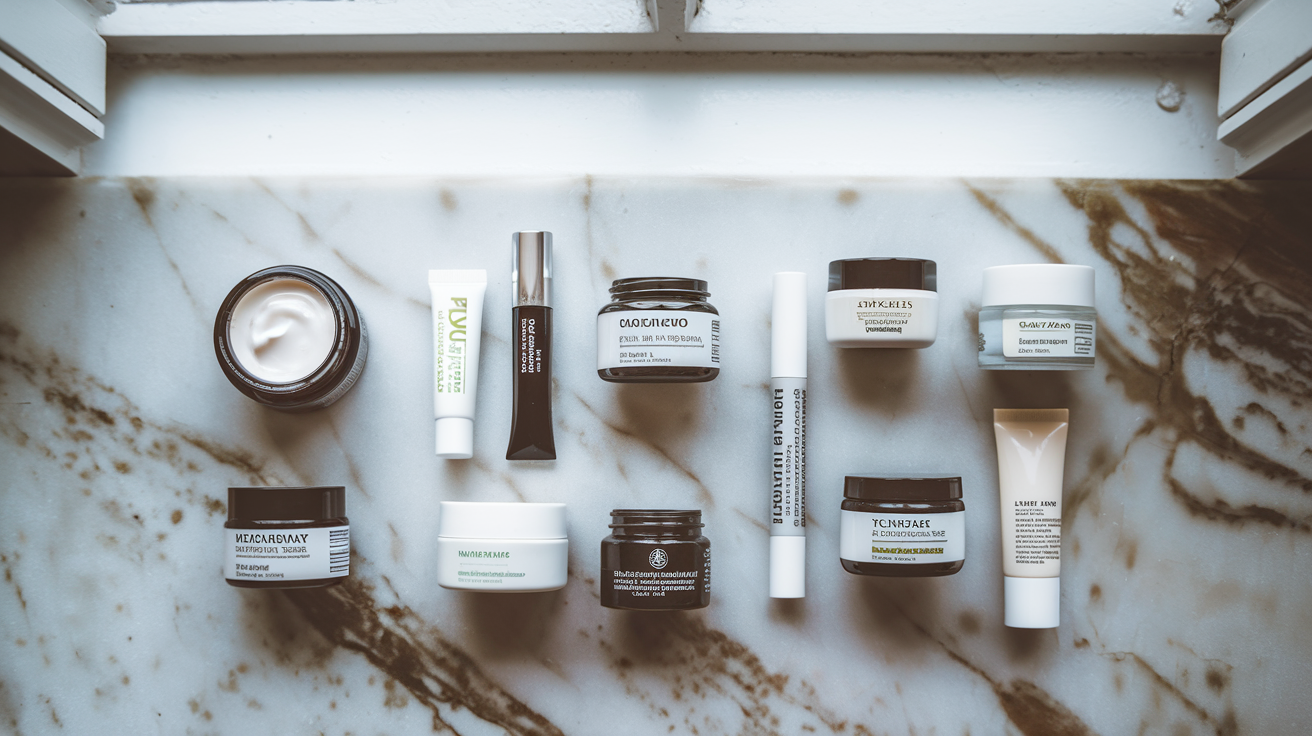
When you buy a $120 eye cream, only about $5 to $8 of that price tag goes toward the actual formula inside the jar. The rest? It's divided among packaging design, advertising campaigns, retail markups, influencer partnerships, counter displays, and brand profit margins.
Luxury brands spend heavily on department store placement and glossy magazine ads. They hire celebrities and dermatologists for endorsements. They design weighty glass jars and satin-lined boxes that feel expensive in your hands.
Drugstore brands skip most of these costs. They use simpler packaging, sell through mass retailers, and spend less on marketing. That's why a tube from the pharmacy aisle might contain nearly identical active ingredients at a fraction of the price.
Understanding this breakdown helps you see where your money actually goes and whether those extras matter to you.
Drugstore vs Luxury: Ingredient Label Comparison
Here's something that surprises most people: ingredient labels are listed by concentration, and both drugstore and luxury eye creams follow the same FDA rules. When you compare labels side by side, you'll often find the same active ingredients in similar positions on the list.
A $20 eye cream might list caffeine, niacinamide, and hyaluronic acid in the first seven ingredients. A $180 cream from a luxury counter might have the exact same trio in nearly the same order. The base formula, the delivery system, and the percentages might differ slightly, but the core actives are often identical.
The main differences tend to show up in texture, scent, and preservative systems. Luxury brands invest more in elegant textures that feel silky and absorb beautifully. They use sophisticated fragrance blends or go fragrance-free with expensive masking ingredients. They might choose preservatives that are gentler but require more careful formulation.
Budget brands focus on function over feel. The cream might be thicker, the scent more basic, the finish slightly tackier. But if you're looking at the active ingredients that actually address the appearance of fine lines and tired-looking skin, the difference isn't always as dramatic as the price gap suggests.
Tired of seeing under-eye lines before you see yourself?
If the tiny creases under your eyes make you look more tired than you feel, this guide shows the simple under-eye routine that helps soften the look of dry lines, crepey texture, and tired skin without guessing or wasting weeks on random products.
When Premium Price Tags Matter Most
There are specific situations where spending more actually makes sense. If you have reactive skin that flares up with certain preservatives or fragrances, luxury formulas often use gentler alternatives that require advanced chemistry. That expertise costs money.
Patented delivery systems can also justify higher prices. Some premium brands develop liposomal encapsulation or time-release technology that helps ingredients penetrate more effectively. These innovations require years of research and clinical testing.
Certain cutting-edge peptides and growth factors are expensive to source and stabilize. If a formula contains a newly developed peptide complex that's only available from one lab, that cream will cost more regardless of the brand name on the jar.
Premium also matters when you want a specific sensory experience. If the ritual of applying a beautifully textured cream with a subtle scent makes you more consistent with your routine, that psychological benefit has real value.
The 5 Ingredients Worth Spending More On
Not all active ingredients are created equal, and some are genuinely worth a higher price point when they're formulated well.
Retinol and retinoids: The stabilization and delivery system matter enormously here. A well-formulated retinol eye cream uses encapsulation to minimize irritation while maintaining effectiveness. Cheap retinol formulas can degrade quickly or irritate the delicate under-eye area.
Pure vitamin C (L-ascorbic acid): This ingredient is notoriously unstable and requires careful formulation to stay potent. Premium brands invest in airless packaging and stabilizing ingredients that keep vitamin C effective until you finish the product. If you're considering a vitamin C eye cream, this is one area where the affiliate one can guide you toward formulas that actually deliver.
Advanced peptides: Basic peptides like palmitoyl tripeptide-1 are affordable and widely available. But newer peptide complexes like Matrixyl 3000 or Argireline cost significantly more to source and require expertise to formulate at effective percentages.
Ceramides and barrier-repair lipids: Not all ceramide blends are equal. Premium formulas use specific ratios of ceramides, cholesterol, and fatty acids that mimic your skin's natural barrier. This research-backed approach costs more than simply adding a ceramide to the ingredient list.
High-quality hyaluronic acid: Multi-weight hyaluronic acid formulas contain different molecular sizes that hydrate at various skin depths. This is more expensive than using a single molecular weight, but it creates visible plumping that helps under-eye skin look smoother.
Affordable Eye Creams That Outperform Luxury Brands
Some drugstore and mid-range eye creams consistently earn dermatologist praise and customer loyalty despite their accessible price tags.
Look for brands that focus their budgets on formulation rather than marketing. Companies like CeraVe, The Ordinary, and The Inkey List are often developed by experienced cosmetic chemists who prioritize ingredient quality and effective percentages.
Many K-beauty and J-beauty brands offer exceptional eye creams at mid-range prices. These products often feature innovative ingredients like niacinamide, adenosine, and fermented extracts in well-designed formulas that rival luxury performance.
The key is knowing what to look for on the ingredient label. If you understand which actives address your specific concerns—whether that's the appearance of dark circles, fine lines, or puffiness—you can find affordable options that deliver visible results. The affiliate one breaks down exactly which ingredients to prioritize based on your under-eye concerns.
Hidden Costs: Packaging, Marketing, and Brand Names
That heavy glass jar with the magnetic closure? It might cost $8 to $12 per unit to manufacture. The outer box with embossed lettering and silky ribbon? Another few dollars. The branded spatula or applicator? More cost added to your final price.
Marketing budgets for luxury skincare can reach into the millions. When a brand pays for a prime counter location at a major department store, they're covering rent, trained beauty advisors, and elaborate displays. Those costs get passed directly to you.
Brand heritage and prestige also inflate prices. A legacy brand with decades of history and celebrity associations charges more simply because customers associate the name with luxury and effectiveness, regardless of whether the formula justifies the premium.
Understanding these hidden costs helps you decide what matters to you. If beautiful packaging elevates your self-care routine and makes you more consistent, it might be worth it. If you care only about the formula, you can skip these extras and redirect that money toward other skincare investments.
Smart Shopping: How to Find Quality at Any Price Point
The smartest approach is to decide what you value most and shop accordingly. Start by identifying your primary under-eye concerns—whether that's the appearance of fine lines, tired-looking skin, puffiness, or dark circles.
Research which ingredients address those specific concerns. Look for products that list those actives in the first seven ingredients, which indicates they're present in meaningful concentrations.
Read reviews from people with similar skin types and concerns. Look beyond five-star ratings and focus on detailed reviews that describe texture, absorption, and how the product performed over weeks of use.
Consider starting with an affordable option that has strong ingredient backing. If it works well, you've saved money. If it doesn't, you haven't invested heavily in a product that doesn't suit your skin.
When you do splurge on a luxury eye cream, make sure you're paying for advanced formulation, patented technology, or specific ingredients that aren't available at lower price points—not just for a pretty jar and a famous name.
The best eye cream isn't necessarily the most expensive or the cheapest. It's the one with the right ingredients for your concerns, formulated well, at a price point that makes sense for your budget and values. Once you understand what you're really paying for, you can make confident decisions that leave your under-eye area looking smoother and less tired without emptying your wallet.