Disclosure: This post contains affiliate links. We may earn a commission at no extra cost to you.
How to Choose Eye Cream for Sensitive Skin Without Irritation
Published: September 13, 2026
Have you ever bought an eye cream that promised to help with fine lines, only to wake up the next morning with red, puffy, burning skin? If you have sensitive skin, choosing the wrong eye cream doesn't just waste money—it can set your skin back for days or even weeks. The eye area is already the most delicate skin on your face, and when you add sensitivity into the mix, finding a product that actually works without causing irritation feels nearly impossible.
The good news is that you don't have to choose between visible improvement and comfort. With the right ingredients and a smart approach to testing, you can find an eye cream that helps soften the appearance of fine lines and tired-looking eyes without the redness, stinging, or flaking that comes with reactive skin.
Understanding Sensitive Eye Area Skin Characteristics
The skin around your eyes is about ten times thinner than the skin on the rest of your face. It has fewer oil glands, less collagen support, and a weaker moisture barrier. This makes it naturally more prone to dryness, dehydration, and visible signs of aging.
When you have sensitive skin, that fragile eye area becomes even more reactive. Your skin barrier may be compromised, meaning irritants can penetrate more easily. You might notice stinging when you apply products, redness that lasts for hours, or flaking that makes makeup look patchy.
Sensitivity around the eyes can come from several sources: genetic factors, overuse of actives like retinol or acids, environmental stressors like wind or pollution, or even rubbing your eyes due to allergies. Understanding that your eye area needs both gentleness and effectiveness is the first step toward choosing the right product.
Many people with sensitive skin assume they can't use any active ingredients at all. That's not true. The key is choosing formulas designed specifically for delicate skin and introducing them slowly.
Gentle Ingredients That Work for Sensitive Skin
Not all eye cream ingredients are created equal when it comes to sensitive skin. Some actives are known to cause irritation, while others offer visible benefits with minimal risk of reactivity.
Look for ingredients like peptides, which help support the appearance of smoother-looking skin without irritation. Peptides are chains of amino acids that work gently to improve the look of fine lines over time. They're well-tolerated even by reactive skin types.
Hyaluronic acid is another safe choice. It's a humectant that draws moisture into the skin, plumping the appearance of dry lines without causing sensitivity. It's naturally found in your skin already, so it's less likely to trigger a reaction.
Niacinamide is a form of vitamin B3 that helps calm the look of redness and supports a healthier-looking skin barrier. It's gentle enough for sensitive skin and works well in combination with other ingredients.
Ceramides are lipids that help restore and protect the moisture barrier. If your eye area feels tight, dry, or easily irritated, ceramides can help support a more resilient-looking complexion.
Avoid high concentrations of retinol unless you've already built up tolerance. Retinol can be effective for the appearance of fine lines, but it's a common irritant around the eyes. If you want to use it, start with a low percentage and apply it only once or twice a week.
Also skip fragrance, essential oils, and alcohol denat in your eye cream. These are common triggers for sensitive skin and offer no real benefit to the delicate eye area.
If you're looking for a structured approach to selecting ingredients that work together without overwhelming your skin, this affiliate one can help you understand which combinations are most gentle and effective for tired-looking eyes.
Tired of seeing under-eye lines before you see yourself?
If the tiny creases under your eyes make you look more tired than you feel, this guide shows the simple under-eye routine that helps soften the look of dry lines, crepey texture, and tired skin without guessing or wasting weeks on random products.
Patch Testing Your Eye Cream Properly
Even the gentlest formula can cause a reaction if your skin doesn't agree with a specific ingredient. That's why patch testing is non-negotiable, especially if you have sensitive skin.
Start by applying a small amount of the new eye cream to the inside of your wrist or behind your ear. Wait 24 hours. If you don't see redness, itching, or irritation, move on to the next step.

Next, apply a tiny dot of the product to the outer corner of one eye only. Use it for three nights in a row on that one spot. If your skin tolerates it well, you can begin using it on both eyes.
Don't rush this process. Sensitive skin reactions can be delayed, sometimes showing up two or three days after application. If you skip patch testing and apply a new product all over both eyes at once, you risk waking up with puffy, red, irritated skin that takes days to calm down.
Also pay attention to how much you're using. A pea-sized amount is enough for both eyes. Using too much product can overwhelm delicate skin and increase the chance of irritation, even with gentle ingredients.
If you do experience a reaction, stop using the product immediately. Apply a gentle, fragrance-free moisturizer to help calm the skin, and avoid makeup or other actives until the irritation subsides.
Building a Sensitive Skin Eye Care Routine
Once you've found an eye cream that works, the next step is building a routine that supports your skin without overloading it.
Start with a gentle cleanser. Harsh cleansers can strip the moisture barrier and make your eye area more reactive. Use lukewarm water and avoid rubbing or tugging at the delicate skin.
After cleansing, apply a hydrating toner or essence if your skin tolerates it. This adds an extra layer of moisture and can help your eye cream absorb more effectively.
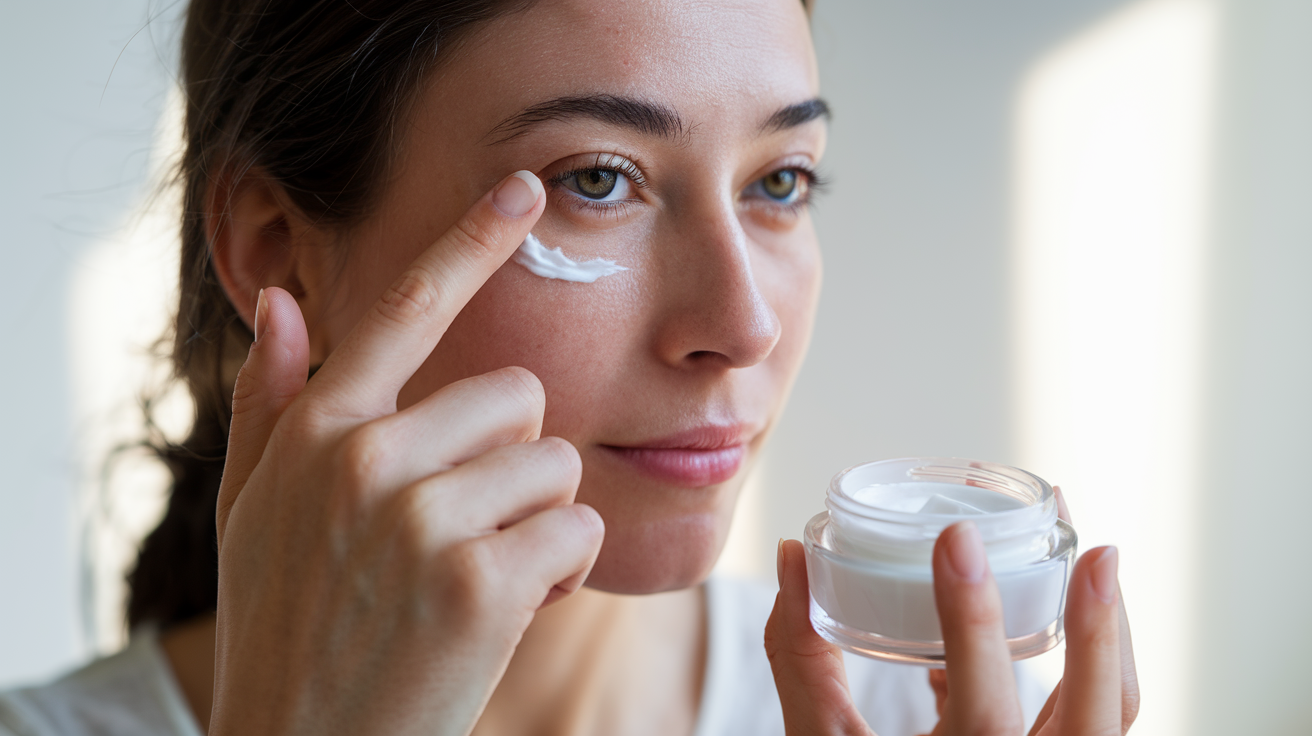
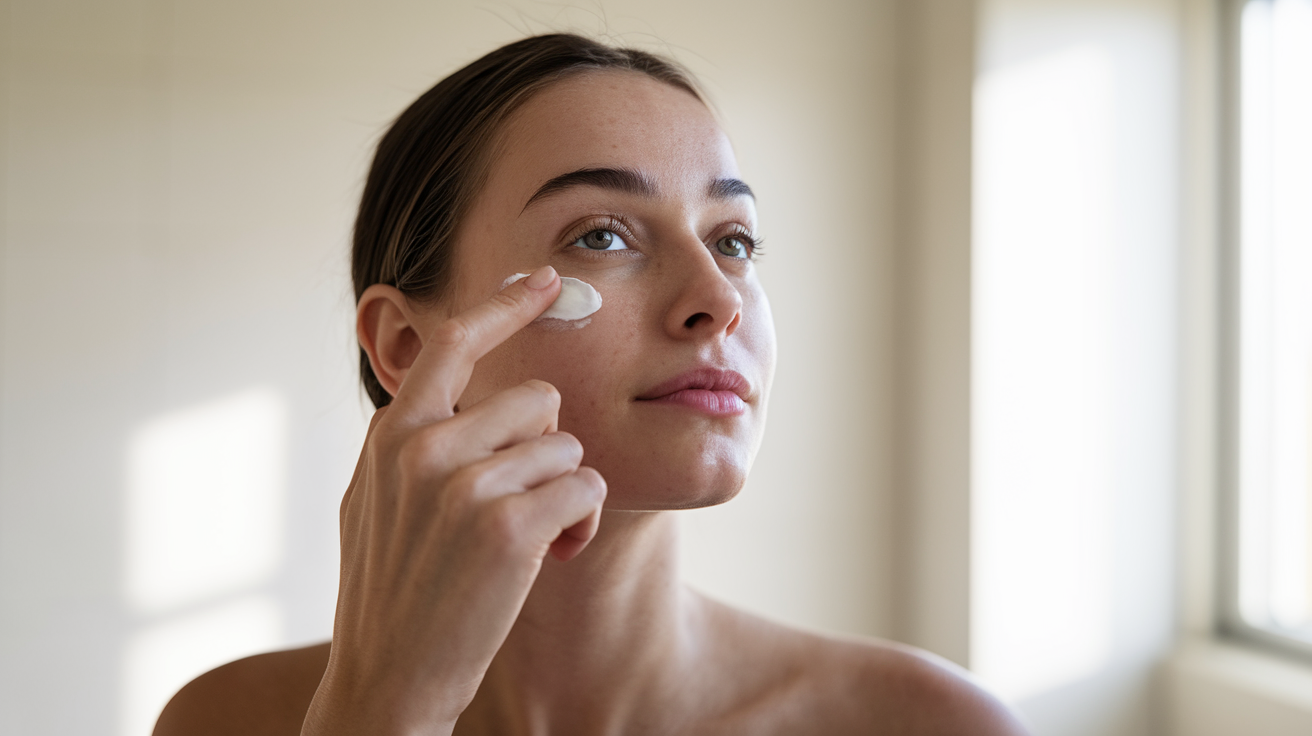
Apply your eye cream using your ring finger, which naturally applies the least pressure. Gently tap the product along the orbital bone, starting from the inner corner and moving outward. Don't rub or pull the skin.
If you're using other actives like vitamin C or exfoliating acids on the rest of your face, keep them away from the eye area. Even if they don't directly touch your eyes, they can migrate during the night and cause irritation.
In the morning, always follow your eye cream with a broad-spectrum sunscreen. UV exposure accelerates the appearance of aging around the eyes, and protecting that delicate skin is one of the most effective things you can do for long-term results.
At night, you can layer a gentle facial oil or occlusive balm over your eye cream if your skin feels especially dry. This helps lock in moisture and supports a more resilient-looking barrier.
Consistency matters more than complexity. Using a simple, well-chosen eye cream every day will give you better results than rotating through multiple products that irritate your skin.
If you want a clear step-by-step approach to layering your products in the right order and at the right frequency for sensitive eyes, this affiliate one walks you through a gentle routine that works without overwhelming reactive skin.
Choosing an eye cream for sensitive skin doesn't have to be a guessing game. By understanding your skin's unique needs, selecting gentle but effective ingredients, patch testing carefully, and building a supportive routine, you can help your eye area look smoother, brighter, and less tired—without the redness, stinging, or setbacks that come with the wrong products.