Disclosure: This post contains affiliate links. We may earn a commission at no extra cost to you.
How Long Does Eye Cream Take to Work? Real Timeline for Results
Are you checking your reflection every morning, wondering if that expensive eye cream is actually doing anything? You're not alone. Most people expect instant results, then feel frustrated when their dark circles and fine lines look exactly the same after a week.
The truth is, eye creams work on different timelines depending on what ingredient you're using and what concern you're trying to address. Some benefits show up in days, while others take months. Let's break down the real timeline so you know what to expect and when to keep going or move on.
Understanding Eye Cream Active Ingredients and Their Speed
Not all eye cream ingredients work at the same pace. If you're using a hydrating formula with hyaluronic acid or glycerin, you might see plumper, smoother-looking skin within a few days. These ingredients work on the surface to draw moisture into the skin, which temporarily softens the appearance of dry fine lines.
Caffeine-based eye creams can help reduce the look of puffiness relatively quickly, often within a week or two. Caffeine works by temporarily constricting blood vessels, which may make the under-eye area look less swollen.
Retinol and peptides are the slow burners. These ingredients encourage skin renewal and support collagen production over time, but they need at least 8 to 12 weeks to show visible changes. If you're using a retinol eye cream for fine lines or crepey texture, patience is everything. Results build gradually, not overnight.
Vitamin C formulas fall somewhere in the middle. They can help brighten the look of dark circles and even out skin tone, but you'll typically need 4 to 8 weeks of consistent use to notice a difference.
If you want to understand exactly which ingredients work best for your specific under-eye concerns, check out this affiliate one that walks through the best combinations for different skin types.
Week-by-Week Eye Cream Results: What to Expect
Here's a realistic timeline based on consistent daily use, twice a day unless otherwise directed.
Week 1: You probably won't see dramatic changes yet. Your skin may feel more hydrated and comfortable, especially if your previous routine was drying or minimal. If your eye cream contains soothing ingredients like niacinamide or chamomile, any redness or irritation might look calmer.
Weeks 2-3: This is when hydration-based benefits become visible. Fine lines caused by dryness may look softer. Your under-eye area might feel smoother to the touch. If you're using a caffeine formula, puffiness may appear less pronounced in the mornings.
Weeks 4-6: Brightening ingredients like vitamin C start to show their effects. Dark circles may look slightly lighter, and your overall skin tone might appear more even. If you're using peptides, your skin may start to look firmer and less tired.
Tired of seeing under-eye lines before you see yourself?
If the tiny creases under your eyes make you look more tired than you feel, this guide shows the simple under-eye routine that helps soften the look of dry lines, crepey texture, and tired skin without guessing or wasting weeks on random products.
Weeks 8-12: This is the sweet spot for retinol and peptide formulas. Fine lines may look visibly softer. Skin texture often appears smoother and more refined. Crepey skin may look firmer and more resilient. The cumulative effects of consistent use become noticeable.
Beyond 12 weeks: Long-term use continues to build on earlier results. Skin may look more youthful and less tired overall. Fine lines and texture concerns often continue to improve with ongoing application.
Factors That Speed Up or Slow Down Eye Cream Results
Your eye cream doesn't work in isolation. Several factors influence how quickly you see results.
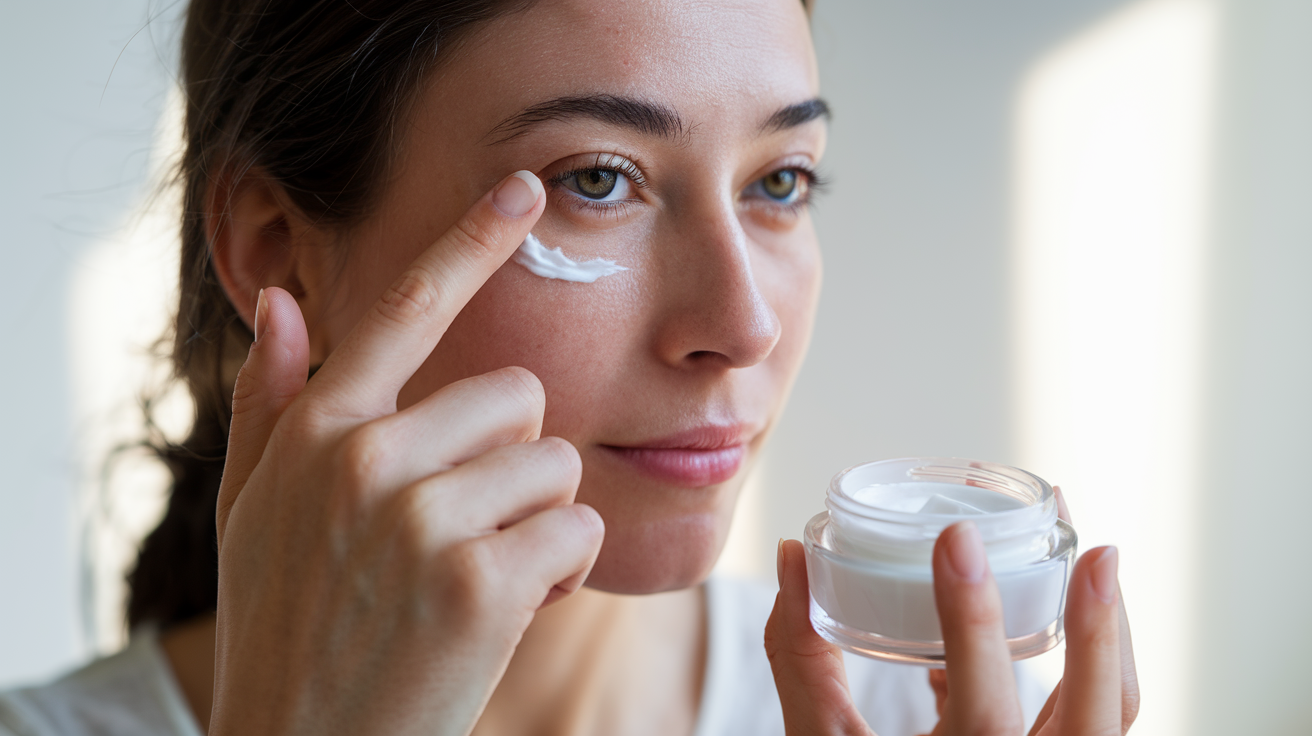
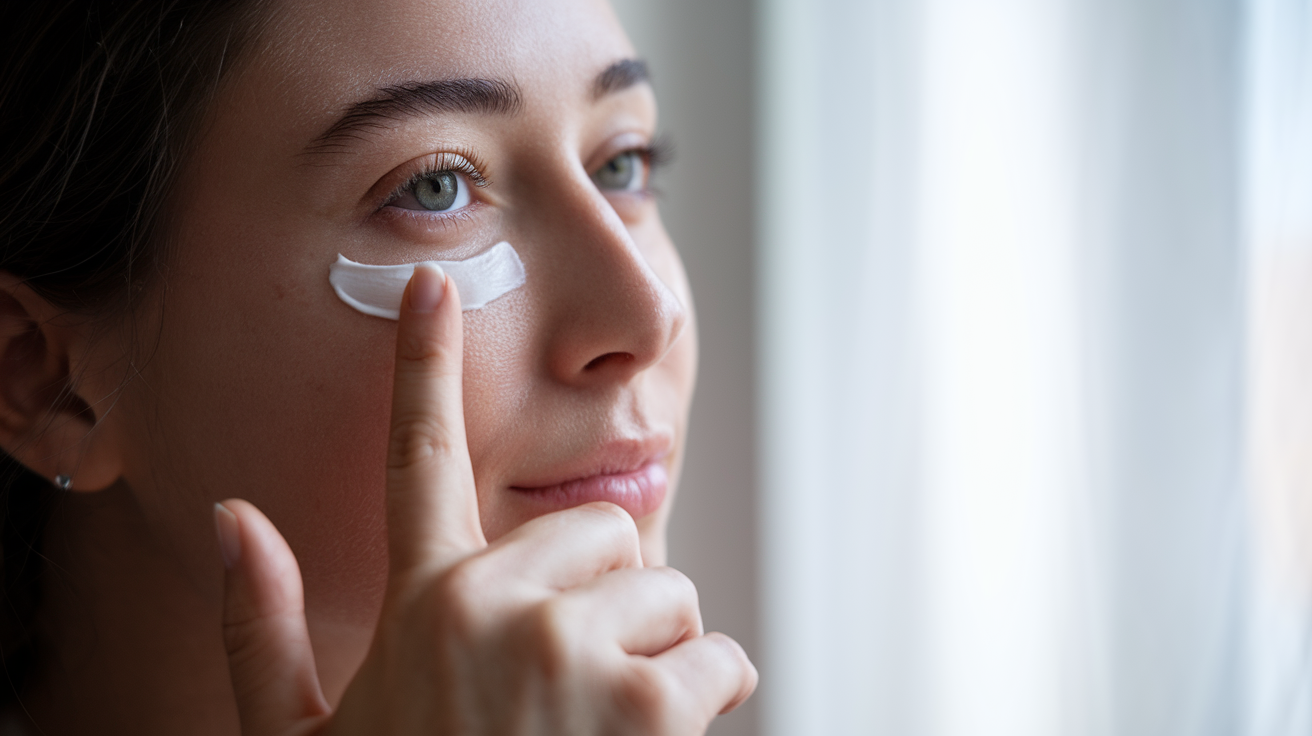
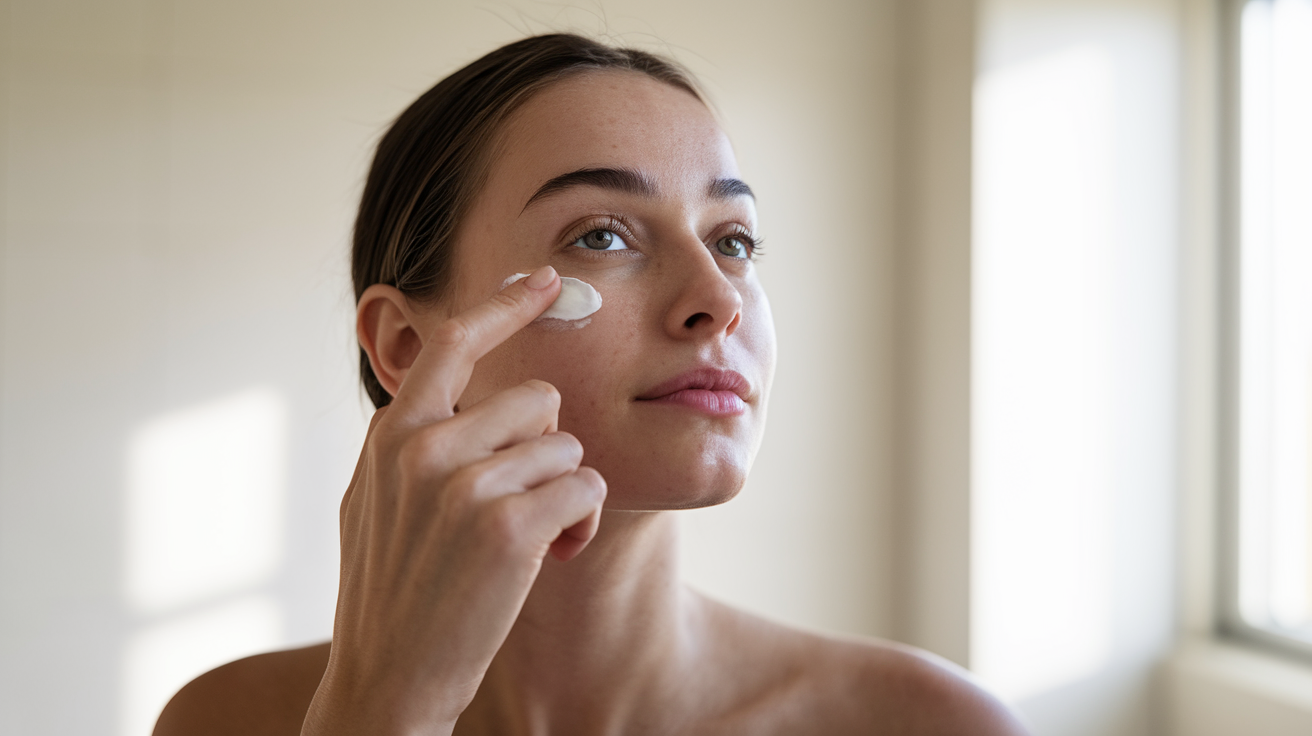
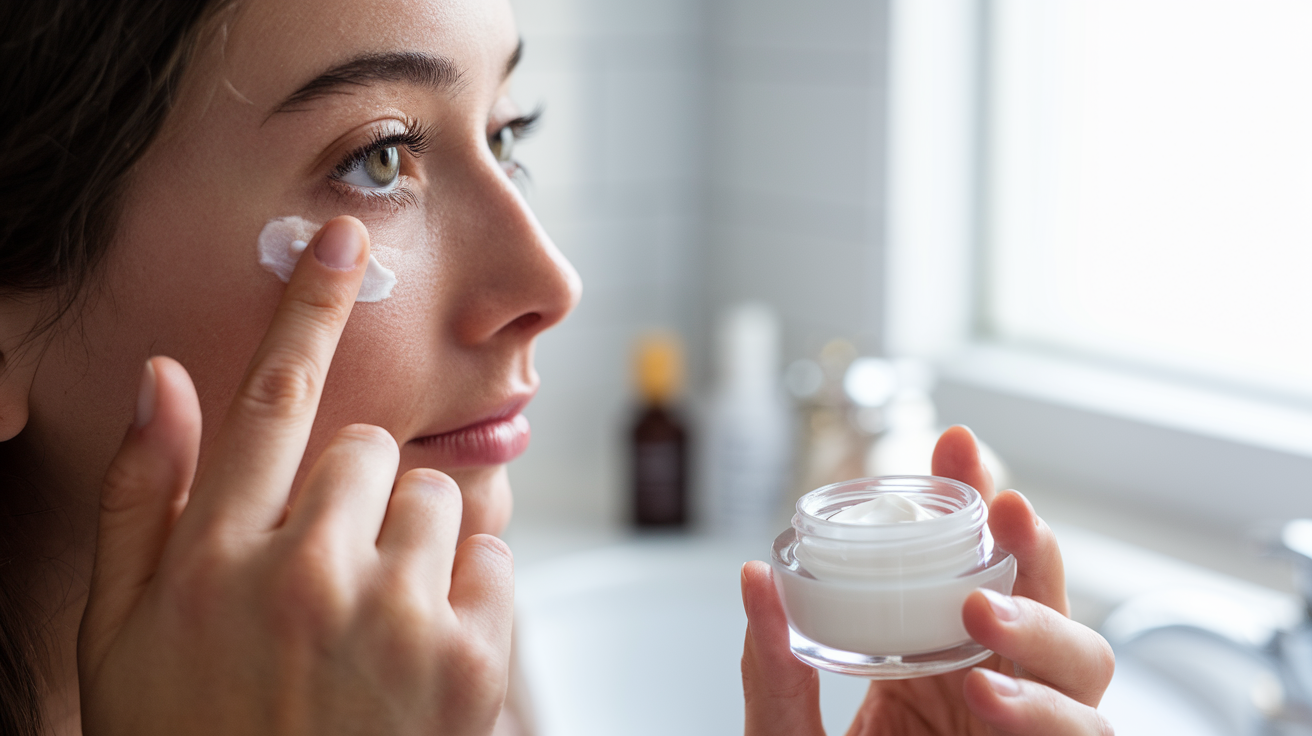
Application technique matters. Gently patting eye cream onto clean skin with your ring finger helps the product absorb without tugging at delicate skin. Rubbing or pulling can cause irritation and slow down progress.
Consistency is everything. Skipping days or forgetting to apply your eye cream at night means slower results. Most active ingredients need regular exposure to work effectively.
Sunscreen makes a huge difference. UV damage constantly works against your eye cream. If you're not wearing SPF during the day, you're undoing some of the benefits. Sun exposure accelerates aging and can make dark circles and fine lines look worse.
Sleep and hydration play a role. Chronic lack of sleep and dehydration can make your under-eye area look tired and puffy no matter what products you use. Eye cream helps, but it can't replace basic self-care.
Skin type affects absorption. Dry skin often responds quickly to hydrating eye creams. Oily skin may take longer to show results, especially with richer formulas. Sensitive skin may need a gentler product or slower introduction to avoid irritation.
Signs Your Eye Cream Is Working (And When to Switch)
How do you know if your eye cream is actually doing something? Look for these signs.
Your under-eye area feels more comfortable. Less tightness, less dryness, and fewer itchy or irritated moments mean your skin barrier is happier. This is often the first sign of improvement.
Makeup sits better. If your concealer used to settle into fine lines and now it looks smoother, that's a good indication your eye cream is working. Better hydration leads to better makeup application.
Fine lines look softer. You might not see lines disappear, but if they're less visible or less pronounced, your product is doing its job. This is especially noticeable in photos or bright lighting.
Your eyes look less tired. Even if you're not sleeping more, your under-eye area may look brighter and more awake. This suggests your product is improving tone and texture.
On the other hand, here's when to switch products.
You've used it consistently for 12 weeks with zero change. If you see absolutely no improvement after three months of daily use, your formula might not be strong enough or the wrong match for your concerns.
You're experiencing irritation. Redness, stinging, flaking, or increased sensitivity means your eye cream isn't agreeing with your skin. Stop using it and try a gentler option.
Your concerns are changing. If you started with puffiness and now you're more worried about fine lines, you may need a different formula with different active ingredients.
For a complete breakdown of which eye cream ingredients work best for specific concerns and timelines, this affiliate one covers everything in detail.
The bottom line? Eye cream results take time. Hydration shows up fast, but structural improvements like softer-looking fine lines and smoother texture need weeks or months. Stick with a good formula, be consistent, protect your skin from the sun, and give your product at least 8 to 12 weeks before deciding if it's working.